

Running News Daily
Top Ten Stories of the Week
2/6/2021
These are the top ten stories based on views over the last week.
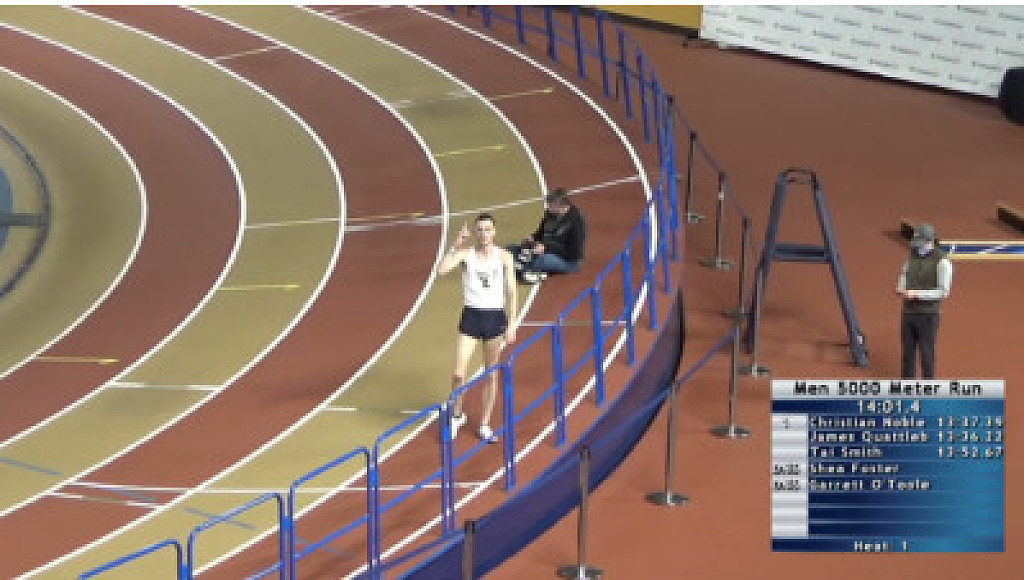


NCAA May Not Accept Christian Noble’s 13:37 Division II 5K Record Due to Pacing Lights
On Sunday night, Christian Noble of Lee (Tenn.) University ran the fastest indoor time ever by a Division II 5,000-meter runner. Noble’s 13:37.39 at the Magic City Elite meet in Birmingham, Ala., was an 11-second personal best and almost four seconds faster than the previous DII best of 13:41.08, run by Abilene Christian’s Nicodemus Naimadu 16 years ago. It was a stellar performance, run mostly alone — Noble led every step of the final 15 laps after pacemaker Garrett O’Toole stepped off the track after two kilometers.
And it may not count.
On Monday afternoon, Dave Milner, the meet director of Magic City Elite, was forwarded an email by an NCAA official, inquiring about “Illegal Assistance by the use of pacing lights.” Milner said the official told him the case will go before a committee to determine whether the NCAA will recognize the mark. Noble easily surpassed the automatic qualifying mark for the NCAA Indoor Championships (14:03.43), but if the NCAA fails to recognize his performance on Sunday, he would have to run another race in order to qualify — at a time when indoor competitions are in short supply.
“Christian’s coach Caleb Morgan called me [on Thursday] and told me, I’ve heard through the grapevine that they’re not going to allow the mark,” Milner says.
The NCAA does not maintain official collegiate records. The USTFCCCA, which does keep track of records, currently lists Noble as the Division II record holder, but that may change, depending on the NCAA’s findings.
“Our aim with records and marks that originate in-season is to follow the competition rulings the collegiate governing body has upheld,” USTFCCCA director of media, broadcasting, and analytics Tom Lewis wrote in an email to LetsRun.com.
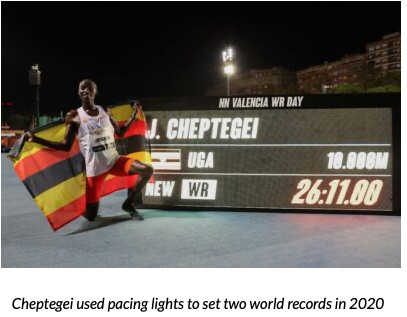
The Magic City Elite meet utilized Light Speed Pacing — a system similar to the Wavelight technology that helped Joshua Cheptegei break world records at 5,000 and 10,000 meters last year in Monaco and Valencia (Milner also used Light Speed at the Five & Dime Athletics Meeting in December, in which Jenna Hutchinsset a girls’ high school 5,000 record of 15:34.47). Light Speed uses 16 lights, which are evenly-spaced on the infield just inside lane 1 and programmed to light up to indicate a specified pace.
Ahead of the meet, Milner asked his chief official to check the NCAA and USATF rulebooks to ensure the Light Speed system was okay. They couldn’t find anything that suggested the lights were illegal.
All five races at Magic City (two high school races and three open races) utilized Light Speed; Noble and Wingate University’s Tai Smith, also entered in the men’s 5,000, were the only collegiate athletes entered in the meet. In the men’s 5,000, Milner instructed David Hudman, the operator of Light Speed Pacing, to set the pace at 13:40 — a time that both Noble and post-collegiate athlete James Quattlebaum were targeting. Noble ran 13:37; Quattlebaum wound up fading and finishing second in 14:07. Smith, the only other finisher, ran 14:24 — 47 seconds behind Noble. An NCAA official declined to say whether Smith’s time, currently #4 in Division II, is in jeopardy as well.
What the rulebook says
Electronic lights such as Light Speed are specifically allowed under both USATF and World Athletics rules, but under NCAA rules, they are prohibited.
Here is what NCAA Track & Field Rule 6, Section 4, Article 1a.4) (see page 57 here, emphasis added):
For the purpose of this rule, the following shall be considered assistance, and therefore not allowed: Pacing in races by persons not participating in the same race, by lapped competitors or those about to be lapped, by competitors of the opposite gender in the same race, or pacesetting by any kind of technical device that benefits the field.
But the NCAA’s 2020-21 championship qualifying criteria states that “qualifying marks must be made in a scheduled collegiate or open track and field meet conducted under the NCAA Rules of Competition or an open track and field competition conducted under the competition rules of the NCAA, USATF or IAAF.” The Magic City Elite meet was an open competition conducted under USATF rules (the meet was USATF-sanctioned) — and again, pacing lights are explicitly legal under USATF rules.
After realizing this, we immediately wondered why is this even being investigated. The NCAA rulebook says athletes can be disqualified only “on the report of an official, or from a properly filed protest.” So who filed the report or protest?
Mark Kostek, the secretary rules editor for NCAA men’s & women’s track & field/cross country, declined to disclose the identity of the individual who filed the report, stating only, “an outside source provided video evidence of the pacing lights being utilized.”
We asked Kostek who at NCAA would make the final call about whether Noble’s mark will stand and he replied in writing, “This answer is not within my purview. I only interpret if a violation occurred…After viewing the race it was clear that the athlete(s) did receive the benefit of pacesetting by the utilization of a technical device which by rules is not allowed.”
That doesn’t mean that the mark is definitely not allowed. Noble’s coach, Caleb Morgan, submitted an appeal to the NCAA on Thursday.
What a joke – pacing lights should be encouraged during a pandemic
Let’s bring some common sense into the equation. The pacing lights did not change the outcome of the race. For the NCAA to prevent the top distance runner in Division II from competing at the national championships because there were pacing lights in a three-person race — which he won by 30+ seconds — at a tiny meet in January is utterly nonsensical in any year, but particularly this one, when we are in the midst of a global pandemic. Pacing lights can actually make a race safer from a COVID-19 perspective as compared to having a real human pacer (though the Magic City meet featured both). Plus the NCAA qualifying criteria says you can qualify at open meets run under USATF rules, as was the case here.
The whole situation is farcical, a perfect storm of an out-of-date rule and an unknown third party trying to rain on one of the brightest moments of the 2021 indoor season.
Last year, after Wavelight technology started to become widespread, World Athletics and USATF updated their rulebooks to make clear pacing lights were legal. The NCAA, whether out of stubbornness or indifference, did not follow their lead and update its own rules.
So now we have a situation where a collegiate athlete can be paced by a professional runner — who, unlike a pacing light, can break the wind — but not by a set of lights. If pacing lights can be used to set a world record, why can’t they be used to set an NCAA record as well?
“The thing that bothers me most about this is that, big picture, this kind of technology makes a track meet more engaging for the fan as much as it helps the athlete,” said Milner.
There are a few silver linings. Even if Noble’s mark does not count for NCAA qualifying purposes, he is already qualified for NCAAs in the mile (he is the DII leader at 4:00.60) and will go for a qualifier in the 3,000 this weekend. And since the meet was USATF-sanctioned and the race followed USATF rules, Noble can still use it to qualify for this summer’s US Olympic Trials — if he makes the cut (the auto standard is 13:25.00).
Which means that, regardless of what any NCAA committee determines, 13:37.39 is Christian Noble’s official personal best. In the eyes of USATF. In the eyes of World Athletics. And in the eyes of anyone with common sense.
(01/30/21) Views: 90
Let’s Run
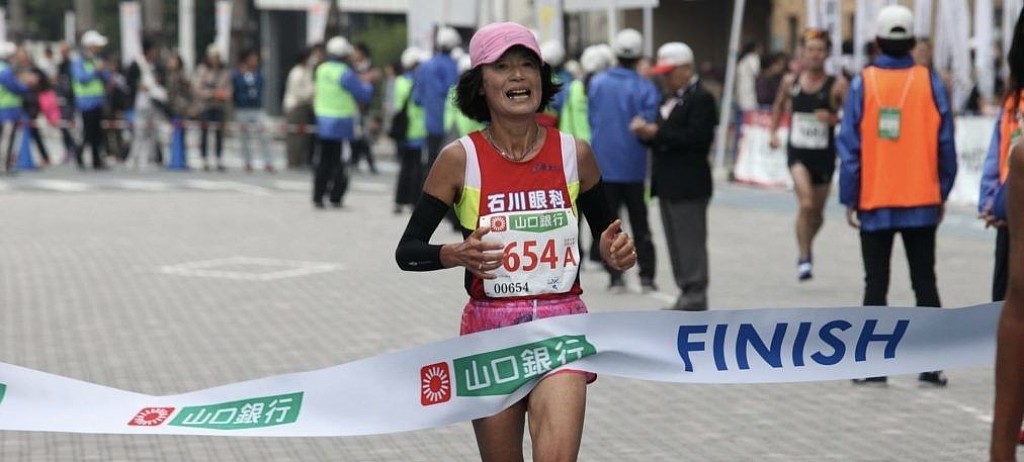
Japanese woman Mariko Yugeta, sets W60 world record with 2:52 marathon in Osaka
Sunday’s Osaka Women’s Marathon in Japan saw many fast results, including a course record and world-leading time from Mao Ichiyama, who won the race in 2:21:11. Ichiyama’s win was not the biggest story of the day, however, as she and the rest of the field were overshadowed by Mariko Yugeta, a 62-year-old woman who posted an age group world record of 2:52:13.
Yugeta’s time was good enough for 48th place, and it smashed the previous W60 world record of 2:56:54, which she set in 2019.
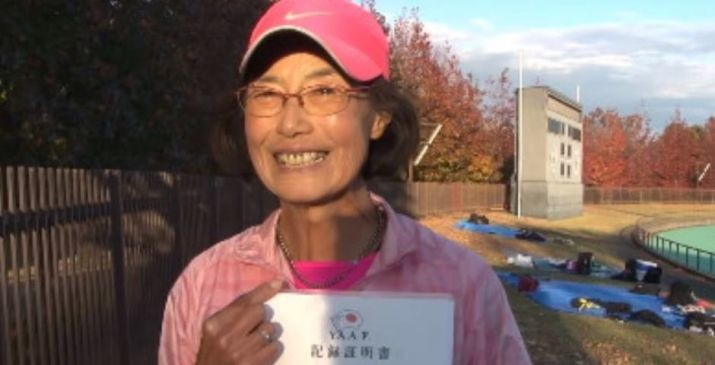
Not only is this a world record for Yugeta, but it’s also a personal best. That’s right — she’s 62 years old and beating times she set years ago. Since joining the W60 age group, Yugeta has broken the marathon world record three times. Her first record run came in November 2019, when she became the first W60 runner to break three hours in the marathon. She ran 2:59:15 at the Shimonoseki Kaikyo Marathon in Japan, shattering the previous world record of 3:02:50 that France’s Claudine Marchadier set in 2007.
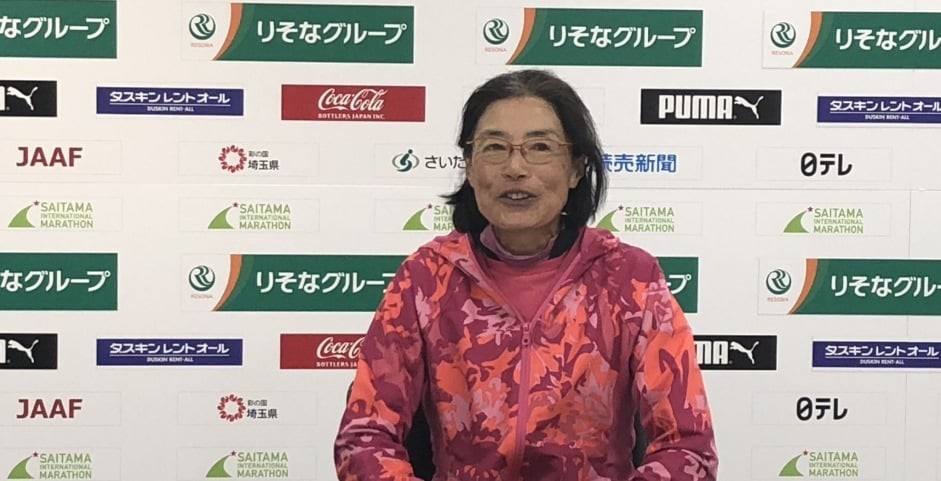
Yugeta´s next record-breaking run came just one month after her initial sub-three-hour result, this time at Japan’s Saitama International Marathon. Despite having run a marathon weeks earlier, she managed to lower her own record even more, finishing in 18th place in 2:56:54. She failed to break her record in 2020, but she did post another sub-three-hour result, running the Osaka Women’s Marathon in 2:59:23. Finally, Yugeta ran her current PB of 2:52:13 on Sunday, but she isn’t satisfied just yet.
As reported by Japan Running News (JRN), Yugeta is registered for the Nagoya Women’s Marathon, which is set for March 14, and she says she will be looking to run even quicker than she did in Osaka. “I want to keep my legs in perfect condition and go for 2:50 or 2:51,” she said.
This might seem too ambitious, but as the JRN article notes, Yugeta struggled in the final weeks of her build to the Osaka Women’s marathon. She reportedly dealt with fatigue (which is understandable, as she runs incredibly high mileage, hitting 800K per month in the summers) and pain in her glutes. Fortunately, she was able to remedy this discomfort through acupuncture treatments, and she said her run in Osaka was pain-free.
Still, even though she felt fine on race day doesn’t mean the ghosts of those nagging issues weren’t affecting her. With those problems behind her, she could have a better build ahead of the Nagoya Women’s Marathon, which could mean the W60 world record will be lowered once again.
(02/02/21) Views: 77Ben Snider-McGrath
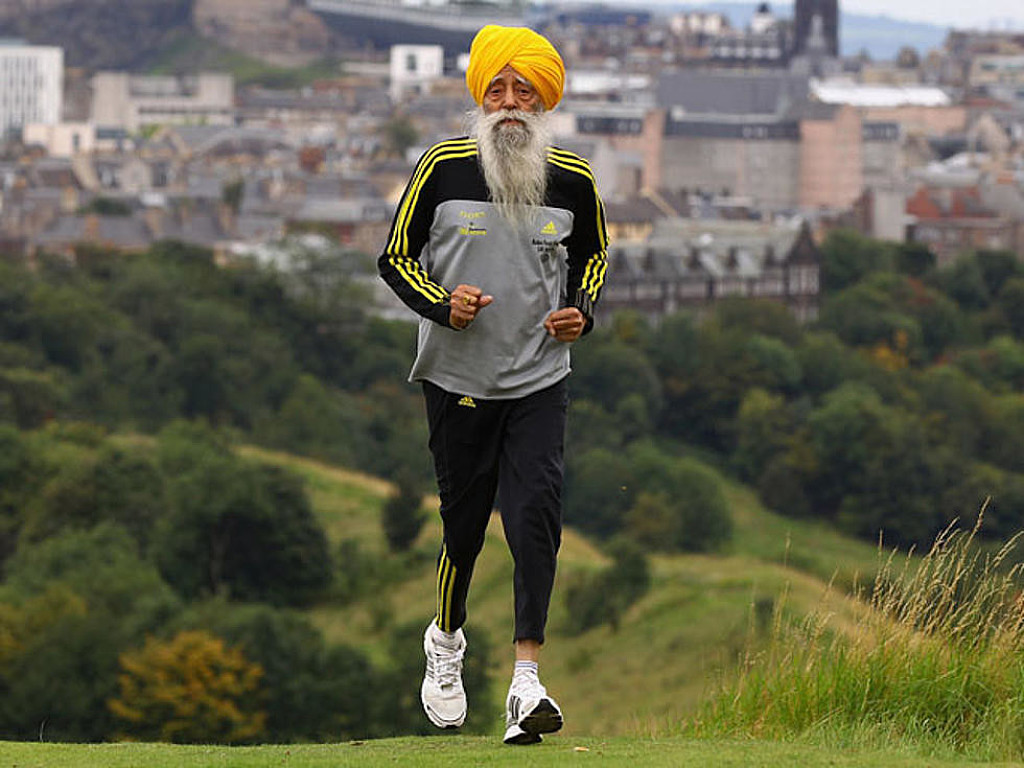
The extraordinary feats of the world’s oldest marathon runner Sikh Superman Fauja Singh are to be immortalised in a biopic produced in his native India
Fauja Singh, 109, who broke marathon records and was dubbed the “Sikh Superman” before hanging up his running shoes six years ago, will be the subject of a Bollywood film, Fauja, tracing his remarkable career.
The life of Fauja Singh, the oldest marathon runner in the world, will be told in a Bollywood film.
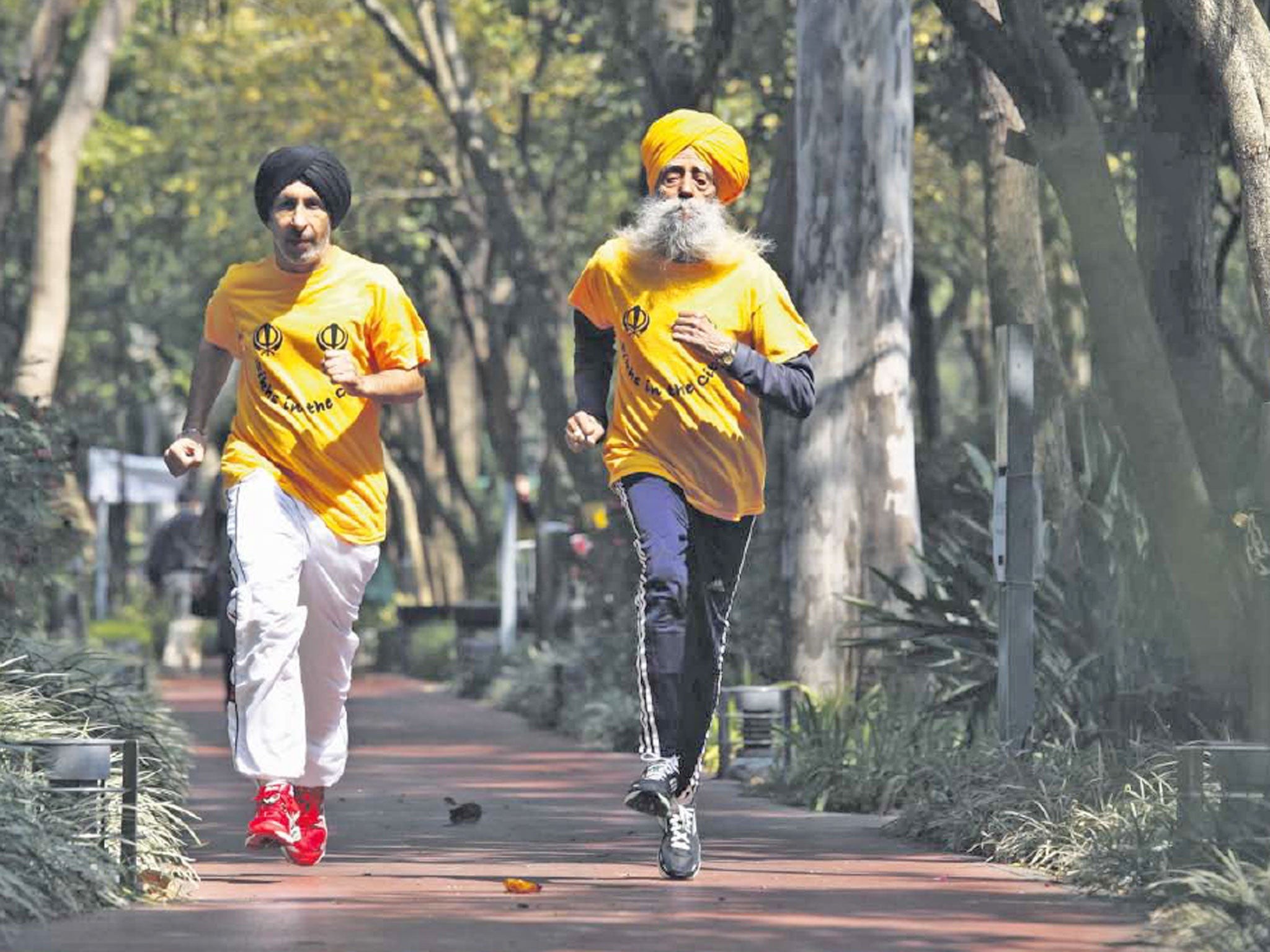
The biopic on the ‘Sikh Superman’, titled Fauja will be directed by Omung Kumar. He will also produce it alongside Kunal Shivdasani and Raaj Shaandilya.
Omung is best known for Mary Kom, which starred Priyanka Chopra and won a National Film Award in 2014 for ‘Best Popular Film’. He also directed Sarbjit.

According to Deadline, Fauja will tell the story of how 109-year-old Fauja Singh shocked the world by breaking a number of records in multiple age brackets as a marathon runner.
Singh made his London marathon debut in 2000 at the age of 89. He has gone on to complete the famed marathon six times.
He has also completed marathons in New York and in Toronto twice.
The film’s screenplay is being adapted from his biography Turbaned Tornado, which was written by Khushwant Singh.
Vipul Mehta, who is known for the Gujarati film Carry on Kesar, has written the film’s script.
On the film, Omung said: “The story of Fauja Singh depicts the insurmountable odds stacked against him and what sheer power of will can make of someone who is challenged medically, by age and by society.”
Kunal added: “It is a beautiful story about a man whose life takes him on an epic journey making him a world icon as he discovers his passion for running marathons; eventually that guided him to make an impact on the world by bringing about a change to humanity.
“Omung is a dear friend and we share the same vision for the film, he has helmed Sarbjit and Mary Kom – two of the best and most successful biopics in the country and so having him chair the director’s role for this film was a unanimous decision.
“Our film intends to make the amazing journey of Fauja Singh personal to everyone watching it.”
Raaj said: “Fauja Singh is the real king and we are all honored to present his story in the form of a cinematic experience for the Indian diaspora world over.
“This story takes us on a journey through time and makes the realization of what our grandparents have been through hit home.
“It is a film that promises an instant connect.”
(02/04/21) Views: 77Hugh Tomlinson

Why every athlete should sleep 8 hours as priority
For many of us, getting a whopping eight hours of sleep each night may seem like a far off, lofty dream. However, obtaining a sufficient amount of zzz’s is actually extremely important for your body’s functioning and for overall demeanor. In fact, the current average of sleep is around 6.5 hours, but experts recommend at least 7, ideally 8-9 hours for the everyday adult.
Adequate sleep is even more important for sports players of all kinds, as it is an invaluable aspect of athleticism. The truth is most people know they need more sleep but struggle to clock in those types of hours each night. Below, we’ll take a look at some huge benefits of healthy sleep schedules that may motivate you to make those eight hours a consistent part of your everyday routine.
Being well rested can enhance performance

You may be surprised to find out that professional athletes are typically advised to get even more sleep than the average adult; 8-10 hours each night. While this may seem like a lot, just take a moment to think about how your body feels when you get less sleep than you should. You most likely felt drowsy, weak, and less motivated. Athletes rely on their bodies to compete at the highest levels. A poor sleep routine possesses less concentration, slower reaction times, and an overall worse performance.
In fact, sleep is so important for pro athletes and casual sports players alike that many studies have been conducted on the topic, further proving its advantages. Research done by the American Academy of Sleep Medicine found that collegiate basketball players who extended their sleep patterns to 8.5 hours actually improved diverse skills within the sport, such as sprints and free throws shots. The same goes for professional baseball players who, in one study, increased their nightly average and showed a 13% faster cognitive response time.

Even for professional poker players, healthy sleep patterns are a must. As the sport requires long hours of continual concentration, being well-rested is vital to perform to your optimum ability. The best in the game know how to load their sleep and hit the tables fresh and ready to dominate.
So, as you can see, whether it’s basketball, baseball, or even the world’s most beloved strategy game, players who make sufficient sleep a priority are immediately better off.
Athletes who sleep just five hours are much more likely to experience aggravation, mood swings, and even loss of motivation. Players who get less sleep on a consistent basis may also see a drop in their energy levels, a factor that will immediately affect performance in the short and long-term.
A full night’s rest can prevent weight gain
A huge factor of athleticism is consistently working out and having a body that is in shape. Trainings, practice, and even solo trips to the gym are invaluable for the athlete whose performance is linked to a healthy interior. Keeping off the pounds is important for the everyday individual, but even more essential for athletes. For runners, there are even dangers associated with over-activity if you’re not already in shape.
An adequate, consistent amount of sleep can help produce less ghrelin, the hormone that makes your brain think you’re hungry, and more leptin, the one that gives your body the feeling of being “full.” The balance of these two hormones is especially important for athletes who must maintain great fitness for their sport.
(01/29/21) Views: 74Runners Tribe
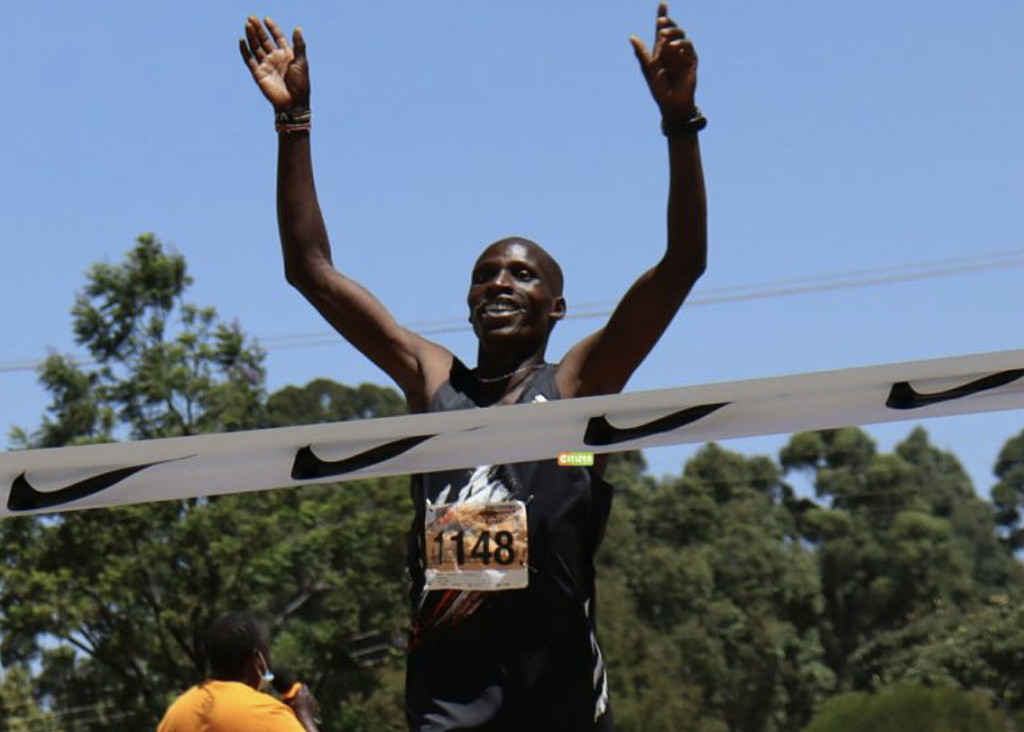
African Games 5000m champion Robert Kiprop destroyed a strong field to win the men’s 10km race at the Discovery Kenya Cross Country
African Games 5000m champion Robert Kiprop destroyed a strong field to win the men’s 10km race at the Discovery Kenya Cross Country held Sunday at the Eldoret Sports Club.
Running on a near-flat course and under a scorching sun, Kiprop timed 30:17.8 to dethrone last year’s winner Nicholas Kimeli who finished second in 30:20.8 while Commonwealth Games 10000m bronze medallist Rodgers Kwemoi placed third in 30:25.3.
World 10000m bronze medallist Rhonex Kipruto was fifth after crossing the finish line in 30:33.5
Kiprop who trains at St Patrick’s High School Iten alongside Kipruto said he is now eyeing a slot in Kenya’s team for the Africa Cross Country slated for Togo in March 1-2.
“It was a very tough race considering the opponents I was facing with the likes of Kipruto and Kwemoi. This is my first race this season and I am now going to work hard as I prepare for the national championships. I am also targeting Olympics in 5000m,” Kiprop said in an interview after the race.
On his part Kwemoi said he was using the race as a warm up for the upcoming Ras Al Khaimah (RAK) Half Marathon scheduled for February 19 at the United Arab Emirates.
The fast-rising Daisy Cherotich from Nandi stunned bigwigs in the corresponding women’s race when she took the lead in the second lap of the 2km loop to win the race in 33:53.6
The 20-year-old said she is now shifting her focus to the nationals in a fortnight as she eyes to make her maiden appearance in Kenyan colours.
“I was not expecting to win today but I thank God I made it despite the tough competition. I know it will be much tougher at the nationals but I will do my best,” said Cherotich.
Eva Cherono timed 34:01.9 to finish second as Eunice Chebichi closed the podium in 34:15.7
Reigning Frankfurt Marathon champion Valary Jemeli was fifth in 34:31.3 while African Games 5000m champion Lilian Kasait who recently won the Prison’s championships ranked seventh in 34:41.0
In the boy’s 8km race, Gideon Rono reigned supreme in 23:01.6 as Monicah Jepngetich emerged top in the girl’s 6km race after clocking 20:55.6
The event also doubled as the Central Rift championships, with the region picking their team for the nationals slated for Ngong Race Course in a fortnight.
Selected Results
10km senior men
1 Robert Kiprop 30:17.82 Nicholas Kimeli 30:20.83 Rodgers Kwemoi 30:25.34 Titus Kiptotich 30:28.75 Rhonex Kipruto 30:33.56 Emmanuel Rutto 30:37.1
10km senior women
1 Daisy Cherotich 33:53.62 Eva Cherono 34:01.93 Eunice Chebichi 34:15.74 Gladys Chepkirui 34:26.25 Valary Jemeli 34:31.36 Jackline Rotich 34:31.8
6km junior women
1 Monica Jepngetich 20:55.62 Jackline Jepkoech 21:00.13 Sharon Jerono 21:10.24 Brenda Jepchumba 21:27.25 Zena Jeptoo 21:29.56 Deborah Chemutai 21:33.6
8km junior men
1 Gideon Rono 24:01.62 Brian Kiprop 24:31.73 Emmanuel Maru 24:36.94 Emmanuel Kiplagat 24:39.45 Levy Kibet 24:43.56 Ismael Kirui 24:46.1
(02/01/21) Views: 72

2021 GO! St. Louis Marathon returns in April
The GO! St. Louis Marathon Weekend will go on this year, after the big event was canceled last year because of the pandemic, organizers announced Friday.
The event will take place on April 10-11 in downtown St. Louis and will have the theme “Stronger Together.”
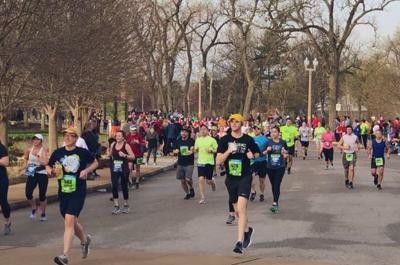
The course mostly travels along Great Rivers Greenway’s Mississippi Greenway: Riverfront Trail, featuring a downtown finish at Kiener Plaza. There will be a full marathon, half marathon, and 10K races.

GO! St. Louis has hosted several virtual and in-person races this year, implementing several safety and physical distancing measures.
They include reducing the number of people who can register at less than 10 percent of a typical race, limiting the numbers of people allowed in 10 minute start time waves, requiring masks for runners at the start and finish lines and encouraging mask use while passing other runners.
(01/30/21) Views: 68Valerie Schremp Hahn
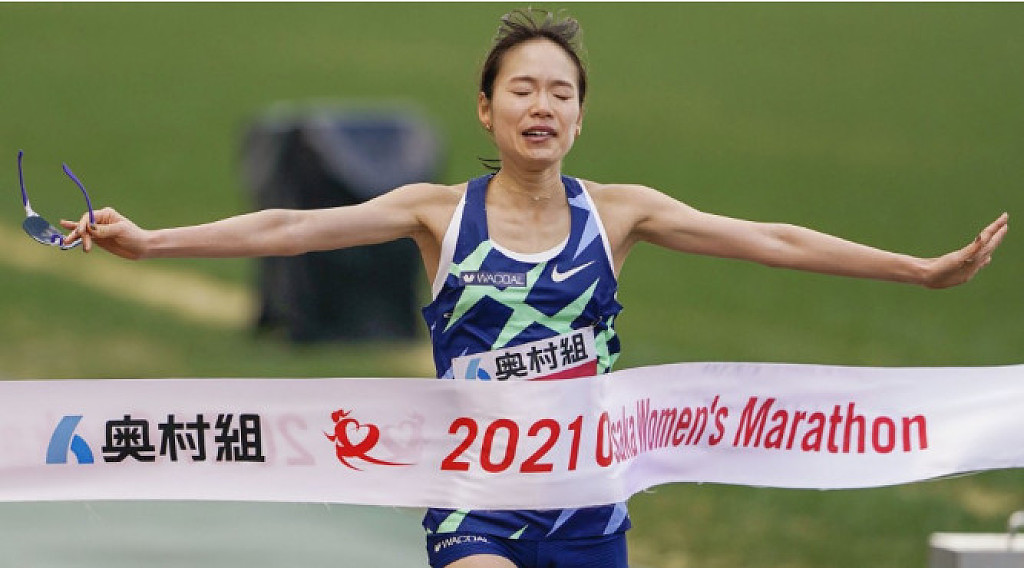
Tokyo Olympians finish 1, 2 in Osaka Women's Marathon
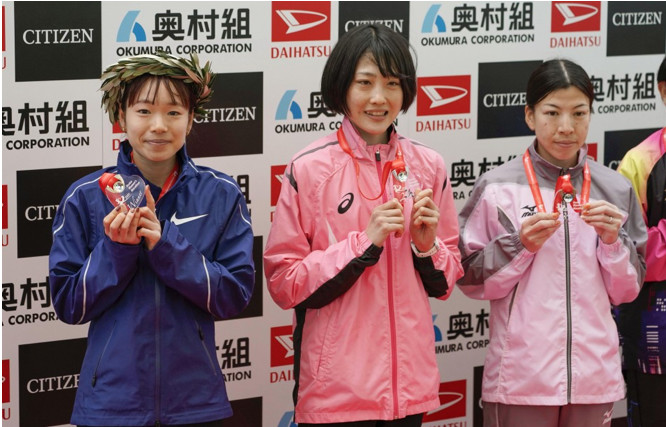
Japan Olympic team member Mao Ichiyama won the Osaka Women's Marathon in a race record 2 hours, 21 minutes, 11 seconds on Sunday, finishing ahead of fellow Tokyo Olympian Honami Maeda.
Organizers moved this year's race off public streets due to the coronavirus pandemic, rerouting it to 14-plus laps of a 2.8-kilometer circuit around Osaka's Nagai Park, finishing inside Yanmar Stadium Nagai.
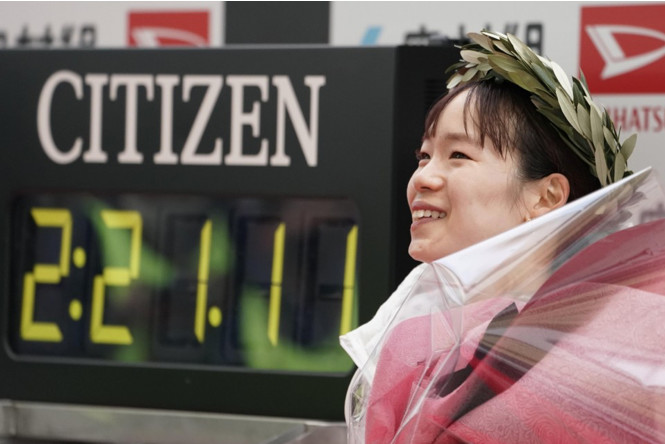
Ichiyama's time was about two minutes shy of the Japan women's record of 2:19:12 run by 2004 Olympic champion Mizuki Noguchi at the September 2005 Berlin Marathon.
Both Ichiyama and Maeda entered the race aiming to break Noguchi's record, but Maeda fell off the pace early on, while Ichiyama's pace slackened around the halfway point.
Ichiyama did break Noguchi's meet record of 2:21:18 from 2003, while Maeda still managed a personal best of 2:23:30.
(01/31/21) Views: 63
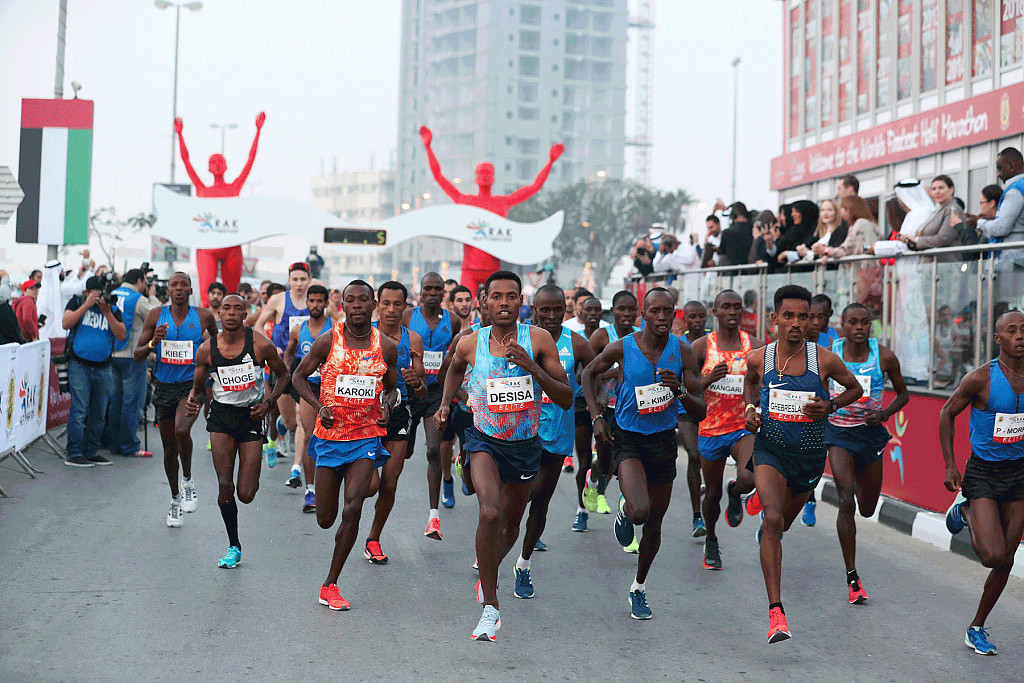
Ras Al Khaimah Half Marathon has been postponed to 2022
Stacked fields had been announced for the February 19 event but it will no longer take place this year
There will be no Ras Al Khaimah Half Marathon this year, with organisers confirming that the 15th edition which had been scheduled for February 19 will now take place in 2022.
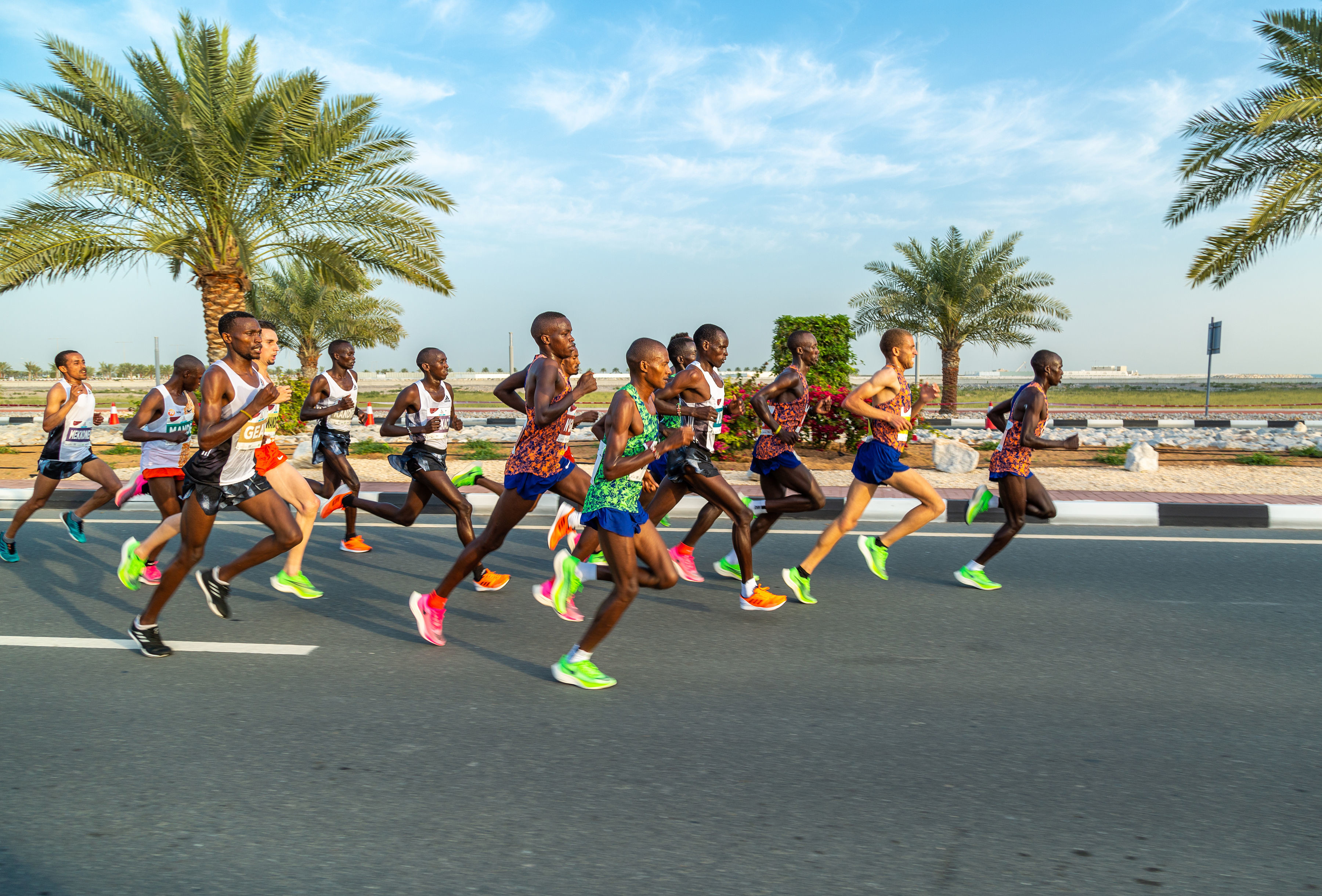
Stacked fields including three-time world half-marathon champion Geoffrey Kamworor, world half-marathon record-holder Kibiwott Kandie, world half-marathon champion Jacob Kiplimo, world half-marathon record-holder Ababel Yeshaneh (pictured), world marathon record-holder Brigid Kosgei and two-time world 5000m champion Hellen Obiri had been announced for the event.
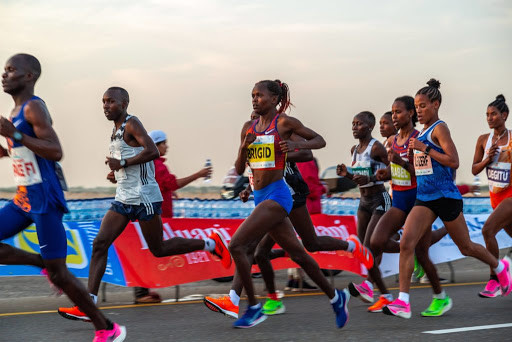
‘Elite bubble’ procedures had been put in place for the race in Ras Al Khaimah, which is the northernmost emirate of the United Arab Emirates, because of the pandemic.
It had also been set to include a 500-strong mass event, however the ever-changing pandemic situation has forced a rethink.
“After careful consideration, we have taken the decision to postpone the 15th edition of the Ras Al Khaimah Half Marathon, which was set to take place on February 19th, 2021 on Al Marjan Island, to 2022,” the Ras Al Khaimah Tourism Development Authority said in a statement.
“This is a necessary measure to protect the wellbeing of our participants, spectators and staff in light of the ever-evolving situation. All registered participants will receive a refund, as per the cancellation policy and, as gesture of gratitude and a thank you for ongoing support, all UAE registered runners will receive their race pack and race medal.
“The safety of all visitors to Ras Al Khaimah remains our utmost priority and we are very grateful for the understanding and support of the event participants at this time. We hope any participants who planned to stay in Ras Al Khaimah will continue to enjoy the diverse beach, adventure and culture offer in the Emirate.”
(02/03/21) Views: 63Athletics Weekly
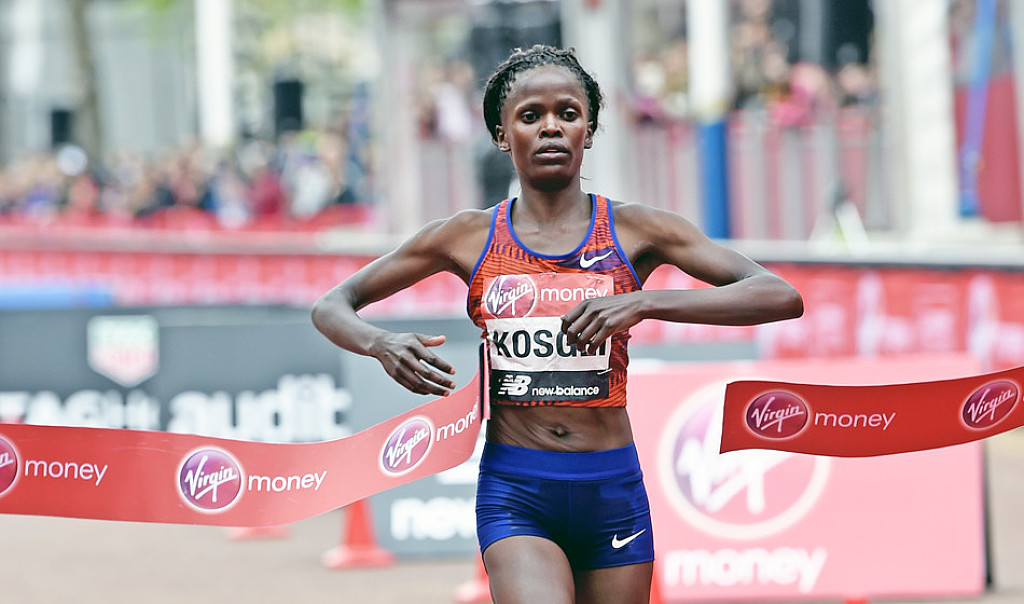
Stanbic Bank Kenya unveil marathon queen Brigid Kosgei as brand ambasaddor
Stanbic Bank Kenya have engaged world marathon record holder Brigid Kosgei as their brand ambassador for a period of two years.
Kosgei, the reigning London and Chicago Marathon champion, will now drive Stanbic Bank's new brand positioning and campaign dubbed “It Can Be,” aimed at inspiring and encouraging both the internal and external stakeholders to dream big and achieve their goals.
While unveiling Kosgei at a ceremony at Kempinski Hotel, Nairobi on Thursday, Stanbic Bank Kenya chief executive officer, Charles Mudiwa, said that they will engage the 2019 and 2020 London Marathon champion in many fields to enhance delivery and performance at their bank.

Mudiwa said their partnership with Kosgei is also in line with Stanbic Bank’s commitment to empower women.

“Through its women proposition DADA, the bank continues to proactively invest in women and their businesses for a more equitable and progressive society,” explained Mudiwa, adding that through various financial and non-financial offerings, the bank has managed to bring on board over 10,000 women, and the numbers keep growing.
“Brigid is a fitting international athlete and has achieved a great deal at such a young age and is a true reflection of the brand. Her determination and focus portrays the very essence of It Can Be,” said Mudiwa. “It Can Be speaks to the philosophy of who we are and where we are going as a Kenyan Bank.”
The 26-year-old Kosgei said that he was humbled by Stanbic Bank’s gesture and vowed to use the opportunity to sensitize the girl-child on the importance of education and sports.
“I dropped out of school since my parents were unable to pay my school fees and that is why I shall endeavor to give my children good education as well as push them into sports,” said Kosgei, adding that everyone faces challenges in life, but it should not deter us from going forth and achieving our goals.
Kosgei said Stanbic Bank has been there to support her journey and helped her realize her dreams.
(02/04/21) Views: 62Ayumba Ayodi
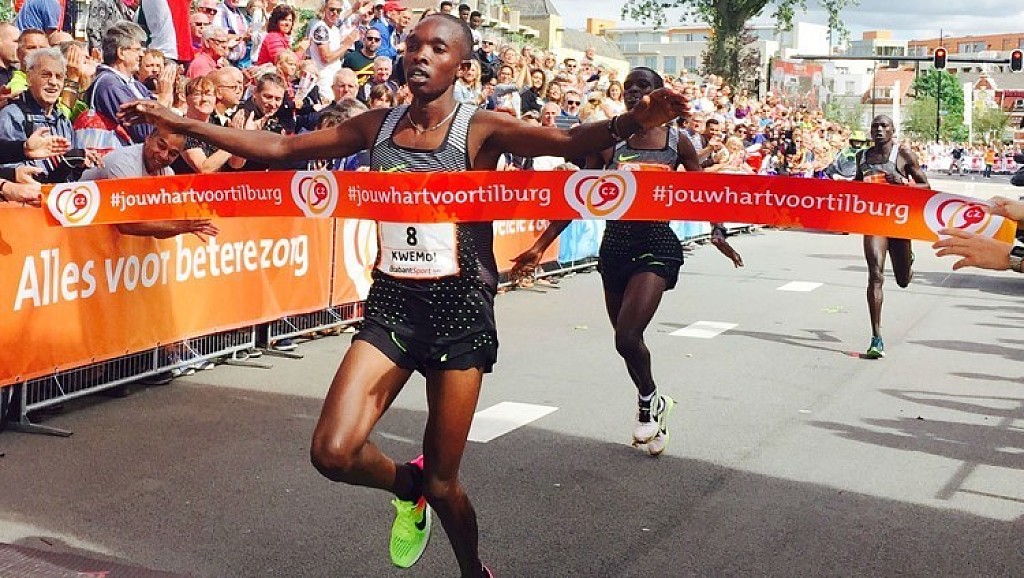
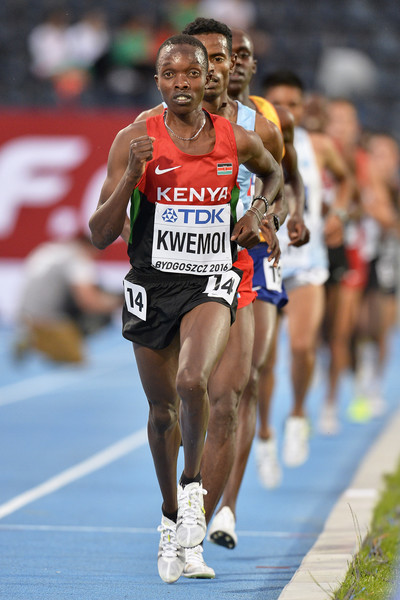
Commonwealth 10,000m bronze medalist, Rodgers Kwemoi, will be seeking a win at the Ras Al Khaimah
Kwemoi, will be seeking a win at the Ras Al Khaimah (RAK) Half Marathon to make up for the pain of missing out on victory at last Sunday's Discovery Kenya Cross Country Championships in Eldoret.
The former world junior 10,000m champion finished third behind winner Nicholas Kimeli and Africa Games' 5,000m champion Robert Kiprop.
“This is part of my speed and endurance build-up ahead of for RAK but I have to run well at the national championships cum trials first. My preparations have been good and that is why I had to run well in this race,” the Mount Elgon-born athlete said.
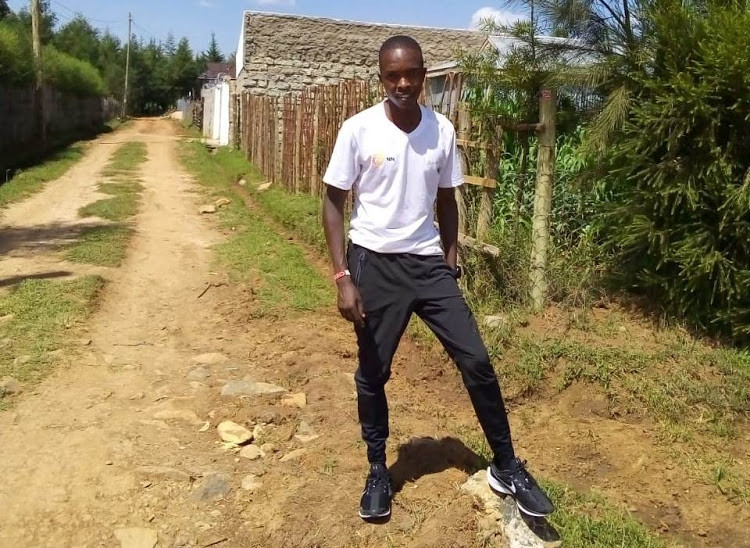
However, it will be a tall order for Kwemoi in the United Arab Emirates as he will have to upstage a star-studded roster in the men's category including world Half Marathon record holder, Kibiwott Kandie, world half marathon champion Jacob Kiplimo from Uganda and former world record holder Geoffrey Kamworor.
Others hoping to start off the year in style include former world half marathon silver medalist Bedan Karoki, RAK silver medalist Alexander Munyao, Stephen Kiprop and New York Marathon champion Shura Kitata of Ethiopia.
Kwemoi will also be chasing an Olympics slot in 10,000m and is optimistic he can end the country's dry spell in the long distance race since the 1968 Mexico City Olympic Games.
“I want to run 10,000 m as I focus on the Olympics. I want to bring the 10,000m Olympic gold after Kenya having the dry spell over the medal,” Kwemoi said.
(02/02/21) Views: 59Emmanuel Sabuni
