

Running News Daily
Top Ten Stories of the Week
10/31/2020
These are the top ten stories based on views over the last week.
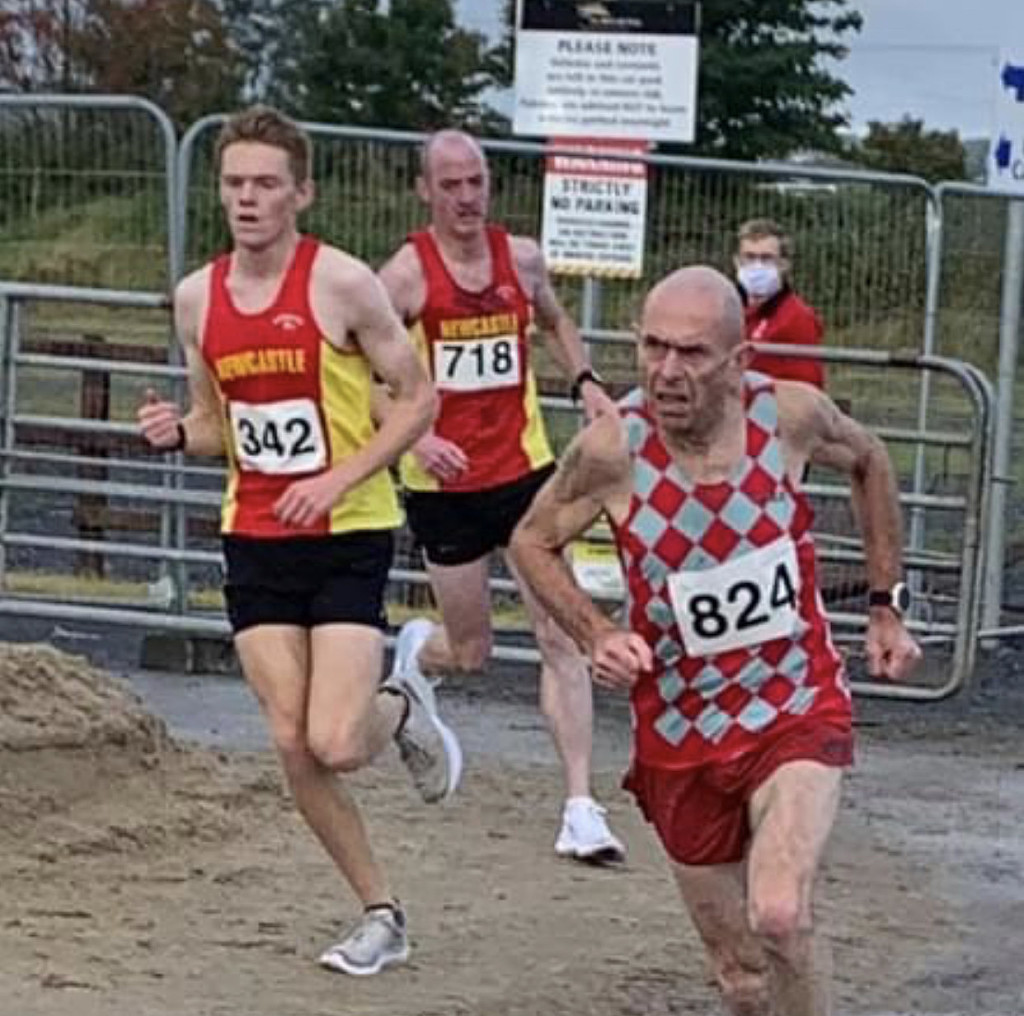


Tommy Hughes breaks 60 plus world marathon record by over six minutes
"I am delighted with a new world marathon record for 60 plus age group," says Ireland's Tommy Hughes. He clocked 2 hours 30 minutes 2 seconds beating the old record of 2 hours 36 minutes and 30 seconds set in 2009 at Oita marathon (Japan) by Yoshihisa Hosaka (Japan)
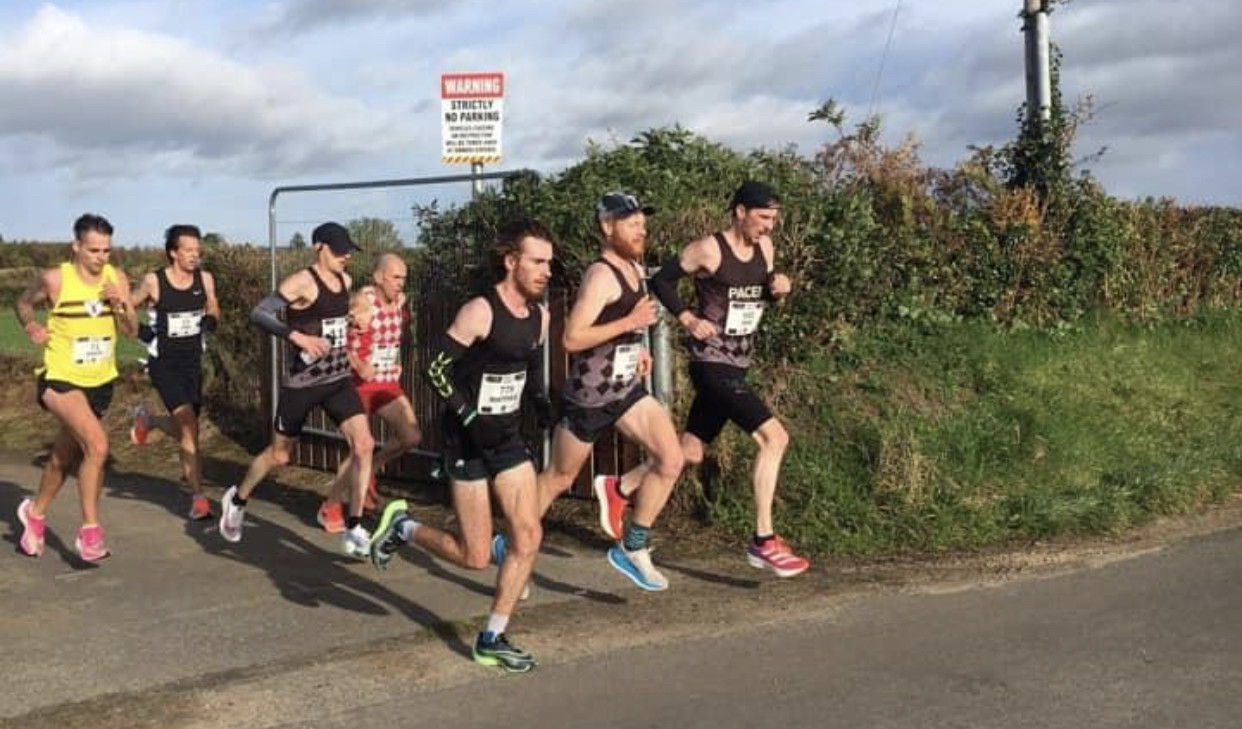
"Thanks very much to ChampionChip Ireland for putting on this event for me to try and achieve it. It was 14 and a half laps around Down Royal and the windy conditions were tough. Thanks to my son Eoin and our new running club (Strive Racing Club) for the great pacing."
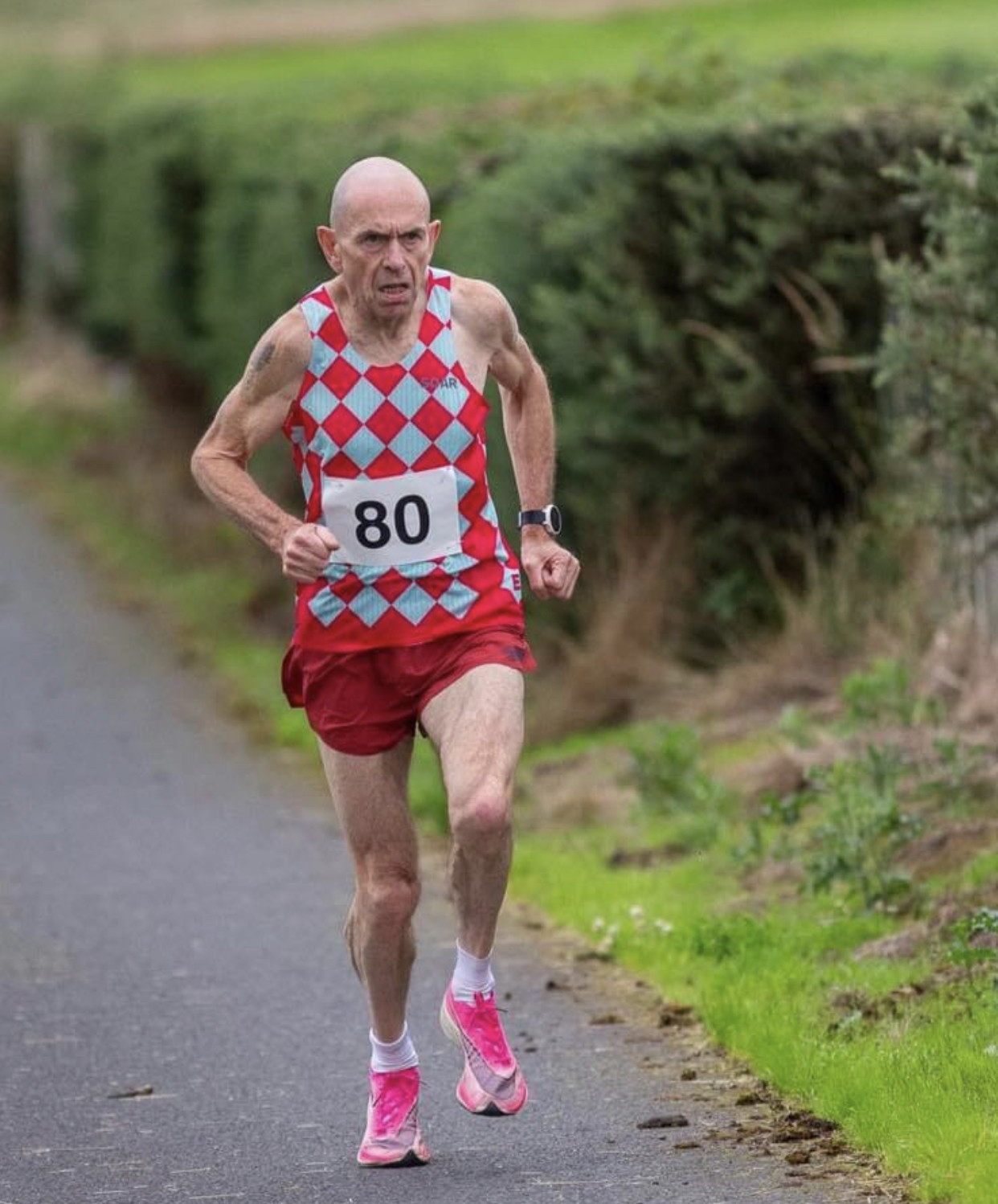
His halfway split was 1:14:32. Tommy is 60-years-old.
(10/25/20) Views: 213
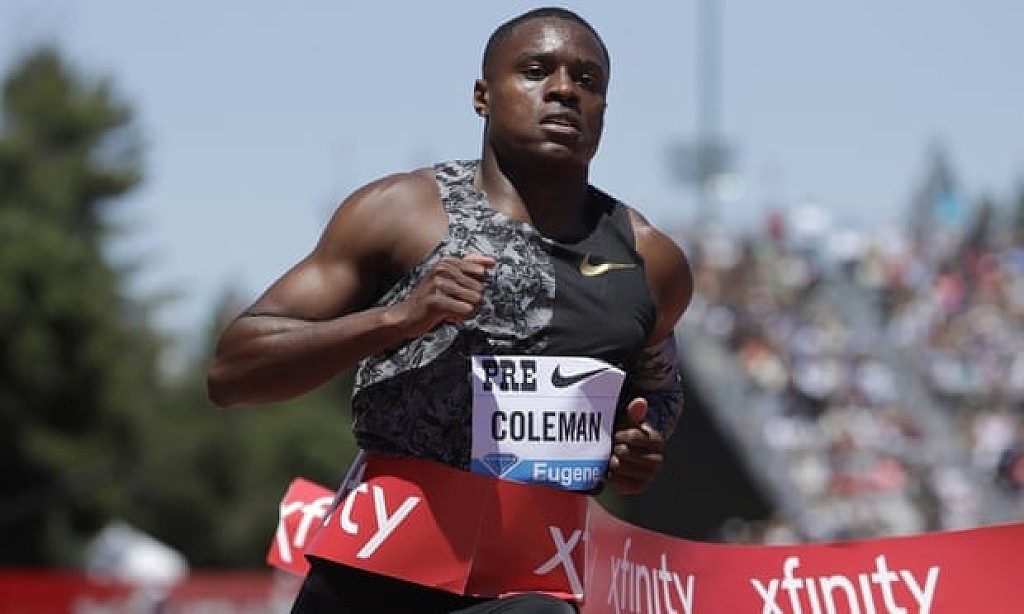
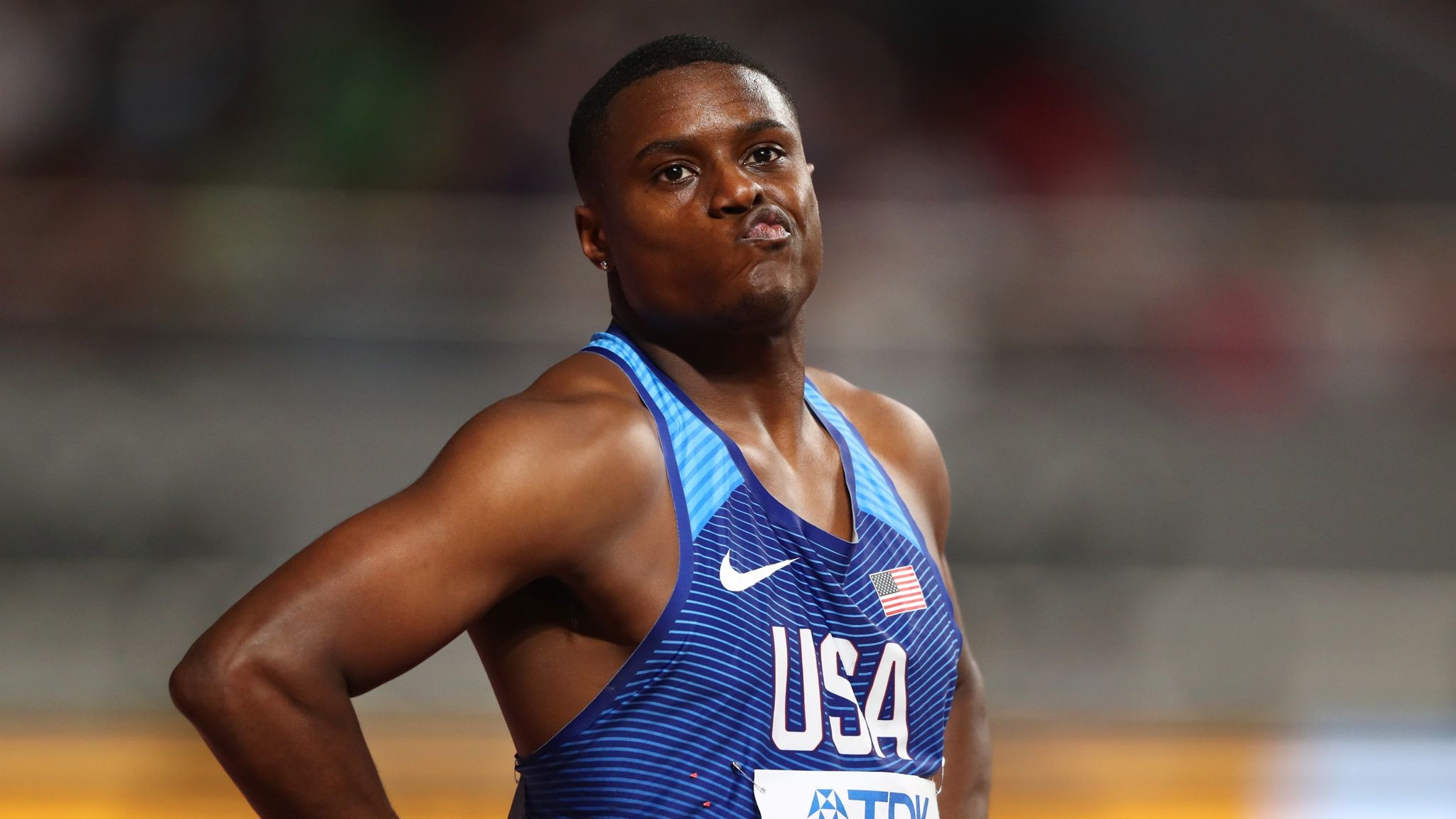
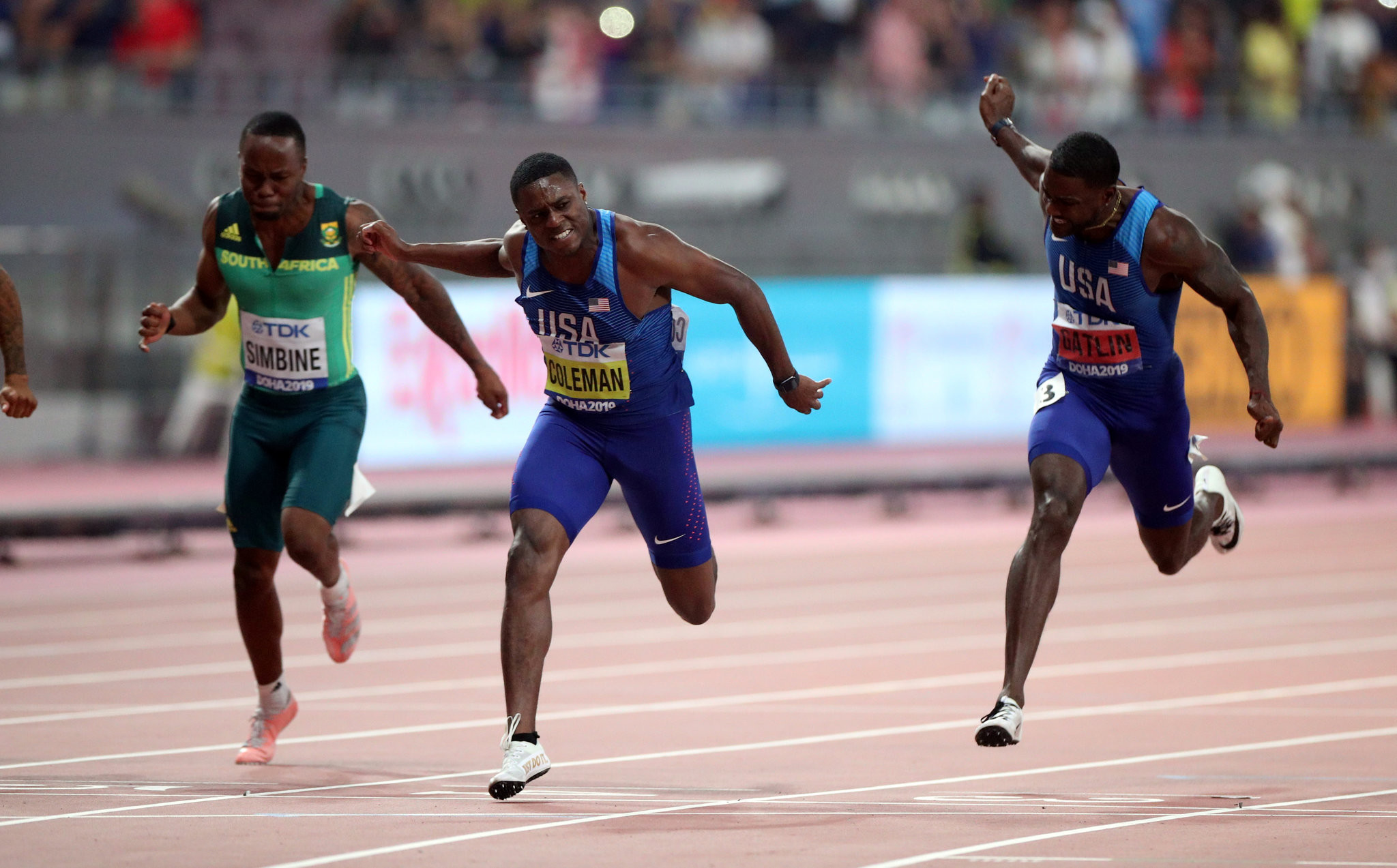
Christian Coleman will miss the Olympic Games in Tokyo next year after the world 100m champion was banned for two years after two missed drugs tests and a filing failure in 2019
Coleman had disputed one of the missed tests, saying he had been out Christmas shopping but had returned during the one-hour window required to be tested. But an athletics disciplinary panel rejected the sprinter’s explanation and banned him until 13 May 2022.
The 24-year-old American earns close to a seven-figure salary from his sponsors at Nike and in July issued a lengthy defence of his actions, saying he was Christmas shopping “five minutes away” and should have been telephoned by testers “who didn’t even bother to call me”.
“I think the attempt on 9 December was a purposeful attempt to get me to miss a test,” he said. “I’ve been contacted by phone literally every other time I’ve been tested – why would the AIU tell him not to call me?”
However, the disciplinary panel ruled that testers were under no obligation to “invite an athlete to come for testing”.
“The athlete’s evidence was that he was out Christmas shopping, though he stated that he arrived home shortly before the end of the one-hour period because he recalled watching the kick-off of the Monday night football game, which starts at 8.15pm.
“His case was that the doping control officer must have left slightly before the end of the 60-minute time slot and he must have just missed him.”
Shopping receipts show that the athlete was shopping at least from 7.13pm, also purchased a Chipotle at 7.53pm and finally purchased 16 items from a Walmart Super Centre at 8.22pm. “The athlete’s evidence was that he returned home briefly some time between 8 and 8.10pm, ate his Chipotle while watching the kick off and then went out again. We do not accept the athlete’s evidence.”
The tester was there at his gated community residence from 7.15pm to 8.15pm, also taking a picture at 8.21pm to confirm the time.
A statement from the Athletics Integrity Unit, posted on social media, said: “The disciplinary panel has upheld the AIU’s charge and banned sprinter Christian Coleman of the USA for two years for three whereabouts failures in 12 months.”
Coleman is yet to comment but has always insisted that he has never used performance-enhancing drugs.
(10/27/20) Views: 75Athletics
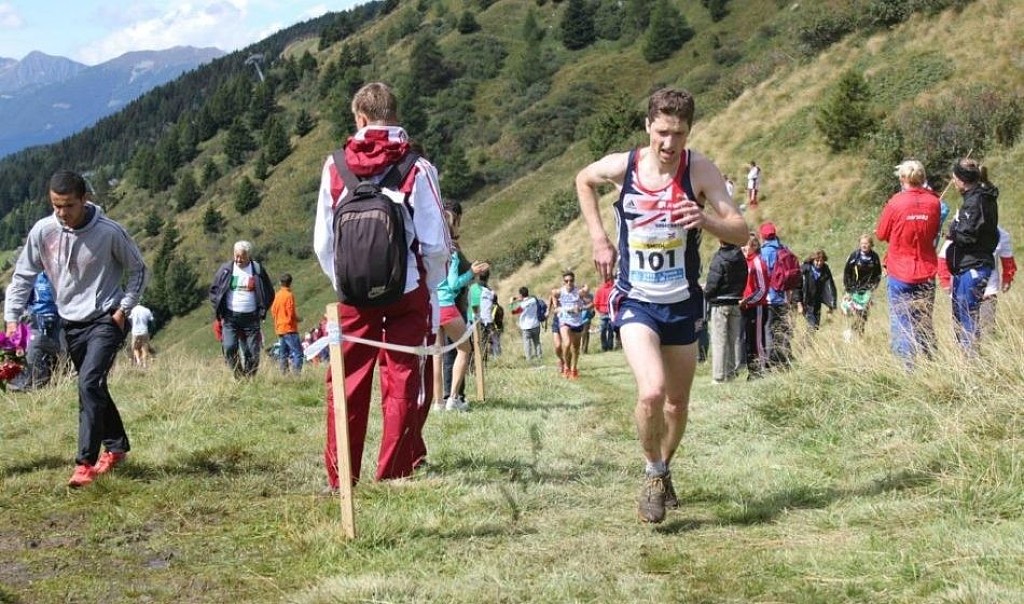
A body was found in search for missing GB mountain runner Chris Smith
The British international athlete was last seen on Tuesday when he left to go running in Perthshire
A body has been found in the search for GB international mountain runner Chris Smith, who went missing while on a run in Perthshire, Scotland, on Tuesday (October 27).
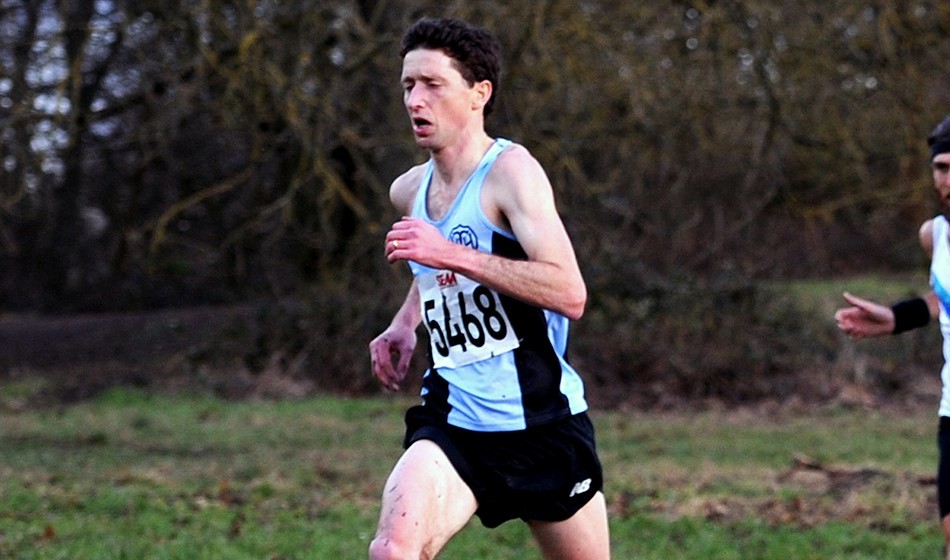
Police Scotland said that formal identification has yet to take place, but the 43-year-old athlete’s family has been informed.
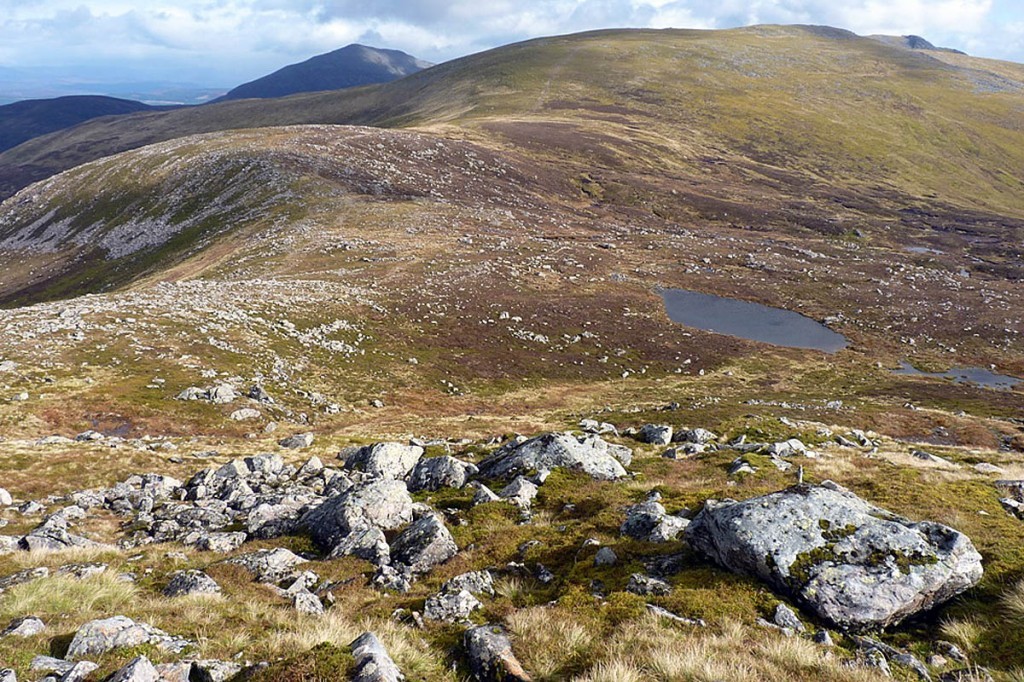
Smith had left from Invervar to run Meall nan Aighean, Carn Mairg, Meall Garbh and Carn Gorm on Tuesday at 3pm but did not return as expected a couple of hours later.
The discovery of a man’s body was made near to Meall Garbh in the Glenlyon area at around 11:50am on Thursday (October 29).
Thames Valley Harrier Smith has raced at multiple world and European mountain running championships, finishing eighth at the European event in 2013 and 10th at the world event in Wales in 2015.
Police Scotland had been working with local mountain rescue teams, with assistance of the Coastguard helicopter, in the search.
“Enquiries remain ongoing and a report will be submitted to the Procurator Fiscal in due course,” a Police Scotland statement added.
On Thursday a fundraising page was created by Smith’s fellow GB international athlete Marc Scott, raising money for Scottish Mountain Rescue.
(10/29/20) Views: 73Athletics Weekly
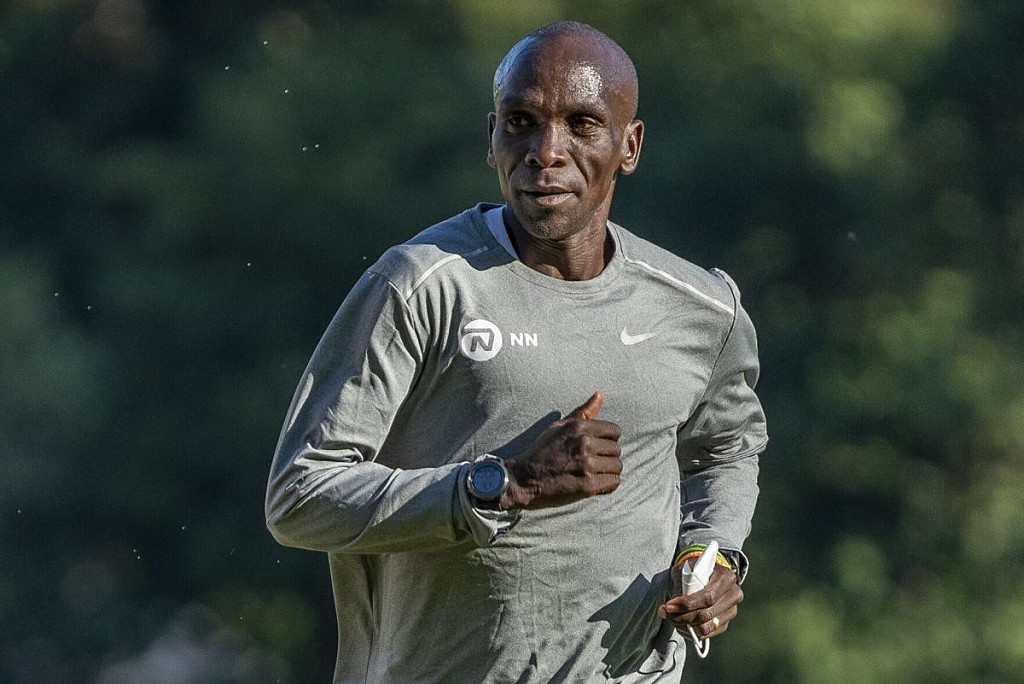
World marathon record holder Eliud Kipchoge says that he will be back in big way
Olympics marathon champion Eliud Kipchoge is still recovering from the London Marathon setback in which he finished eighth on October 4.
“I will take time to recover from the London Marathon loss. I’m healing, I want to move on and focus on the future,” he said on Thursday after touring the Isuzu D-Max Pick-up assembly line in Nairobi.

The world marathon record holder, who had won 10 consecutive marathons since 2014 before this year's London debacle on October 4 in which a blocked ear thwarted his bid for a fifth title, signed a new partnership agreement with Isuzu East Africa that will run until after 2020 Tokyo Olympics that were postponed to next year.
Kipchoge has been the Isuzu D-Max Pick-up ambassador for the last three years.
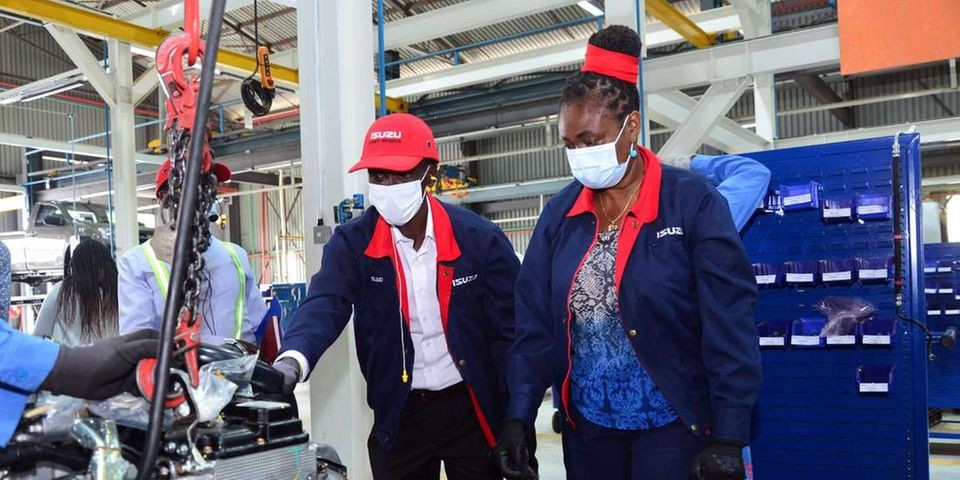
On Thursday, Isuzu East Africa hosted the legendary athlete who affirmed his commitment to making a comeback in the races ahead.
“If you despair, you lose what you have built over many years and miss future opportunities to come back stronger and better. If you train harder and build strength, you go to the track and run another race and rely on the strength you have built to propel you to another victory,” Kipchoge, who turns 36 on November 5, said.
He enjoys the use of a fully serviced luxury automatic Isuzu D-Max Pick-up in addition to two other vehicles that he was awarded for winning the 2018 Berlin Marathon in a world record time of two hours, one minute and 39 seconds, and for running under two-hours at the INEOS 1:59 Challenge in Vienna, Austria last year.
Isuzu East Africa Managing Director Rita Kavashe said that Kipchoge has been a reliable and dependable Isuzu D-Max brand ambassador.
“Through his record setting exploits, he has inspired a lot of people to believe in themselves and pursue their dreams,” she said.
Kipchoge thanked Isuzu for its demonstration of confidence in his capabilities and for supporting his dream.
Under the new deal, Isuzu East Africa will work with the Eliud Kipchoge Foundation to uplift the well-being of community through access to education, sports talent development and environmental conservation.
(10/27/20) Views: 69Geoffrey Anene
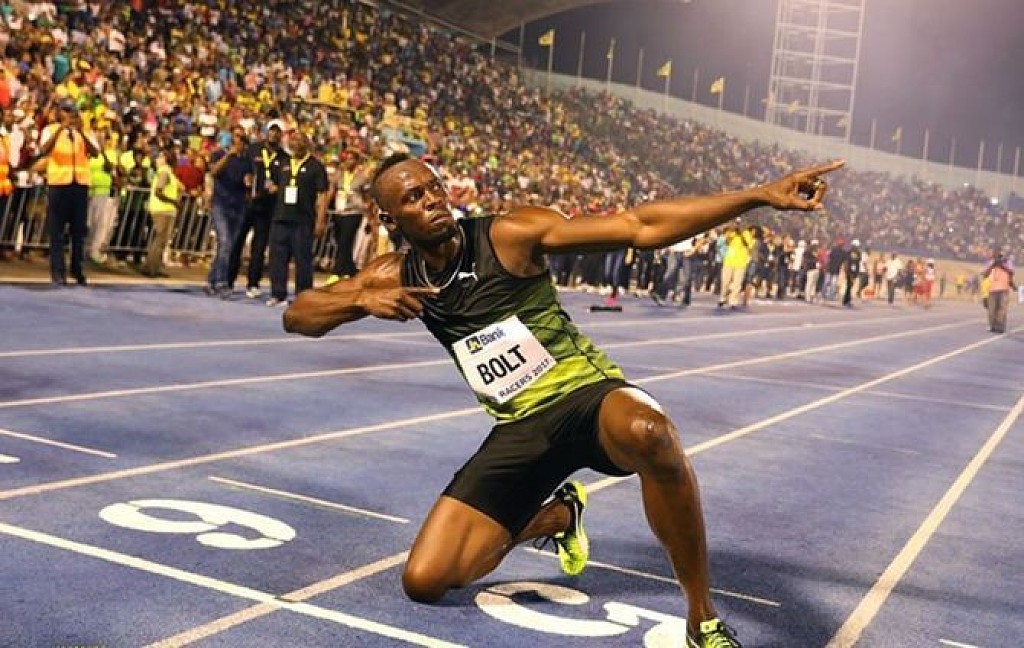
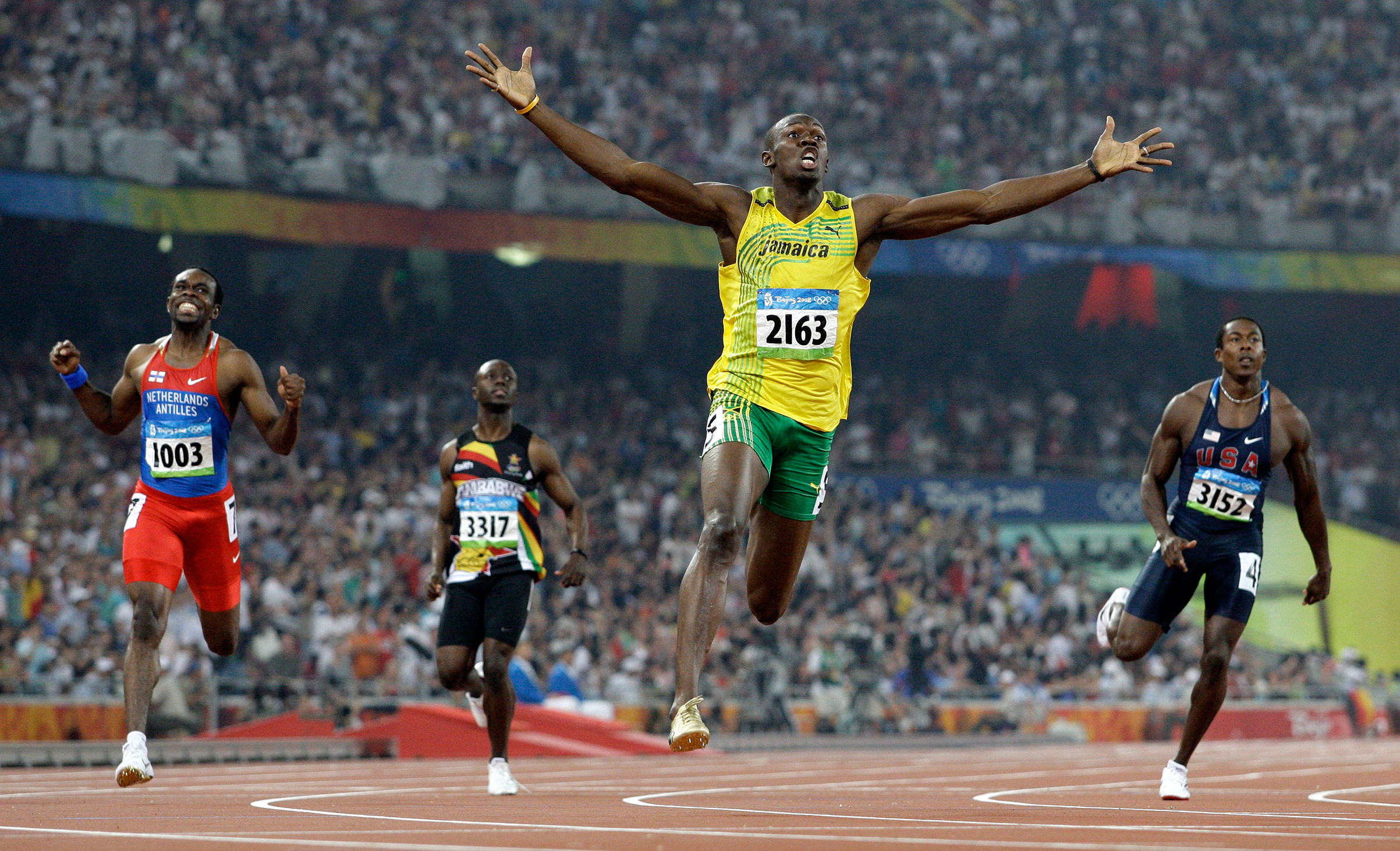
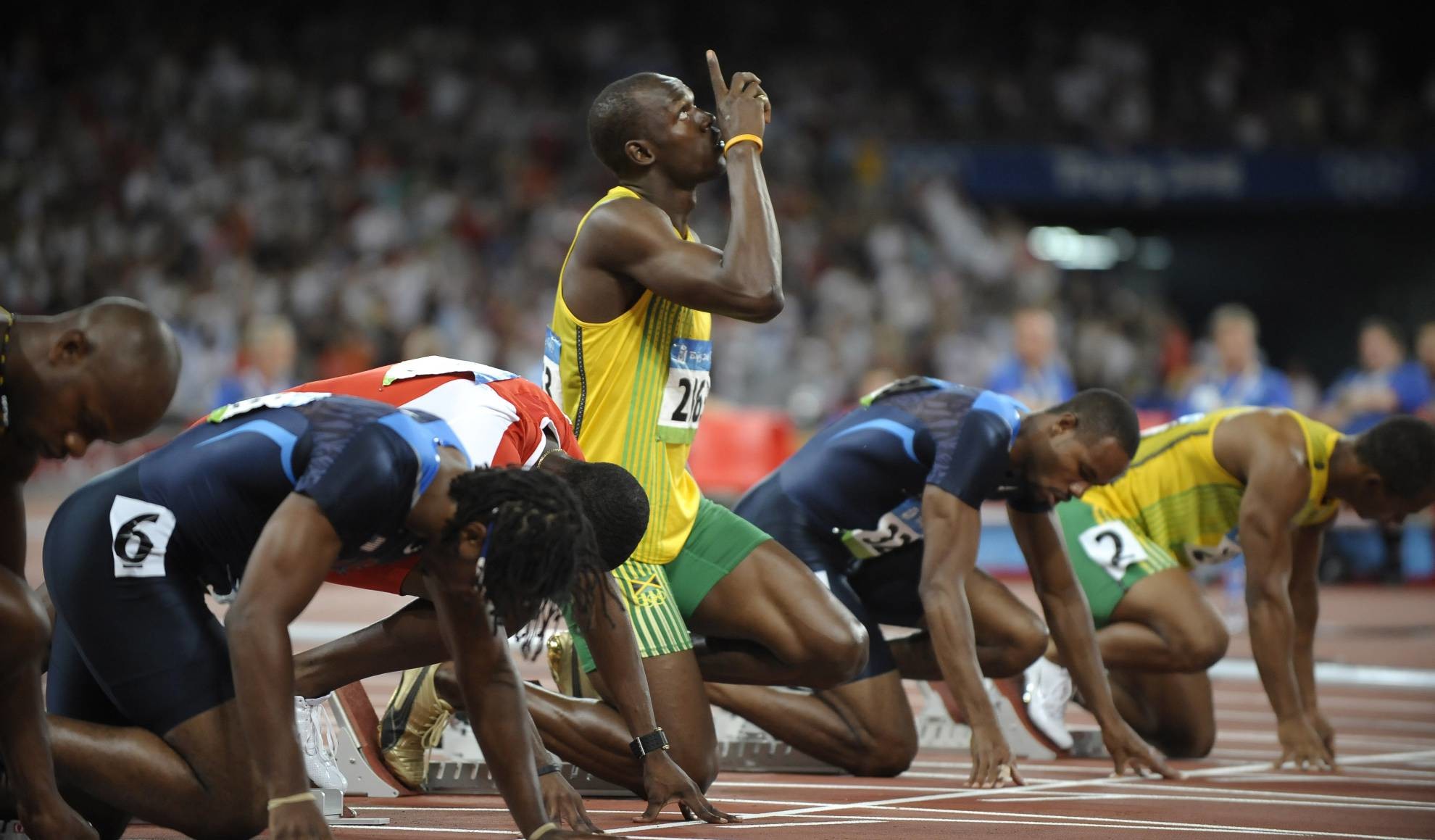
Jamaican Usain Bolt will be honored with statue in his city
The statue of the multi-time Olympic and world champion is scheduled to be erected by the end of the year.
According to a report from the Jamaica Observer, a town in Jamaica has plans to honor Usain Bolt by erecting a statue of him within the next couple of months. The city of Falmouth is in Bolt’s home parish (a term used to describe different regions in Jamaica) of Trelawny, although the multiple Olympic and world championship gold medalist was actually born in Sherwood Content, a small town half an hour south of the soon-to-be site of the statue. Bolt’s fellow Team Jamaica sprinter and Olympic champion Veronica Campbell–Brown — another native of Trelawny Parish — will also be celebrated, with a school set to be named after her.
Honoring the greats
Bolt is the world record-holder in the 100m (9.58 seconds) and 200m (19.19 seconds), a 14-time world championship medalist (11 gold, two silver, one bronze) and eight-time Olympic champion. Like Bolt, Campbell-Brown had an unforgettable career, winning eight Olympic medals (three gold, three silver, two bronze) and 11 world championship medals (three gold, seven silver, one bronze), and she competed at five Olympic Games. These two sprinters are without a doubt a couple of the greatest athletes in their country’s history, and it’s no surprise they’re being honored back home.
Olivia Grange, Jamaica’s minister of sports, youth and culture, told the Observer that Bolt’s statue will be located in Falmouth’s Water Square, near the city’s downtown core, and she explained why the government decided on this instalment. “When we say Trelawny today, we think immediately of the honorable Usain Bolt, who hails from the quiet district of Sherwood Content and who has placed Jamaica on the world stage in a way unlike any other,” Grange said.
The Jamaican minister of sports also touched on Campbell-Brown. “Very soon, Troy Primary [School] will be renamed the Veronica Campbell-Brown Primary School.” Troy is a small town on the southern border of Trelawny.
A rollercoaster year
This year has had its highs and lows for Bolt. In May, he and his partner, Kasi Bennett, became parents for the first time with the birth of their daughter, Olympia Lightning Bolt. Just a couple of months later, Bolt made headlines when he tested positive for COVID-19 after hosting a mask-free birthday party at his home in Jamaica. Many international celebrities and professional athletes reportedly attended Bolt’s party, which didn’t reflect well on the three-time Olympian. Now, two months after his party, his mistake appears to have been forgiven, and he will be honored back home at some point in December.
(10/23/20) Views: 63Ben Snider-McGrath
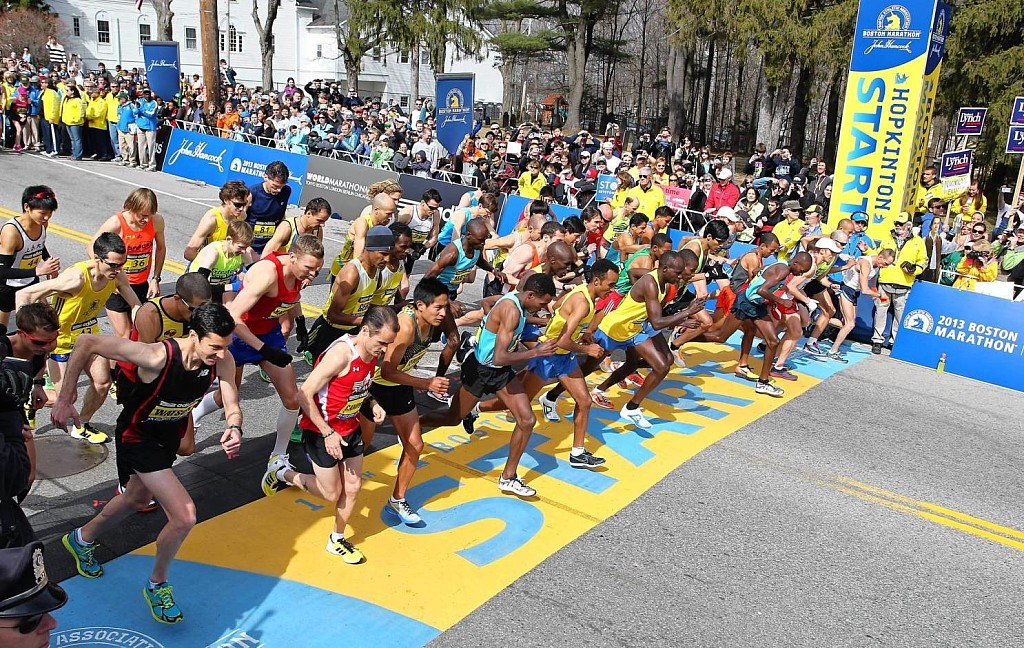
BAA to Decide in the next few weeks whether to hold the 2021 Boston Marathon on its traditional date in April, or whether to again postpone the event until later in the year
The Boston Athletic Association expects to announce in the next few weeks whether to hold the 2021 Boston Marathon on its traditional date in April, or whether to again postpone the event until later in the year, BAA CEO Tom Grilk told the Business Journal on Thursday.
The decision will carry major repercussions for the charities that rely on marathon fundraising. The BAA revealed Thursday that fundraising for the 2020 marathon, which was held virtually last month, declined by 17% year-over-year, to $32.1 million.
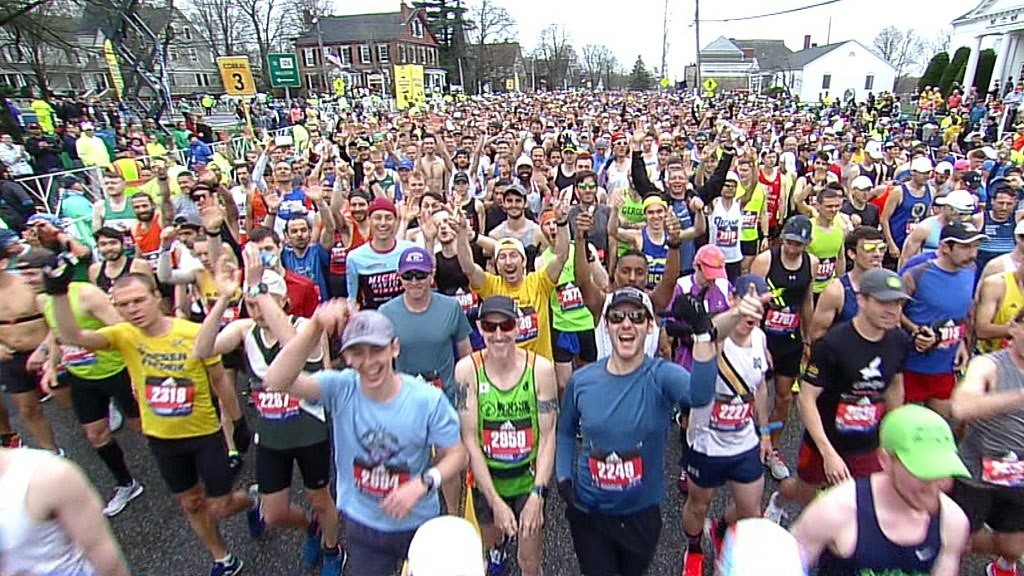
The BAA has postponed registration this year while an advisory group works to determine when and how the event can be held safely in 2021. The group consists of medical experts and public officials.
The decision will carry major repercussions for the charities that rely on marathon fundraising.
(10/24/20) Views: 58Greg Ryan
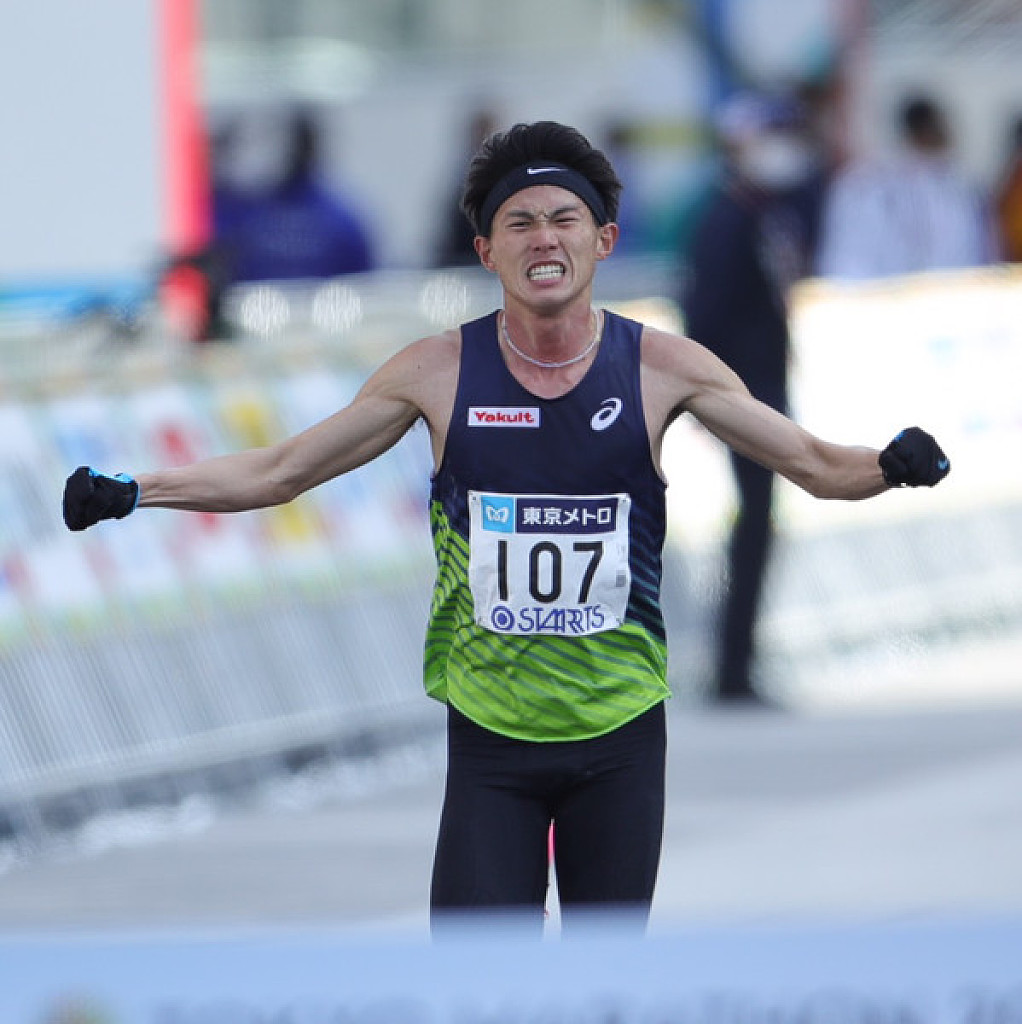
Ryu Takaku, Yuma Hattori and Taku Fujimoto Headline Fukuoka International Marathon
With strict limitations on immigration still a reality in Japan, the Dec. 6 Fukuoka International Marathon has announced an almost entirely domestic field of less than 100 that includes only five Japan-based foreign-born athletes plus an all-Japan-based Kenyan pacing crew led by Bedan Karoki (Toyota).
Not that the field is hurting for quality. Ryu Takaku (Yakult), 2:06:45 in Tokyo this year, 2018 Fukuoka winner and Tokyo Olympics marathon team member Yuma Hattori (Toyota), and Taku Fujimoto (Toyota), a bump up to the 2019 Fukuoka winner's position pending after the subsequent suspension of the Moroccan who crossed the line first for biological passport violations, make up the front end of a field that includes eleven current sub-2:10 men and seven of last year's top ten.
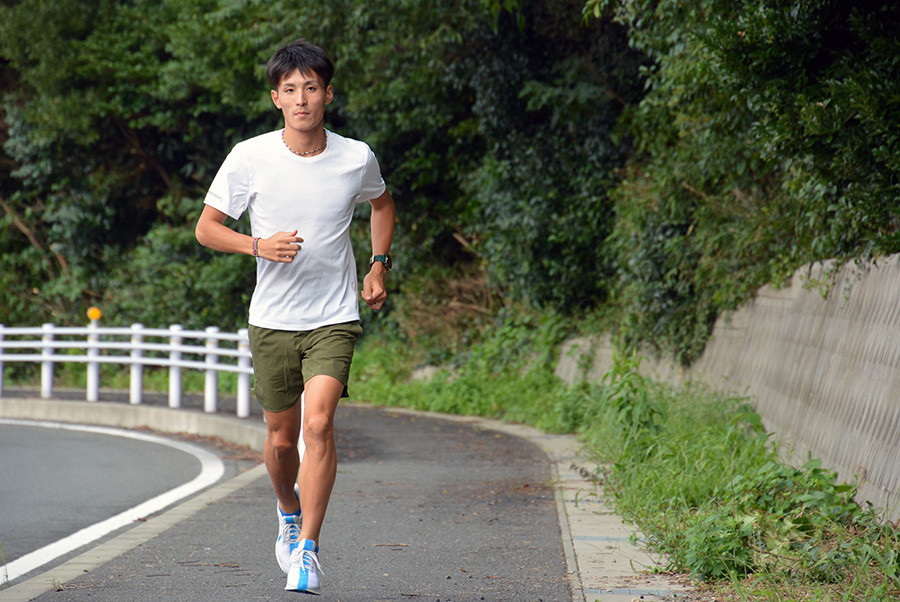
Hattori has said publicly that he'll be going for Suguru Osako's 2:05:29 national record, and with pacing support from teammates Karoki and Fujimoto, his former Toyo University teammate Takaku there with him, and no dirty athletes to effortlessly tear him in half at the end, if the weather is good his chances will be too.

Shizuoka-based Kenyan Michael Githae (Suzuki) is the top international in the field with a best of 2:09:21 from Lake Biwa in 2018, but sub-60 half marathoner Paul Kuira (JR Higashi Nihon) still has potential to improve on his 2:11:58 best, and likewise for former Takushoku University ekiden team captain Derese Workneh (Hiramatsu Byoin). Workneh's teammate Cyrus Kingori (Hiramatsu Byoin) looks promising in his debut with a 1:01:31 for 4th at last year's Gifu Seiryu Half.
One promising name for a breakthrough in the Japanese field is Taiki Suzuki (Raffine), 9th last year in 2:12:09 in his marathon debut. It'll be interesting as well to see if Yuya Yoshida (GMO) can build on his inspiring at-the-time-career-ending 2:08:30 debut at Beppu-Oita this year, and it still feels like Olympic team alternate Shohei Otsuka (Kyudenko) has more waiting in him than his 2:10:12 best from Beppu-Oita two years ago.
Toyo fans will be hoping the same for Keita Shitara (Hitachi Butsuryu), twin brother of former NR holder Yuta Shitara.
(10/26/20) Views: 58Brett Larner
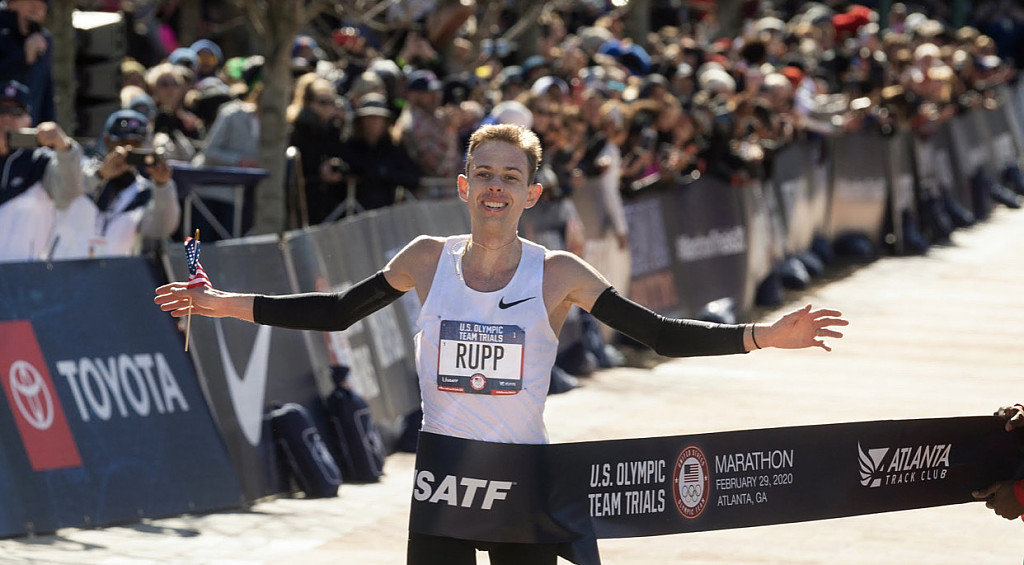
Galen Rupp and Suguru Osako are aiming for a fast half marathon on Friday near Eugene
Olympians Galen Rupp and Suguru Osako have signed on for what is expected to be a blazingly fast half marathon Friday at an undisclosed location in Lane County.
Eugene Marathon has set up the course and ensured it is certified. Organizers are declining to reveal the course’s location or time in deference to the coronavirus pandemic. All participants have been tested for the virus.
Rupp won the men’s race at 2020 U.S. Olympic Marathon Trials last February in Atlanta. The former University of Oregon star is the 2012 Olympic silver medalist in the 10,000 meters and the 2016 Olympic bronze medalist in the marathon. He holds the U.S. record for the 10,000.
Osako is the Japanese record-holder in the marathon, as well as the 3,000 and 5,000 meters.
The two runners are former teammates with the now defunct Nike Oregon Project. Both are based in Portland, although Osako has been training in Flagstaff, Arizona.
“Galen called me maybe a month ago,” said Pete Julian, Osako’s coach. "He asked if Suguru would be interested in throwing down somewhere in Oregon in this time frame.
“I was like, ‘Galen, you called at the perfect time. That’s exactly what we want to do.'”
Rupp has not raced since winning in Atlanta. Osako was active with Julian’s group in track races over the summer. He had begun training for December’s Honolulu Marathon before that was canceled because of the coronavirus pandemic.
“I think they’re pretty lined up,” Julian said of the two runners. “Galen hasn’t raced in a long time. But he is old enough and wise enough now that if he says wants to run a good, hard, fast half marathon, you have to believe he is ready to go. I know Suguru is ready to go. It will be cool.”
The course is said to be flat. And if the race is fast, well, the U.S. record for a half marathon of 59 minutes, 43 seconds has been held by Ryan Hall since 2007. The Japanese half-marathon record is of 1:00.00 was set earlier this year by Yusuke Ogura.
Julian wouldn’t call Friday’s race a record attempt.
“Hey, man, 13.1 miles is a long way to go,” Julian said. “It’s almost foolish to say we’re targeting something because I know nothing about the course. My assumption is if the weather is nice, it’s warm enough and it’s not windy, and you have two guys like that, running around an hour for a half marathon is certainly within their capabilities.”
Eugene Marathon will be posting more details on its Twitter and Instagram accounts as the race nears. On Friday, organizers will use those platforms to provide updates on the progress of the competition.
(10/28/20) Views: 50Ken Goe

Creating the bubble, cutting-edge technology, flexible thinking – how the 2020 Virgin Money London Marathon is the the only major city marathon to take place since the Covid-19 pandemic struck
The 2020 Virgin Money London Marathon on Sunday 4 October was the first major marathon in the world to take place since the Covid-19 pandemic changed the sporting landscape. It was also the first truly global sporting event in the UK to take place in a non-stadium or venue setting since the country went into lockdown in March. How was it done?
An autumn London Marathon for the first time
The 2020 Virgin Money London Marathon was due to be held on Sunday 26 April – that now seems a lifetime ago. As the Covid-19 epidemic turned into a global pandemic, London Marathon Events announced on Friday 13 March that the event had been postponed to Sunday 4 October, the first time ever the London Marathon would be held in the autumn.

The postponement was announced at a time when hundreds of events across the UK were being cancelled. However, London Marathon Events, unlike virtually all other organisers, was able to announce a new date thanks to the strong relationships and huge support for the world’s greatest marathon and biggest one day annual fundraising event from a multitude of stakeholders and partners.
Speaking immediately after communicating the news to all runners who had signed up to run in the 2020 race, Hugh Brasher, Event Director of the Virgin Money London Marathon, said: “We are extremely grateful for all the support we have received from City Hall, the London boroughs of Greenwich, Lewisham, Southwark, Tower Hamlets, the City of Westminster and the City of London, Transport for London, the emergency services, The Royal Parks, BBC TV and many others as we worked to find an alternative date.”
Only certainty is uncertainty
When the 4 October date was announced on Friday 13 March, the hope and expectation of Brasher and his team was the event would run in its usual format in 2020, just six months later. But the true scale of the pandemic was only just beginning to emerge. Just 10 days after the postponement announcement, the UK went into a full lockdown. As the country remained in lockdown throughout spring and into early summer, the London Marathon Events team were looking at all options to deliver one of Britain’s flagship sporting events while others fell by the wayside, seemingly on an almost weekly basis.
Brasher spoke to reporters ahead of what would have been the date of the 2020 Virgin Money London Marathon on Sunday 26 April and said: “The flame is still burning. And is there hope? Absolutely. But you have to do what’s right for society. You usually have 750,000 people out in central London watching 45,000 runners. Then there’s the medics, the 6,000 volunteers and the transport system. There’s so much to take into account when making any decision.”
London Marathon Events committed to making a final decision on the 2020 event by August and staff continued to work on a range of scenarios as the landscape changed on an almost weekly basis. Scenarios ranged from holding a socially-distanced mass event to an elite-only race. As Brasher said continuously to his team, ‘the only certainty is uncertainty and we have to remain agile’.
Elite race confirmed
A final decision had to be made.
The overall picture in the UK during July and going into August, though improving, did not indicate that an event involving 40,000 people running through the streets of London in October would be possible. Sport had returned but was taking place behind closed doors. Restrictions were lifting gradually but local lockdowns were being implemented and there was a growing sense that once autumn and winter arrived, cases would again be on the rise.
London Marathon Events had been working on plans to deliver a socially distanced mass participation event – either a run or a walk – and were looking to use new technology which would monitor the distance participants were from one another throughout their run (this planning did not go to waste as it would be used for the elite event, more of which later).
Ultimately, however, the challenge of managing spectators, ensuring the emergency services had access across London, the increased likelihood of a second spike and the ongoing concern about the pressure on the NHS, ensured a final decision was made that there could be no mass-participation event on the streets of London.
Instead, the 2020 Virgin Money London Marathon would have an entirely new format for 2021: elite races only on a closed-loop circuit in central London and a virtual race for 45,000 people who were encouraged to run the 2020 Virgin Money London Marathon – Your Way, the first virtual event in the 40 year history of the London Marathon.
Build it and they will come
When athletes’ agents were first contacted to ask if their runners would be interested in coming to London, the response was unequivocal: if London Marathon Events could build it then the world’s best would come – it was now down to Brasher’s team to hold up their end of the bargain.
How do you put on an elite race for more than 100 of the best marathon athletes on the planet in a safe, secure environment? That would be a challenge given 12 months of planning but for London Marathon Events, the total preparation time amounted to about eight weeks.
The first priority was confirming a course. All other sports that had returned to action during the course of the summer of 2020 had done so in either a stadium (think football and cricket) or in a secure venue such as Silverstone in the case of F1. There had been no organisation that had tried to close down public roads to create an event.
The team’s solution was to create a venue that could be contained and prevent general public access. The organisation has a long-standing and strong relationship with The Royal Parks, the Mayor of London’s Office and Westminster City Council and their support meant the first choice of course could go ahead: the event to be held on a closed-loop circuit around St James’s Park in central London which would ensure the iconic finish on The Mall would remain in the same place as it has done for the past 27 years.
A constant dialogue with the Department for Digital, Culture, Media and Sport (DCMS) ensured that the Government gave its blessing to the plans and granted the necessary permissions for athlete travel. With the green light given, a 19.7 lap closed-loop circuit was created which followed the perimeter of St James’s Park, starting and finishing on The Mall. Screened barriers were to be erected on either side of the course to deter people from coming to watch on the day and, in effect, a venue had been created in the heart of London.
The London Marathon Events team was also able to build on invaluable experience from 12 months earlier as an integral part of the delivery team that put on the INEOS 1.59 Challenge, Eliud Kipchoge’s historic sub two hour marathon which took place on a closed loop circuit in Vienna. For that event, the team had carried out detailed research on putting a marathon on a looped course and, furthermore, when searching for a course for the INEOS 1.59 Challenge, had explored the the possibility of staging the challenge on the St James’s Park loop.
Creating a biosecure bubble
Securing a course and a world-class line up in four races (elite men, elite women and men’s and women’s wheelchair) was the relatively easy part – or at least areas of great expertise for the London Marathon Events team. However the team had no previous experience in putting on an event in a Covid-19 world but they learnt fast.
To make the race completely safe and secure for athletes and all staff, the team created a biosecure bubble around the event. Information on the best way to do this was garnered from other sports which had returned to action, as well as from medical and security experts and Government advisors from DCMS.
The biosecure bubble would be created from the moment the elite athletes arrived in the country to the moment they left the UK after the race. In total it amounted to a nine-day window from Sunday 28 September to Monday 5 October.
The first challenge was finding a location where elite marathon athletes could stay for the week leading up to the race. A checklist was drawn up for what was needed: exclusive use of a hotel, within an hour’s travelling distance from the course, grounds large enough for athletes to train in, big enough to create socially distanced eating and relaxation areas, the ability to hold remote press conferences…the list was exhaustive.
Eventually a hotel was found about 60 minutes outside central London. Its identity was kept secret to prevent anyone from turning up to see athletes. Hotel staff were booked in for the full eight days to ensure they were in the bubble and security was booked to man the site 24/7.
Race sponsor Abbott, a life-changing tech company and global diagnostics leader, provided the critically important Covid-19 testing for the elite athletes, staff and everyone else working in the biosecure bubble.
All elite athletes, their coaches and support staff had to undertake a Covid-19 test in their country of origin before flying into London, Anyone who failed a test could not travel. In addition, every single person that went into the hotel from the UK had to return a negative Covid-19 test four days prior to arrival. Everyone was tested again the day they arrived at the hotel and again on Friday 2 October. Absolutely nothing was left to chance.
Of all the athletes and support staff invited to London, only two people, both from Ethiopia, had positive Covid-19 tests prior to travel. Degitu Azimeraw, the 2019 Amsterdam Marathon champion, and Haji Adillio, the coach to the eventual men’s champion Shura Kitata, were the unfortunate pair prevented from travelling. Adillio had been away from home and only in contact by telephone with his athletes for the 10 days prior to the travel window, meaning his athletes could still travel.
Another headache for the London Marathon team was getting the athletes from their countries to London in a safe environment. The majority of the international athletes were coming from East Africa, either Kenya or Ethiopia, so to mitigate against the risk of small groups travelling on different scheduled flights to the UK, a charter flight was booked for all of the East Africans. The plane, containing world record holders Eliud Kipchoge and Brigid Kosgei, made stops in Eldoret, Kenya, and Addis Ababa, Ethiopia, before heading to London.
Elsewhere around the world, athletes were boarding planes in the likes of Chicago, Melbourne and Amsterdam on their way to London.
On arrival at the hotel, every athlete and support staff member was tested again by the Abbott team and all tested negative. Everyone resident in the bubble was then tested again on Friday 2 October, two days before race day, for a final time. Given all the hard work and effort that had been put in by the organisers to this point, awaiting the final test results was undoubtedly the nerviest time in the entire event.
Extra reinforcement with cutting-edge Bump technology
Though the Friday testing was an anxious time for all, London Marathon staff were reassured by the knowledge that they had done everything in their power to ensure all those in the hotel were Covid free, including introducing new technology to implement social distancing.
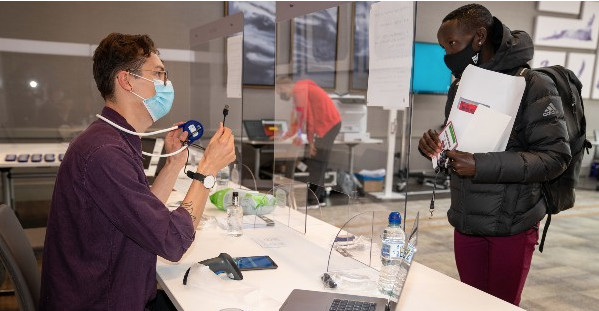
The Bump devices, created by Tharsus, were worn by all elite athletes and 500 members of the Virgin Money London Marathon’s operational team both in the athlete hotel and at the venue to help maintain the biosecure bubble for the event.
The Bump devices were attached to a lanyard and worn around the neck like a medal. Bump helped inform effective social-distancing behaviour by using sophisticated Radio Frequency technology to create a 'Personal Motion System' that immediately alerts wearers when they are getting too close to another person. Going within two metres of someone prompted a blue flashing light and within 1.2 metres a red flashing light and loud beeping noise.
Data was downloaded daily which allowed organisers to accurately monitor how often and how long elite athletes and event staff spent in close proximity to each other. If anyone in the bubble tested positive for Covid-19 either during the event or during the two weeks following the event, organisers would be able to trace interactions back to specific wearers and inform them accordingly.
These Bump devices were part of the new normal in the elite athlete hotel as the best marathoners in the world got used to the flashing warning lights and sounds should they get too close to another person.
Away from the hotel, the Bumps were worn by all staff working on the build of the event site in the run-up to and on race day itself as the team prepared to build a venue on the Queen’s front garden befitting The 40th Race in London Marathon history.
Race Day
A quick glance at the BBC television pictures on race day morning and you would have been forgiven for thinking that though it might have been six months later, it looked like the same old London Marathon – with the familiar iconic finish on The Mall. But the reality was very different. Just like the work that went into delivering the hotel bubble, every last intricate detail of Race Day was planned to ensure the bubble, which would travel from hotel to the venue, would remain secure.
From the individual areas (including personal toilets!) provided for each athlete to the socially-distanced media interviews post-race, nothing was overlooked.
The halt to trials of bringing fans back to sport in September extinguished any hope that some spectators would be allowed into the venue which meant staff were brought in to patrol the interior and exterior perimeters of the route – though the awful weather on the day did mean most people were content to watch it in the warmth of their homes.
A very limited number of media was allowed into the venue with London Marathon Events creating their own content service which pushed out interviews and B-roll footage throughout the day. This followed the virtual press conferences held during race week and the daily updates of life inside the bubble in video and photographic form which were produced every day from the athletes’ hotel and made available for free to all media.
The only lack of social distancing that took place for the whole week was when the racing started but women’s world record holder Brigid Kosgei is used to running solo and she proved again that she is streets ahead of the opposition to win the first race of the day, in heavy rain and wind. However Kosgei was the only favourite to come out on top in a year where the unexpected really should have been expected.
Men’s world record holder, sub-two hour marathon man and four-time champion Eliud Kipchoge (Kenya) dramatically surrendered his title with Ethiopia’s Shura Kitata triumphing while both Brent Lakatos (Canada) and Nikita den Boer (Netherlands) overturned the form books to win the wheelchair races.
For all the winners, their moments of triumph will be memories they will never forget. But even in the instant triumph of winning the greatest marathon in the world, they were reminded this is 2020 and nothing is as it was. Bumps were returned, celebratory pictures and media interviews were held with social distancing prioritised and the never-to-be-forgotten moment of standing on top of the podium in front of Buckingham Palace, posing for pictures was done while wearing a face mask – an image that will forever capture the London Marathon in 2020.
While Kipchoge – the greatest marathon runner in history - was not on the podium himself this time, he summed up the feelings of all the athletes that had taken part when he said: “I want to thank the organisation of the London Marathon for going the extra mile to make the event possible. It shows what’s possible and gives hope other organisations can incorporate their plans to make sports possible in current times.”
Long after Kipchoge and the other elites had left The Mall, darkness had descended and London Marathon staff were in a race against time to deconstruct the venue they had built for this historic occasion.
In the murky October gloom, hundreds of staff worked in the rain and wind to take down in a matter of hours what had been months in the planning. Amid the usual flurry of work seen while de-rigging a site, there was one recurring and very 2020 sight and sound: the flashing lights and warning beeps of the Bump technology that ensured everyone, to the very end, did all they could to protect one another in a year and an event like no other.
That was The 40th Race.
(10/24/20) Views: 47
Toth triumphs in Dudince, Fujita breaks through in Osaka
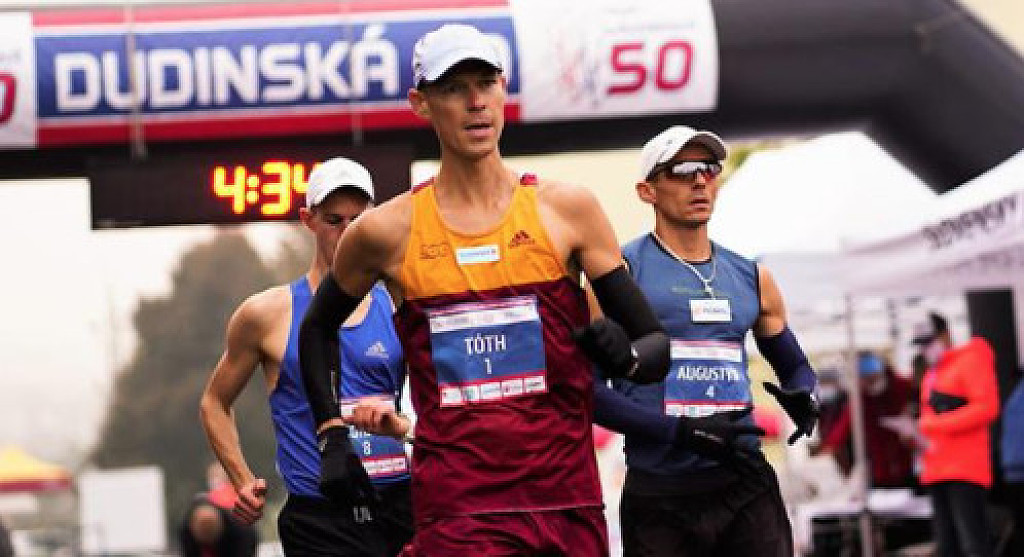
Matej Toth became the first four-time winner of the 50km race walk at the Dudince Fifty, clocking a world-leading 3:41:15 on Saturday (24).
Not only was it the first 50km race he has completed since the 2018 European Championships, it was also Toth’s fastest time since winning the Olympic title in Rio more than four years ago.

The 37-year-old led from the outset and covered the first five kilometres in 22:30, by which point he already had a 10-second lead over Germany’s Karl Junghannss. Toth slightly increased his pace and by 10km, reached in 44:52, his lead had almost doubled.
Toth passed through 20km in 1:29:26 with Junghannss still in second place with a comfortable lead over three-time Dudince winner Rafal Augustyn and Ecuador’s Andres Chocho. By the time Toth reached 37 kilometres in 2:44:10, his lead had grown to exactly one minute.
The 2015 world champion managed to turn the screw even tighter over the final 13 kilometres and upped his pace to extend his lead. Junghannss, meanwhile, started to fade in the final 10 kilometres and was eventually caught by Augustyn after three-and-a-half hours of racing. Cocho later passed a tiring Junghannss with just a mile to go.
Out in front, though, there was no catching Toth, who delighted his home supporters by winning in 3:41:15 – the fastest time in Dudince since he himself set a competition record of 3:34:38 in 2015.
Augustyn was second in 3:47:42 and Chocho placed third in 3:48:57. Junghannss held on for fourth place and was rewarded with an Olympic qualifying time of 3:49:45.
“We planned for this pace and it all worked well,” said Toth, who also won the 50km in Dudince in 2011, 2015 and 2018. “I felt great. I wanted to start conservatively and then increase the pace and it worked out exactly that way. I am, of course, very satisfied not only with the fact that I achieved the Olympic standard but mainly with qualify of my performance. It gives me confidence that I can compete with the best next year at the Olympic Games when I defend my title.”
Polish record-holder Agnieska Ellward, winner in the Slovak town three years ago, regained her Dudince 50 title in 4:38:44, having overtaken compatriot Antonina Lorek at 34 kilometres.
Fujita smashes PB in Osaka
Keitaro Fujita moved up several places on the Japanese all-time list after sailing over 2.28m in the men’s high jump at the Michitaka Kinami Memorial, a World Athletics Continental Tour Bronze meeting, in Osaka on Saturday (24).
The 23-year-old, winner of the 2016 Asian junior title, had competed sparingly in 2020 but had been improving with each outing. In Osaka he cleared his opening heights on his first attempt but then briefly surrendered his lead at 2.22m, needing two attempts to clear it while Japanese champion Tomohiro Shinno got over it on his first try.
Shinno, however, failed at the next height, 2.25m, while Fujita cleared it on his first attempt, equalling the PB he had set next year.
Shinno passed straight to 2.28m but failed to get over it with his two final tries. Fujita, meanwhile, succeeded on his third and final attempt. He went on to have three goes at 2.31m and was unsuccessful, but he was happy with his winning performance and victory over the country’s top high jumper of the year.
Japanese champion and Olympic finalist Ryohei Arai produced a season’s best of 81.73m in the final round of the men’s javelin to defeat Takuto Kominami.
The pair exchanged the lead in the first three rounds with Arai holding a slender lead at the half-way point with 76.64m. With his final throw of the competition, Kominami launched a season’s best of 78.93m to take back the lead. But Arai did likewise just minutes later, sending his spear out to a winning effort of 81.73m.
The women’s event was even more competitive as four different women shared the lead throughout the competition.
Momone Ueda opened with 58.15m, just 10 centimetres shy of her recent PB, to take an early lead and she backed it up with three more throws just shy of 58 metres. National record-holder Haruka Kitaguchi edged in front in round four, throwing 58.36m, while Mikako Yamashita (58.04m in round three) and Yuka Sato (58.08m in round four) joined the 58-metre party.
Sato crept into second place in the penultimate round, throwing 58.19m, and then improved further in the final round to move into first place with 60.69m. Yamashita also improved in the final round, throwing 59.07m to move from fourth to second place.
(10/24/20) Views: 44World Athletics
