

Running News Daily
Top Ten Stories of the Week
6/27/2020
These are the top ten stories based on views over the last week.



The Science Behind Why We Procrastinate—and How to Stop the Cycle
From making a doctor’s appointment to doing speedwork, new research digs into the reason we put things off.
Procrastination is—unfortunately—a part of life, from putting off a speed workout to making a doctor’s appointment. Now, new research explains why we do it.

Reframing your responsibilities in a positive way can help prevent against procrastinating in the first place.
You know you have to do that speed workout to hit your goals, or turn in that work project before Friday, or make that dentist appointment they keep reminding you about. And yet, you don’t.
Procrastination is something all humans do—there’s a reason post offices are open until midnight on tax filing day—but why do we drag our feet even on seemingly easy tasks? A recent study published in the Journal of Consumer Psychology suggests it all has to do with how we blend anticipation, excitement, and dread.
In an experiment, researchers asked 171 participants to eat jelly beans that ranged in flavor from delicious to disgusting—some tasted like orange sherbet and watermelon, but others like dirt or rotten eggs. People tended to feel impatient and excited about eating the good-tasting ones, and not only dreaded the awful ones, but also disliked the feeling of having to wait to eat them.
Not surprisingly, this shows that people want to have good things now and delay bad things, and it’s the anticipation of both positive and negative tasks that drive our behavior, according to study coauthor David Hardisty, Ph.D., assistant professor in the marketing and behavioral science division of the University of British Columbia’s Sauder School of Business.
For example, he told Runner’s World, if you ask people when they want to receive $50 now or in a month, everyone will choose now. But if you ask when they would rather pay $50 for a bill, half of people would rather pay later.
“This happens partly because the anticipation of positive versus negative events is asymmetric,” he said. “When we imagine future positive things, we both enjoy imagining it and feel impatient. But when we imagine future negative things, we just hate thinking about them.”
How do you break this cycle, especially for those running and cross-training goals you want to crush? It’s all about reframing how you think about it, according to Hardisty.
“If you are thinking about a run or workout as a positive thing, you’ll want to do it now, because you’ll feel impatient—in a good way—and you’ll savor it,” he said. “If you think of it as a negative thing, you may put it off until later, or do it now to ‘get it over with.’”
In other words, seeing your task as negative means you’re only 50/50 about doing it, but reframing it as a positive pops you up to almost 100 percent likelihood of getting it started and completed.
Changing the language of how you think about negative tasks can help. Instead of “having to” do speed work, for example, remind yourself that you “get to” do it. The brain responds to this type of subtle messaging tweak.
Cultivating this sense of anticipation can create a feeling of excitement that will also make you savor what you’re doing, he added. Let’s face it, this technique may not help with tax prep, but it could be a boost when you’re trying to hit one of your running goals.
(06/23/20) Views: 150Runner’s World
The 2020 New York City Marathon Cancelled Over Coronavirus Concerns
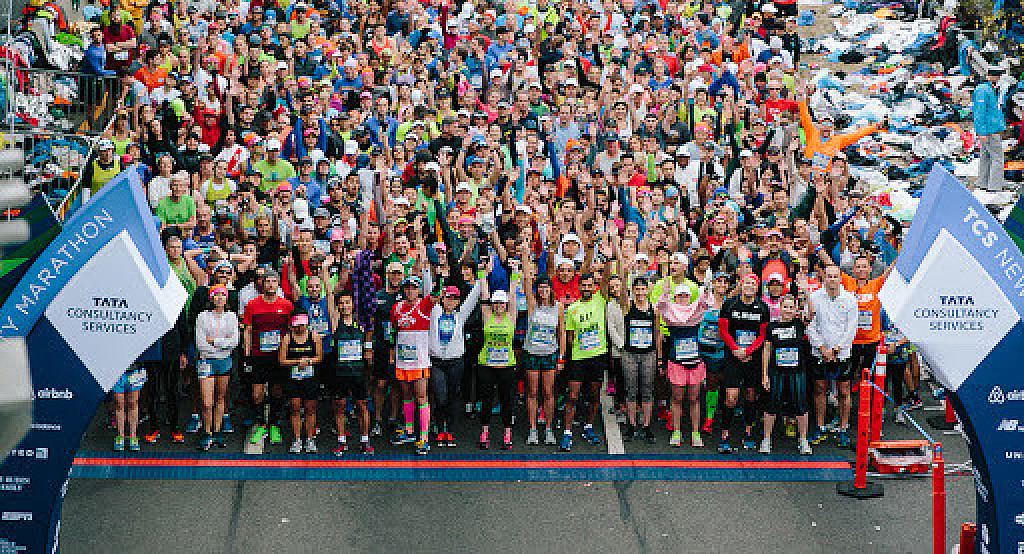
The New York City Marathon, the world’s largest marathon and one of the city’s biggest annual spectacles, has been canceled this year as concerns about the spread of the coronavirus continue to dash hopes of holding large-scale events, organizers announced Wednesday.
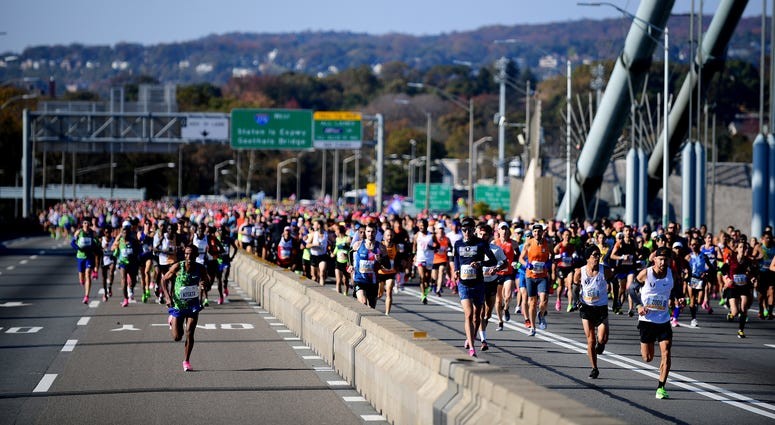
The race, one of the most prestigious and lucrative events of its kind, would have celebrated its 50th anniversary in November. It is one of the highlights of fall in New York and on the endurance sports calendar, attracting more than 50,000 runners, 10,000 volunteers and roughly one million fans, who line nearly every accessible yard of the 26.2-mile course through the five boroughs.
City officials and New York Road Runners, which owns and organizes the event, decided holding the race would be too risky. Public health experts have said mass events, especially those that bring people together from across the globe, will remain a danger until a treatment or a vaccine for Covid-19, the disease caused by the virus, is widely available.
White House officials have issued warnings about another wave of infections this fall. And while infection rates in the New York metropolitan area are now among the lowest in the country, the virus is spreading at concerning rates in areas that have not heeded the advice of public health officials to continue to practice social distancing, avoid public gatherings and wear masks. Cases were rising in 26 states on Tuesday night.
Following those guidelines while holding a major race is simply impossible, leaving the endurance sports business economically devastated this year.
Michael Capiraso, the chief executive of New York Road Runners, said he and other organizers had held out hope that the race could happen. They decided to cancel before having to spend more money to organize it.
“There was hope but that turned to uncertainty, and given what we have seen the past months this was really the only decision,” Capiraso said.
Runners who had signed up for this year’s race will be able to choose to receive a refund or to defer their entry to the race during the next three years. They will also have the option to run the race virtually. Organizers said they would announce details of the virtual event in July.
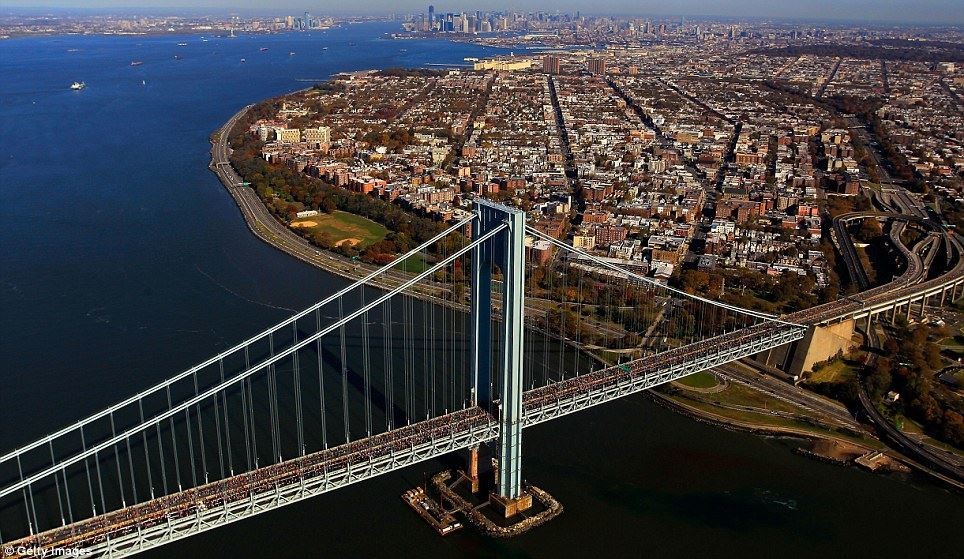
In the New York marathon, the runners and thousands of volunteers are transported to a starting line village at Fort Wadsworth on Staten Island, where they huddle and wait for hours to be called to the start at the foot of the Verrazzano-Narrows Bridge. The runners then cram into a series of starting corrals while they wait for a cannon sound to signal the start of the race.
(06/24/20) Views: 101Matthew Futterman
A message from the race director of the London Marathon Hugh Brasher
I am sure earlier this week you will have seen the news that the Great North Run was sadly, but understandably, cancelled.
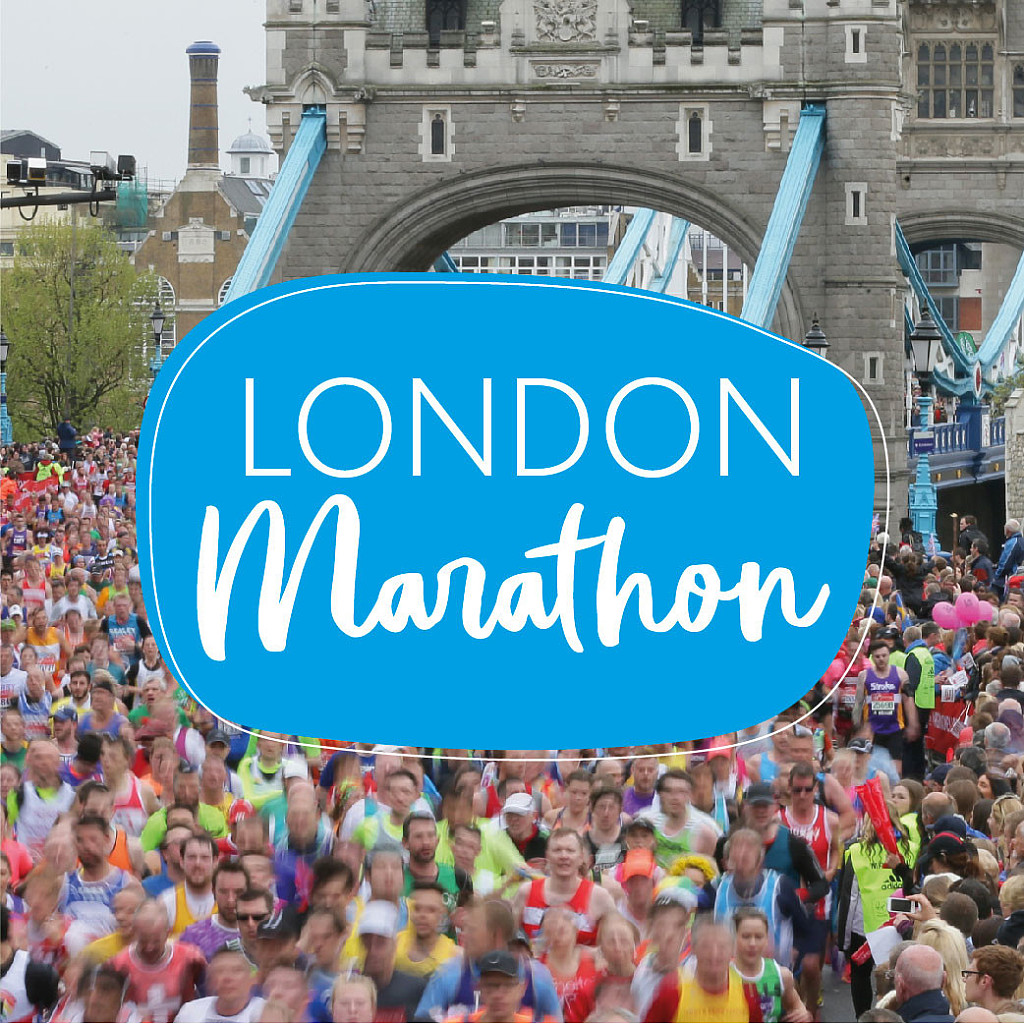
There has been much speculation that this means the 2020 Virgin Money London Marathon will also be cancelled. However, it doesn’t.
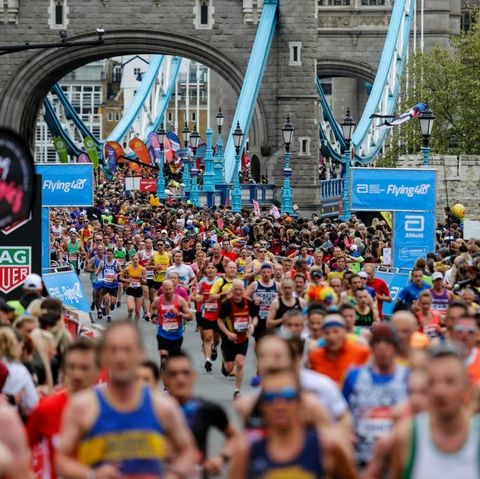
All road races have unique challenges. These might be transporting people to the start; transporting them from the finish; the density of runners on the course; the density and movement of spectators; providing runners with appropriate medical care and facilities such as loos and drinks; dealing with the logistics of road closures and reopenings – the challenges are always different for every race.
The team at London Marathon Events has been looking at the logistics of the Virgin Money London Marathon and coming up with innovative ways to socially distance the event.
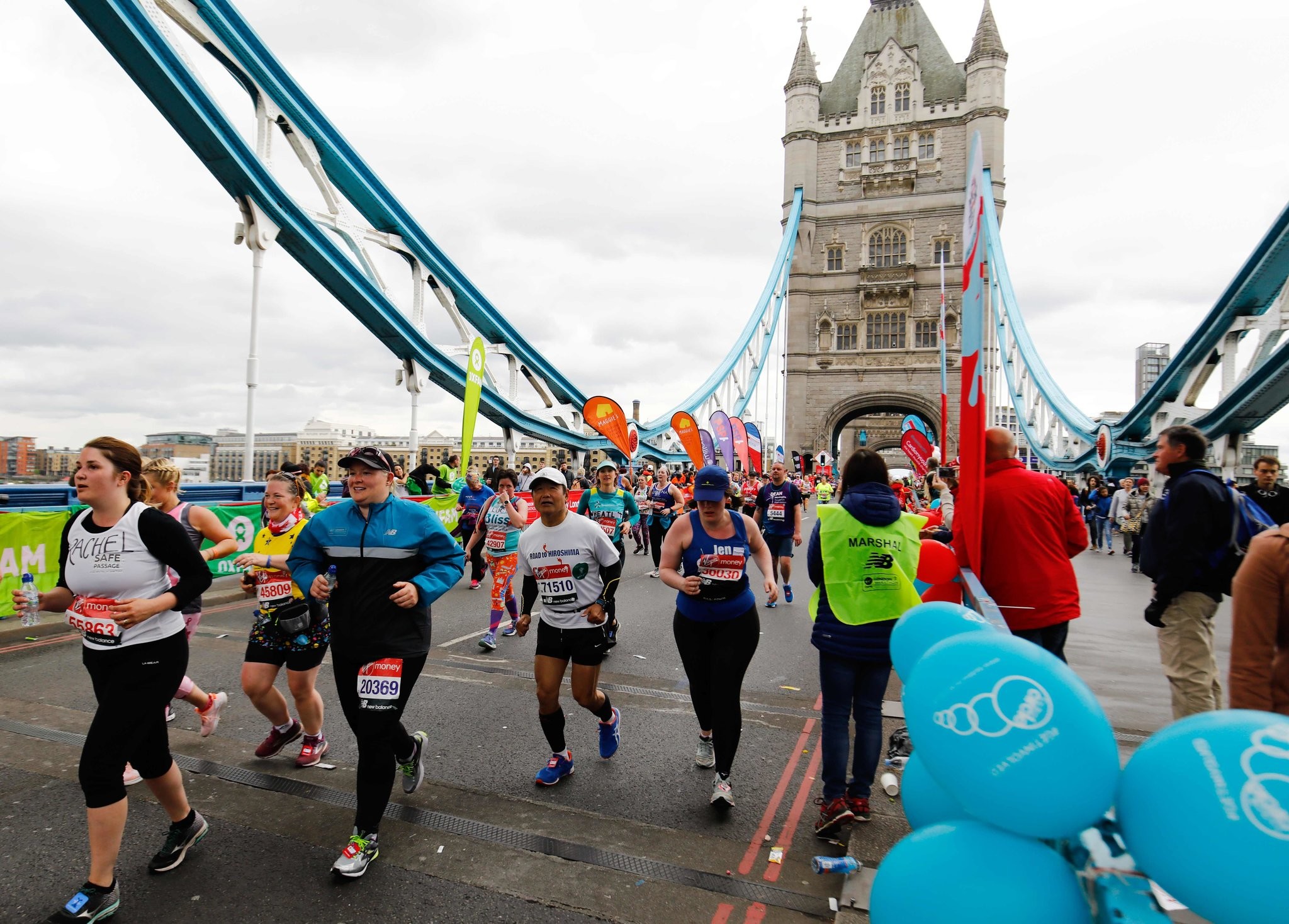
We have also been working with other mass participation event organisers in the UK, including the Great Run Company and Human Race, to make recommendations to the UK Government on how mass participation events can return.
As I write, there are currently just over 15 weeks before the planned date of our 40th Race on Sunday 4 October. Therefore, on the usual timescale for our event, we are currently at the equivalent of the first week of January.
That means there is still plenty of time to train and there is neither a need, nor should there be a desire, to be at your peak fitness yet.
We still don’t know whether we will be able run together, walk together and be together on that journey of 26.2 miles on 4 October. Almost every day we hear hopeful news from other countries and we hear tales of despair.
However, what we do know is that we have hope, desire and ingenuity. Hope that the world will have found a way through Covid-19 by October. Desire to show the positive effects of running a marathon, running for communities and good causes. Ingenuity of thought, technology and people.
So please, focus on your own health and the health of those around you. Focus on running and exercise. It is great for you physically and mentally.
I assure you that whatever decision we take about 4 October, it will be taken in line with our values and with the responsibility we have to you, our runners, our charities, our sponsors, our volunteers, our medics, our communities and our city.
Just over 40 years ago, on 26 October 1979, my father Chris Brasher, the co-founder of the London Marathon, started his column in The Observer with these words:
To believe this story, you must believe that the human race can be one joyous family working together, laughing together, achieving the impossible…
From those words, the first London Marathon was born.
While some may think what we are trying to do on Sunday 4 October is impossible, we will not give up hope.
The 40th Race should be a day that shows the best of humanity. A togetherness, a joy and a celebration of everything we treasure.
I look forward to that day.
Thank you for your patience and understanding. We will be in touch again on 28 July.
(06/19/20) Views: 92
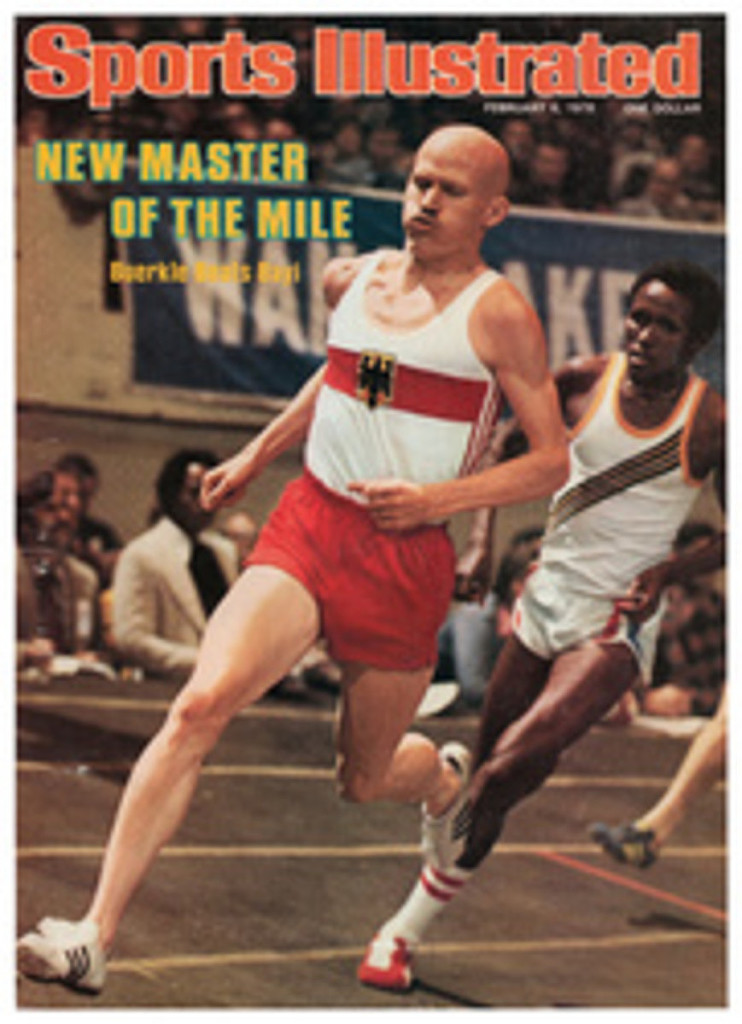
Two-time US Olympian Dick Buerkle has died at age 72
Rochester native Dick Buerkle, who at one time held the world indoor track and field record for the mile and twice qualified for the U. S. Olympic team, died Monday morning having suffered from a rare form of Parkinson’s called Multiple System Atrophy. He was 72.
“Dick never stopped pushing,” his daughter Lily Buerkle said. “There was no such thing as a relaxed family run around the block. Every run ended in a sprint. Dick’s elbow would always find a way to edge out the person next to him, even if it was his young daughter.”
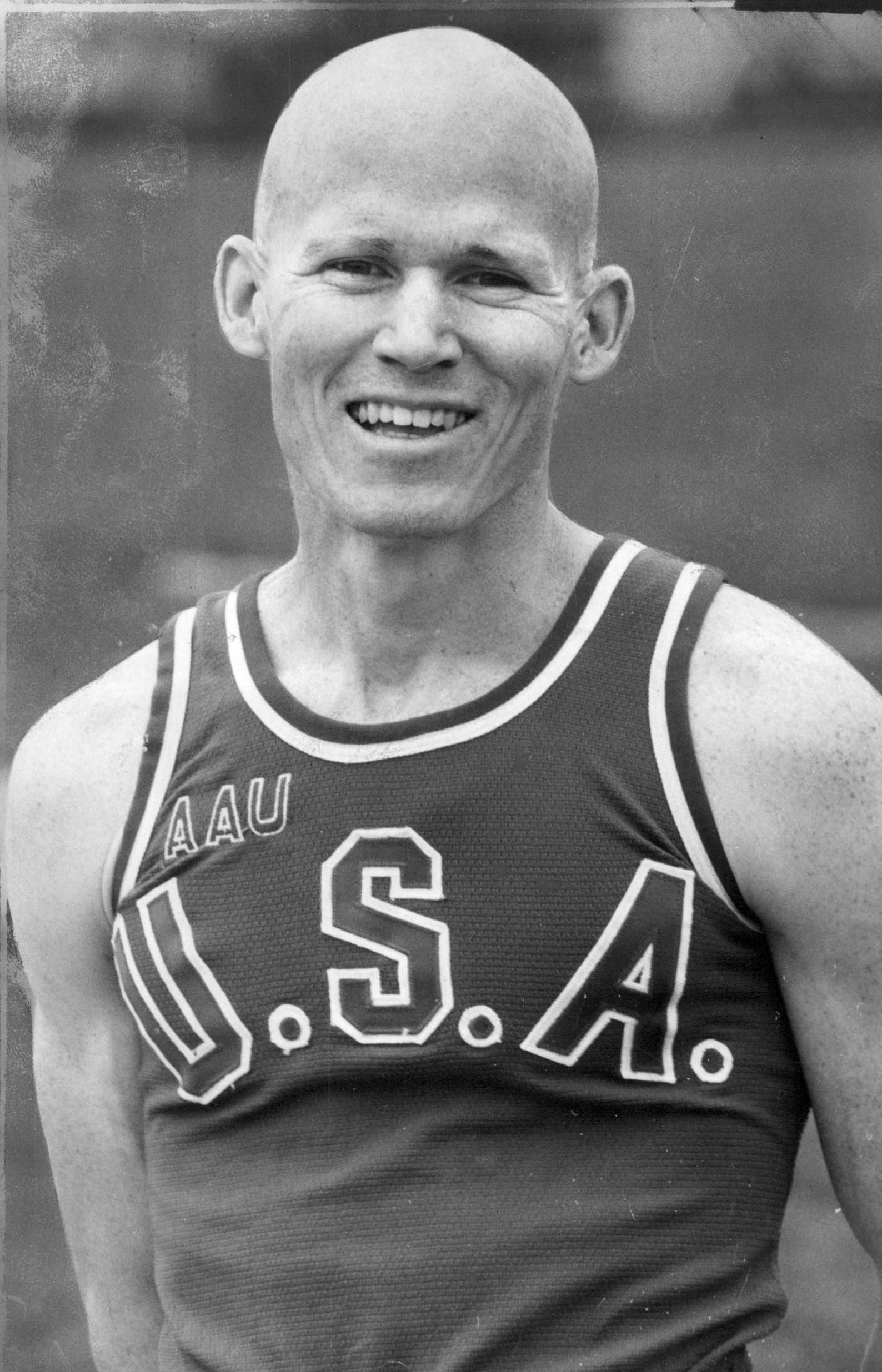
Buerkle graduated from Aquinas Institute in 1966, having competed for the Little Irish track team in only his senior year. He went on to Villanova University and performed as a non-scholarship athlete for two track seasons before finally earning a scholarship in his junior year.
During his time in college, he was a three-time NCAA All-American who finished third in three NCAA finals events: The 1969 and 1970 indoor two-mile race and the 1970 outdoor three-miler.
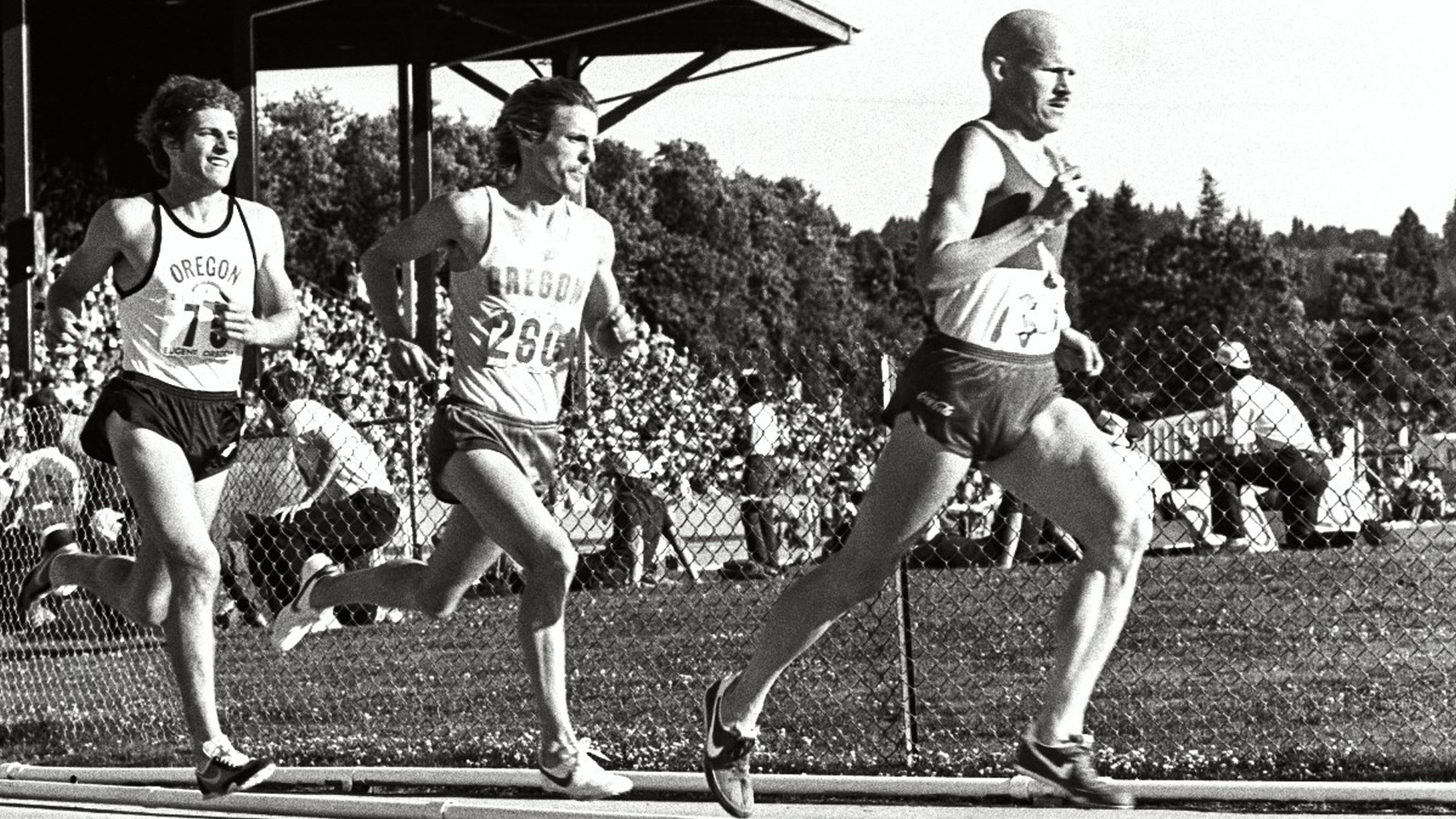
Known for his bald head long before the look became chic – he lost all his hair by the age of 12 due to alopecia – he graduated in 1970 and became a star runner on the national track circuit, though he remained an amateur.
As he lost his hair, the chip on his shoulder grew,” said Lily, who also added that later in her father’s life, he was, “forever thankful to Michael Jordan for shaving his head and ultimately making bald cool."
While he achieved fame for his 1978 world record time in the mile, between 1970 and 1981 Buerkle was ranked among the top 10 Americans at the 5,000-meter distance seven times and was No. 1 in the U.S. in 1974, No. 4 in the world.
That was the distance at which he competed in the Olympics. He did not make the 1972 team that went to Munich, but he won the 1976 U.S. Olympic trials to earn his spot in the Summer Games at Montreal.
By that time he had moved to Buffalo and was working for Bausch and Lomb as a contact lens salesman. At Montreal, he ran ninth in the trial and did not get to race for gold in the final.
Buerkle also qualified for the U.S. team in 1980, but never got to compete because President Jimmy Carter boycotted those Games in Moscow in protest of the Soviet Union’s invasion of Afghanistan; politics ruined four years of training for Buerkle and so many other athletes.
It was in between those two Olympiads, on Jan. 13, 1978, at the CYO Invitational held at Cole Field House on the campus of the University of Maryland, when Buerkle broke the indoor mile world record with a time of 3:54.93, defeating heavy favorite Filbert Bayi.
(06/22/20) Views: 59
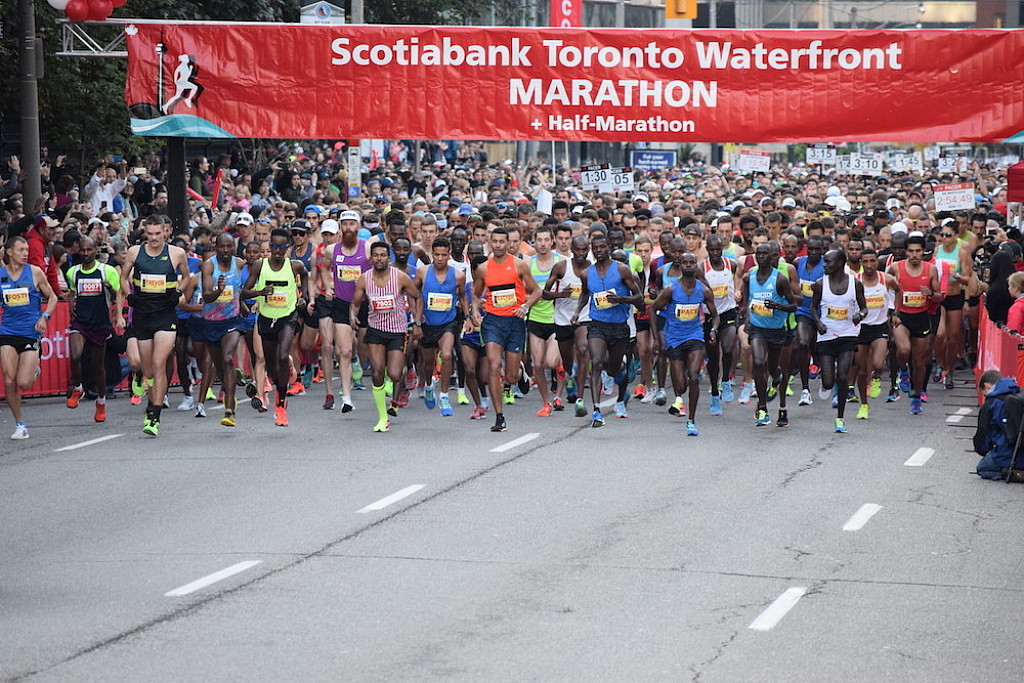
The Scotiabank Toronto Waterfront Marathon will be pausing its registration for the next few weeks
STWM is scheduled for October 18, but CRS officials are unsure whether the City of Toronto will allow such a large gathering to be held by that time in the fall (more than 20,000 athletes are expected, plus spectators along the course).
In Wednesday’s press release, organizers said they have been communicating with the city and public health officials to figure out what will be permitted by October.
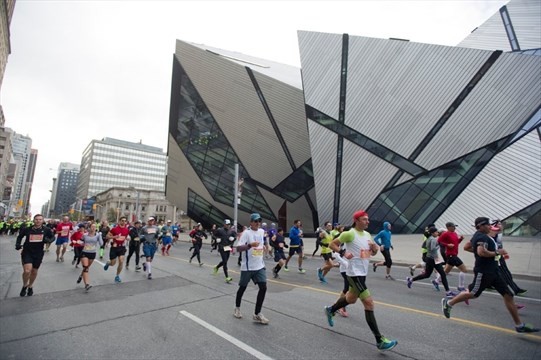
“At this time,” wrote CRS organizers, “the City of Toronto has not been able to confirm if the ban on mass events of over 25,000 will be extended beyond August 31st.”
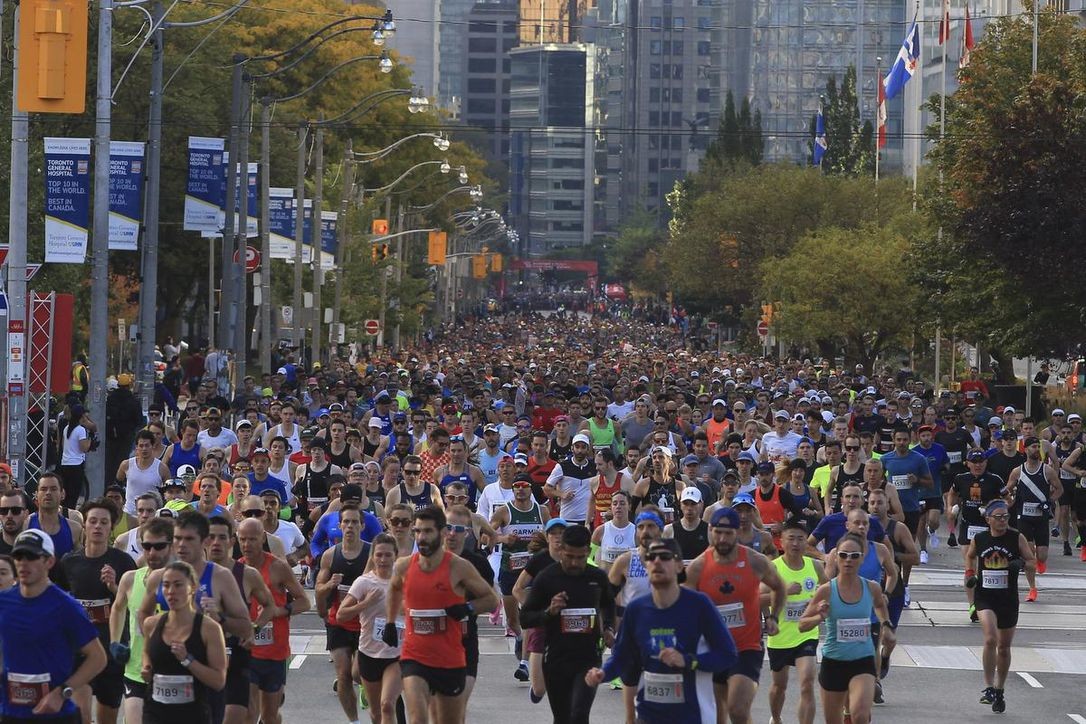
Because of this ambiguity, race registration will be frozen until the city, public health officials and CRS team can determine definitive answers regarding the fall race.
Although it’s unclear if the event will go ahead as planned this year, fundraising for the Scotiabank Charity Challenge is still open, and CRS officials have said the race’s charity partners “need our help now more than ever.”
In 2019, $8.5 million was raised for more than 500 charities across the country, and since the challenge was created in 2003, almost $80 million has been raised.
(06/25/20) Views: 47Ben Snider-McGrath
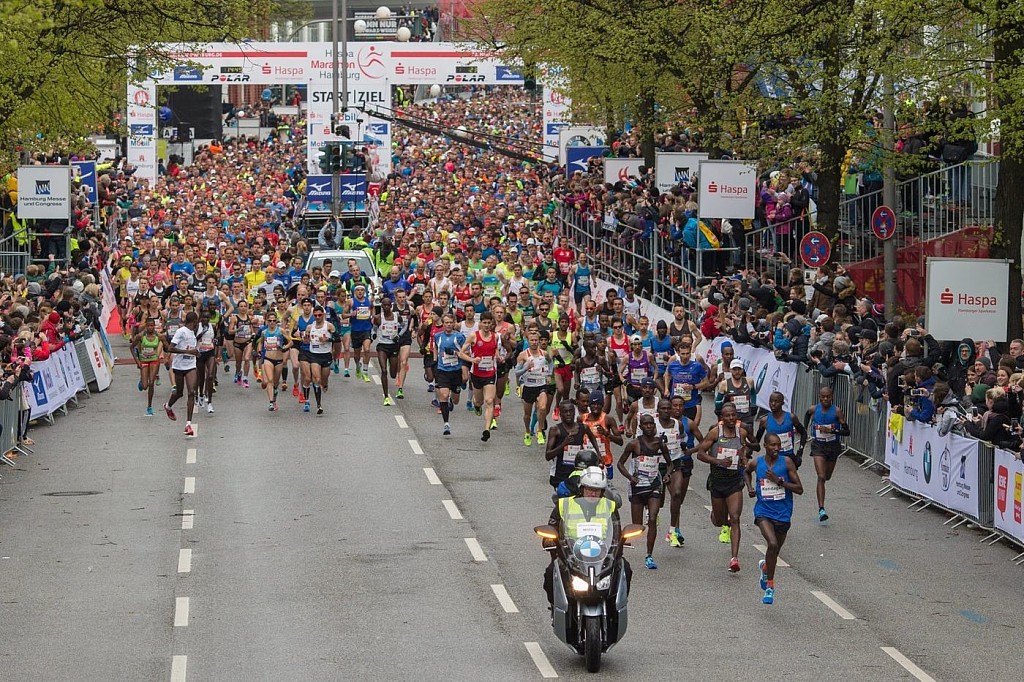
The postponed Haspa Marathon Hamburg will be allowed to take place with 10,000 runners, both elite and mass races
In a surprising turn of events, the postponed Haspa Marathon Hamburg will be allowed to take place with both elite and mass races on Sunday, September 13. The event, which was originally scheduled for April 19, has been granted an exemption by German authorities –who had implemented a ban on all large events through October 24– because organizers have agreed to implement a rigorous anti-COVID hygiene plan. The event is a World Athletics Gold Label Road Race.
“We are optimistic that the Haspa Marathon Hamburg will be started on 13 September,” said chief organizer Frank Thaleiser through a statement. “We have the plans and the infrastructure required. We will now make detailed plans together with the city to realize the race.”
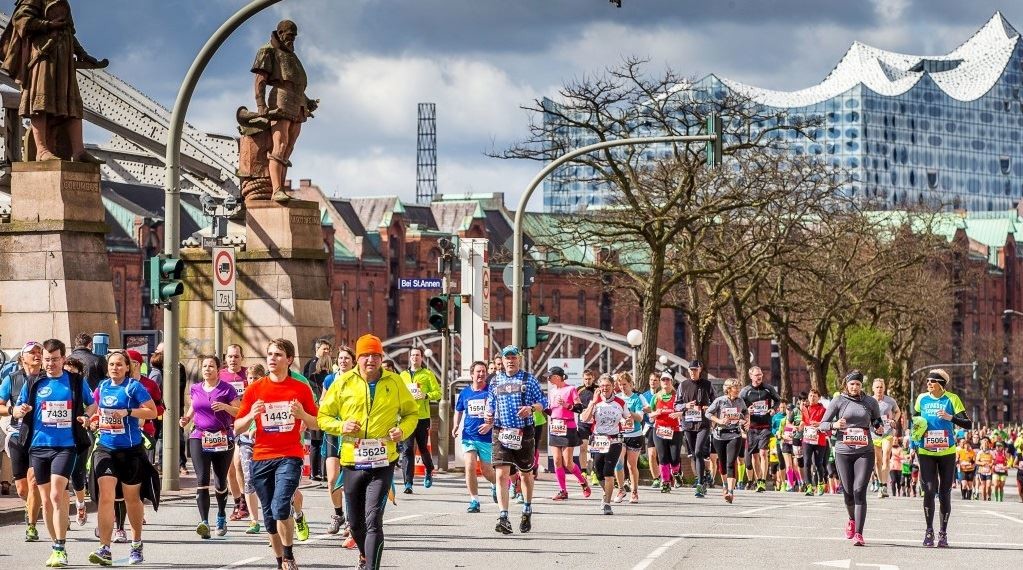
Organizers are expecting 10,000 runners for the marathon, plus an additional 4,000 in a companion half-marathon (last year’s marathon had 10,079 finishers). The marathon and half-marathon will have different start and finish areas. Runners in the half-marathon will start in several groups between 8:00 and 8:30 a.m., while the marathon runners will begin racing at 9:30 a.m. with a starting time window of just under two hours. The athletes will be sent on the course in “batches” of 1,000 per starting group in roughly ten-minute intervals.

To ensure physical distancing before the race, runners will assemble in predetermined groups in different halls of the Expo building. There, and also in the finish areas, a total of 120,000 square meters of space will be available to the organizers and under their control; spectators will not be allowed to enter. Disinfection stations will be set up both in the event areas and along the course.
Moreover, all participants will be given a tubular scarf with a breathing filter. These must be worn over the nose and mouth in the event area including the start and finish areas. During the race runners must have these with them and put them over mouth and nose after they cross the finish line. No open drinks or individual food offerings will be available in the finish area; instead all participants will receive a refueling package. Other facilities which are usually on offer, such as massage and showers, will not be available.
“The organizational and hygiene policy should demonstrate that a running event with up to 14,000 participants within a city environment can be carried out responsibly while respecting the restrictions on contact and current hygiene guidelines since the outbreak of the COVID-19 pandemic,” Thaleiser added.
The elite field will be scaled down to about 30 athletes, organizers said. These will be the only athletes standing together on the starting line. These athletes will have to undergo testing for the novel corona virus before the race, and will only be drawn from certain countries given travel restrictions. Participation by athletes from countries where the novel corona virus poses a higher risk will not be allowed, either in the elite or the mass field.
The detailed hygiene policy was developed with the help of Manchester Metropolitan University in England which offers a masters degree in Crowd Safety and Risk Analysis.
The Haspa Marathon Hamburg was founded in 1986. Ethiopians Tadu Abate (2:08:26) and Dibaba Kuma (2:24:42) were the race champions in 2019. The course records are 2:05:30 by Kenya’s Eliud Kipchoge in 2013, and 2:21:54 by Ethiopia’s Meselech Melkamu in 2016.
Separately, the massive BMW Berlin Marathon, scheduled for Sunday, September 27, has yet to announce how their event will be staged this year, if at all. Their most recent statement, dated May 27, said that officials were continuing “to put all our energy into considering various options” for the race. An announcement is expected, soon.
(06/24/20) Views: 46David Monti

With no crowd, motivation comes from within for virtual Grandma’s Marathon runners
Runners face a number of challenges this year at the Grandma's Marathon. With the race going virtual, motivation coming from the crowd is no more.
"I do think that's going to be the bigger challenge because you won't have the crowds cheering you on," said Tony Stensland, a local running coach.
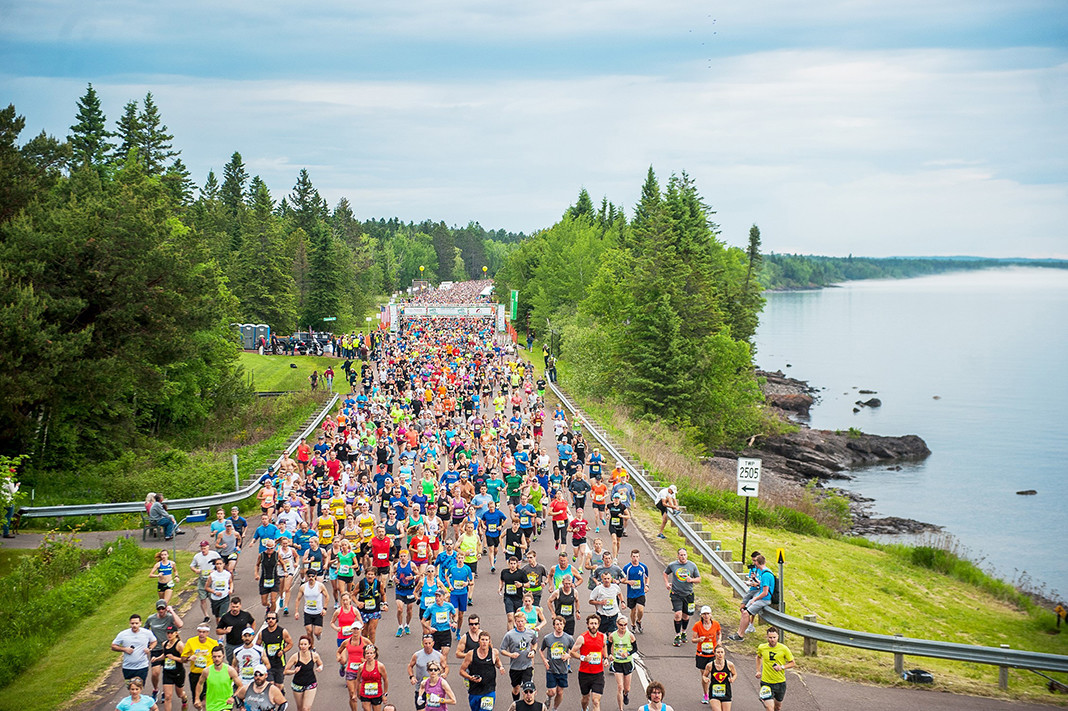
Stensland advises those running a virtual race to toward the ones you can count on.
"If you can utilize friends and family members to be your cheer squad, that helps a lot," added Stensland.
But for those riding solo, Stensland advises them to take a more mental approach.
"If you don't have some people to help you and you really are solo. Maybe just dig down deep and stay focused. Maybe run each mile for a person that's close to you," said Stensland.
Social media is another helpful tool as runners can connect with those as they do the race.
"If you have your cell phone with you, let people know you are doing this at this certain time and maybe they are going to be texting you along the way. This is a virtual race, so some of the rules and some of the etiquettes kind of go out the window. Try to make it fun and a enjoyable experience for yourself," added Stensland.
Creating your own race experience will only pay dividens in the end.
"If you know where your finish line is, sidewalk chalk a finish line on it, write finish, maybe motivational quotes along the road with sidewalk chalk, So little things like that where you can really personalize it for yourself. It's a great idea and it really adds to the experience," said Stensland.
Stensland also encouraged runners to make their race a personal experience because, in the end, it will be unique compared to other races.
(06/20/20) Views: 41
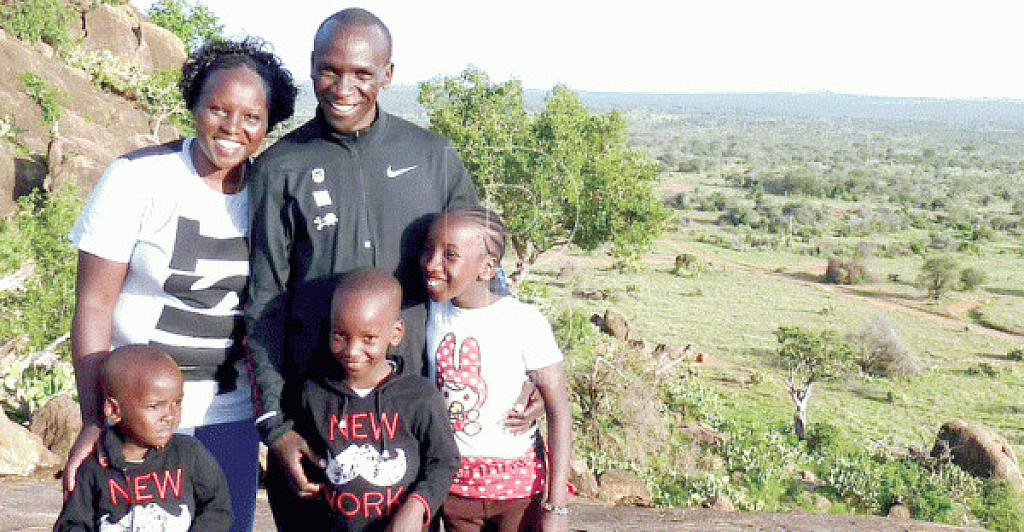
How Eliud Kipchoge has been handling things during the COVID-19 crisis
Ever since he won the marathon Olympic gold at the Rio Games in 2016, Eliud Kipchoge of Kenya has been smashing records with authority. He planned to crack a few more this year before the pandemic struck and halted his progress.
“The postponement of the Tokyo Games [to 2021] has turned everything, from preparation to planning, upside down for me,” he told Sportstar from Kenya on Friday.
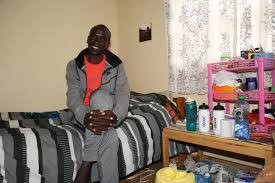
The World record holder, who has won 11 of the 12 official marathons he has taken part in, said he is tackling the tough days by staying positive and setting safety as his priority.
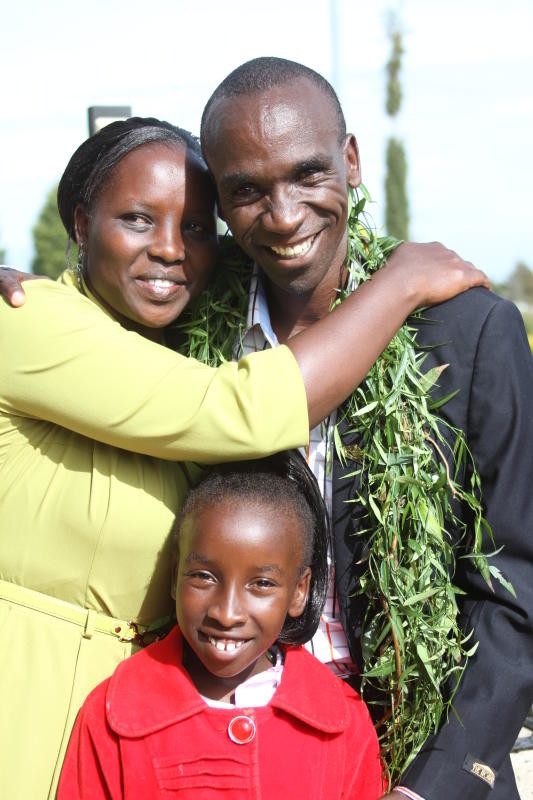
Isolation training
“I have never been in a hard situation like this. This one is completely different and has hampered my training in a big way,” he said. “It has not only affected my training but my fitness too. Training in isolation is not easy and, without your teammates around, it is hard to gauge your fitness as well. Consistency and setting your goal is another recipe.”
But Kipchoge was quick to point out that the pandemic has taught him life’s big lesson: “To treat the uncertainties and accept the change as it happens.”
Having run 3.2kms to school on a daily basis, the Kenyan has moulded himself into a tough nut to crack. “Yes, I was born tough and have also gone through some tough situations in life but the pandemic is tougher still,” he said.
Patiently waiting
How about defending the marathon title at the Tokyo Games? “It’s not easy to clinch the gold as it needs total dedication and patience and, above all, consistency,” said the 35-year-old, who won at Rio with the biggest margin of victory (70 seconds) in the Olympics since 1972. The Kenyan had bagged a silver at Beijing (2008) and bronze at Athens (2004), both over 5000m.
Despite his advancing years, Kipchoge, who ran the world’s first ever sub-two-hour marathon by clocking 1:59:40 at a special event in Vienna last year, is determined to run many a mile. Besides the Olympics, he is eyeing a fifth London Marathon title.
He may have to wait for things to settle down before getting back on the road.
(06/21/20) Views: 40
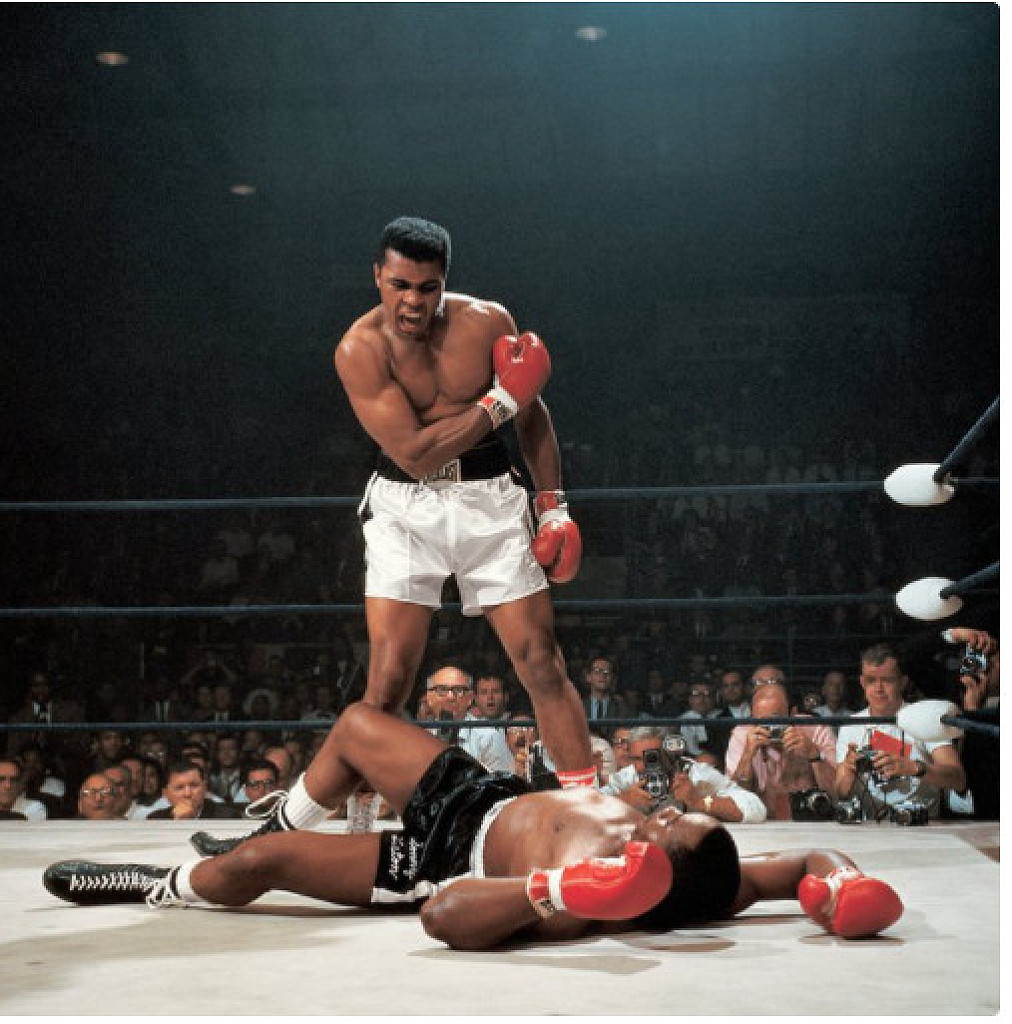
8 Muhammad Ali quotes for running motivation
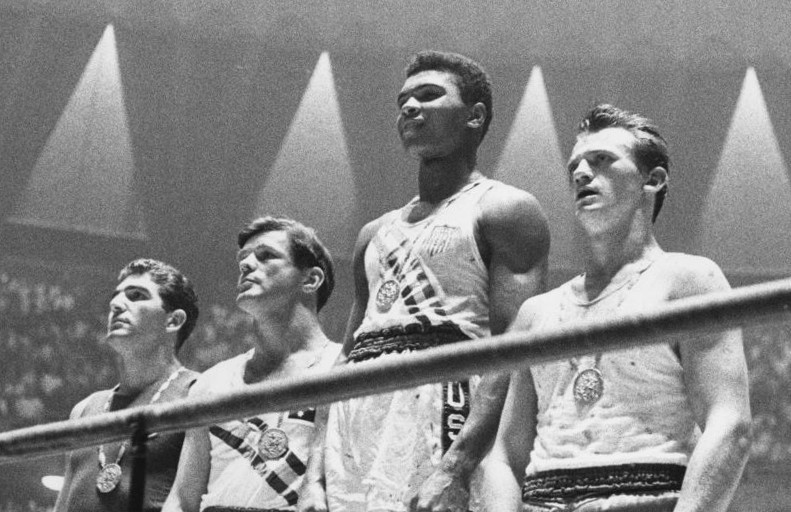
On June 3, 2016, boxing legend and civil rights activist Muhammad Ali passed away at the age of 74. Throughout his career in the 60s and 70s, he had a lot of big wins, including a gold medal at the 1960 Olympics in Rome and becoming the world heavyweight champion on multiple occasions. He also provided the world with a lot of great quotes, many of which pertain to boxing and sports in general, so in honour of one of the greatest boxers of all time, here are eight of his best quotes that can help motivate runners everywhere.
1)“I am the greatest. I said that even before I knew I was.”

2)“He who is not courageous enough to take risks will accomplish nothing in life.”
3)“Only a man who knows what it is like to be defeated can reach down to the bottom of his soul and come up with the extra ounce of power it takes to win when the match is even.”
4)“Impossible is just a big word thrown around by small men who find it easier to live in the world they’ve been given than to explore the power they have to change it. Impossible is not a fact. It’s an opinion. Impossible is not a declaration. It’s a dare. Impossible is potential. Impossible is temporary. Impossible is nothing.”
5)“I hated every minute of training, but I said, “Don’t quit. Suffer now and live the rest of your life as a champion.'”
6)“A man who has no imagination has no wings.”
7)“The fight is won or lost far away from witnesses—behind the lines, in the gym, and out there on the road, long before I dance under those lights.”
8)“(Sonny Liston is) too ugly to be the world champ. The world champ should be pretty like me.”
(06/21/20) Views: 38Running Magazine

With Hayward Field’s reconstruction complete, the University of Oregon takes possession
The University of Oregon took formal possession of Hayward Field on Tuesday, bringing to an end a two-year reconstruction project that transformed the well-loved if antiquated UO stadium into one said to be among the best track and field facilities in the world.
Paul Weinhold, president and CEO of the University of Oregon Foundation confirmed the Tuesday handover in a text message on Wednesday.
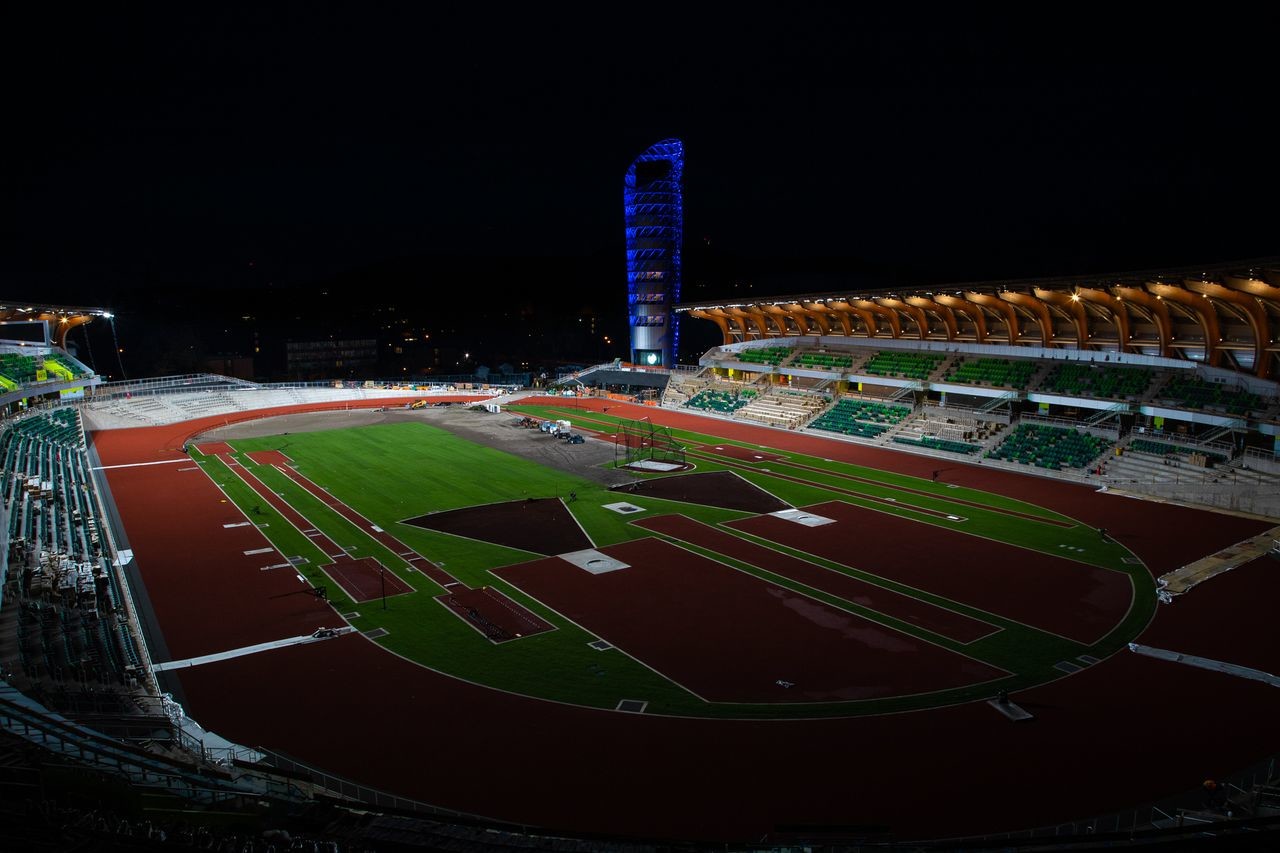
The campus property that houses the stadium had been leased to the limited liability corporation Hayward Field Enhancement for the length of the privately funded project. The project began in June 2018 and is estimated to have cost more than $200 million.
Weinhold said by text he knew of no immediate plans for a public unveiling of the new Hayward Field, and didn’t anticipate one until fall. The campus remains closed to the general public because of the coronavirus pandemic.
“That decision will be a UO Athletics decision,” Weinhold wrote.
Replying Monday by email, UO athletic department spokesman Zach Lawson referred a reporter to the university’s “Hayward Field Renovation” webpage, last updated for the week of June 1.
The original Hayward Field was built as a football stadium in 1919. It has been used for track meets since 1921. It was conceded to be inadequate for many reasons to host the 2021 World Outdoor Track & Field Championships, awarded to Eugene in 2015. The meet since has been delayed until 2022 because of the coronavirus pandemic.
Organizers originally had hoped to preserve as much of the historic stadium’s character as possible, including the east grandstand.
But attempts to raise private money for that design foundered. When Nike co-founder Phil Knight, a former UO track athlete, became involved, the original plans were scrapped in favor of a more modern look.
That led to a contentious back and forth between some longtime fans in the community. Hoffman Construction, the firm that handled the project, acted quickly to level the east grandstand less than two weeks after the conclusion of the 2018 NCAA Outdoor Championships, the final major event staged at the old Hayward Field.
The permanent seating of the new stadium is listed as 12,650 and expandable to nearly,25.000, making it significantly larger than the previous stadium. The older Hayward Field had a listed seating capacity of 10,500. But a hand count done in 2018 revealed no more than 8,500 seats.
Knight and his wife, Penny, are said to have contributed the lion’s share of the project’s funding.
The new stadium is said to feature a number of spectator upgrades, such as 22-inch seats and unobstructed sight lines.
It also will be used as a training facility for members of the UO track team. Among the enhancements are much larger indoor practice areas, locker rooms, a video room, weight room, treatment rooms, a theater and an area for training aids such as hydrotherapy pools and anti-gravity machines.
Attempts Wednesday to reach UO track coach Robert Johnson and Jimmy Stanton, UO senior associate athletic director for communications, were not immediately successful.
(06/21/20) Views: 37Oregon Live
