

Running News Daily
Top Ten Stories of the Week
4/11/2020
These are the top ten stories based on views over the last week.
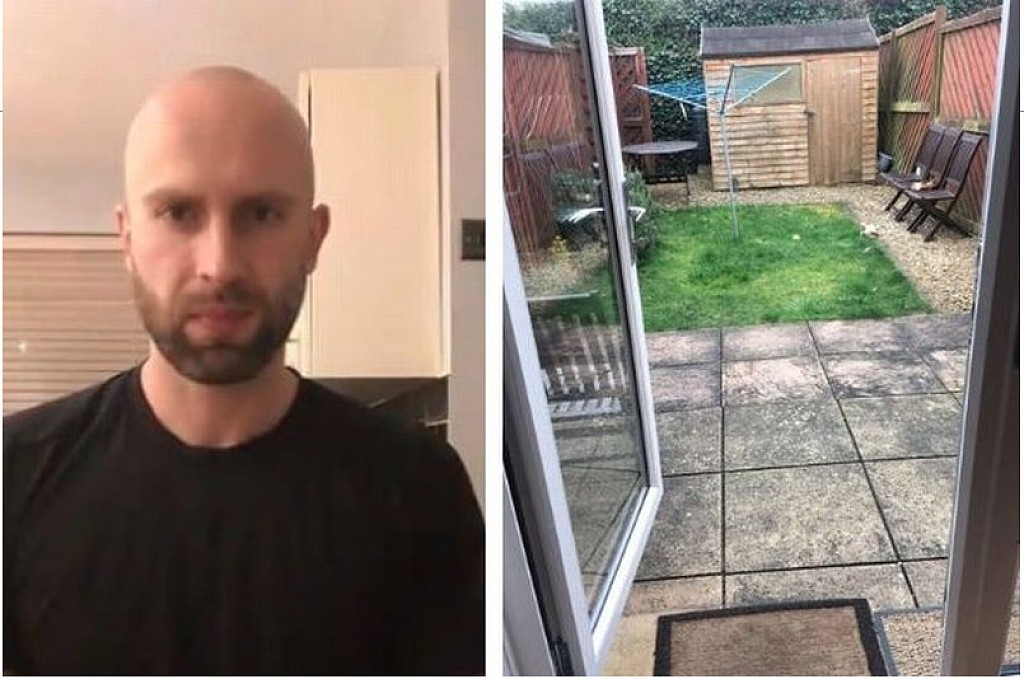


Javelin star turned footballer James Campbell to run marathon in six-metre back garden to raise money for NHS
Brimscombe & Thrupp forward James Campbell will spend his 32nd birthday running the equivalent of a marathon to raise money for the NHS.
And it will all be done without breaking social distancing regulations because he will be running the 26.2 miles in the back garden of his Up Hatherley home in Cheltenham, which is around six metres in length.
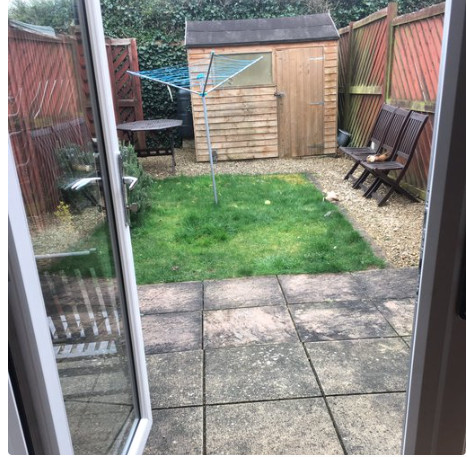
Campbell, a former world class javelin thrower who was also on the books of Cheltenham Town as a youngster, plans to live stream his gruelling endeavour, which will take place on Wednesday, April 1.
He posted this tweet on Monday, vowing to cover the full marathon distance if he received 10,000 retweets, which did not take long to achieve and it has now been retweeted nearly 20,000 times:
"I tweeted that I'd run a marathon in my six metre long garden if I got 10,000 retweets and it got 10,000 in a very short period of time, so thanks to everyone that's retweeted and the support has been absolutely incredible," Campbell said.
"I am not sure of the start time yet, but it's on April 1, which is also my birthday.
(04/05/20) Views: 394
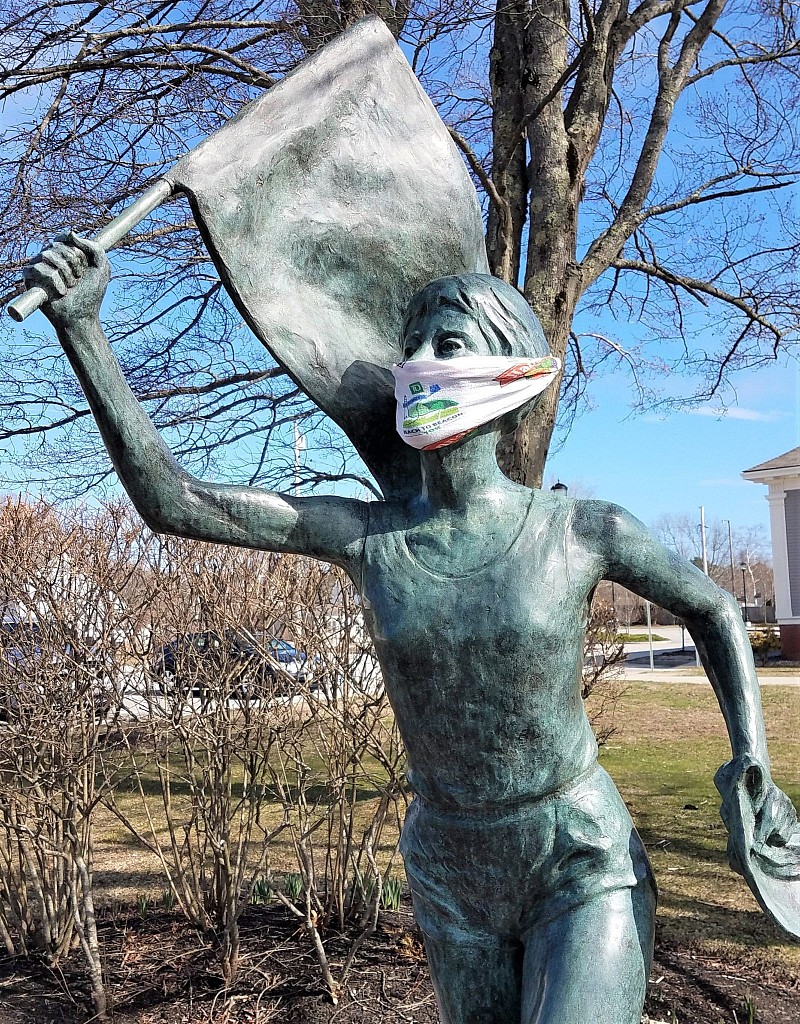
The Runner Statue-COVID-19 Mask Movement
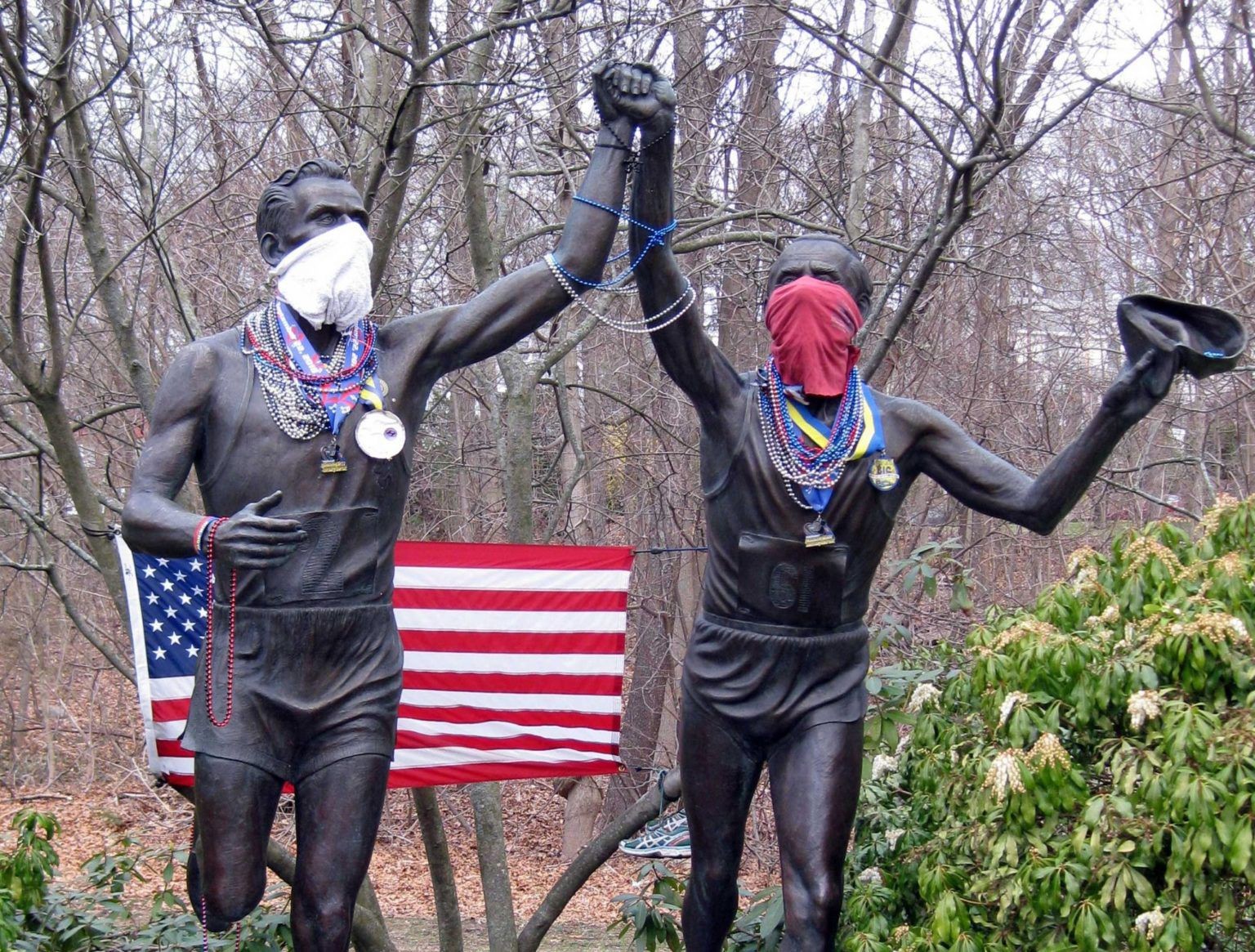
Over the weekend, famous runner statues from Boston to Boulder donned a new look to support solidarity in slowing the coronavirus.
Runners are among the healthiest people. We prize and appreciate our good fortune, and want to encourage the same in others. We’d like everyone to be health—to follow federal guidelines, both for exercise and for disease prevention.
That was the thinking behind the Runner Statue-COVID-19 Mask movement. It began Saturday morning in Mystic, CT. By Sunday afternoon, it had spread to Cape Elizabeth, Maine, Hopkinton, Massachusetts, Central Park in New York City, Davenport, Iowa, and Boulder, Colorado.
In each location, a well-known runner statue is now wearing a low-tech protective face mask. The message: Do your part to prevent the spread of COVID-19.
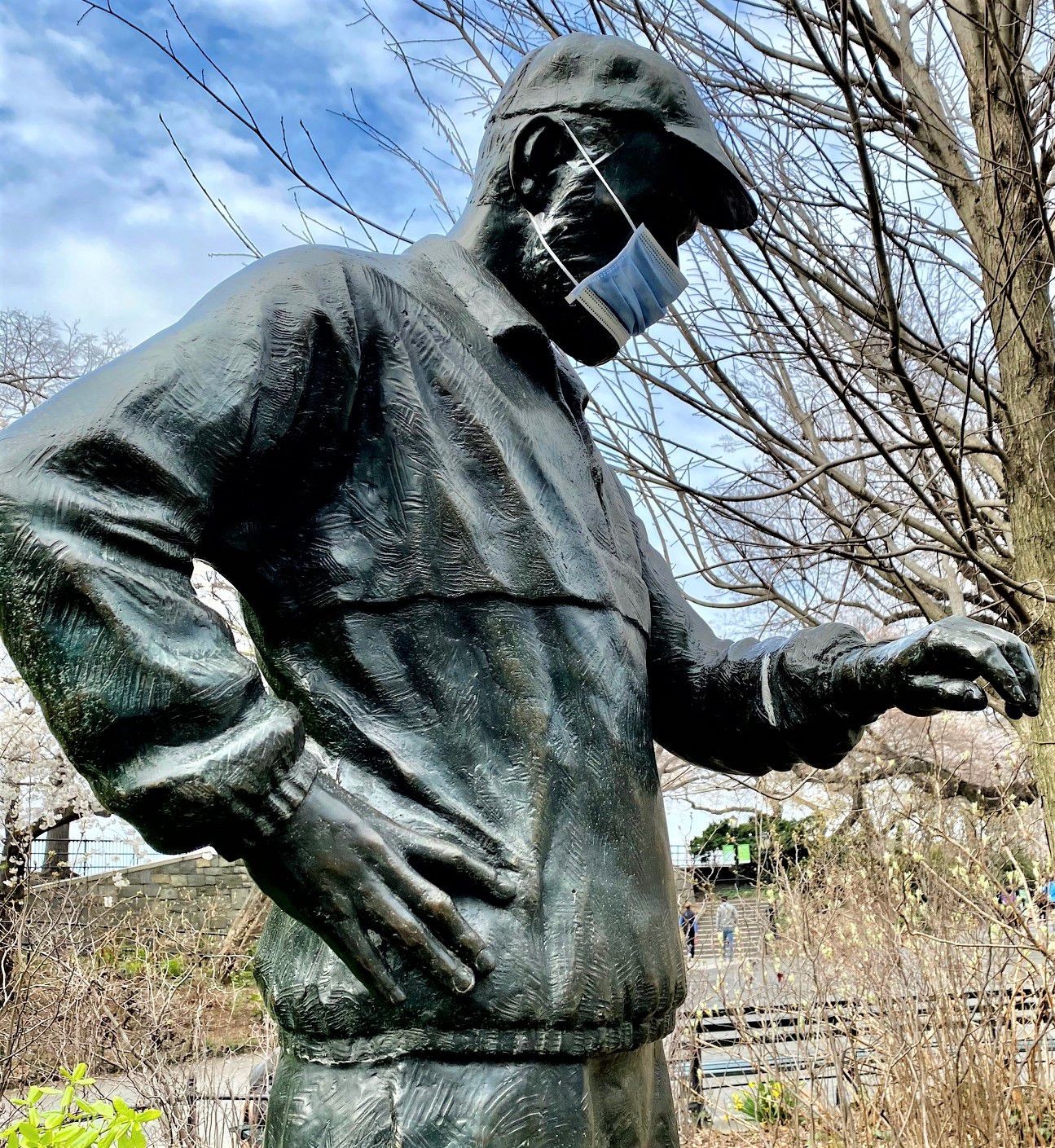
The Boston Marathon course has three such mask-wearing statues. In Hopkinton, “The Starter” George V. Brown wears a mask immediately adjacent to the Boston Marathon start line. Nearby, the statue of Rick and Dick Hoyt shows off their colorful masks.
Near the Marathon’s 19-mile mark in Newton, the double statue of “Old John” Kelley and his younger self shows them both wearing bandanna masks. These were fashioned by Ray Charbonneau from recycled road race t-shirts.
Born on a Morning Run
The story starts, like many, with a morning run. On Saturday morning, my wife, Cristina, and I met my brother, Gary, for an easy 3-mile jog on the banks of the meandering Mystic River in Connecticut. We had barely begun when Gary said, “You know what might be cool—to put a COVID mask on the Kelley statue.”
Mystics’s statue of John J. Kelley, 1957 Boston Marathon winner, has been a favorite local landmark for about five years now. It has a sparkling location in a tiny parklet that overlooks Mystic Pizza, made famous by the 1988 Julia Roberts movie. Before our biggest annual road races, Kelley is often attired in that’s year’s t-shirt.
Gary’s idea seemed so perfect that Cristina and I rushed home post-run to complete the mask project. To be honest, I merely “supervised,” since I have no sewing or crafting skills. Fortunately, Cristina is one of those creative types. She was even smart enough to realize that a statue mask would have to be larger than the bright masks she had already turned out for family members. Most statues are literally larger than life.
We rushed back to downtown Mystic to give Kel’ his new facemask. It was made of green shamrock material to honor his Irish roots. No one asked what we were doing, though several families strolled by and gave us an enthusiastic “thumbs up.”
Back home a few minutes later, I was ready for a nap. Then it hit me. I knew of a half-dozen other runner statues, and I knew runners who lived in those communities. What if I could get all those statues to wear covid masks?
Idea Runs Across the Country
Honestly, it took little effort on my part. A handful of friends, both new and old, “ran” with the suggestion. In Central Park and Cape Elizabeth, police quickly descended on my mask-placing co-conspirators. Moments later, having heard an explanation for the masks, the very same officers volunteered to help.
My buddy in Cape Elizabeth needed it. Marty Clark was struggling on crutches to give Joan Benoit Samuelson a facelift. Now we’ll let you in on one of Joanie’s secrets: She has no ears. (Makes you more aerodynamic.) Or maybe she just has hair over her ears. In both Cape Elizabeth and Davenport, IA, where the Bix-7 has erected statues of Samuelson and Bill Rodgers, my friends had trouble keeping the mask in place.
But Bix race director Michelle Juehring persisted until she achieved success. “I love the solidarity of this project—the way it says we’re all in this together,” she observed.
Rodgers was a big fan from the get-go. “I’m so glad to be wearing a mask next to Joan Samuelson in Davenport,” he said. “If others see us, and then they wear a mask also, we’re going to beat this disease in America.
At Central Park’s reservoir, thronged with walkers and runners, a socially-distanced crowd gathered around the Fred Lebow statue. When the onlookers realized what was going on, they broke into applause. “I was stunned,” said Scott Lange, who once worked for Lebow at New York Road Runners.
In Boulder, Rich Castro got a mask onto Frank Shorter only a couple of hours after we began with Kelley in Connecticut. Castro had already worn a mask around town on his morning errands. “I hope more people help us spread the message,” he said. “There are too many nonbelievers around.”
Shorter concurred. “Any and all expressions of solidarity are a good thing,” he said.
In Hopkinton, where the Boston Marathon begins, Tim Kilduff found a talented high schooler, Emily Karp, to make masks and corralled a Hopkinton Board of Selectmen member (John Coutinho) and photographer (Bruce MacDonald) for the effort. Today, Monday April 6, this team plans to mask 1946 Boston winner Stylianos Kyriakides at the marathon’s 1-mile mark. (Look hereto see why this requires a special effort.)
“This has been fun,” Kilduff said. “It’s a good thing. I think it might really catch on.”
(04/06/20) Views: 304Amby Burfoot (Podium Runner)
A World Marathon Day could bring us miles closer to recovery from the coronavirus pandemic
Just days after the 2013 Boston Marathon bombing, apparel giant Adidas, one of the marathon’s official sponsors, raised money for victims and their families by selling limited-edition T-shirts with the message: “Boston Stands As One.”
Americans rallied in support one week after the horror, participating in #BostonStrong runs nationwide.
The time is coming for people around the world to remember a great tragedy, mourn our dead, honor our heroes, raise money for the afflicted and stand as one. The staggering coronavirus pandemic is not over by any stretch, but COVID-19 likely will be under control by late summer. Our financial well-being, however, will still be seriously threatened. It is not too early to begin planning for ways we can show our resilience, strength, hope and grace.
Post-coronavirus, the world will experience a series of firsts as people again gather en masse and our grief eases into relief. Let’s make this reawakening count. The first outdoor music festivals, for example, should benefit charities assisting those hit hardest by the coronavirus. Same with the first public events of any kind. Let donations flow wherever the invisible walls separating us fall, so we finally might remember how similar we are.
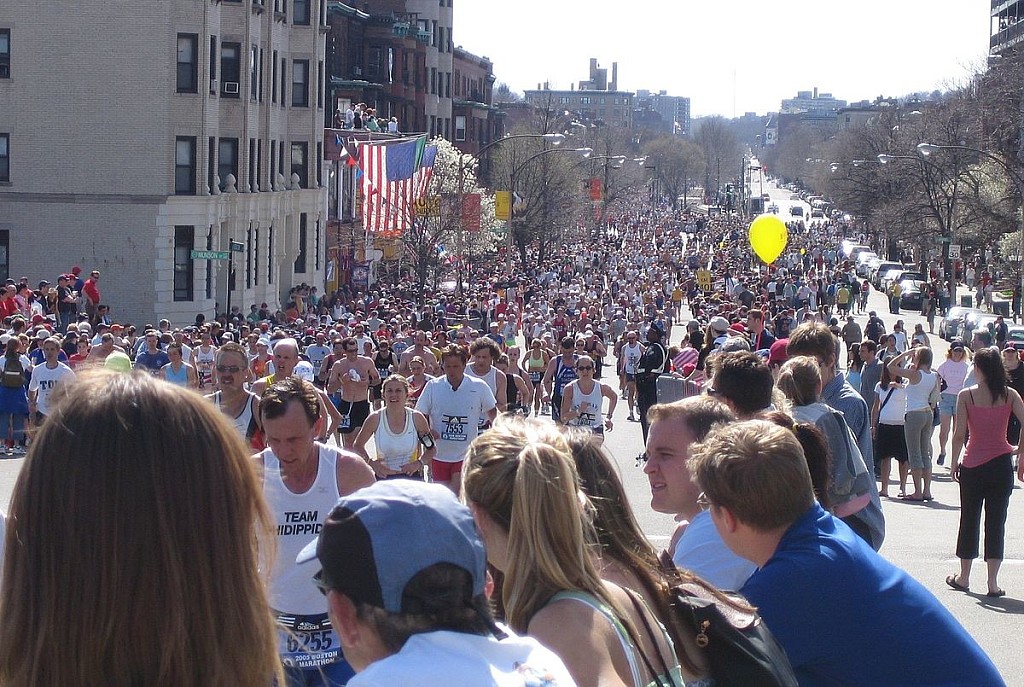
Which brings us back to Boston. The Boston Marathon is one of six Abbott World Marathon Majors held every year, along with New York City, Chicago, London, Berlin and Tokyo. These urban courses attract the planet’s most elite runners and tens of thousands of participants, and even larger crowds cheering the runners on.
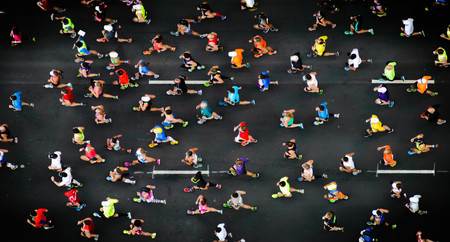
This year, the organizers of those six renowned marathons should work together to hold a single World Marathon Day, with each race held in its respective city in a synchronized demonstration of post-coronavirus solidarity.
Monday, Oct. 26, would be an appropriate date, virus-permitting. Numerically it is 10.26.20, which acknowledges the 26.2 miles of a marathon course. Saturday, Sept. 26, also works (09.26.20). This one-time global effort could be promoted with the hashtag #WorldStrong26.2.
Ideally, cities worldwide will reschedule their own postponed or upcoming marathons to World Marathon Day in alliance with the six majors, while other communities hold shorter races and fun runs. (Five of the major marathons are either held in, or have been postponed to, the September-November period, so the logistics of shifting the date would not be onerous. Tokyo held its 2020 marathon on March 1 for elite runners only, and would host another.)
If this proves too massive a challenge, then at the least, all fall 2020 marathon organizers should communicate a common message and fundraising focus on whatever day they hold their events.
As I envision it, all race participants would be required to race for charity, and top finishers of races with prize money would agree to donate their winnings as well. Of course, runners could participate in only one race on this day, but elite runners typically enter only two marathons a year, at most, in the spring and fall. The coronavirus has done away with marathons through May at least, so consolidating these races into one day shouldn’t be an issue for the top competitors, particularly those who have already committed to a race.
Also, corporate sponsors of these marathons should agree to match the amount raised by race entry fees dollar for dollar and donate that money to charity.
In addition to raising hundreds of millions of dollars or more for charities including hospitals, food banks, housing agencies, mental-health services and educational programs, a World Marathon Day would generate meaningful economic benefits for cities and communities recovering from the coronavirus shutdown.
Marathons are good for business. The major marathons attract runners from all over the world, who spend on hotels, restaurants, bars, stores, tourist attractions and other entertainment.
(04/03/20) Views: 107Jonathan Burton
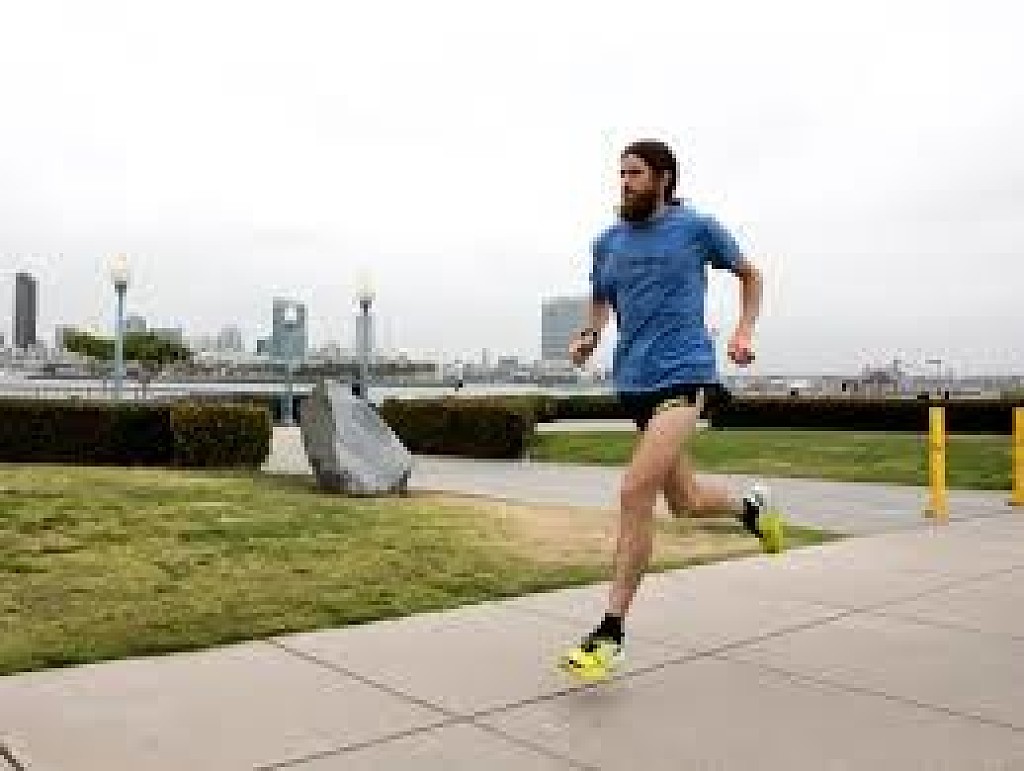
After over 50 hours ultrarunner Mike Wardian runs 63 laps for 422K to win the virtual race Quarantine Backyard Ultra
The Quarantine Backyard Ultra started Saturday morning, and over 2,400 runners from more than 50 countries joined the virtual race. Runners ran 6.706K every hour for as long as they could, and over 60 hours later, only two runners remained: American Mike Wardian and Radek Brunner of the Czech Republic. Brunner missed the start of the 63rd lap and was therefore disqualified, making Wardian the winner after 422K.
With every passing lap of the Quarantine Backyard Ultra, more and more of the world’s best ultrarunners dropped out and registered DNFs. Last year at the Big’s Backyard Ultra, Maggie Guterl ran 60 laps for 402K, but a nagging back injury forced her to pull out of the race this weekend after just nine laps.
After 15 laps and 100K, Jamil Coury called it a day. Three laps later, Canadian Cal Neff dropped out. At the 100-mile mark, Courtney Dauwalter threw in the towel, along with 72-year-old Gene Dykes. Later on, after 31 laps, Canadian Dave Proctor (who helped bring the event into fruition), had to end his race due to back pain.

“It was a bit of a tough day for sure,” Coury said. “I was hoping to go as long as I could— 24 or 30 hours—but you never know with these things.” Although he didn’t get as far as he would’ve liked, Coury cut himself some slack, seeing as he’d run a marathon around a 27-metre course just four days earlier. In fact, just making it in time to race at all was an accomplishment for Coury, who slept at his office the night before and woke up only minutes before the event began.
“I was working late on Friday night, and i fell asleep at my office,” he said. “I fortunately had a pair of shoes and socks in my truck. I threw it on, started my livestream and just ran out the door.” Coury ran the first seven hours around his office’s neighbourhood, returning to finish work between laps. He eventually drove home (he made it to his treadmill with three minutes to spare before the start of the next lap) and made it to 100K before bowing out.
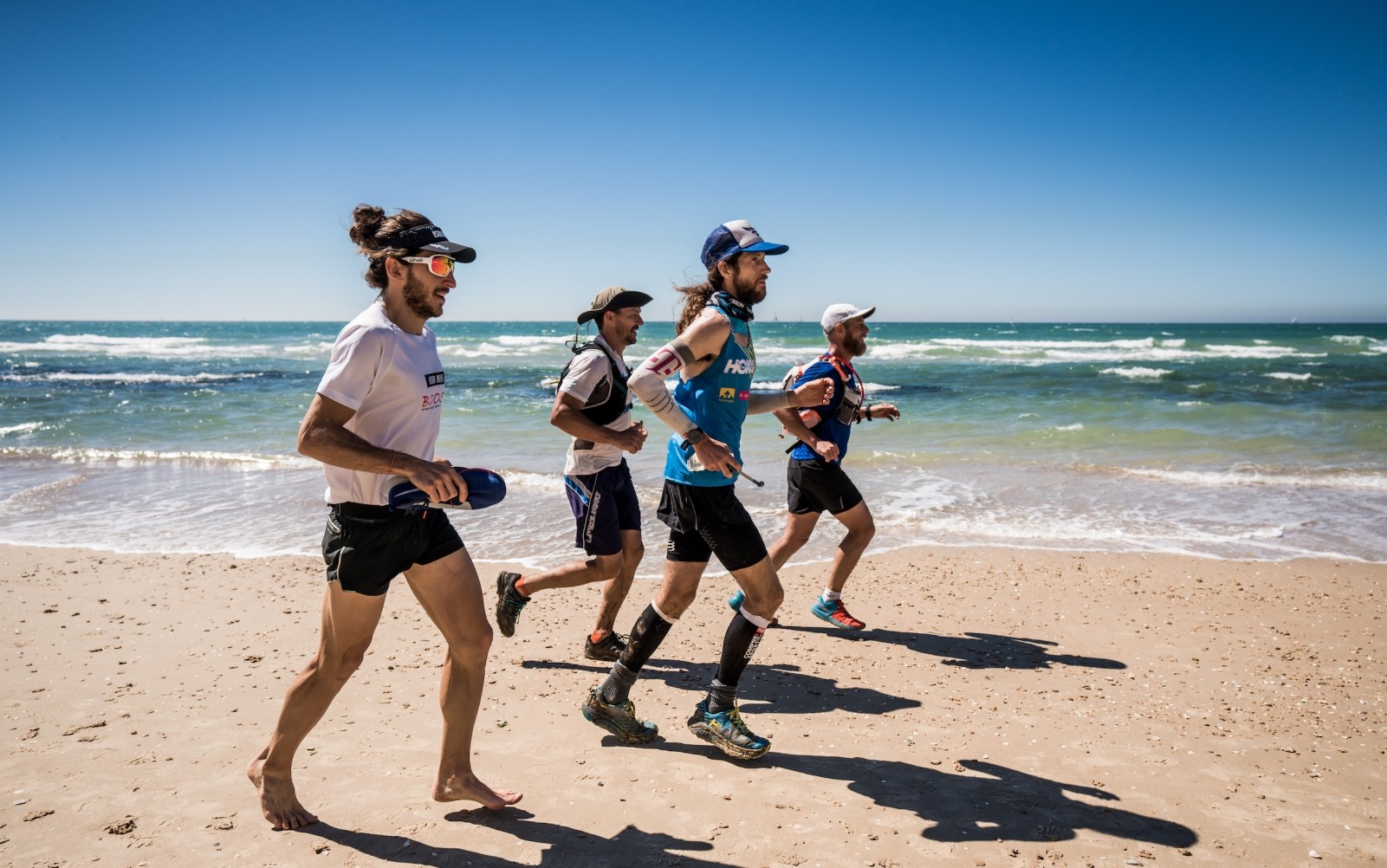
Dauwalter said she got to the 100-mile mark and decided that was “a solid day.”
“When I signed up I didn’t have major plans,” she said. “I wanted to make it at through the night, because that’s always special and fun to see the sunrise.” She did make it through the night, got her sunrise and retired from the race soon after.
“I think this is a really fun format,” she said. “It’s great with the camaraderie. You come back from a lap and go on the Zoom chat with the other runners.” Proctor also noted how fun it was to chat on the Zoom and YouTube feeds.
“It’s so unique,” he said. “When all the runners go off and do their thing, I get extraordinarily busy talking to everybody on YouTube.” He said that he spent around half of his time on the treadmill answering questions viewers had posted on the YouTube live video.
“I found that it was really quite rewarding. It gets your mind off of what you’re doing and it gives you something [else] to do.” While they were both still in the race, Proctor and Coury teamed up and answered questions together, adding some fun banter to the mix as well.
The two finalists had very different setups for the final laps. Brunner ran solo in his house on a treadmill while Wardian took to the streets with a support crew and several cyclists riding alongside him as he ran. The winner of multiple U.S. national titles at ultra distances, Wardian is well known in the running community. He has run the Western States 100 and the Ultra-Trail Du Mont-Blanc multiple times, and he finished 11th at the 2011 Comrades Marathon and third at the 2010 Marathon des Sables.
Brunner is more of an unknown, at least in the North American ultra community, but like Wardian, he has an impressive running resume. He has represented the Czech Republic on multiple occasions, competing at the 24-hour, 100K and trail world championships. At the 2017 24-hour worlds in Ireland, Brunner came 14th. He has also run to the podium four years in a row in the Spartathlon, a 246-kilometre ultramarathon in Greece. Although he didn’t win, after this run, Brunner’s name has become much more well known in the ultrarunning community.
(04/07/20) Views: 84Ben Snider-McGrath
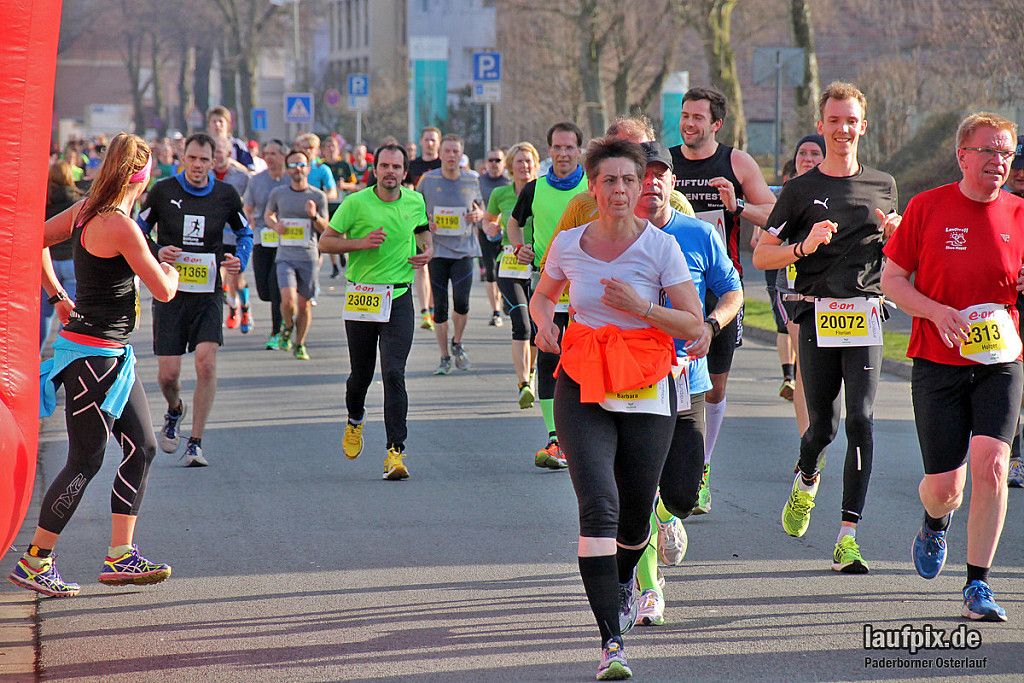
After trying to find a new date the Paderborn Easter Run has decided to cancel their race for 2020
The organizers just posted this: "Just over two weeks ago, it was announced that this year's Paderborn Easter Run would be postponed until late summer.
"In the past few days, the organisers of the Paderborn Easter Run have put all the facts, runners' interests, economic aspects, logistical challenges to the test and weighed up the pros and cons.
"It was with a heavy heart that we came to the conclusion that the Paderborn Easter Run 2020 should be cancelled altogether and that all energy and passion should be invested in the then still 74th Easter Run 2021.
"But what is Easter without the Easter Run? Because the "real" Easter run cannot take place this year, the organizers, together with the Sparkasse Paderborn-Detmold, have considered an alternative running event – the Paderborn Easter Solo Run. The most important requirement for participation is that all routes are run SOLO."
(04/08/20) Views: 71
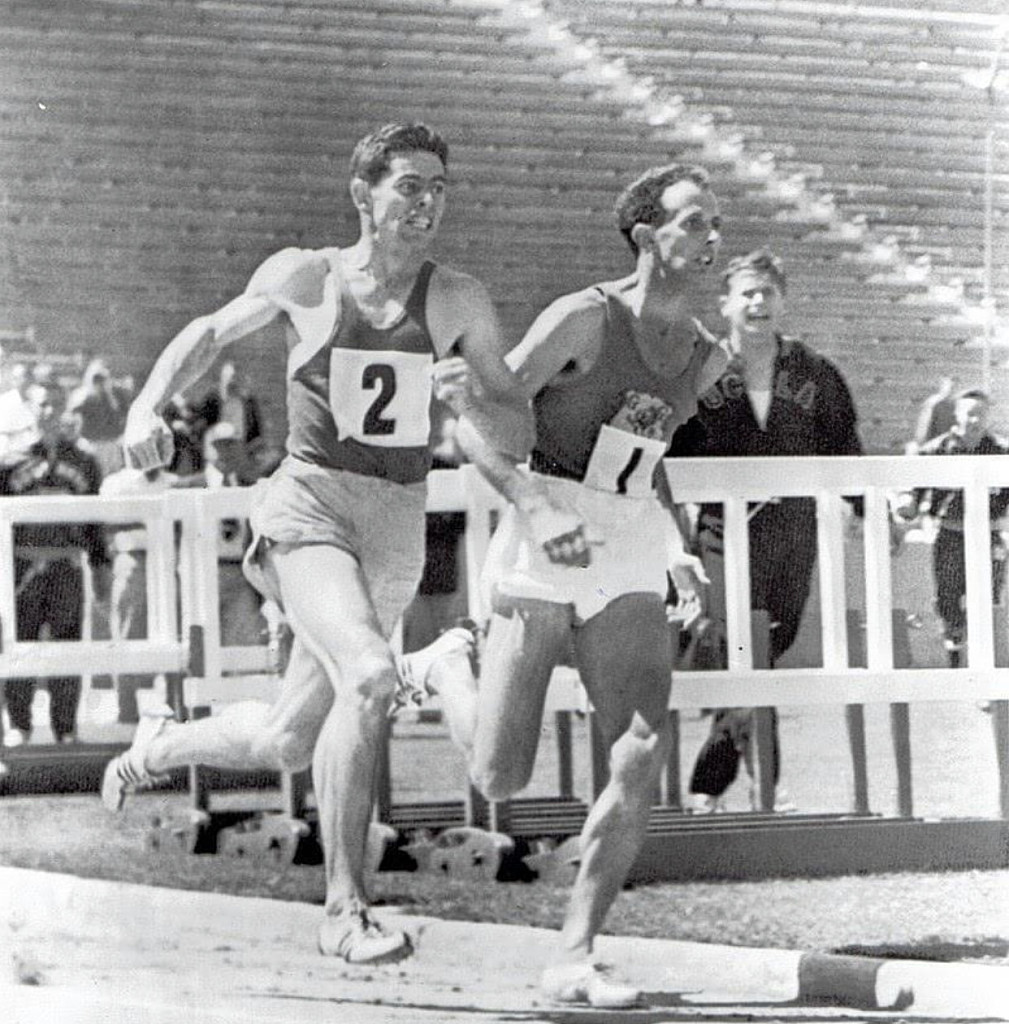
University of Oregon first ever sub four minute miler passed away on March 31
SADDENED to report the passing of the University of Oregon's very first ever sub 4:00 miler...in fact, the first man to ever break that mythical barrier on U.S. soil.
Australian native and Olympic 800 meter man, Jim Bailey, had until recently, resided in Bellingham, Washington. He was in failing health, and sadly, left us on March 31st at age 92.
Bailey had won the 1955 NCAA one mile title over his fellow Duck, Bill Dellinger, but was largely considered "an 880 man with a bum knee". On May 5, 1956 (just more than a year prior to Don Bowden becoming the first American sub four minute man) a special race was held in front of 40,000 spectators at the USC UCLA dual meet.
You see, it was an Olympic year (Melbourne Games) and this was to be a tune up race for the second ever sub 4 man and Aussie legend, John Landy...it was being televised immediately after the Kentucky Derby so Americans could see Landy attempt a barrier breaking first on US soil.
Bailey, the former Sydney rugby player, was in the race as 'mere filler'...his best at the time was in the 4:05 vicinity...well, long story short on the last lap Bailey pulls alongside Landy, pats him on the back and said "let's go John"...Landy tried to make a move but couldn't respond, and Bailey eeks out the surprise win, 3:58.6 to 3:58.7... thereby running the very first EVER sub 4:00 in the land of opportunity.
(04/04/20) Views: 61Mike Fanelli
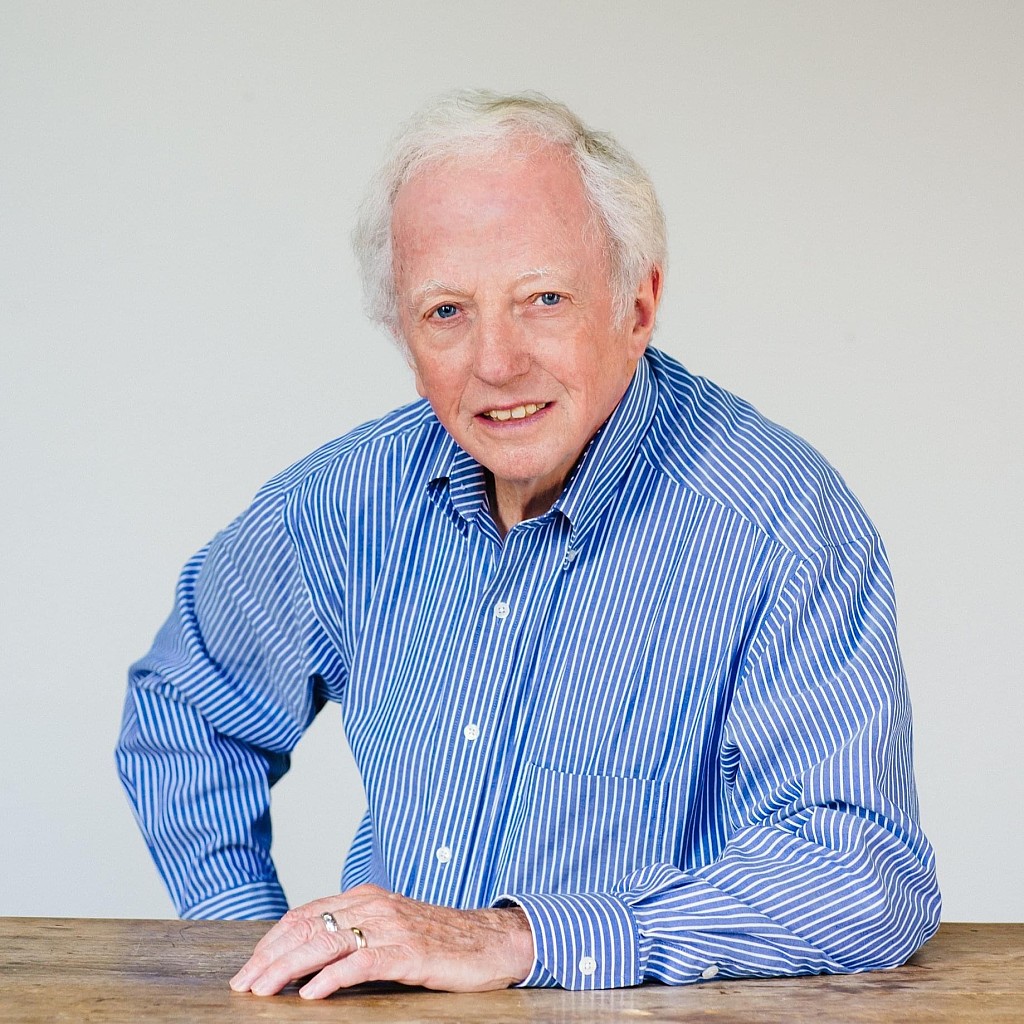
Good luck to all of you trying to figure out what to do until we can go back to running as always
I’VE LOST WEIGHT! Probably a half dozen pounds since January, when we departed our Indiana home aimed at our winter hang-out in Florida. Normally, weight loss would be reason to rejoice. Drop a half dozen pounds, and you might be able to drop a half dozen minutes from your marathon time.
But that assumes the pounds lost are fat, the more of which you carry, the slower you run. I feared that the pounds lost was muscle mass. Losing muscle very definitely will not make you a faster runner.
The reasons for the weight loss were simple. Stress surrounding The coronaVirus had sent my wife Rose and I into a deep funk. We lost our appetites. We lost energy. We lost sleep.
But more the problem, we lost use of The Lodge & Club, the ocean-front hotel property owned by Gate Petroleum, sponsor of the Gate River Run. Normally, we spend a lot of time at The Lodge’s fitness center, which boasts a heated outdoor pool. Rose works out daily with an aquarobics group that includes many of our best friends. I start in the gym with a routine of a half dozen machine exercises: upper-body, lower-body, core. Then I head to the pool to both run in chest-deep water and swim laps. I finish soaking in the whirlpool.
That’s my morning workout. Afternoons, I go for a short bike ride to a favorite coffee shop. Weekends, Rose skips the pool and joins me for a long bike ride to a Panera for coffee and bearclaws.
But all that was stolen from me when early in March The Lodge closed its gym, its pool and even access to the beach. Guests quickly checked out. Security guards roamed the property. We substituted activities with little enthusiasm. Rose and I walked from our condo to a nearby marsh and stared at turtles. I continued short bike rides in the afternoon but failed to stop for coffee. Even those minimalist “work-outs” seemed to drain all the energy we possessed. And the weight loss began and with it my hard-earned fitness.
Earlier this week, Rose and I flew home to Indiana. While we have many friends in Florida, we have family in Indiana, most precisely our first son Kevin and his wife Camille. Add to that several grandkids living and working in Chicago. If something happened, they would care for us.
But, as in Florida, change has been forced on my Indiana fitness routine. In the World That Was, Rose and I would bike frequently to a coffee shop. On the way home, I would stop at a community center featuring a gym. Not as plush as The Lodge in Florida, but strength machines are strength machines. I haven’t checked, but I suspect the gym has closed. And the coffee shop.
People argue about the point when we begin to lose fitness if we stop training. I don’t want to suggest a number, but in my case I have begun to halt the decline.
The first day after arriving home, I went for a short walk. And the day after that a slightly longer walk. And the third day, still more. I am functioning like a beginning runner, a few steps at a time. A little more each day.
In the basement, I have a Health Rider, a machine that allows me to exercise my upper and lower body. Winters, Rose and I store our bikes at The Bike Stop, which caters to cyclists. I need to call and have the bikes delivered. Mostly, I need a fitness routine, one that I can follow with some regularity until the World is no longer crazy. Good luck to all of you trying to figure out what to do until we can go back to running as always.
(04/04/20) Views: 56Hal Higdon
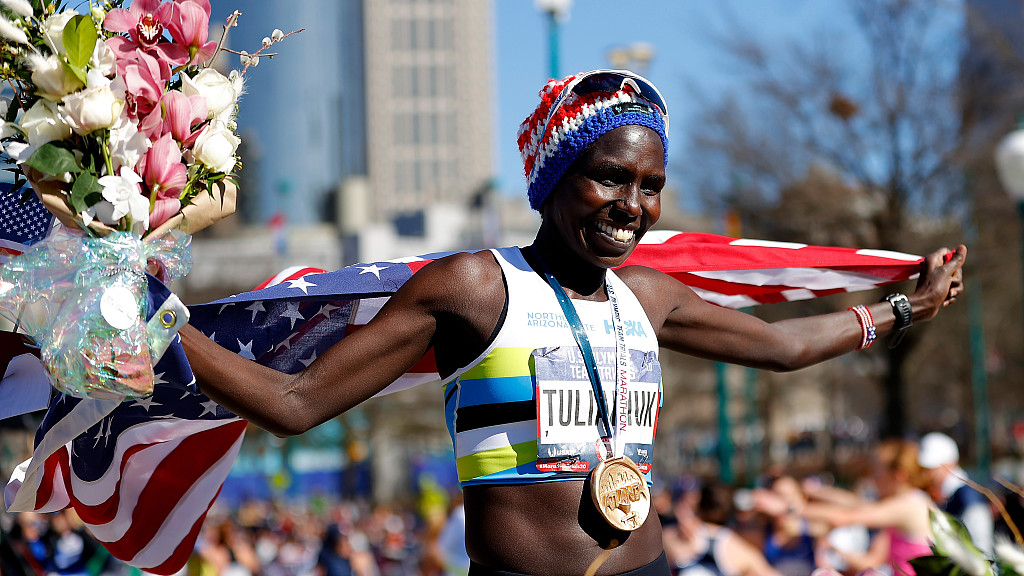
Aliphine Tuliamuk still remembers the day she received her first pair of running shoes
Nearly twenty years ago, the future 2020 U.S. Olympic Marathon Trials champion was just another promising young runner in the Rift Valley province of her native Kenya. Only 11 years old, she was selected to compete in the state meet in the 10,000m after outracing older girls in the arduous event.
On their way to the competition, her coach—Geoffrey Ptormos, a distant relative of Tuliamuk’s—arranged for Tegla Loroupe to come meet the team. The local Kapenguria legend was training for the 2000 Olympic Games as the favourite for the marathon and the 5000m, and by then had captured two New York City Marathon titles, three World Championship half marathon titles, and was the world record holder in the marathon twice over, with her best effort of 2:20:43 standing until September 2001.
But Tuliamuk didn’t know any of that quite yet. Instead, it was Loroupe who was quite taken with the young runner’s abilities.
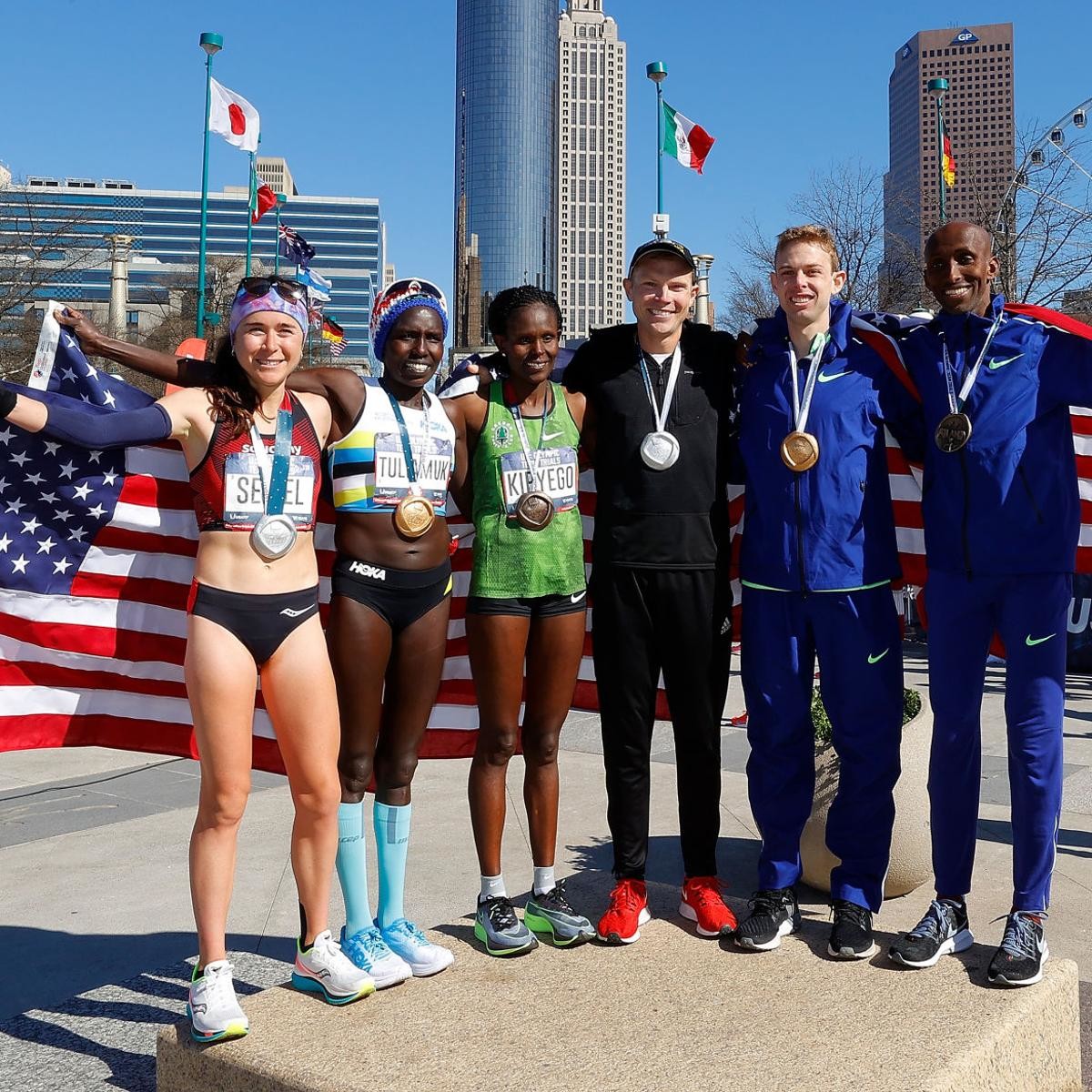
“The athletes I had beaten in the 10,000 were way older than me, so Tegla was very impressed by my performances,” Tuliamuk remembers. “She ended up giving me a pair of shoes and she became my hero instantly.”
Tuliamuk didn’t race in the brand-new flats right away— “no way, I wasn’t used to wearing shoes and racing, I thought they would hold me back” —but she treasured the gift, saving the new shoes for special occasions.
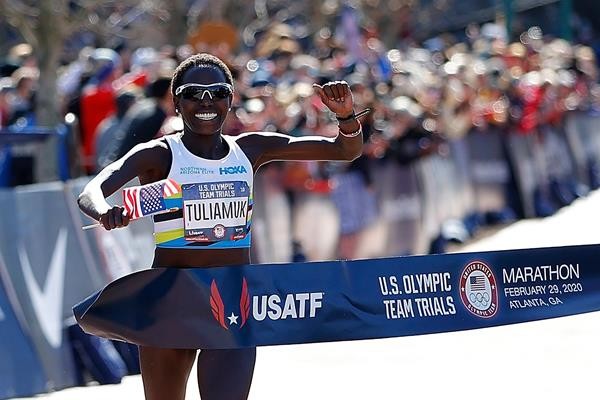
“It meant the world to me,” she says. “I was barefoot at the time, so to get this really beautiful, clean pair of shoes from her was awesome.”
Modest roots.- Tuliamuk shrugs off her humble upbringing as normal.
She and her 31 siblings, all born to the same father from four different mothers under the culturally accepted practice of polygamy, ran two miles, barefoot, to and from school everyday, as did her friends. Running is so ingrained in everyday life that those with natural abilities in the sport are easily spotted. But of Tuliamuk’s immediate community, she was the only one to pursue competitive running.
Ptormos noticed Tuliamuk’s burgeoning talent and invited her to come live with his family in a neighboring village after the state competition in 2000 so he could coach her. She lived with them on and off for eight years, until she finished high school.
Her best performance during that time came in 2005, when she placed ninth in the World Junior Cross Country Championships as a 15-year-old. The 6km race was held in Saint-Galmier, France, where the beds were the size of three beds back home and the travel van was outfitted with mini TVs. At the race after party, runners danced to music and chowed down on fancy French pastries.
The event opened Tuliamuk’s mind to the vast opportunities that running could afford her.
But as the idea of running professionally and competing in the Olympic Games lodged itself in her brain, Tuliamuk also wanted to succeed in the classroom. Athletics were not a big priority at her high school and by her last year, she had stopped running entirely.
(04/03/20) Views: 52worl Athletics
Under Armour brand is manufacturing face masks for hospital workers amid Coronavirus
Under Armour is the latest brand to pivot production to assist in the fight against novel coronavirus.
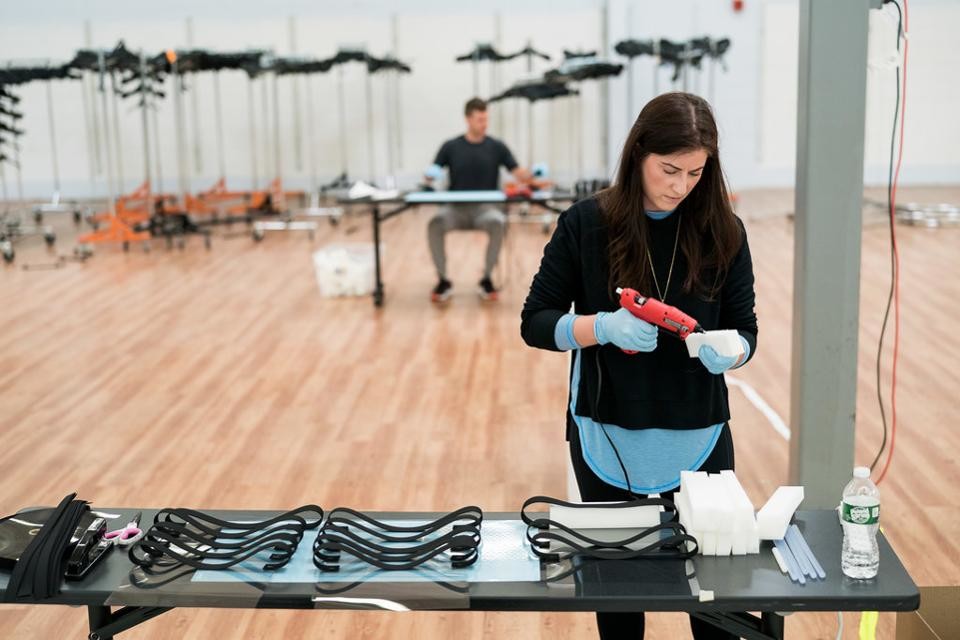
The Baltimore-based footwear and apparel brand announced on March 31 it plans to manufacture and distribute more than 500,000 fabric face masks while assembling and distributing 50,000 specially equipped fanny packs to support the 28,000 healthcare providers and staff that comprise the University of Maryland Medical System (UMMS).
“This is an unprecedented time. Companies with the ability to innovate and provide resources to make a difference are needed now more than ever,” Under Armour CEO Patrik Frisk said in an e-mail. “Our partners at the University of Maryland Medical System and other medical organizations on the frontlines of this pandemic are facing a new kind of challenge. We hope to deploy our heritage in helping make athletes better—as well as our legacy of local community support—in this new way to help the heroic healthcare workers as they make the lives of all better every day.”
The United States is currently facing a face mask shortage as novel coronavirus continues to sweep through the nation; as of 9:20 a.m. March 31 there are more than 161,000 confirmed cases of COVID-19 and more than 3,000 deaths.
With numbers rising and the demand for medical equipment also increasing, various sports companies have stepped up to contribute during these unprecedented times.
Fanatics announced on March 26 it is partnering with Major League Baseball to support emergency personnel in the fight against novel coronavirus by making hospital face masks and gowns out of the same material used to make baseball jerseys. Nike announced on March 25 it is prototyping personal protective equipment including face shields with guidance from healthcare workers at Oregon Health & Science University. New Balance is producing prototypes for face masks out of its manufacturing facility in Lawrence, Massachusetts, with the hopes to scale production throughout its other New England factories soon.
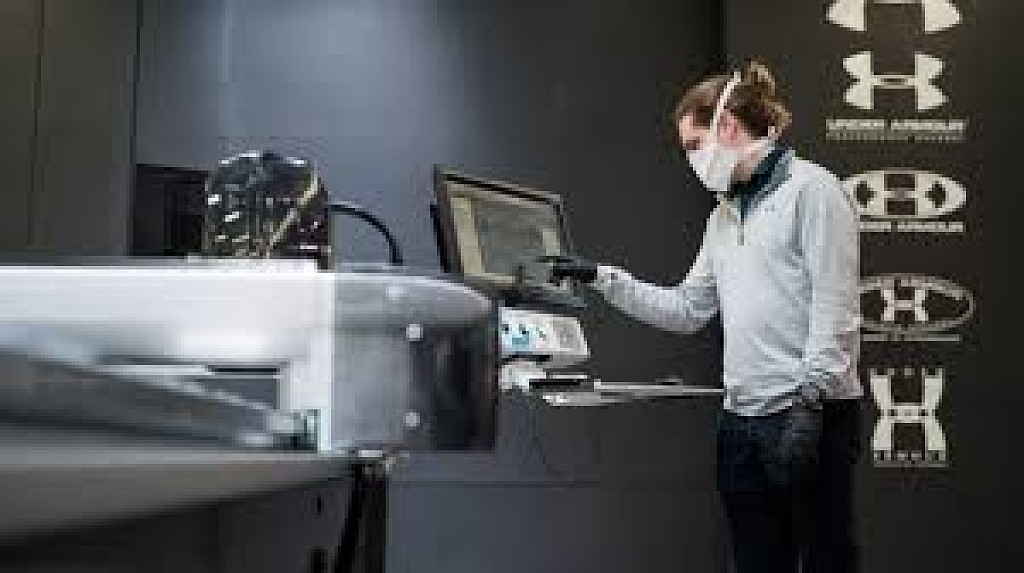
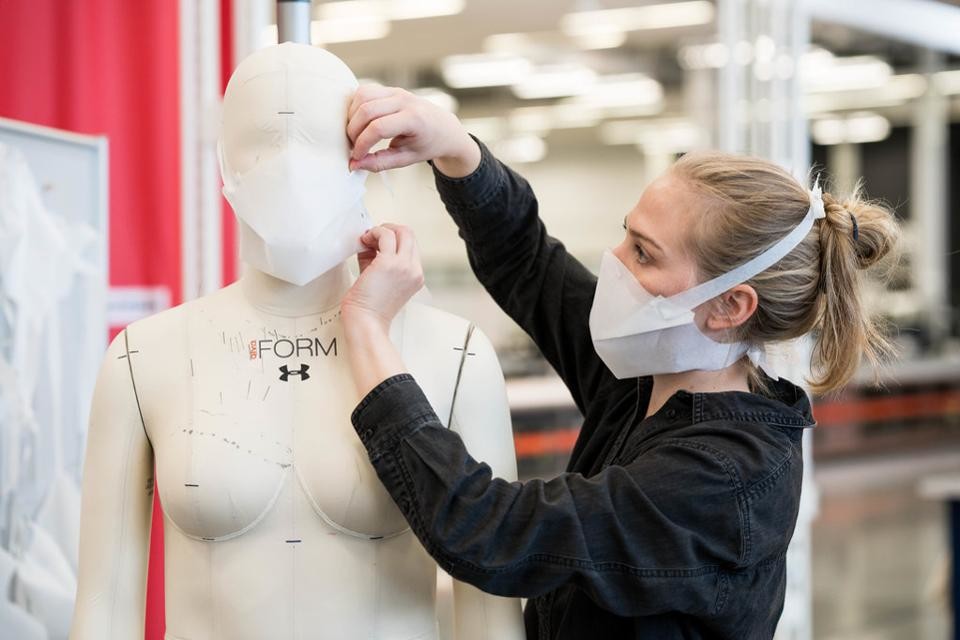
Under Armour designed a one-piece face mask that doesn’t require sewing. The mask’s origami-style folds mold the fabric into the desired mask shape. Under Amour senior vice-president of advanced material and manufacturing innovation Randy Harward estimates the company can generate as many as 100,000 masks per week moving forward utilizing its knife cutter which can carve nearly 100 pieces of fabric at once.
The brand is not only helping supply healthcare providers and staff at UMMS, it has begun providing face masks to LifeBridge, a regional health care organization based in Baltimore, and is in discussion with Johns Hopkins Medicine, MedStar and other local medical institutions regarding supplies.
Under Armour, which is exploring 3-D printing N95 and N80 masks for medical professionals, has already delivered 1,300 face shields to UMMS.
“Ensuring the health and safety of our medical staff and patients is our first priority,” said Dr. Mohan Suntha, president and CEO of University of Maryland Medical System. “The national shortage of personal protective equipment has put our hospitals—and every other hospital in the country—under intense pressure to manage supplies while delivering care in a setting that is safe for our patients and employees.
(04/04/20) Views: 50Michael LoRé
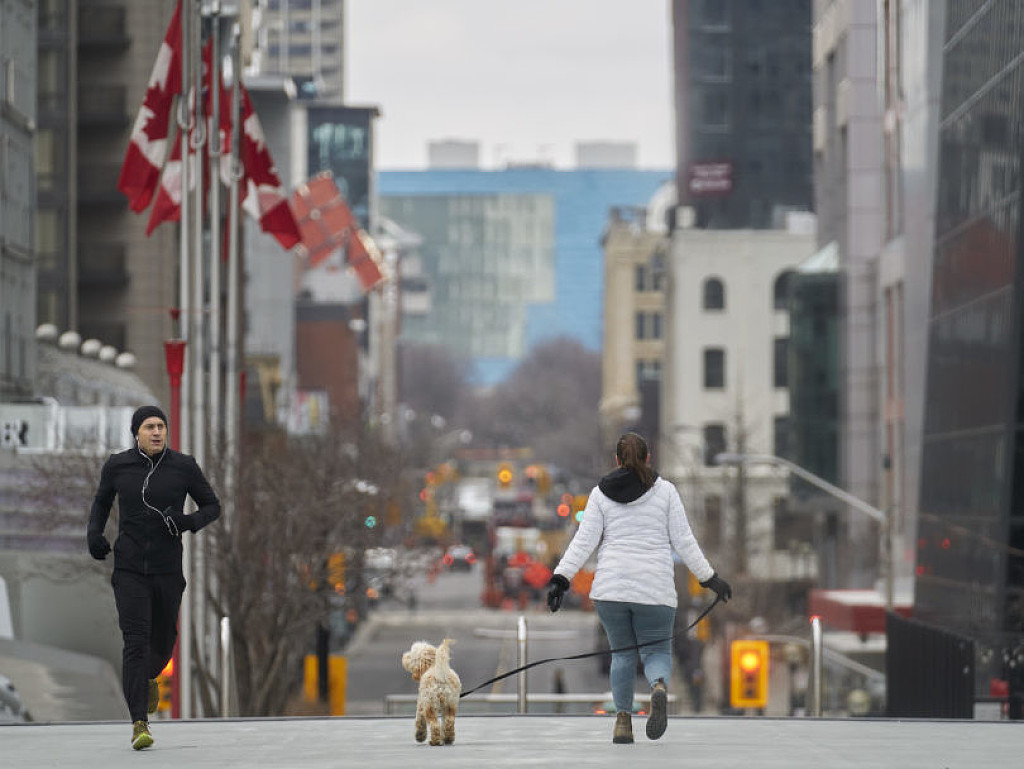
On Thursday the City of Toronto implemented a fine of up to $5000 for anyone running or walking and not staying at least two meters apart
On Thursday afternoon, the City of Toronto announced their newest COVID-19 related by law: requiring people in parks and public squares to remain two meters apart (if they don’t live together). It will be in effect for at least the next 30 days and could result in a fine of up to $5,000. The by law and related fine is a result of the growing number of hot spots in the city where people are congregating. Those spots include Sunnybrook Park, Humber Bay Park and Canoe Landing, which are all frequented by runners.
Beyond the mentioned hot spots, Mt. Pleasant Cemetery, another popular Toronto running location, was closed to the public on Thursday. CTV News spoke with Josh Matlow, city councilor, who said, “The Mount Pleasant Cemetery, for those of us who live in midtown and people across the city, is a place where we can escape the big city. But far too many people have not been adhering to social distancing.”
The City of Hamilton, as of Friday morning, has closed Bayfront Park for the same reason. This follows last week’s closure of Hamilton-to-Brantford Rail Trail, the Dofasco 2000 Trail and the Lafarge 2000 Trail–all popular running spots.
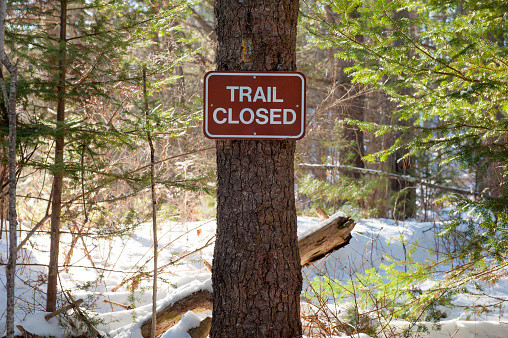
All tracks in Ontario closed.- As of this week, the province has closed all outdoor recreation amenities, which includes tracks and sports fields. This is being enforced with officers patrolling the grounds of high school, university and community tracks.
All tracks in Ontario closed.- As of this week, the province has closed all outdoor recreation amenities, which includes tracks and sports fields. This is being enforced with officers patrolling the grounds of high school, university and community tracks.
British Columbia has made a similar announcement.- Last week B.C. also issued a similar notice, closing the province’s recreation facilities and trails.
Where can you run?.- With these closures, runners are encouraged to hit the treadmill if they have one, run in less-popular areas, and try their best to workout at home. While it’s very possible to maintain a two meter distance from another person while running, it’s hard to do so in a crowded area. If you’re finding it hard to keep your distance on your usual running route, try a new one for the time being.
The roads are the best bet for getting mileage in at the moment. Thankfully, traffic is minimal right now, so heading out (especially early in the morning) is a good way to get a solo run done.
(04/03/20) Views: 50Madeleine Kelly
