

Running News Daily
Top Ten Stories of the Week
8/16/2025
These are the top ten stories based on views over the last week.



KATA Welcomes Coach Dennis Musau as Chief Technical Officer
KATA is excited to announce the appointment of Dennis Musau, also known as Coach Dennis, as Chief Technical Officer (CTO), reporting directly to KATA founder Bob Anderson. His official start date is Monday, August 11, 2025.
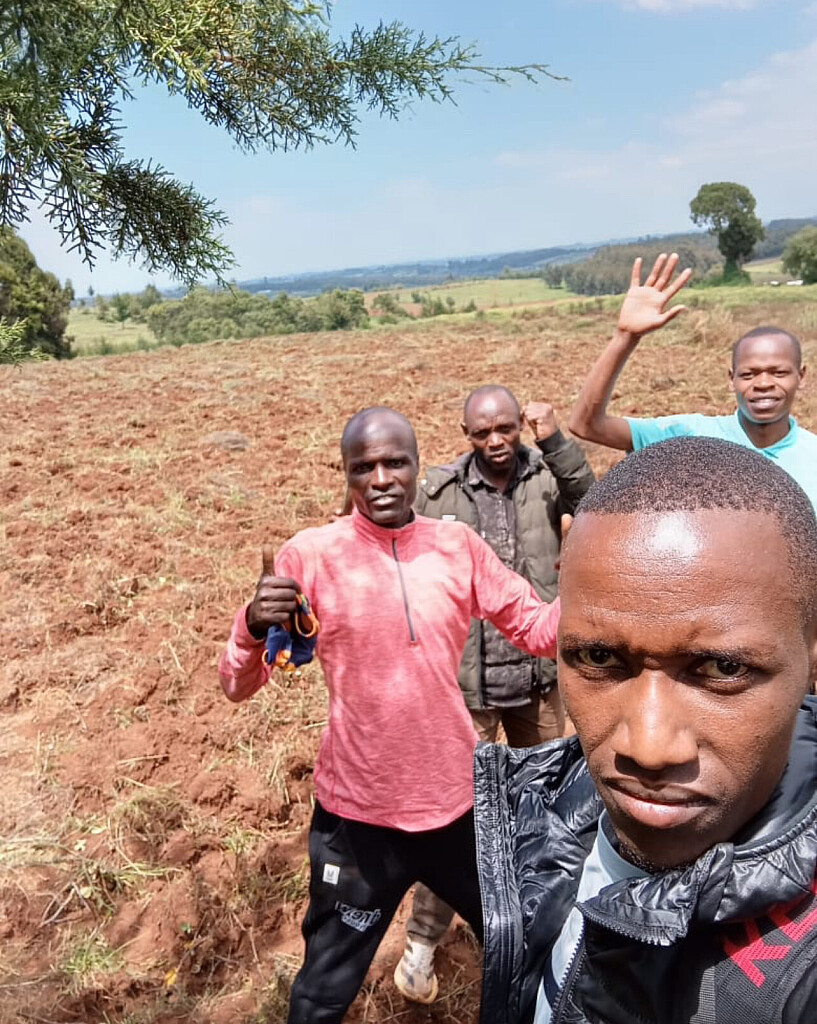
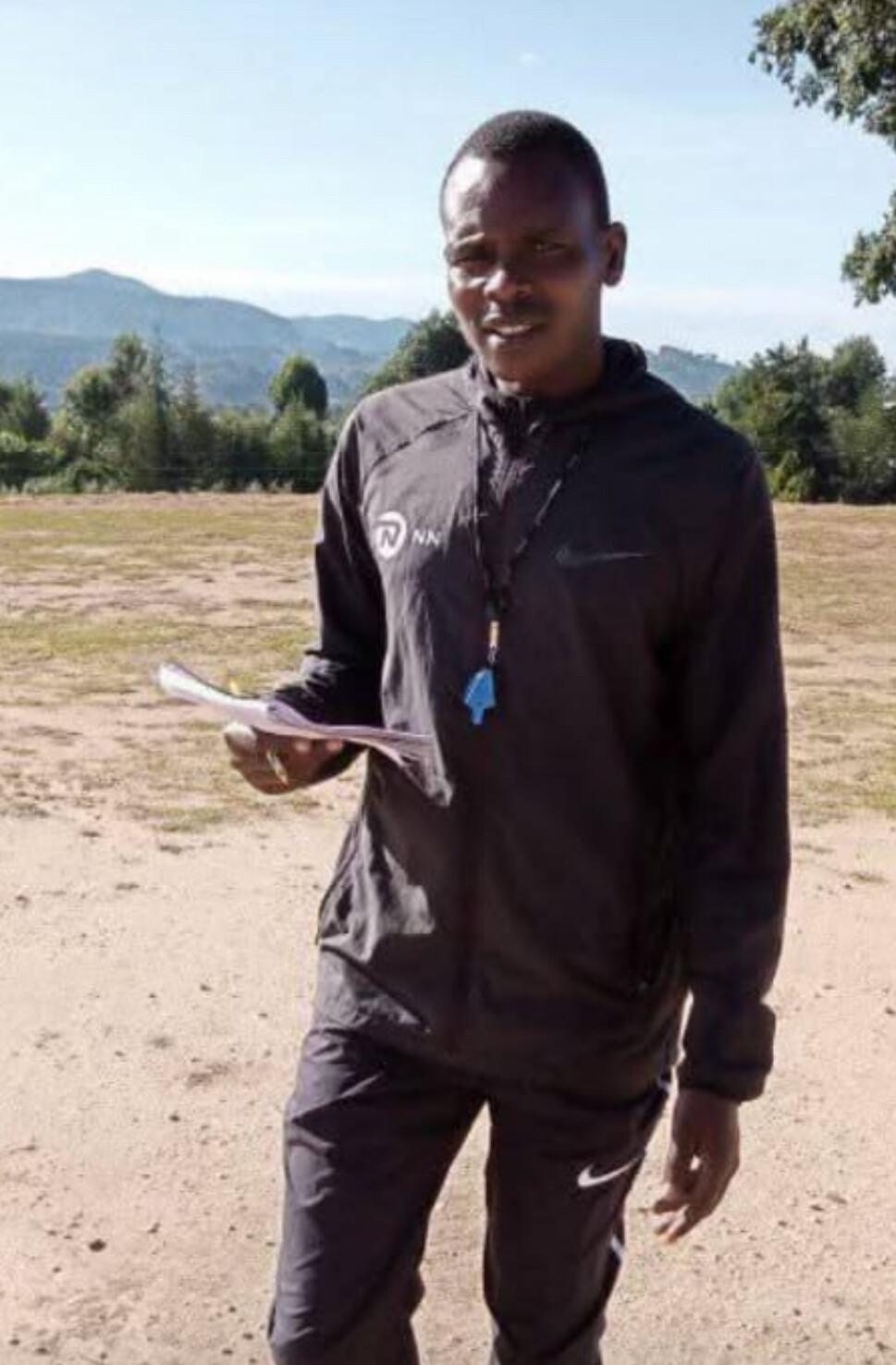
Coach Dennis (first photo: out for a few miles this morning with Bob Anderson and Anderson Manor project manager Alberto near KATA Portugal) has been working with Bob and Catherine Anderson since 2021 and is currently completing his second three-month term at KATA Portugal, housed at Anderson Manor in Monforte da Beira. In his new role, he will be working full-time from both Portugal and KATA Thika in Kenya.
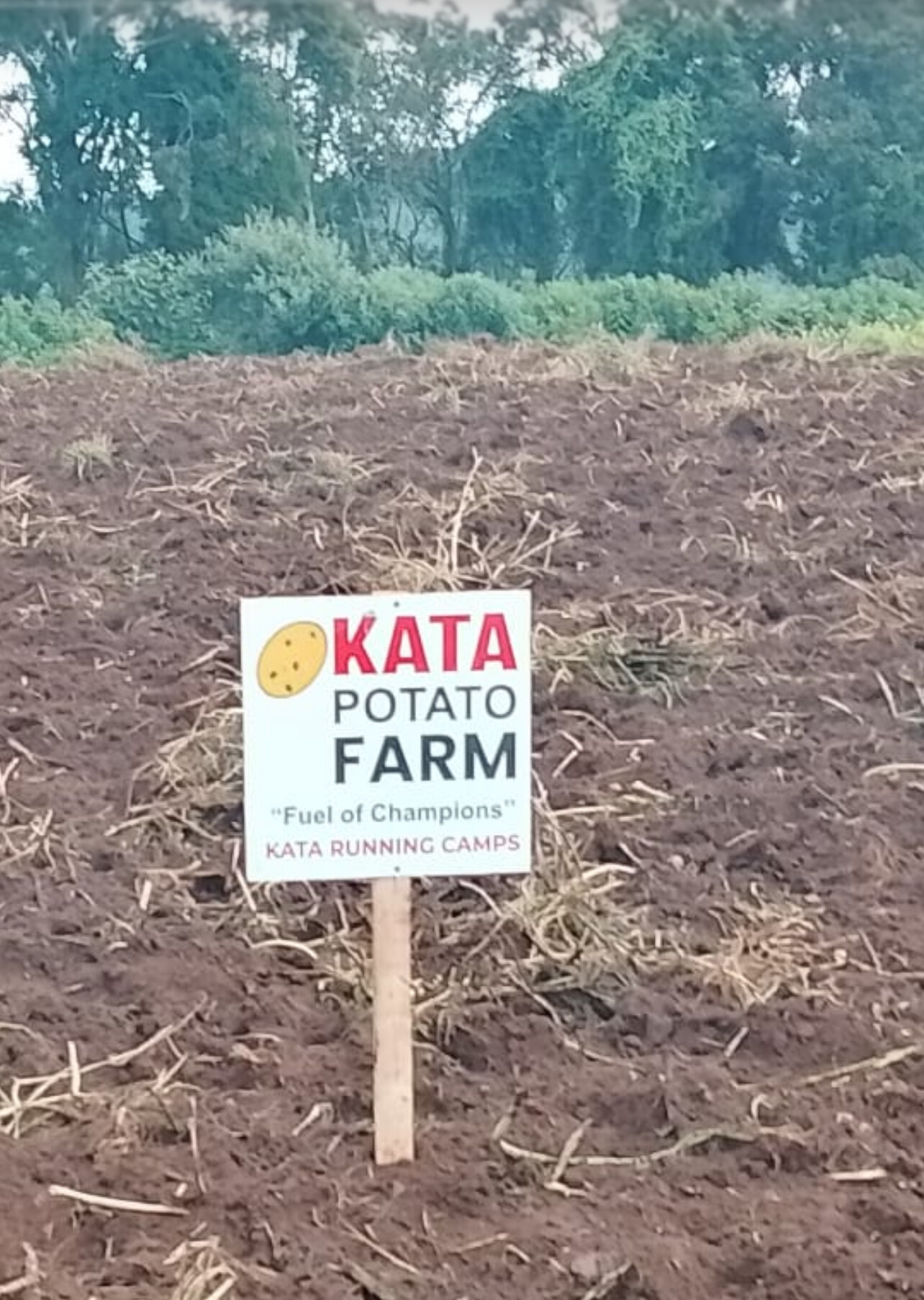
“I am so excited about our KATA project—both our KATA Running Camps and KATA Potato Farm projects,” says Coach Dennis.
“Bob Anderson has truly come up with a unique idea that is growing like wildfire throughout Kenya. Bob signed up our first camp on May 16, 2025, and already we’ve attracted Olympic-level runners and coaches to operate them. We have opened 30 KATA Running Camps and an additional 20 stand-alone farms, most growing two or more acres of KATA potatoes. This means we now have 30 KATA Running Camps, 20 KATA Farms, plus our KATA Thika and KATA Portugal Running Retreats training guests year-round.”
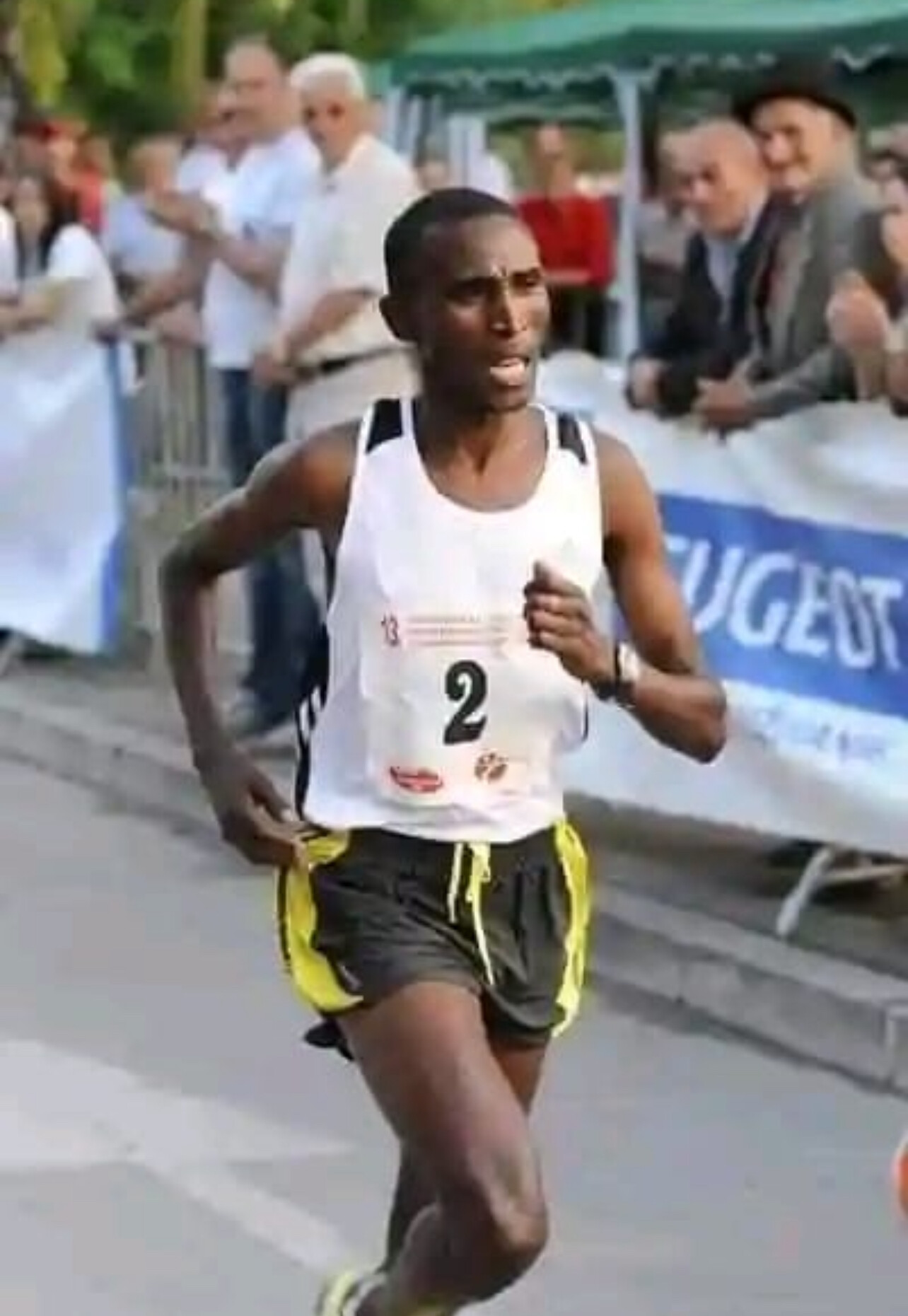
About Coach Dennis
Dennis graduated as a mathematics teacher in 1998 before shifting his career to athletics. Over the years, he has competed worldwide in a wide range of events, including the 3,000m steeplechase, 5,000m, 10,000m, 15km, half marathon (21km), and marathon (42km). His athletic journey began in high school as a 400m hurdles runner before a teacher encouraged him to move into long-distance events. He transitioned to the 3,000m steeplechase, then later to the 5,000m and 10,000m, achieving success across multiple distances.
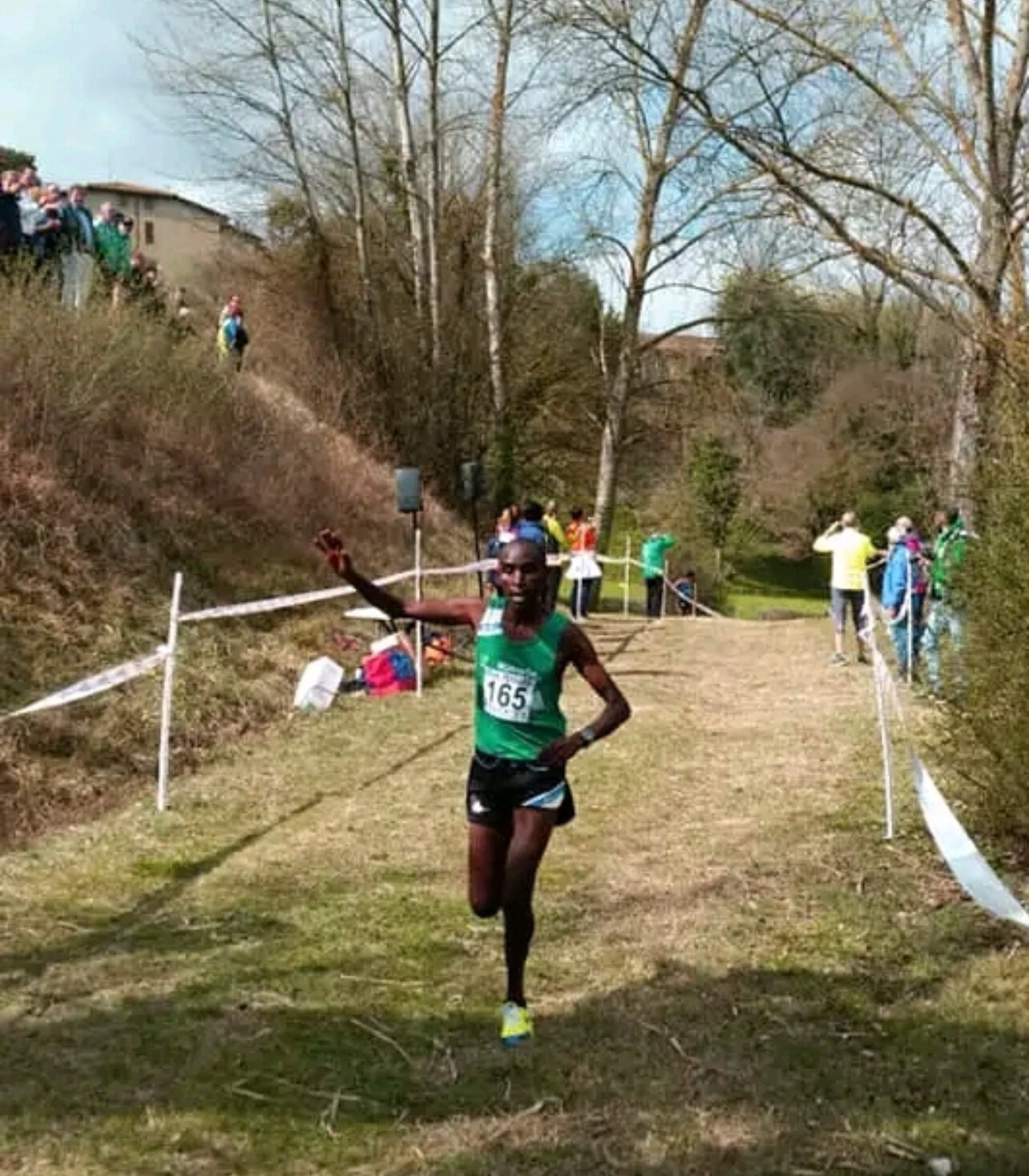
With decades of experience in both competitive running and coaching, Dennis brings a unique blend of technical expertise, leadership, and passion to help guide KATA’s growth in Kenya and beyond.
(08/10/25) Views: 351Boris Baron
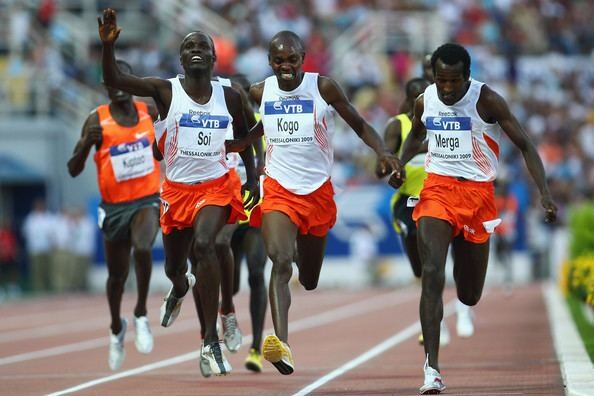
More Than a Medal: How Olympian Edwin Soi is Shaping the Future of Kenyan Running - KATA 05
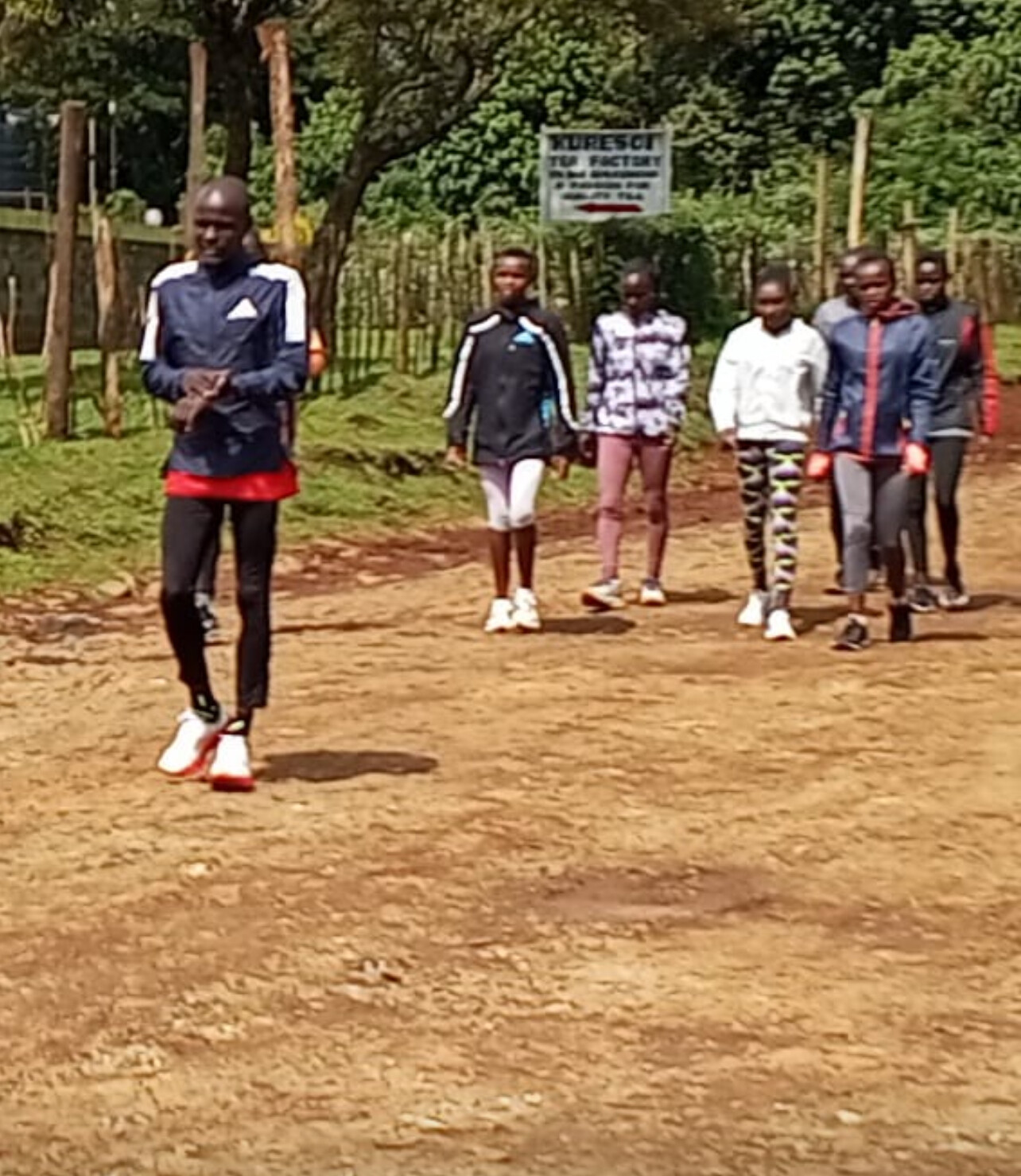
In the misty highlands of Kuresoi, nestled at a staggering 2,700 meters above sea level, an elite training camp quietly hums with the sounds of determination — rhythmic footfalls, laboured breaths, and the occasional cheer of encouragement.
Along reddish-brown murram trails, sandwiched between dense trees of the Mau Forest, young athletes glide through the early morning fog. This is no ordinary running camp. It is the dream and daily labour of Edwin Cheruiyot Soi, one of Kenya’s most decorated long-distance runners, now turned mentor, marathoner, and coach.
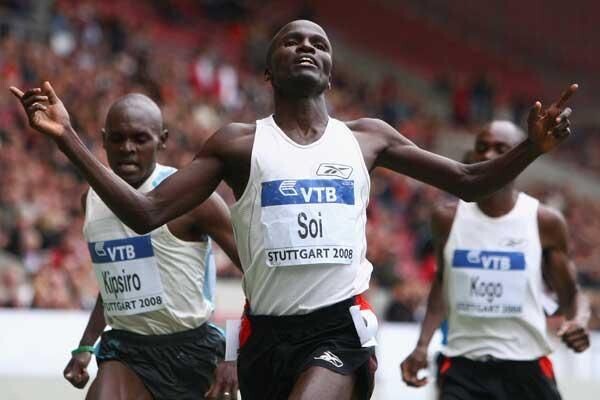
Soi, known for his Olympic bronze medal in the 5000m at the 2008 Beijing Olympics and a glittering career on the track, hasn’t slowed down. While many of his peers have moved on from competition, Soi remains actively racing marathons, coaching, and living side by side with a rising generation of athletes.
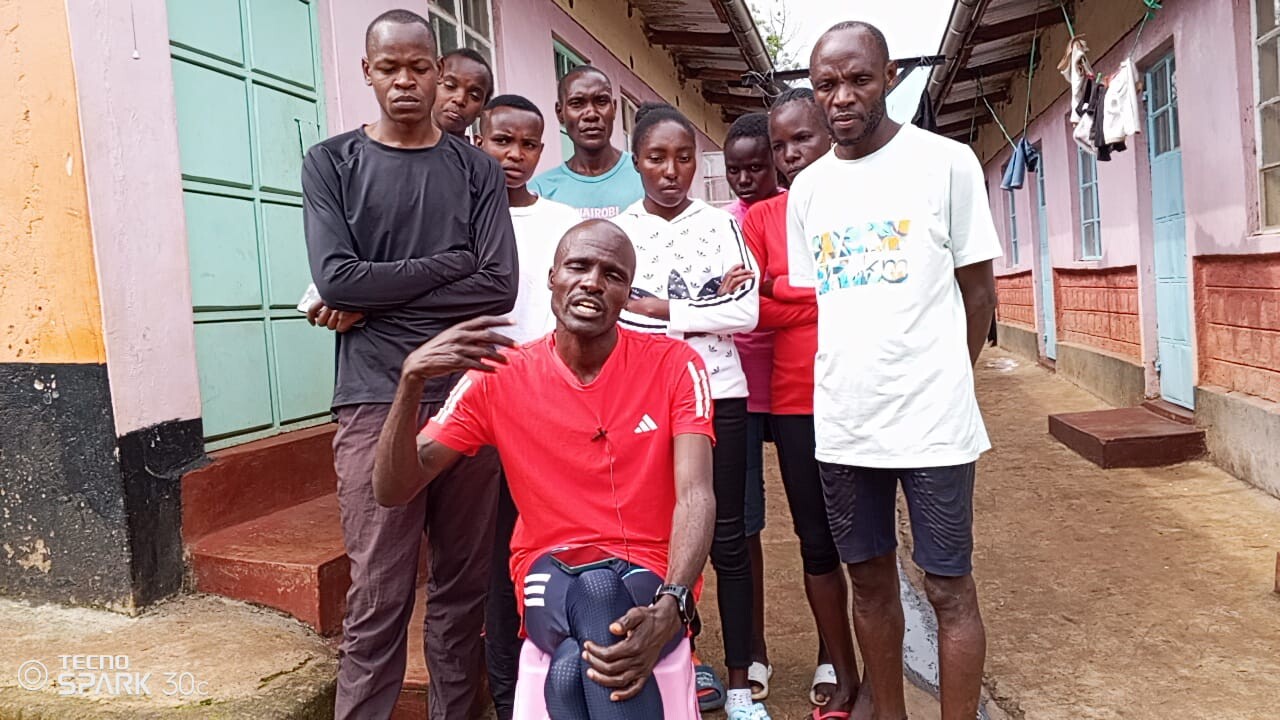
“I have run for long, from World Championships and World Indoors to the Olympics,” Soi says after a long training session. “With all that experience, I saw it wise to share my expertise — not just with young athletes, but with anyone willing to train with discipline.”
Still Racing, Still Leading
Every morning, Soi joins his athletes in their rigorous routines. From tempo runs along the forested trails to fartlek and speedwork sessions, he leads by example.
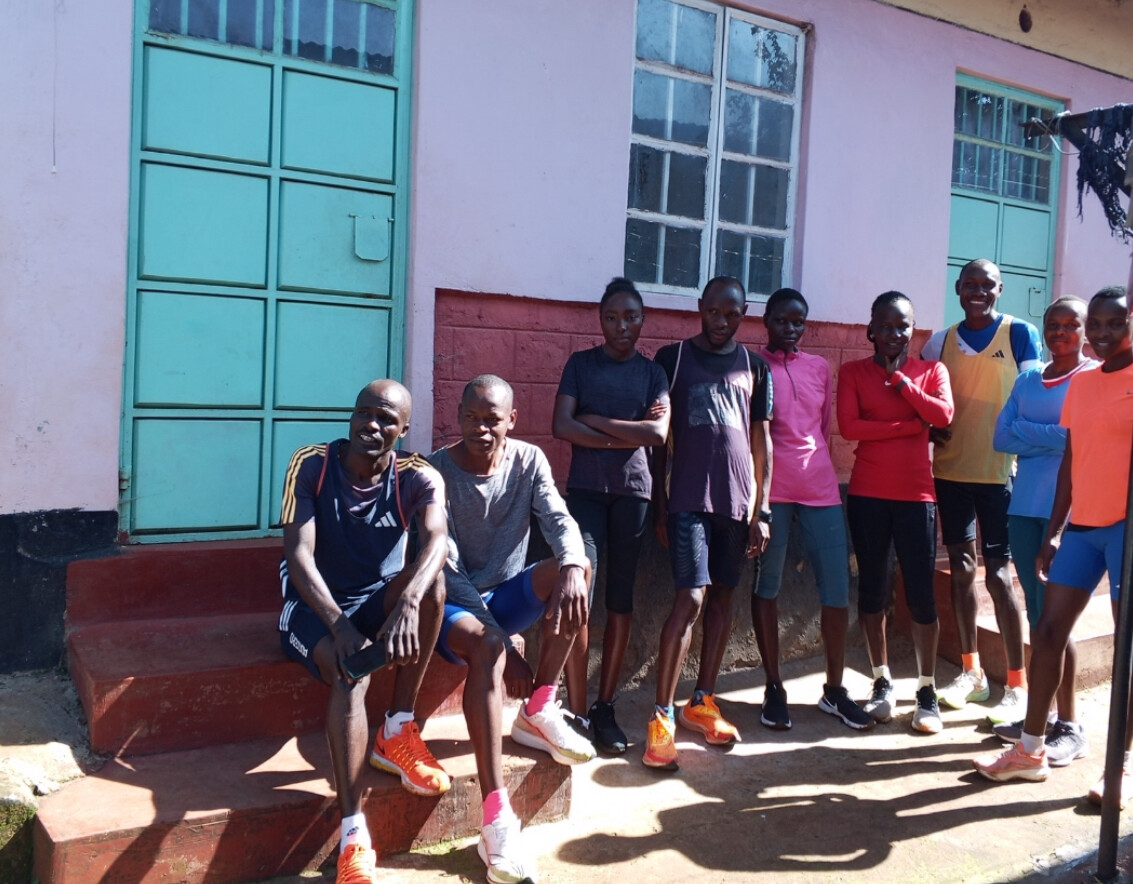
“My athletes don’t just see me as a coach — I run beside them,” he says. “They learn from how I train, rest, and carry myself. That’s leadership by presence.”
For the athletes, it’s not only inspirational — it’s transformational.
Margaret Ndirangu, a promising athlete from Central Kenya, beams with gratitude:
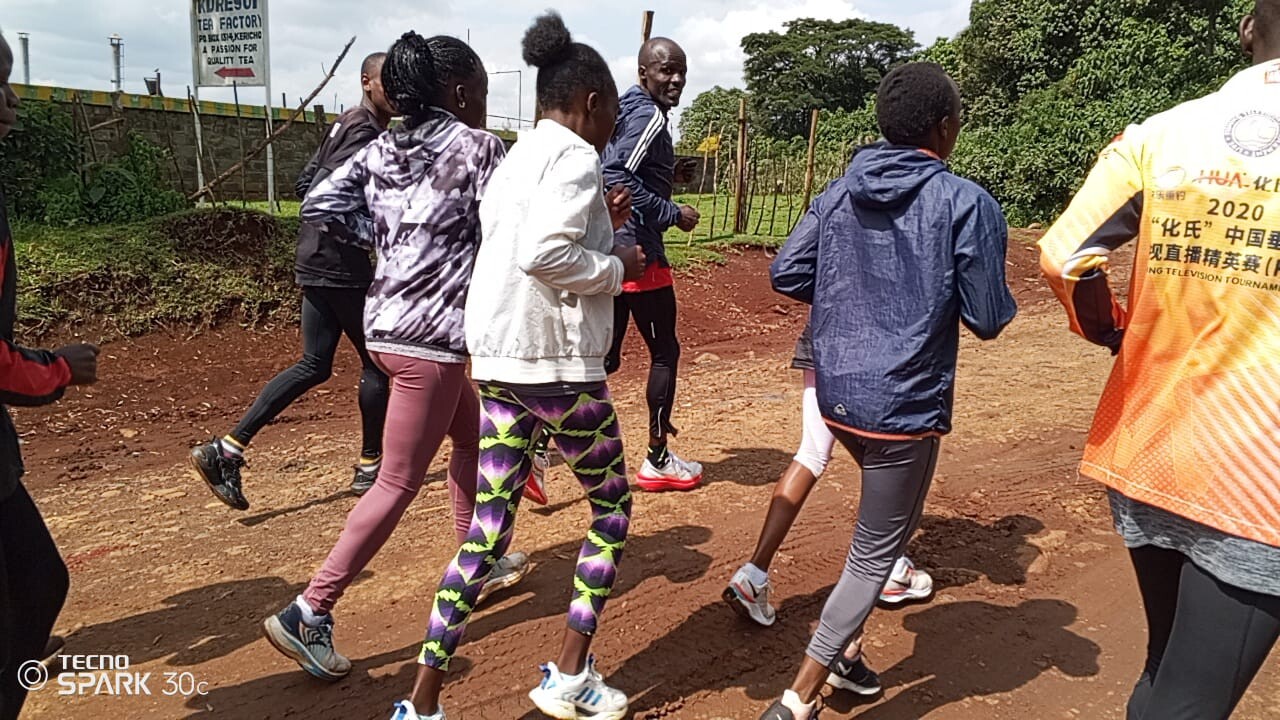
“I have nothing more than joy. Being at Soi’s camp is more than home to me. We eat well, sleep well, and train well. Running alongside an Olympian like Edwin Soi is a huge motivation.”
Gilbert Kenduiywo, a full marathon runner, agrees:
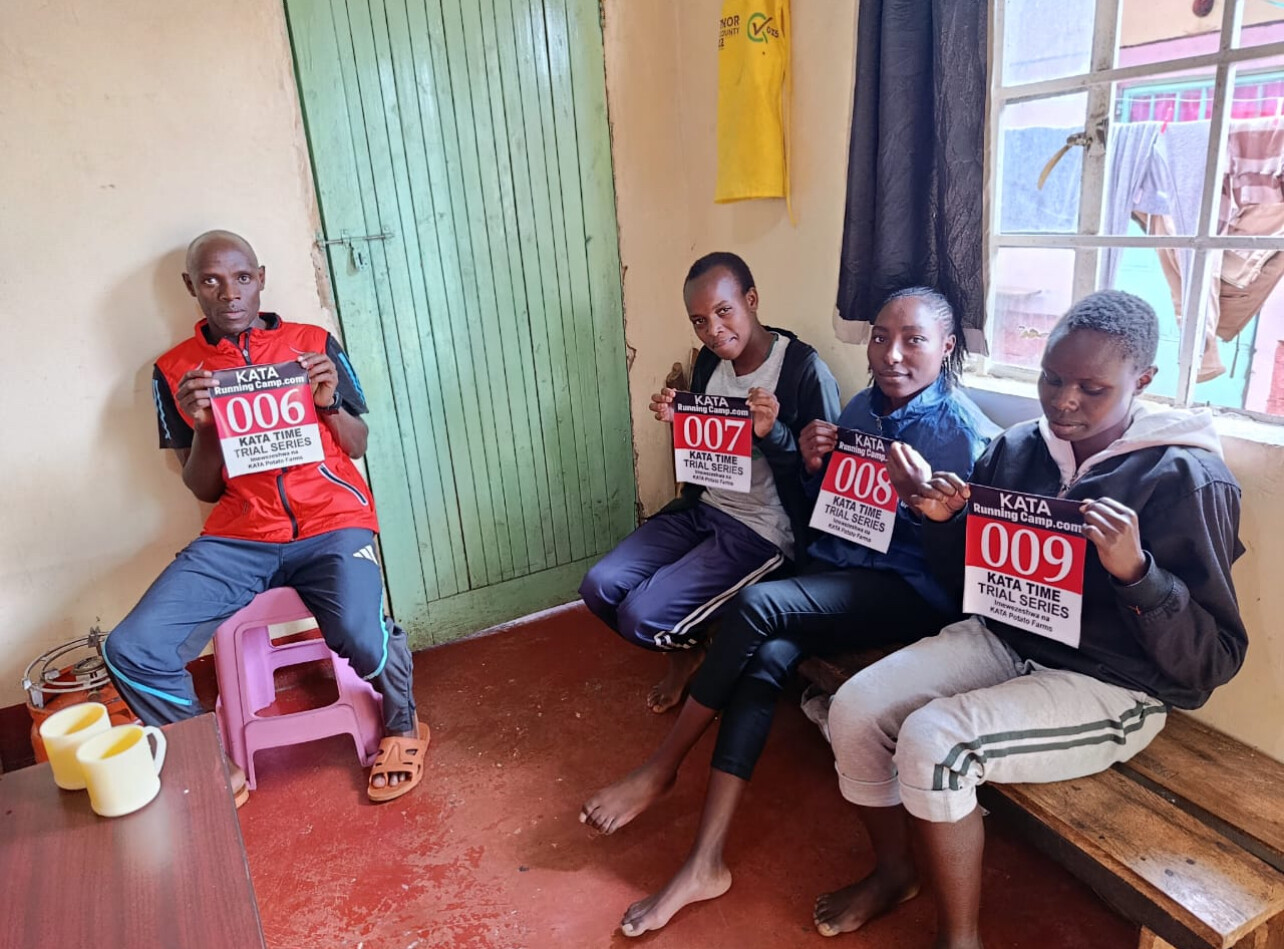
“I thank Soi because he has brought us from where we were, courtesy of Bob Anderson. Running involves dedication, and it is through this that we now have a place to live, eat, and train. I also thank Bob Anderson for the noble idea. Engaging in farming as an income-generating activity after training means a lot to us.”
Kuresoi: Nature’s Perfect Stadium
The rugged beauty of Kuresoi is more than just scenery; it's a natural high-performance lab. The red-earth trails, the crisp mountain air, and the altitude of 2,700 meters form the ideal foundation for endurance athletes.
“Our routes weave through Mau Forest,” Soi says, pointing to a distant hill where runners disappear into the mist. “These aren’t just trails. They’re tests of character.”
The KATA Vision: Running with Purpose
Soi’s training camp is backed by the Kenyan Athletics Training Academy (KATA), founded by Bob Anderson, the visionary behind Runner’s World magazine. But what makes this camp stand out isn’t just the training — it’s the fusion of sport and sustainability.
With support from KATA, Soi and his athletes engage in agricultural projects, most notably the Potato Project. When they’re not clocking miles, runners plant, harvest, and manage farming plots — gaining not only a source of income but vital life skills.
“No one else had thought of supporting athletes this way — giving them both a place to grow athletically and financially,” says Soi. “Bob’s idea came at the perfect time.”
Athletes echo this gratitude.
Edmond Rono, a distance runner from Sotik, shares:
“I used to train in Sotik, but after joining Soi's camp—supported by KATA—I’ve experienced a complete transformation. We stay comfortably and enjoy everything from training, meals, to accommodation. My future now looks bright.”
Isaiah Kipkurui, a road runner, adds:
“The support from KATA through Edwin Soi has meant a lot to us as athletes. Since joining the camp, we’ve seen remarkable improvement in our performance and lifestyle.”
Cheptoo, a 3000m specialist with a personal best of 9:30, also credits the camp for her progress:
“Coming from Sotik and joining Soi’s camp has been a turning point. Accessing proper meals and accommodation as an athlete is a great opportunity. I’m now preparing for the upcoming cross-country races this month.”
And Winny Chebet, a determined 10,000m runner, shares:
“The opportunity given to me through Soi’s camp, supported by KATA, has made me optimistic. I believe my future is bright, and I will be able to hit my running targets.”
Running Clean, Running Proud
While training and farming form the physical and economic backbone of the camp, discipline and integrity shape its soul. Soi is fiercely committed to clean sport — a principle he insists every athlete lives by.
“My athletes know I’m strict,” he says. “There’s no shortcut in this sport. I do not support doping, and I never will. If you want to enjoy the fruits of your labor, you must do it right.”
In a time when Kenyan athletics has been shaken by doping scandals, Soi’s stance is both timely and bold. His camp stands as a model of ethical training, and his leadership provides athletes with more than a place to train — it gives them a moral compass.
Beyond the Finish Line
Soi knows his racing clock is ticking. Though still active in marathons, he estimates he has two or three years left of elite racing. But that doesn’t worry him. His eyes are fixed on the future — one that includes hundreds of young athletes inspired and supported through his camp.
“I’m not just training runners,” he says. “I’m building people. Strong, disciplined people who will take Kenyan running to the next level.”
He acknowledges the crucial role of Athletics Kenya and the Ministry of Sports in establishing youth training camps nationwide. “Their efforts align perfectly with our vision here,” he says. “We’re all working toward the same goal — to empower youth through athletics.”
A Legacy Written in Footsteps
As the sun rises over the Mau Forest and the last runner finishes the morning loop, Soi jogs back toward camp with his group, his figure still strong, still focused. Around him are the dreams of others — a living tribute to his journey.
He’s a man who knows the podium. But today, Soi’s greatest pride isn’t in medals or titles. It’s in the smiles, strength, and discipline of those who now run beside him.
“Running gave me everything,” he says. “Now, I give back — through sweat, through sacrifice, and through the soil we farm together.”
In Kuresoi, the second wind of Edwin Soi is not a comeback — it’s a new beginning, and it’s lifting others with every stride.
(08/08/25) Views: 248Robert Kibet
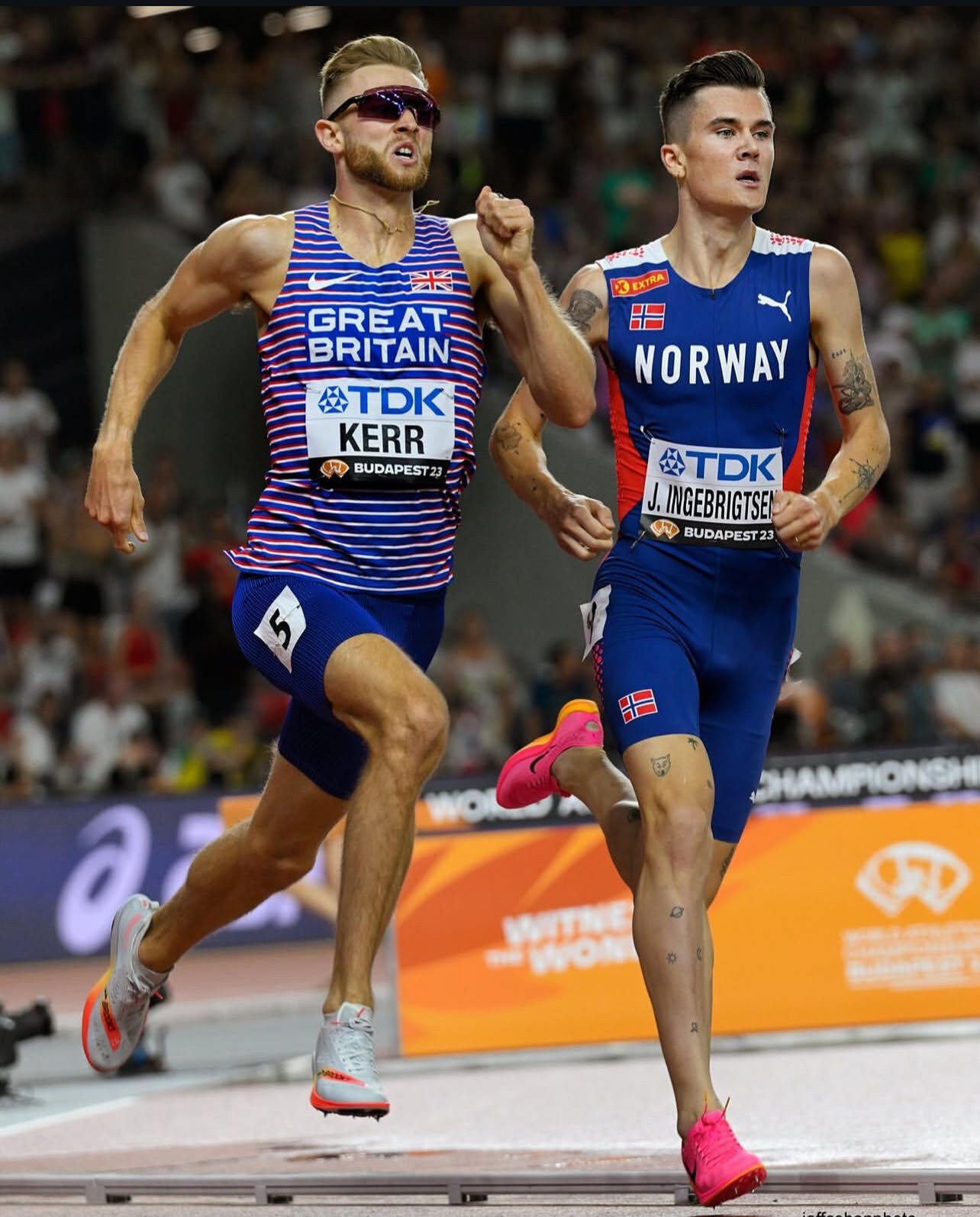
RUNFEST 2026: Jakob Ingebrigtsen’s Hometown to Host Global Running Celebration
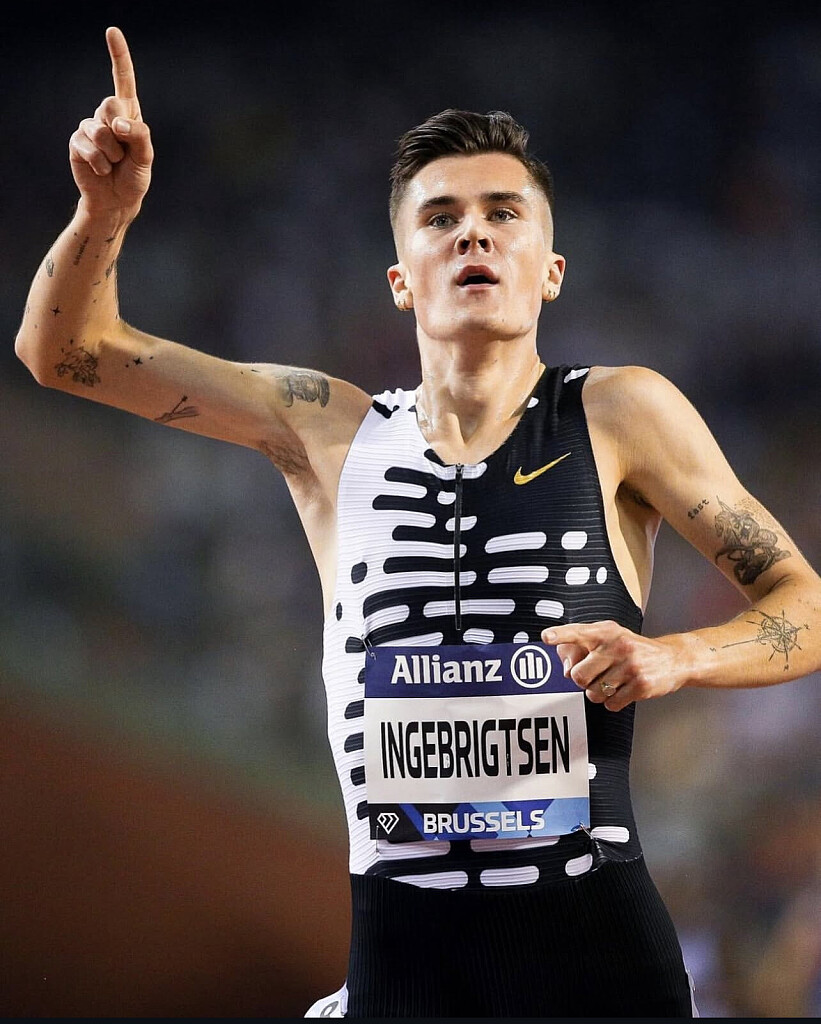
A brand-new running festival is set to light up the streets of Sandnes, Norway — the hometown of Olympic champion Jakob Ingebrigtsen — next September. RUNFEST 2026, scheduled for September 24–26, 2026, promises to unite the world’s best middle-distance stars with recreational runners of all ages and abilities.
With the slogan “Let’s run and have fun – together,” the event will feature races over 1500m, 5km, 10km, and 21km, offering something for everyone from speed specialists to long-distance road warriors.

“This is a dream that my brothers and I have had for a long time,” Ingebrigtsen shared. “Runfest should be a celebration of the joy of running, both for young and old. It will be a street run festival and a community festival where the world’s best runners are part of the show, but where everyone can participate — both recreational runners and those with lots of experience.”
Sandnes, located in Norway’s scenic Rogaland County, is known for its vibrant athletics culture, and with the Ingebrigtsen family behind the event, RUNFEST 2026 is already attracting global attention. Organizers plan to create an electric atmosphere with top-tier racing, live entertainment, and community celebrations throughout the three-day festival.

Whether you’re chasing a personal best, running your first race, or just soaking up the unique blend of elite sport and community spirit, RUNFEST 2026 aims to be an unforgettable experience — a chance to share the roads with champions while celebrating the universal joy of running.
Boris Baron
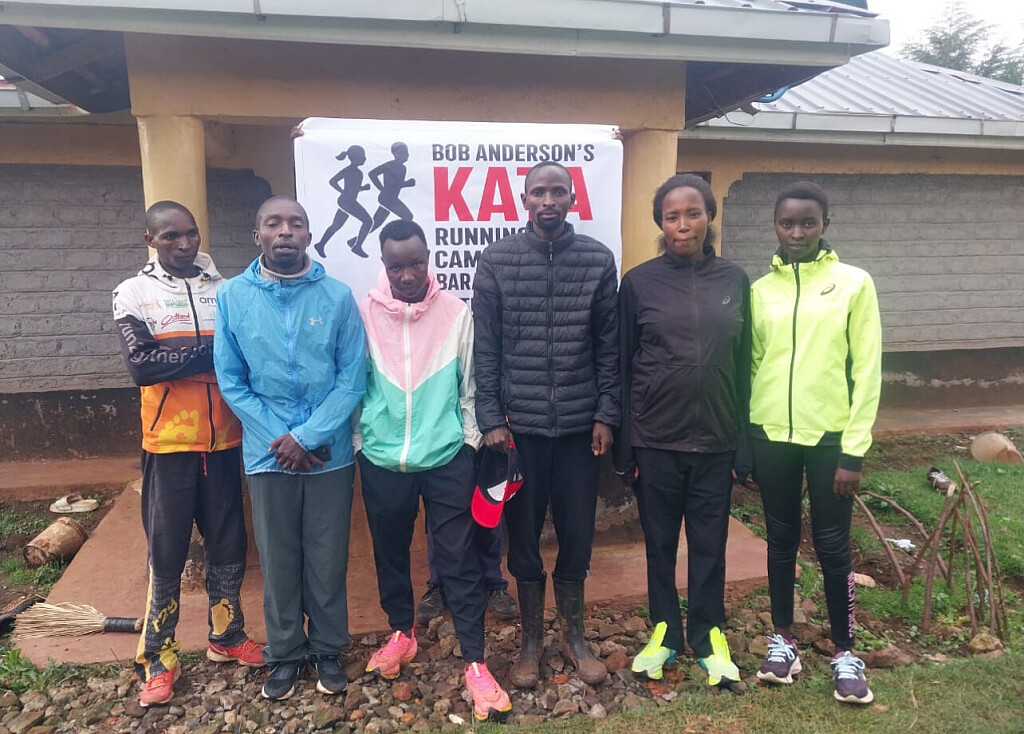
KATA 30: New Camp Blends Elite Training with Potato Power
The Kenya Athletics Training Academy (KATA) is proving that the road to greatness can start in two places—the track and the farm. Since Bob Anderson launched the KATA Potato Farm Program on May 16, 2025, the initiative has paired high-performance running camps with sustainable agriculture, creating a unique funding model for athlete development.
One of the newest members of this growing network is KATA 30, based in Tulwet, Kenya, and officially launched on July 25, 2025 under the leadership of Coach Alfred Ngeno. Tulwet is a small, scenic community in Kenya’s highlands, known for its fertile red soil, cool climate, and strong agricultural tradition. The area’s rolling terrain and quiet rural roads make it an ideal location for endurance training, while its supportive community provides a welcoming home for athletes.
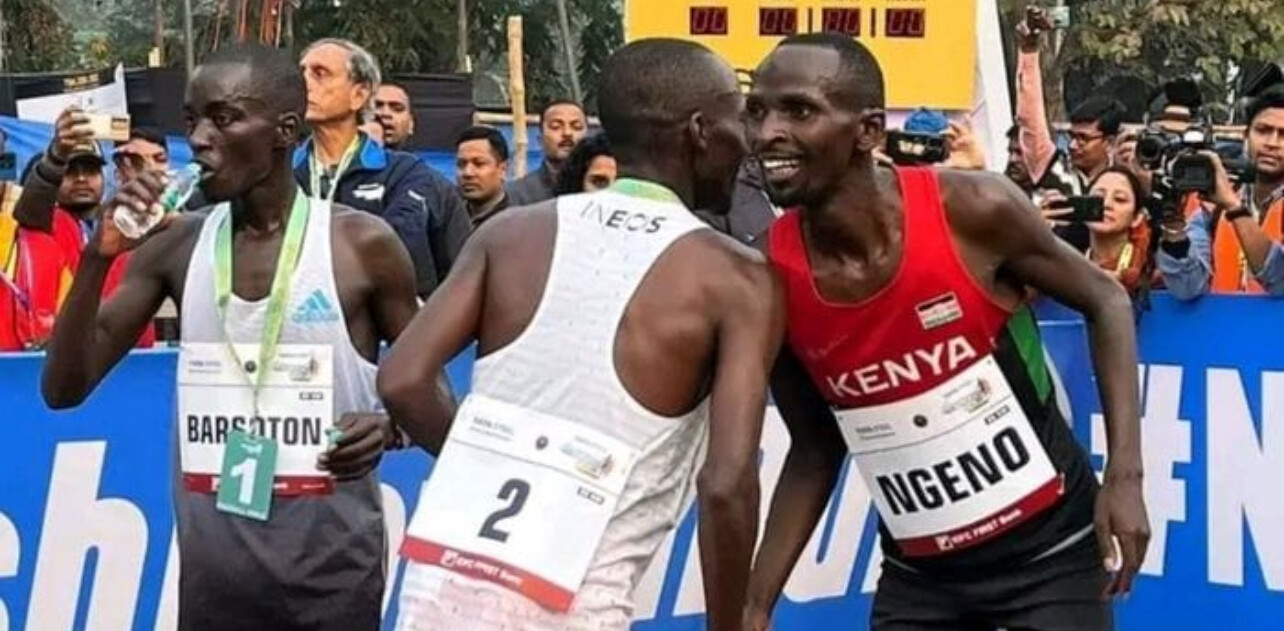
This camp is not just about running fast—it’s about running smart. A dedicated one-acre KATA potato farm will help finance training needs, with plans to expand both the farm and the camp’s resources as success grows.
Rising Stars and Proven Performers
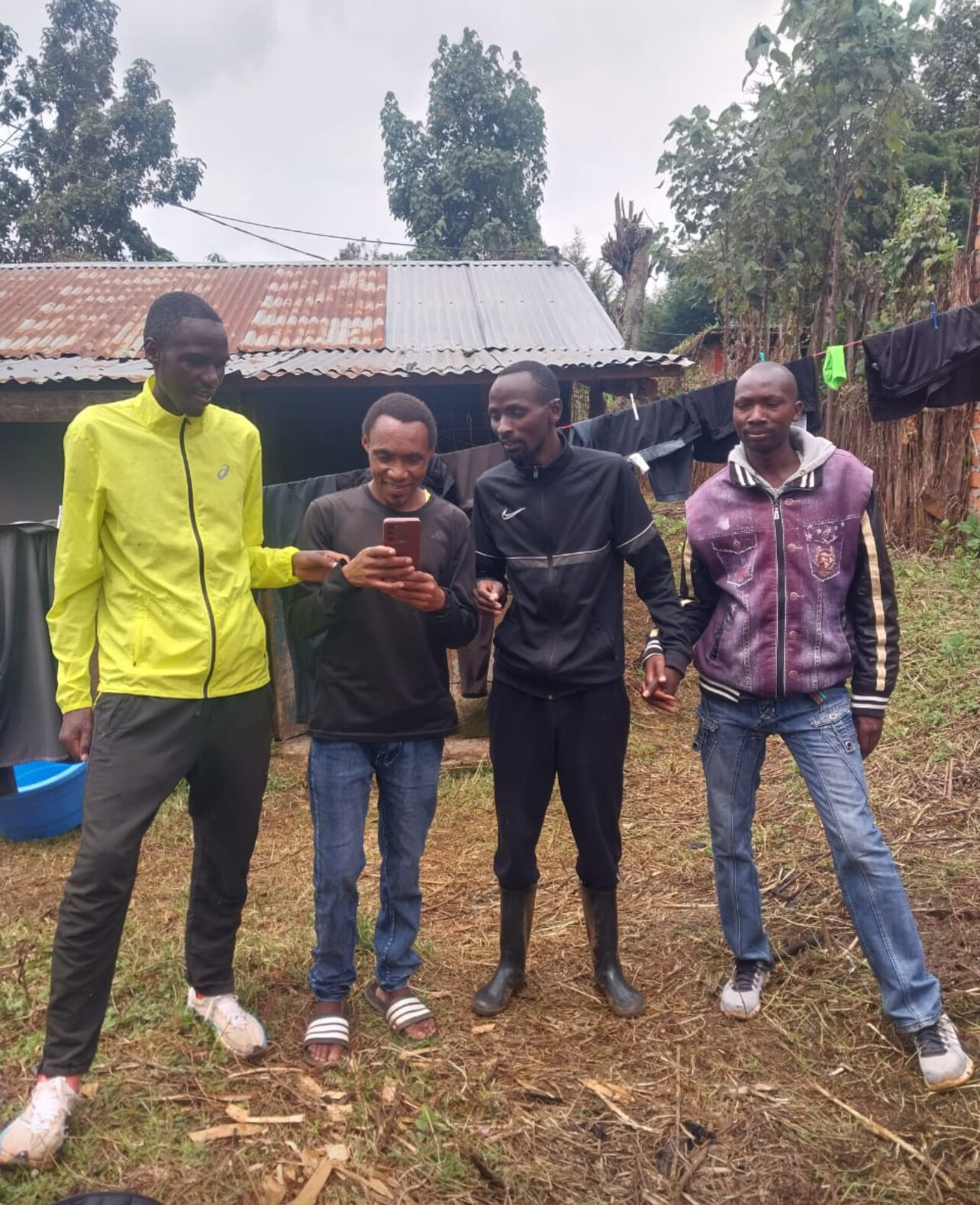
Moses Tonui – 19 years, 1500m

Already clocking 3:49, Moses is a rising middle-distance talent with a mix of speed and endurance that points to a bright future.
Robert Kibowen – 26 years, 10,000m
A 29:06 man over 10,000m, Robert’s pace control and racing strategy make him a serious contender in big events.
Vincent Kipkirui – 25 years, Half Marathon
With a 62:20 best, Vincent’s combination of strength and finishing speed makes him a threat in any half marathon.
Kipkorir Birir – 33 years, Half Marathon
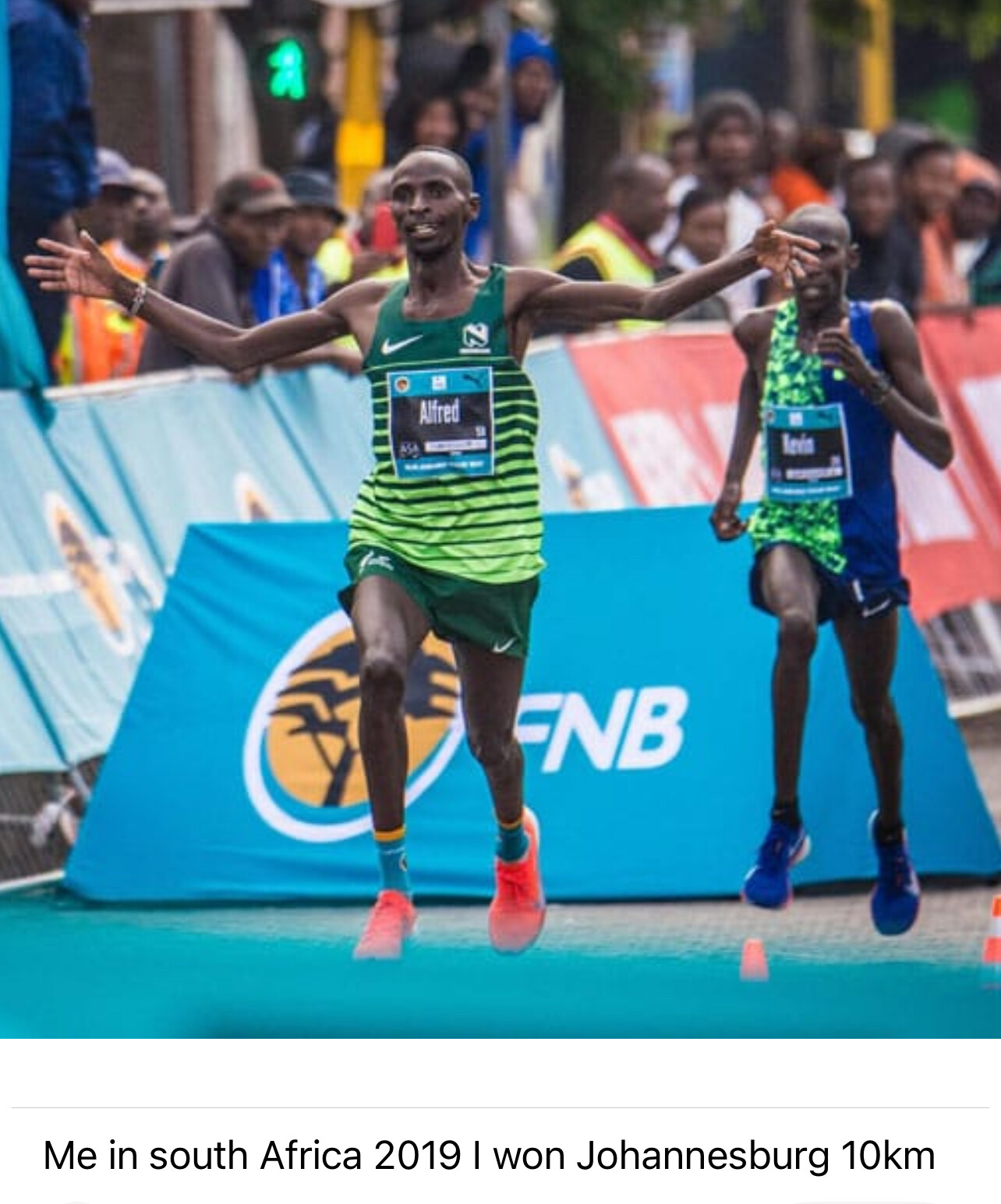
A veteran presence with a 62:42 personal best, Kipkorir brings both experience and consistency to the team.
Alfred Ngeno – 28 years, Half Marathon
Leading from the front, the head coach boasts an impressive 61:00 personal best, inspiring his athletes through action as well as guidance.
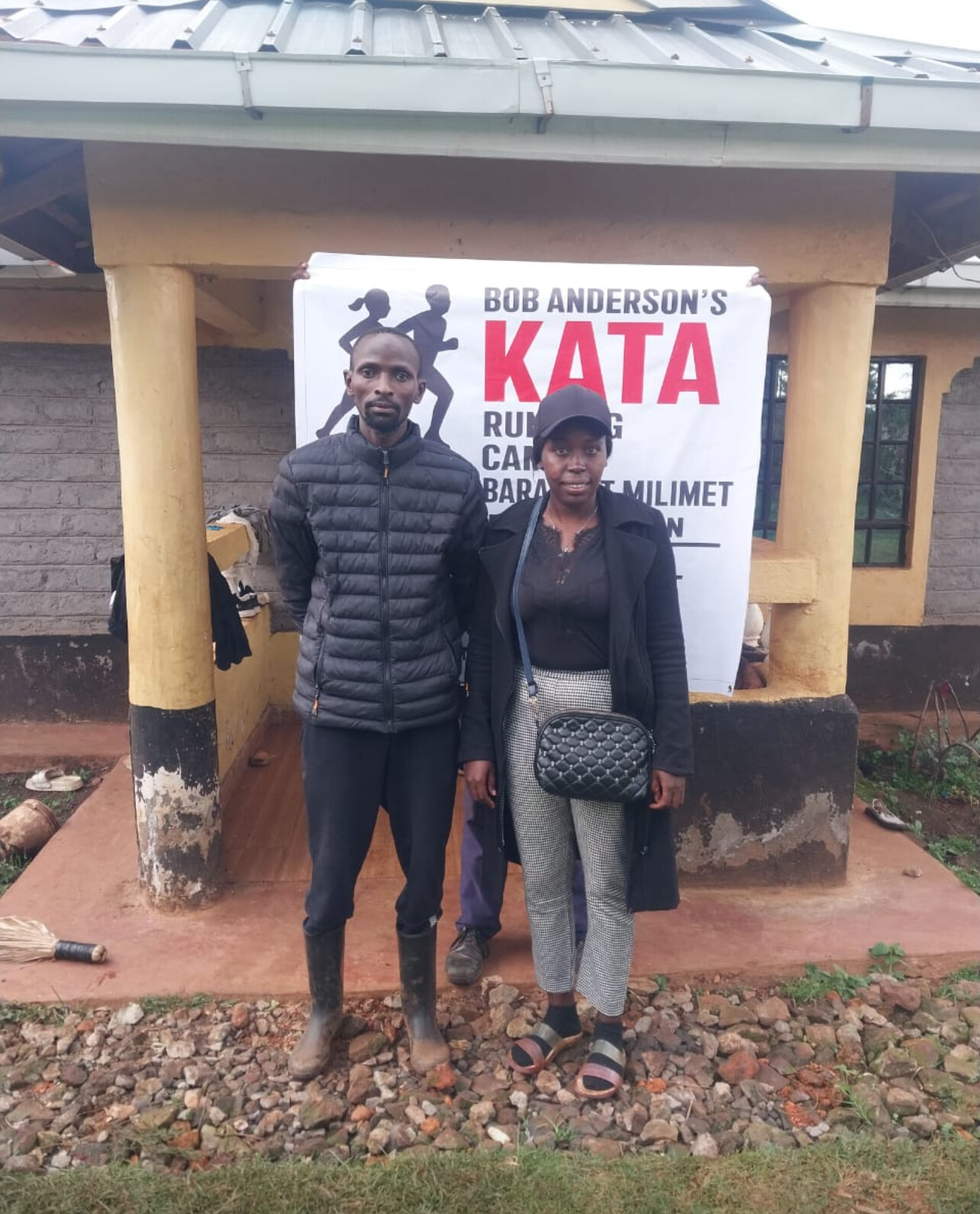
Milka Chepkirui – 28 years, 800m
Milka’s 2:20 in the 800m is just the beginning for this determined middle-distance specialist.
Life at KATA 30
In just its first month, KATA 30 has already established a disciplined, supportive environment. Athletes train hard, push each other to improve, and know that the farm’s harvest will directly fuel their dreams. This model not only sustains the camp but also teaches valuable life skills.
Part of a Bigger Movement
KATA 30 is one of 30 KATA camps operating across Kenya, all committed to producing world-class athletes while building financial independence through farming. It’s a program that blends tradition, innovation, and community—ensuring athletes have the resources they need to succeed.
With its mix of promising young stars, seasoned competitors, and a sustainable support system, KATA 30 is set to make noise on both the racing circuit and in the potato fields. The seeds have been planted—now it’s time to watch them grow.
(08/09/25) Views: 174Fridah Terry
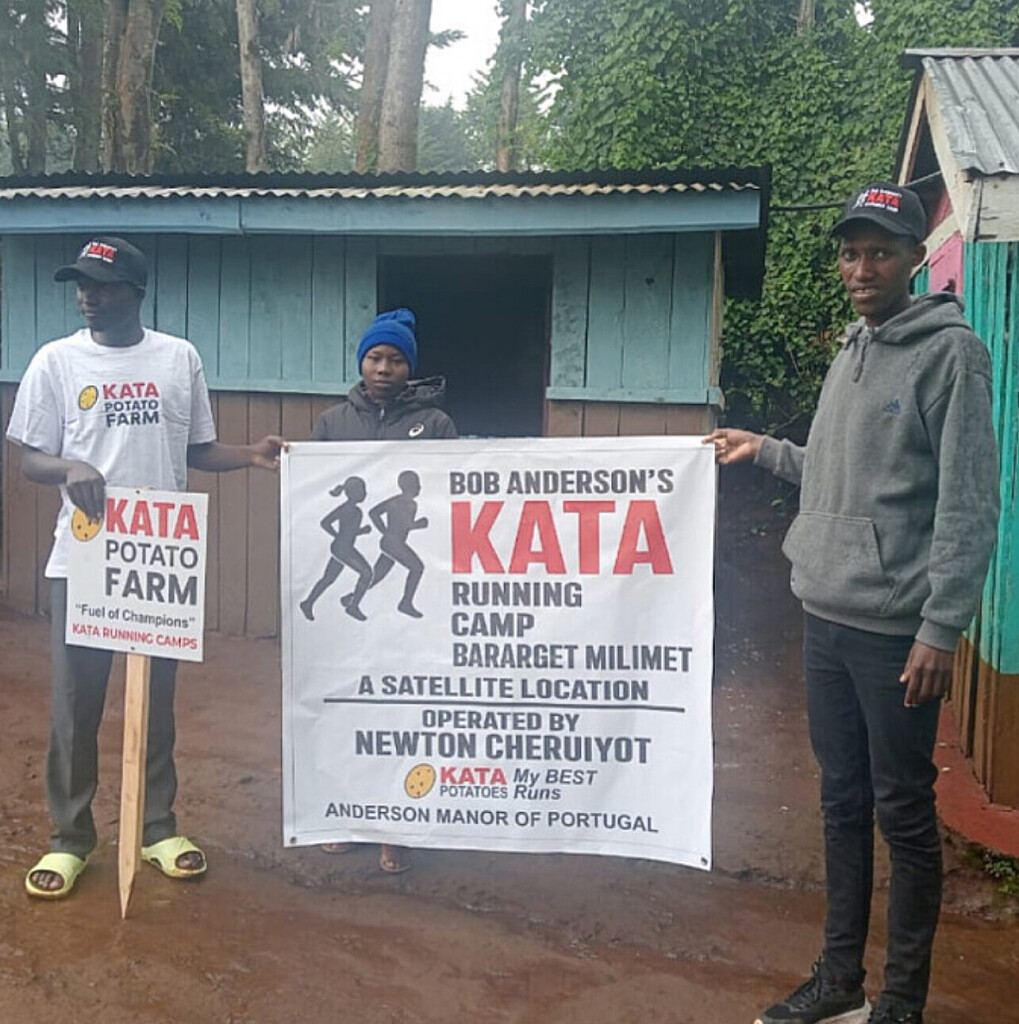
KATA 20: Baraget Milimet Camp Combines Elite Training and Farming to Fuel Success
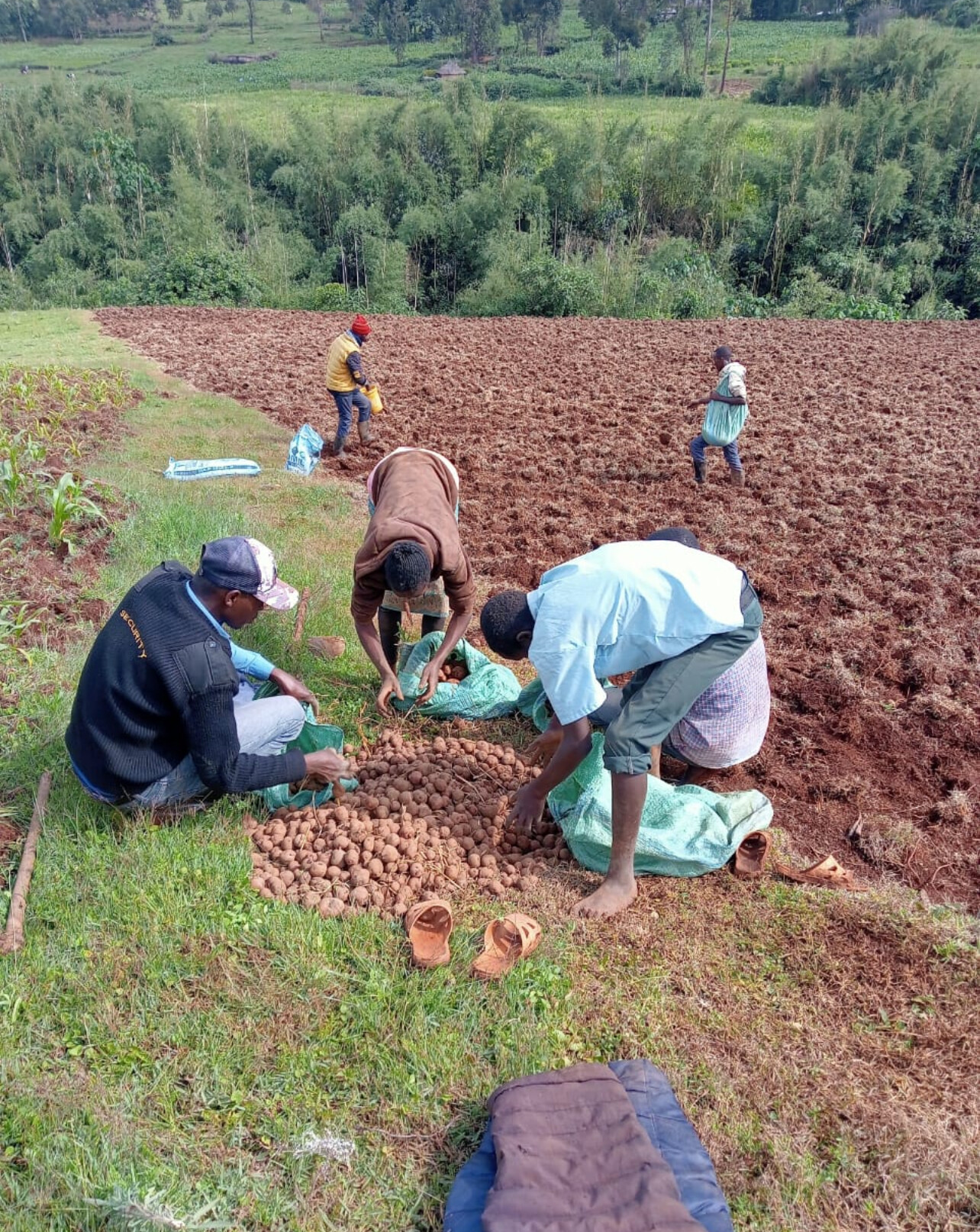
In the heart of Baraget Milimet, KATA 20 stands as a powerful example of the Kenya Athletics Training Academy’s innovative approach — blending world-class running with sustainable agriculture. Under the leadership of Coach Newton Cheruiyot, the camp not only develops top-tier athletes but also operates a three-acre KATA potato farm, providing a reliable source of financial support and nutrition for the team.
KATA 20 is part of a rapidly growing network of 30 KATA camps and farms launched just 10 weeks ago by KATA founder Bob Anderson. The program was designed to give athletes the resources they need to train at an elite level while creating a sustainable economic model through potato farming.

A Balanced Roster of Experience and Potential
KATA 20’s lineup includes both seasoned racers and rising stars, creating an environment where experience and ambition fuel one another.
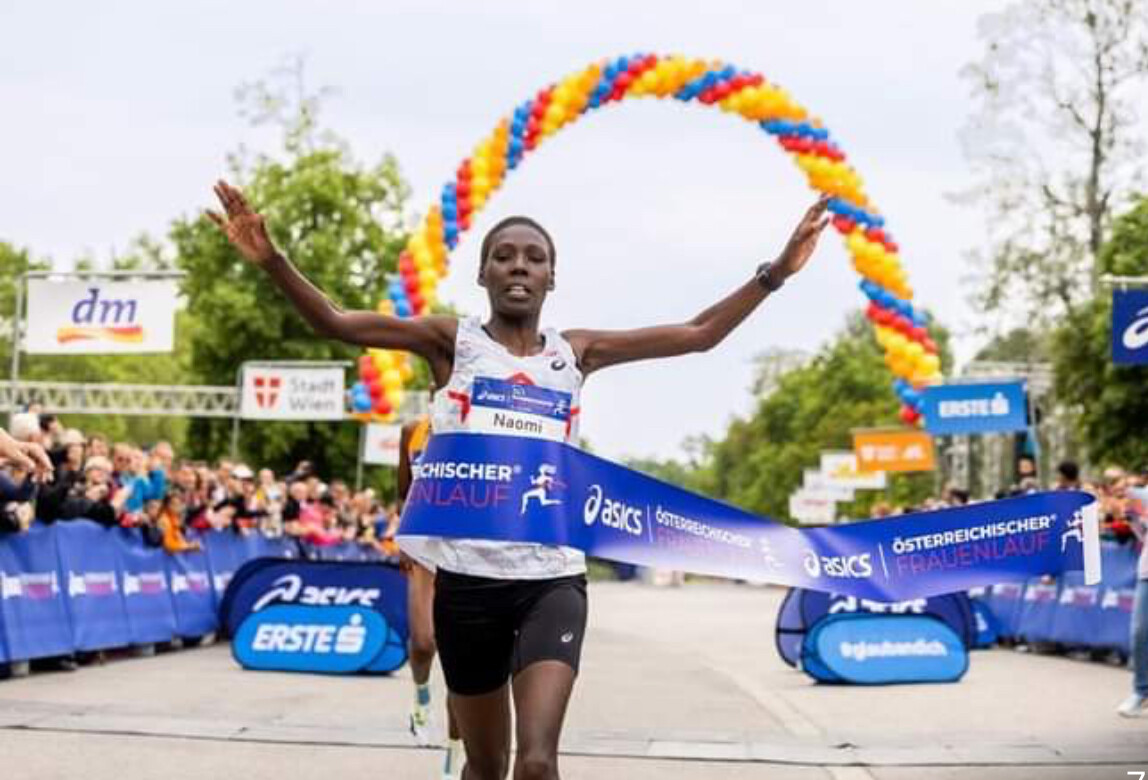
Men:
• Newton Cheruiyot – 25 – 5000m – 13:36
Elite-level runner and coach, setting the standard in both training and competition.
• Lawi Kiplangat – 17 – 1500m – 3:43
Young middle-distance prodigy with international potential.
• Samson Bii – 25 – Half Marathon – 64:05
Strong road racer capable of excelling locally and abroad.
• Kiprono Benson – 33 – 10,000m – 29:31
Experienced and consistent over long-distance track events.
• Emmanuel Bett – 22 – Half Marathon – 64:25
On the cusp of elite performance, showing steady improvement.
Women:
• Cheptoo Rono – 34 – 5000m – 16:46
Veteran competitor with strong track credentials.
• Daisy Cherono – 17 – Upcoming Athlete
Young prospect transitioning into competitive racing.
• Joan Chepkemoi – 17 – Upcoming Athlete
Developing talent with versatility across distances.
• Bendaline Chepchumba – 18 – Upcoming Athlete
Early in her journey but demonstrating discipline and dedication.
The Road Ahead
With its combination of elite coaching, proven performers, and promising youth, KATA 20 is positioned for continued success. As part of Bob Anderson’s ambitious KATA program, the camp’s three-acre potato farm not only sustains operations but also reflects a growing movement that empowers athletes both on and off the track.
(08/09/25) Views: 173Fridah Terry
Kenya’s Olympic Reset: Can NOCK’s New Leadership Spark a Golden Era for Runners?
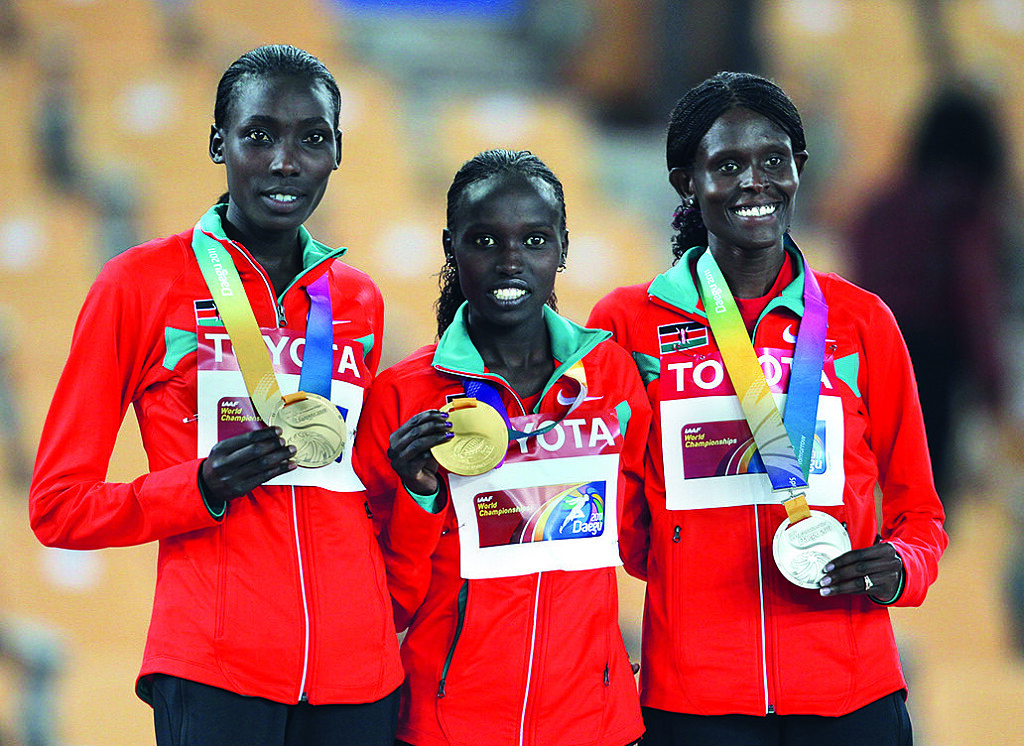
Kenya’s long-distance running legacy is unmatched. From record-breaking marathons to Olympic podiums, the nation’s athletes have long defined global excellence. Yet behind the scenes, organizational chaos—from the Rio 2016 fiasco to logistical stumbles at Paris 2024—has held runners back.
Now, change is in motion.
At a ceremonial handover August 8 at the National Olympic Committee of Kenya (NOC-K) headquarters in Nairobi, outgoing president Dr. Paul Tergat—a former Olympic silver medalist—passed the baton to Shadrack Maluki. The new leadership promises more than a symbolic shift. For many athletes, it’s a chance to finally be heard.
“We must ensure this institution doesn’t remain strong but underutilized,” Maluki declared in his inaugural speech.

“To our sportsmen and women: we hear you, we see you, and we are here for you. Your welfare, training environments, and post-competition careers are top priorities.”

Paris Lessons, LA Dreams
Kenya’s runners delivered once again in Paris, particularly in the middle- and long-distance events. But that success came despite—rather than because of—the system. Delayed travel, unpaid allowances, and chaotic planning marred preparations.
With the Los Angeles 2028 Olympics just three years away, runners and fans alike are hoping this new leadership shifts Kenya from reactive fixes to long-term strategy.

Maluki says the focus will be on structure, inclusivity, and excellence. As one former elite marathoner told My Best Runs, “Athletes don’t need promises. They need systems that work.”
Barnaba Korir: A Voice from the Track
A key figure in this transition is Barnaba Korir, now First Vice President of NOCK. Known for his role as Director of Youth Development at Athletics Kenya (AK), Korir has helped shape the careers of many emerging talents.
“This is not about power,” Korir said. “It’s about turning sport into an industry. Our athletes should chase medals—but also earn livelihoods, build legacies, and inspire the nation.”
Korir’s grassroots focus has already produced results—several Paris Olympians came through AK’s youth system. His appointment signals a stronger bridge between elite runners and the Olympic bureaucracy.
Tergat’s Legacy: Progress, But Not Perfection
Dr. Tergat, who helped stabilize NOCK during his tenure, reflected on his leadership with pride.
“This is the delivery secret behind our transformation of NOCK into a respected and enviable institution,” he said, while acknowledging that more needs to be done.
He thanked corporate partners like Nike, IOC, Safaricom, and Kenya Breweries—and reminded the country that athletes remain Kenya’s “most successful international brand.”
Still, critics argue that reforms under Tergat moved too slowly—especially around athlete support and coordination with federations.
Not Just a Ceremony—A Mandate
The official handover included Olympic charters, financial instruments, and office keys. But the moment wasn’t just ceremonial—it was a mandate.
“There is no reinventing the wheel,” Maluki said. “Only oiling and reinvigorating the parts that drive our momentum.”
Athletes are now watching to see whether these words turn into action.
What Kenya’s Runners Expect
For the thousands training daily across Kenya’s highlands, this isn’t politics—it’s personal. The hope is simple:
No more last-minute chaos. No missing uniforms. No unpaid dues.
Athletes want elite coaching, consistent support, clean sport policies, and long-term investment. As global rivals close the gap, Kenya must evolve—or risk being outpaced.
The Baton Has Been Passed. Can They Run With It?
Kenya’s runners continue to carry the nation’s Olympic dreams. Now it’s up to NOCK’s new leadership—anchored by Maluki and powered by Korir—to return the favor.
From the heartbreak of Rio to the high points of Paris, Kenya stands at a pivotal moment. The goal ahead is clear: build a system worthy of its champions—and make the road to Los Angeles 2028 one of purpose, preparation, and pride.
(08/08/25) Views: 169Robert Kibet :
John Korir Aims to Break Kelvin Kiptum’s World Record at the 2025 Chicago Marathon
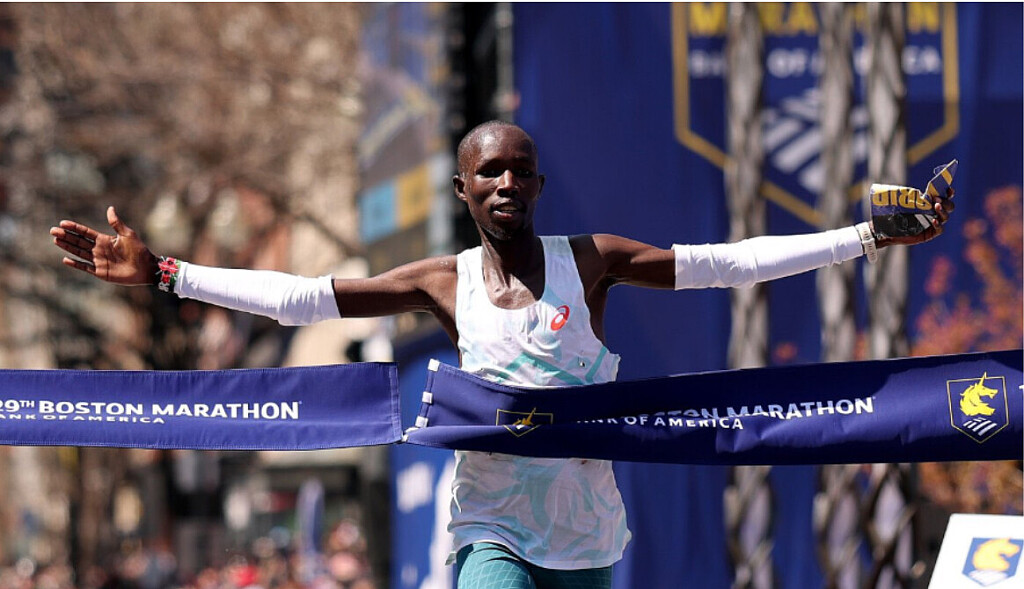
Reigning Boston Marathon champion John Korir is preparing for the race of his life — an attempt to break the late Kelvin Kiptum’s marathon world record of 2:00:35, set on the streets of Chicago in 2023.
Korir, 28, will return to defend his title at the Chicago Marathon on October 12, but this time with a bold target in mind: a new personal best of 2:00:30. Achieving it would not only secure back-to-back victories in Chicago but also eclipse Kiptum’s mark by five seconds.
“The target my coach and I have set for ourselves in Chicago is to lower my personal best and clock 2:00:30,” Korir told The Star. “My body is in good shape, I am injury-free, and I feel great.”
Chicago’s course is renowned for producing fast times — flat, competitive, and recognized by the International Olympic Committee as a “historical world record course.” Korir believes its layout, combined with his current form, offers the perfect stage for a record-breaking run.
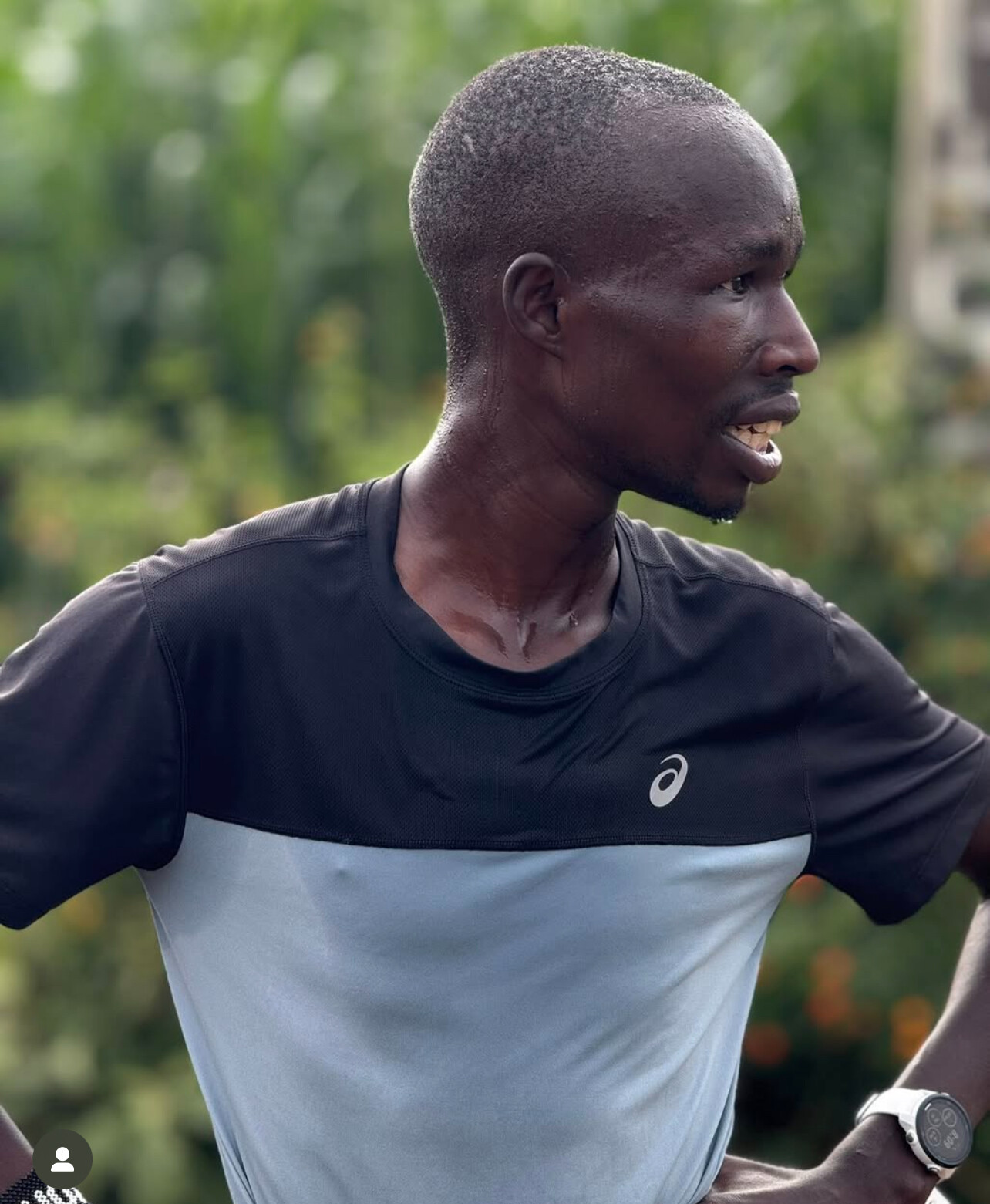
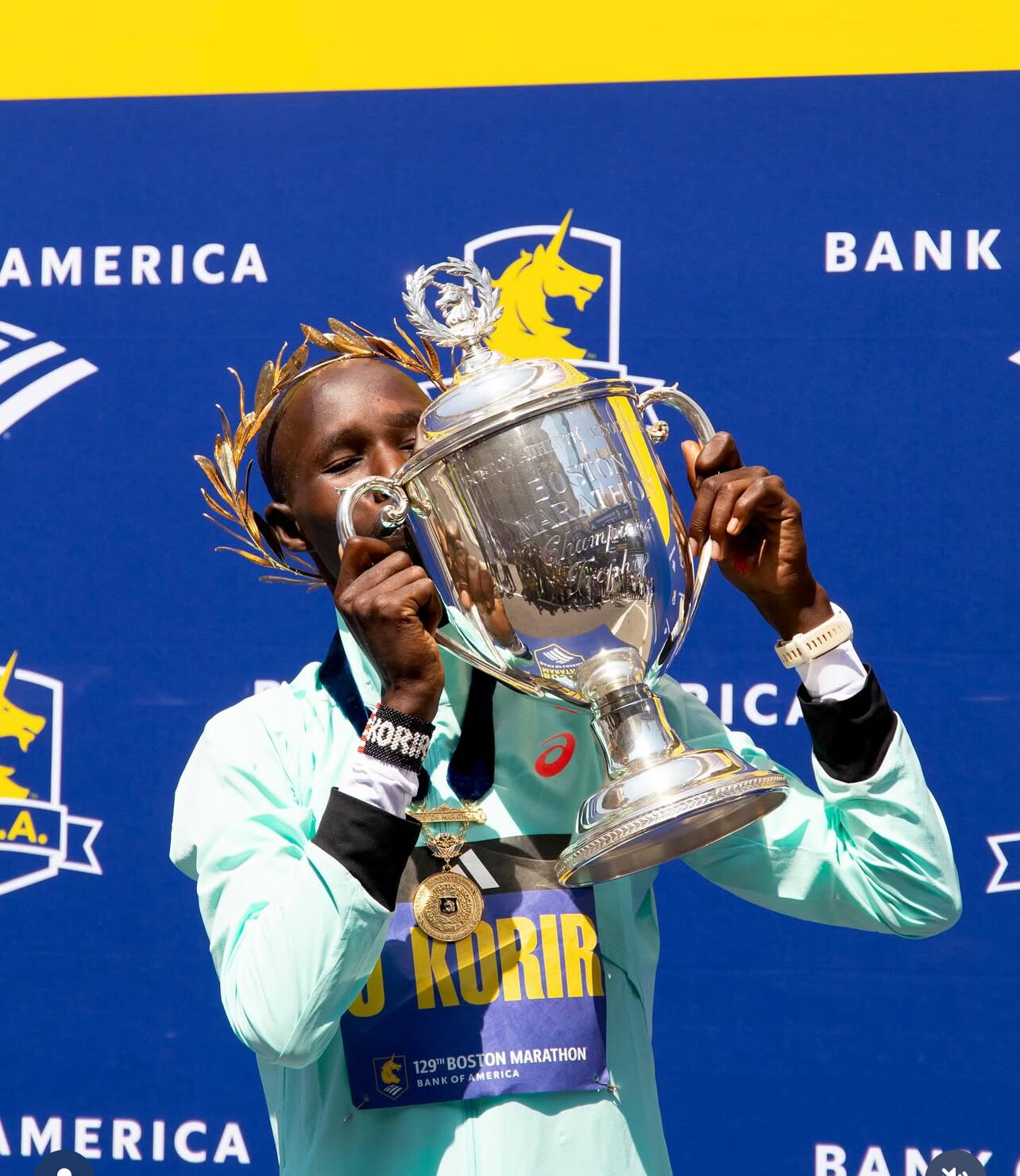
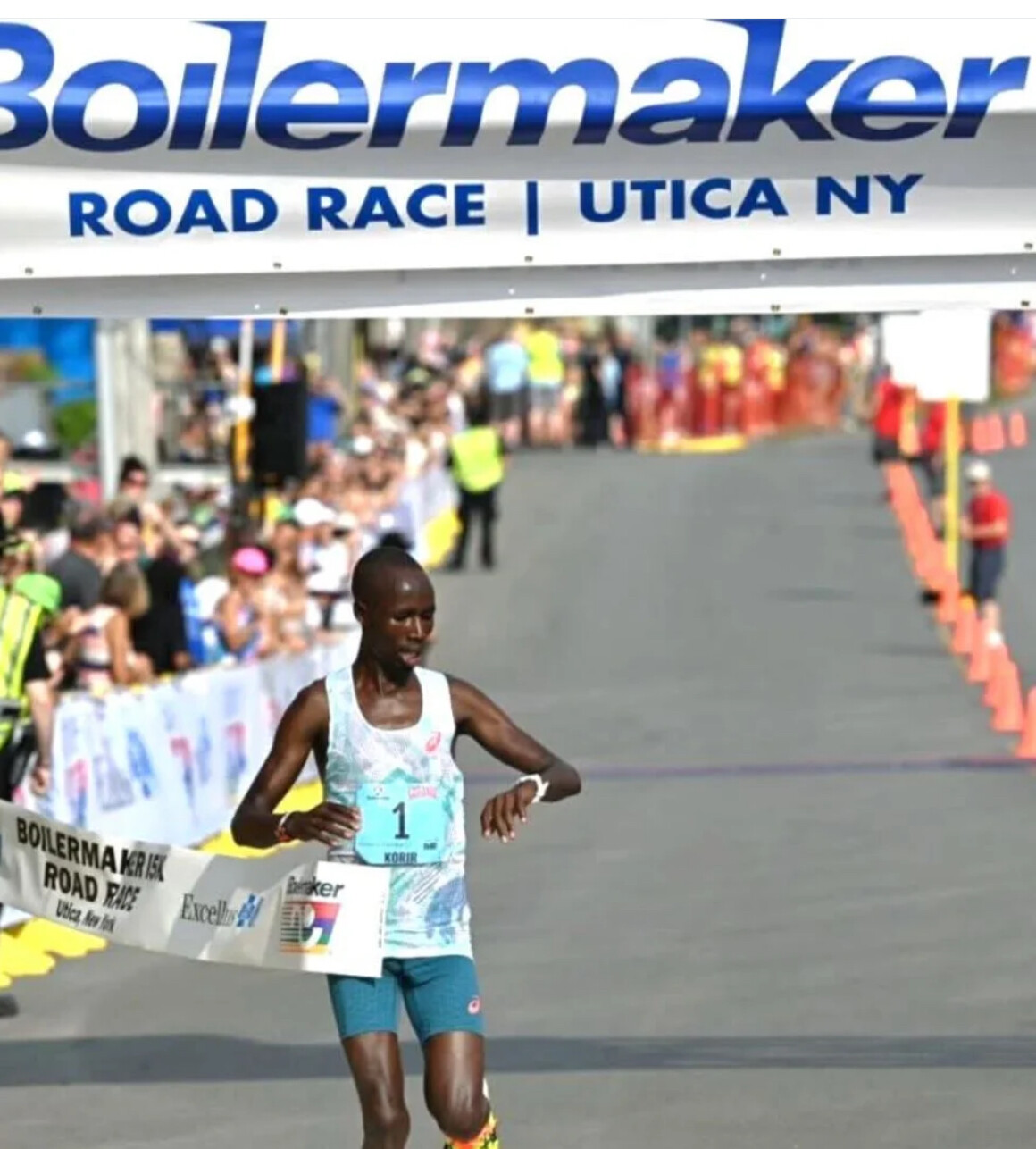
His 2025 season has already been outstanding. In April, Korir won the Boston Marathon in 2:04:45, becoming, alongside his brother Wesley Korir (the 2012 Boston champion), the first siblings ever to claim Boston titles. In July, he added another victory at the Boilermaker 15K, clocking 42:44 ahead of a strong field that included Hillary Kipkoech and Abbabiya Simbassa.
In last year’s Chicago Marathon, Korir set his current personal best of 2:02:44, leading Ethiopia’s Mohamed Esa (2:04:39) and Kenya’s Amos Kipruto (2:04:50) to the podium. This year, he expects even fiercer competition but remains focused on the ultimate goal.
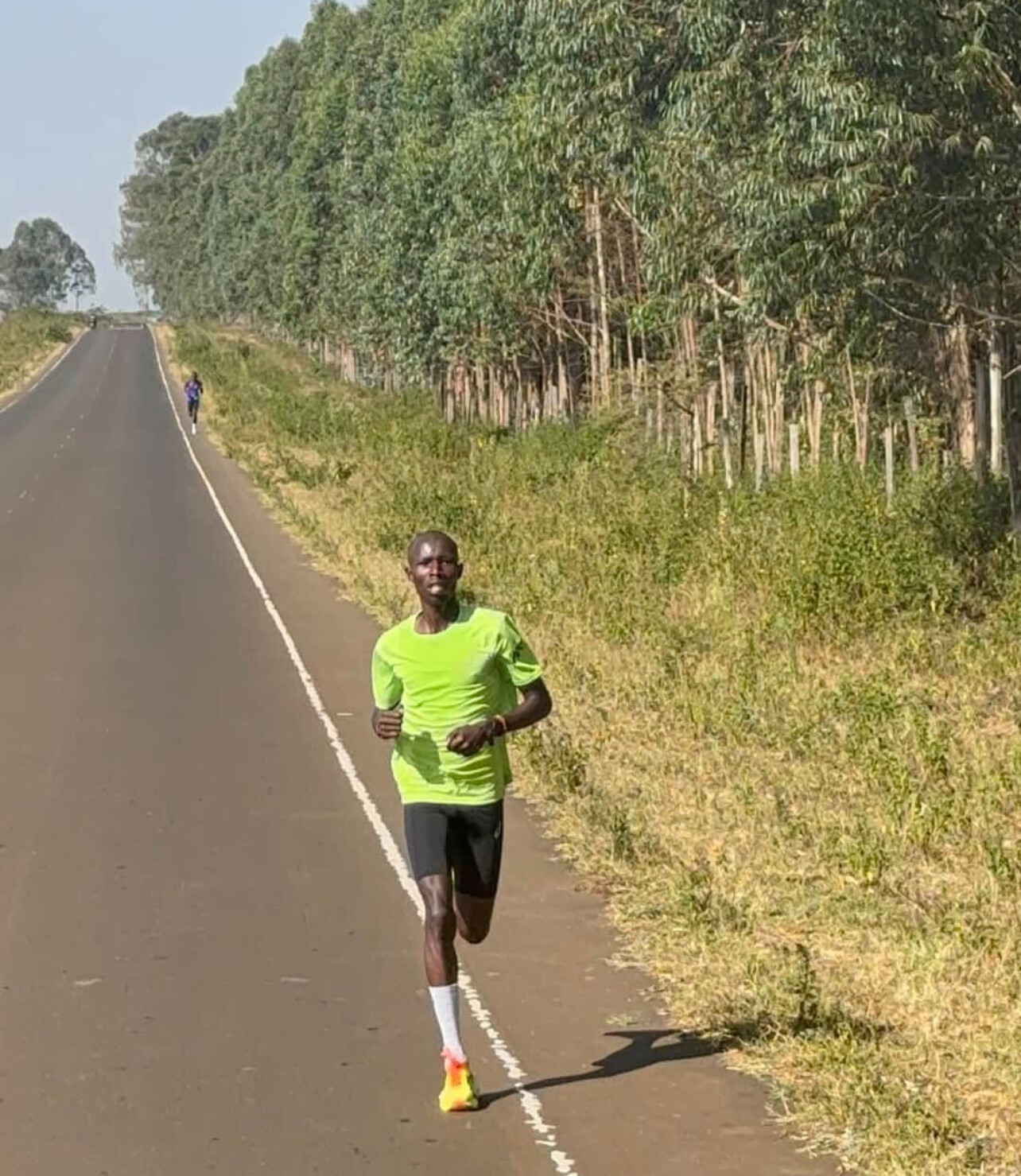
“All eyes will be on me because I am the defending champion,” Korir said. “My coach and my brother keep telling me I can do it, and I believe I can.”
If Korir succeeds, he will not only defend his Chicago crown but also become the first man in history to run under 2:00:30 in a record-eligible marathon.
Boris Baron
David Rudisha’s Golden Run: A Moment Etched in Olympic History
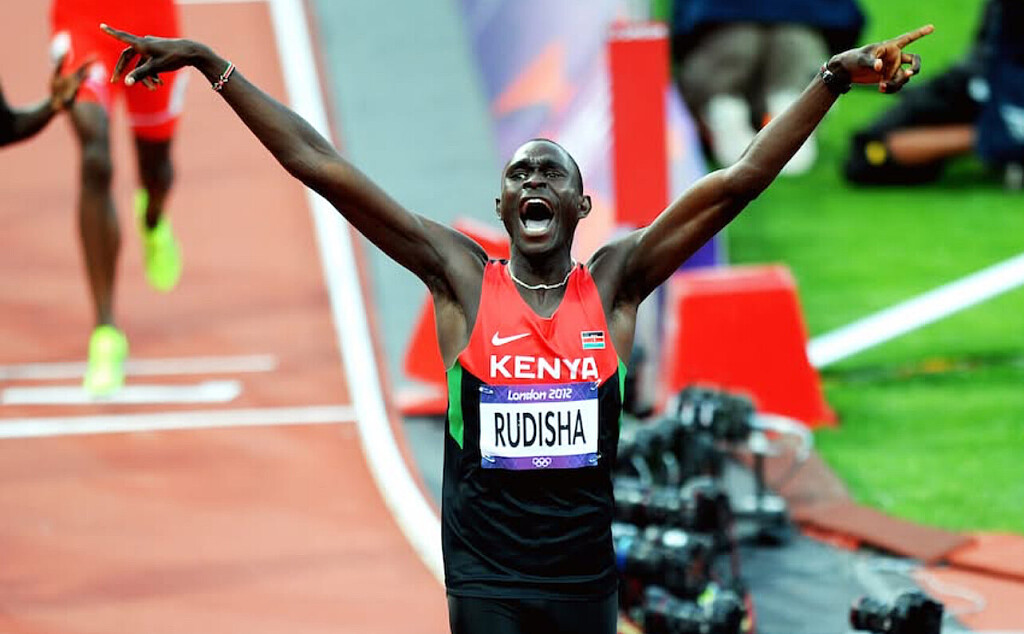
Photo by internationally known photographer Mark Sherman
London, August 9, 2012 — The roar of the crowd at Olympic Stadium reached a fever pitch as David Rudisha of Kenya surged down the home straight, arms wide in triumph. Moments earlier, the world had witnessed history: Rudisha not only won the men’s 800 meters but shattered the world record with a time of 1:40.91, becoming the first man to break 1:41.
What made Rudisha’s run extraordinary was the way he achieved it — leading from the gun, running every lap faster than the last, and pulling the entire field to personal bests, national records, and season bests. It was a race with no pacemakers, just pure front-running brilliance.
The image captured here by internationally acclaimed photographer Mark Sherman freezes the exact moment Rudisha crossed the finish line — the embodiment of speed, power, and grace. His outstretched arms and triumphant expression tell the story: a champion at the peak of his powers, representing Kenya with pride.
Rudisha’s London 2012 performance remains one of the greatest races in Olympic history, a masterclass in middle-distance running. More than a decade later, his world record still stands, a testament to the perfect combination of talent, strategy, and fearless execution.
(08/09/25) Views: 163Boris Baron

“This program should never have been phased out in the first place,” says Bob Anderson — a look at the return of the Presidential Fitness Test
For generations, the Presidential Fitness Test was more than just a schoolyard routine—it was a nationwide measure of athletic prowess, a call to personal excellence that challenged millions of youth to run a mile, do push-ups, and outperform their own expectations.
Former President Dwight D. Eisenhower launched the testing program in the late 1950s, framing physical fitness as an issue of national security and civic pride amid Cold War anxieties. Over the following decades, it grew into a rite of passage in American public schools known for its badges, awards, and medals .

Why Was It Discontinued?
In 2012–2013, under the Obama administration, the program was officially phased out and replaced by the Presidential Youth Fitness Program. This shift came in response to growing concerns that the traditional test — which emphasized athletic performance and ranking students — risked discouraging less athletic children and fueling body‑image issues. The new program instead focused on personal progress and holistic health, encouraging lifelong fitness over competition .

And Now, It’s Back
On July 31, 2025, President Donald Trump signed an executive order reviving the Presidential Fitness Test, reinstating not only the physical challenges but also the competitive spirit that came with them. The initiative was framed as a key part of the “Make America Fit Again” campaign and included the re-establishment of the President’s Council on Sports, Fitness and Nutrition, staffed by high-profile athletes .
Critics argue that this nostalgic swing back to rigorous testing fails to address today’s youth health challenges more comprehensively. A recent opinion piece in The Washington Post characterizes the revival as reminiscent of outdated masculine ideals that may neglect broader wellness and emotional impacts .
Still, supporters see it differently. As Bob Anderson puts it: “This program should never have been phased out in the first place.” For him, the Test symbolizes a lost opportunity for youth to learn discipline, resilience, and competitive spirit at an early age.
(08/11/25) Views: 131Boris Baron
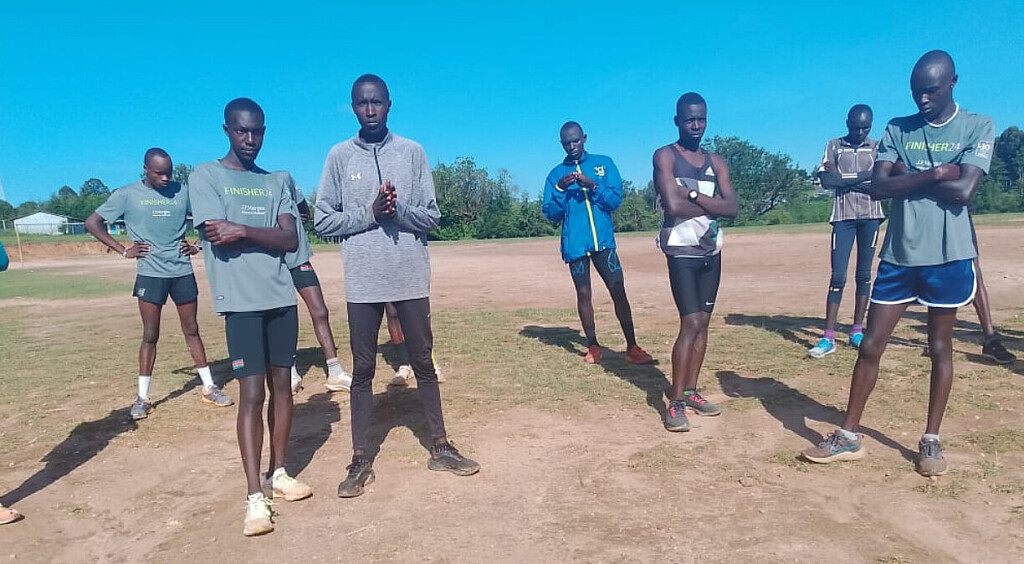
KATA Running Camp 01: Building Champions from Teen Talent to Marathon Veterans
At the KATA Running Camp and KATA Potato Farm's first official running camp, KATA 01 in Kapcherop, Coach Philemon Kipruto is leading a dynamic mix of rising teenage talent, competitive middle-distance athletes, and seasoned marathoners. Training programs are carefully balanced between speed, endurance, and tactical racing skills, ensuring that every athlete—whether 16 or 38—continues to progress.
Philemon also operates KATA 09 in Tenden, just a few kilometers away, giving him the unique advantage of managing two high-performance training groups within close proximity. Together, these two camps not only produce top-level athletes but also farm six acres of KATA potatoes, directly contributing to the program’s sustainability and providing the “Fuel of Champions”.
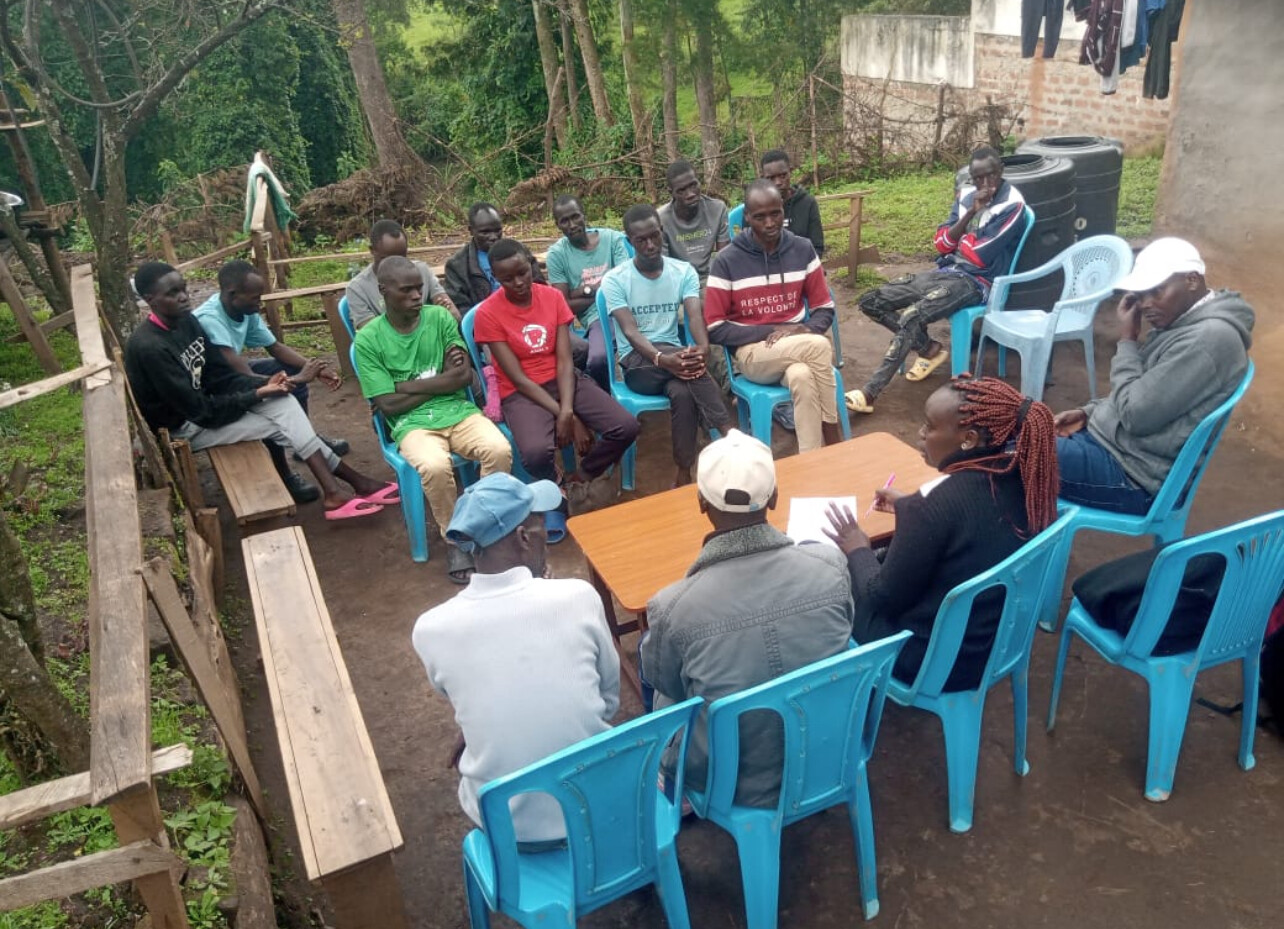
What is KATA?
The Kenya Athletics Training Academy (KATA) was founded by Bob Anderson in Thika, Kenya, in 2019 as a hub for developing elite Kenyan runners. The program has since grown into a nationwide network, uniquely combining world-class training camps with sustainable agriculture.
Since May 16, 2025, KATA has launched 30 mrunning camps across Kenya, plus 20 independent KATA Potato Farms not directly attached to camps. This brings the total to 50 KATA potato farms—the backbone of the program’s long-term sustainability.
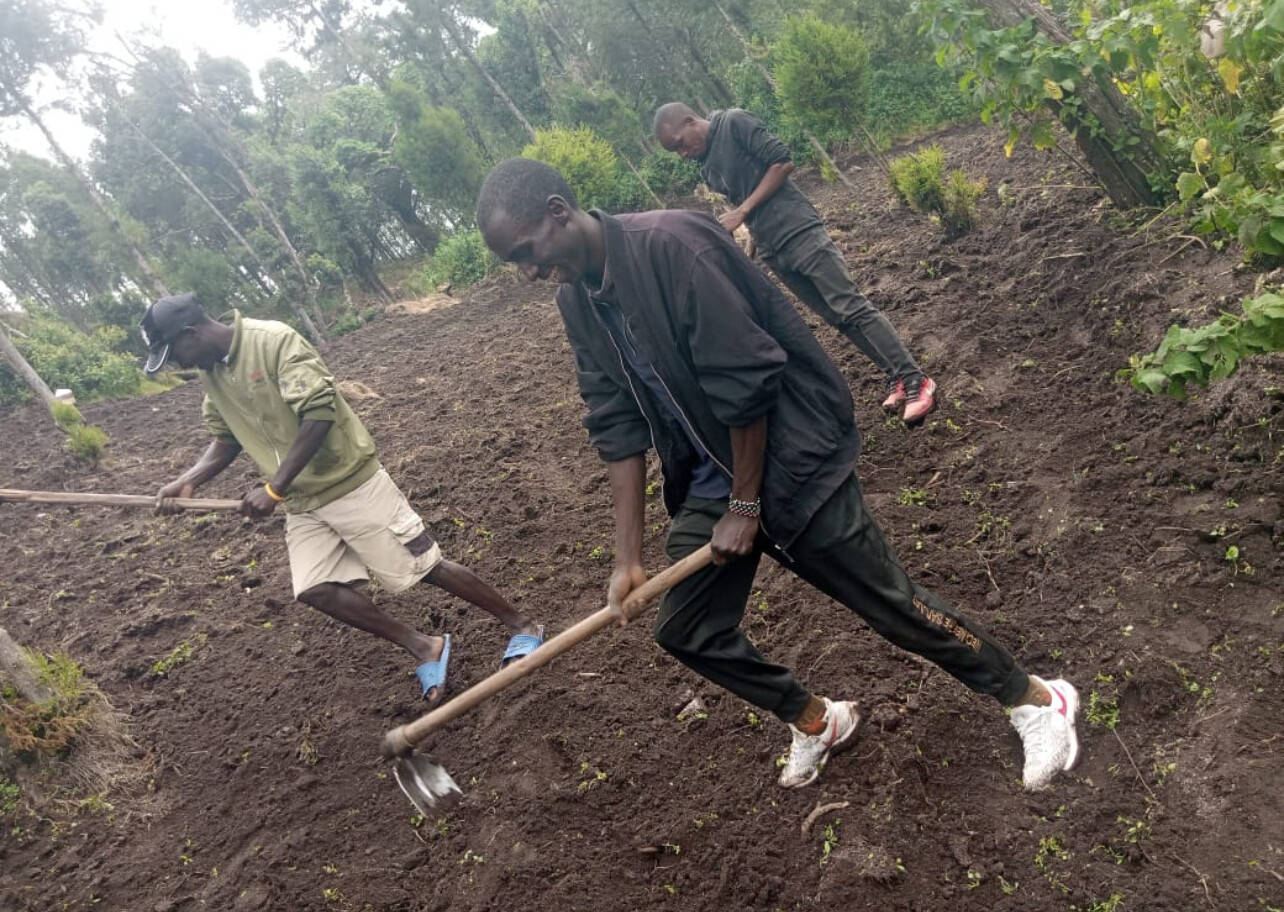
Known as “The Fuel of Champions”, KATA potatoes provide both nutrition for athletes and revenue to support training operations. As of today, there are 108 acres of KATA potatoes planted or being planted, directly supporting more than 400 KATA athletes across the country.
KATA’s mission is clear: produce champions who can succeed locally and internationally while building a self-sustaining model that benefits athletes, communities, and the Kenyan running legacy.
Standout Athletes & Performances

Men:
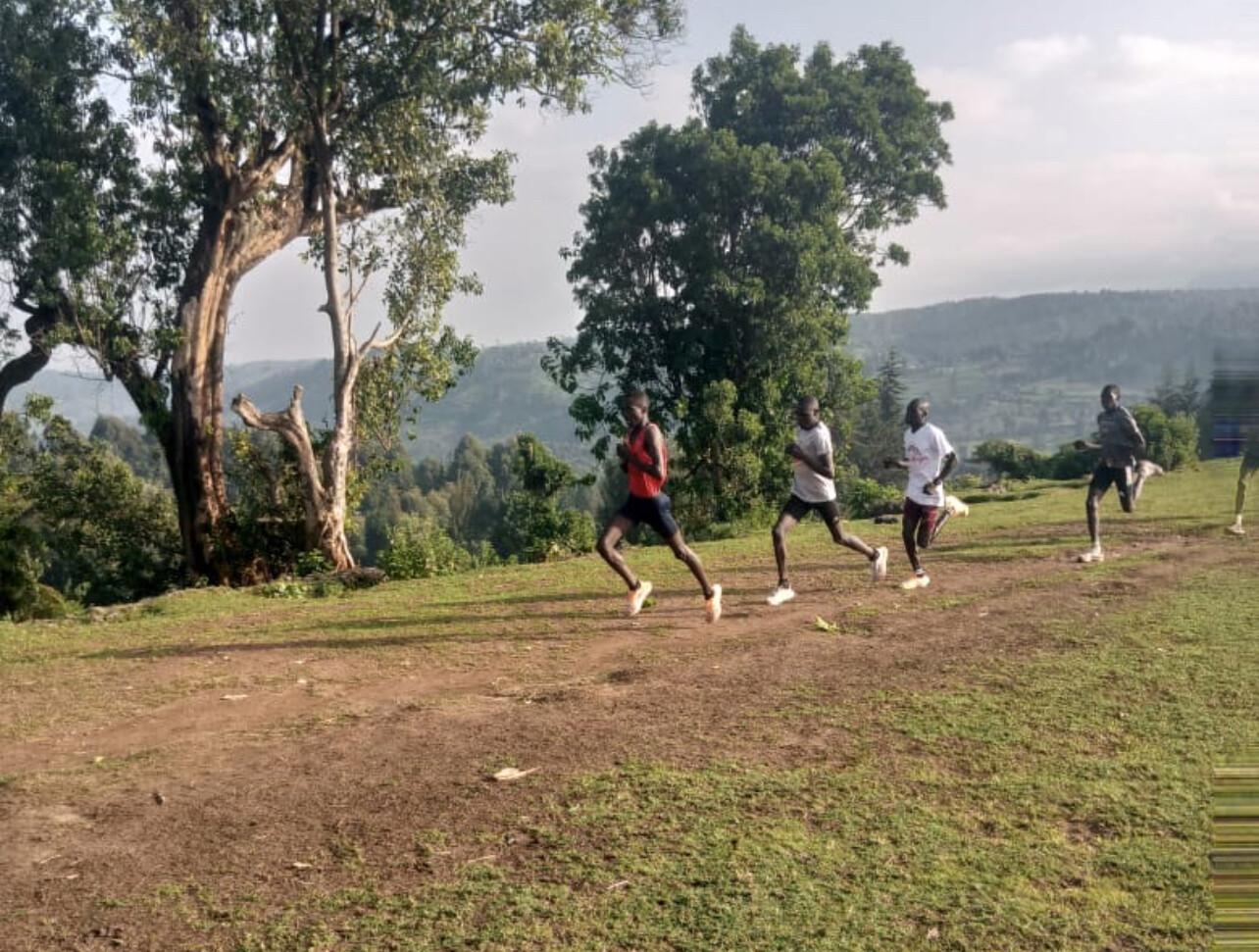
• Leonard Pkorir (19) – 10km: 29:11 – Emerging as a formidable road racer with a strong endurance base.
• Enock Tanui (16) – 3000m Steeplechase: 9:02 – Exceptional hurdle technique with early signs of national team potential.
• Alan Mwetich (22) – 21km: 65:12 – Balanced speed and stamina for half marathon success.
• Shadrack Plimo (19) – 1500m: 3:54 – Targeting a sub-3:50 at the next meet.

• Kelvin Kibiwott (20) – 5000m: 15:20 – Building speed endurance ahead of cross-country season.
• Dennis Kosgei (23) – 21km: 64:53 – Looking to sharpen his closing kick in the half marathon.
• Evans Kemboi (23) – 3000m: 9:24 – Solid short-to-mid distance competitor.
• Alex Kimutai (22) – 10km: 30:47 – On track to break 30 minutes soon.
• Doland Kimaru (29) – 42km: 2:17:50 – Pushing for a sub-2:15 marathon.
• Denis Kipchirchir (22) – 1500m: 4:08 – Focused on tactical improvements.
• Hosea Kiplagat (38) – 42km: 2:12 – Veteran leader bringing discipline and race strategy to the group.
Ladies:
• Mercy Jebichie (24) – 10km: 36:04 – Strong road race specialist, consistently targeting podiums.
• Sarah Chepkemoi (24) – 5000m: 18:16 – Improving strength and lap consistency.
• Mercy Jepchumba (23) – 10km: 37:31 – Steady improvement with better pacing strategies.
• Joan Jepchirchir (27) – 21km: 86:18 – Determined to drop her half marathon time through endurance gains.
KATA 01 exemplifies the Academy’s mission: developing champions through structured training, mentorship, and a team-first culture—backed by the sustainable support of KATA Potato Farms. With more than 400 athletes, 108 acres of potatoes, and two camps farming six acres between them, KATA is proving that sport and agriculture can grow champions together.
(08/11/25) Views: 130Fridah Terry
