

Running News Daily
Top Ten Stories of the Week
7/19/2025
These are the top ten stories based on views over the last week.
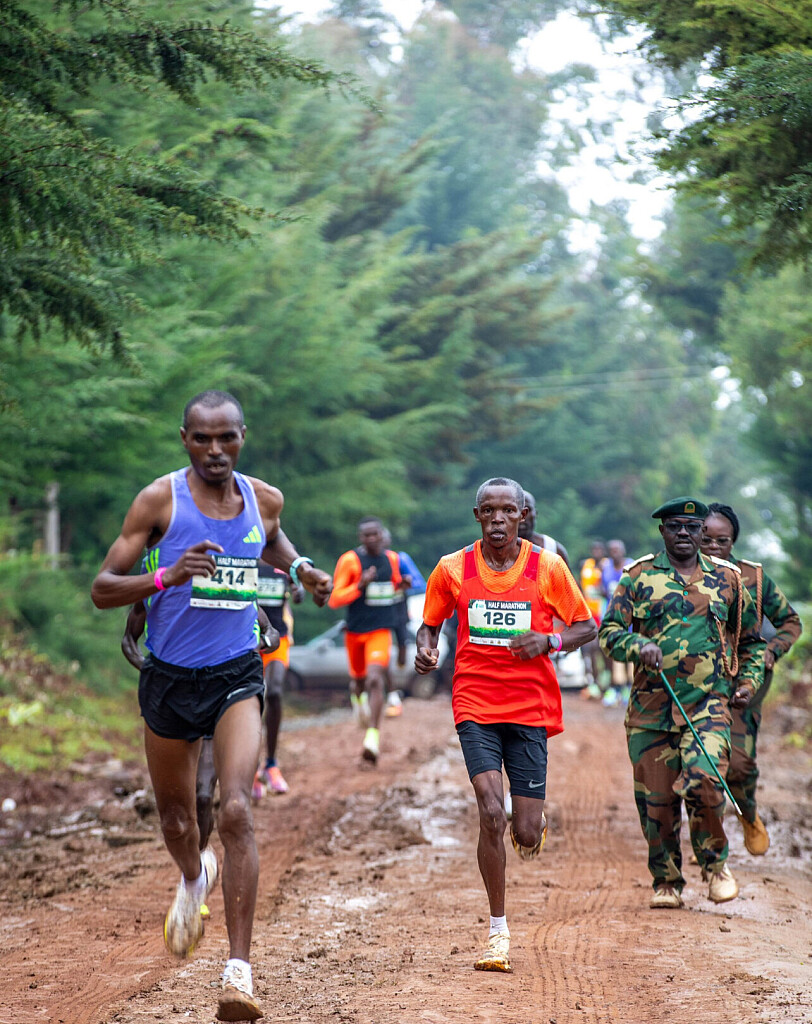


Rotich and Reline Triumph in Muddy Showdown at Kaptagat Forest Half Marathon - Kaptagat, Kenya — July 12, 2025
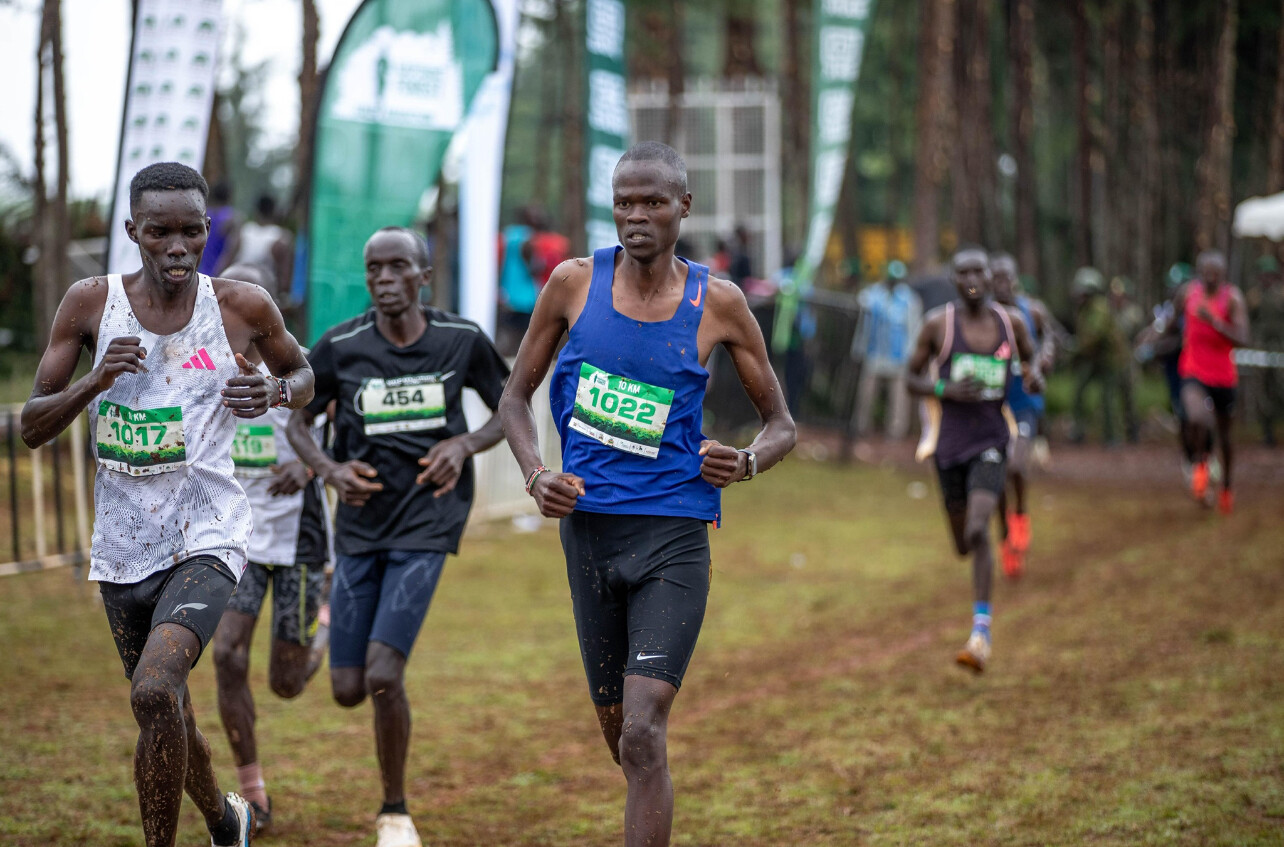
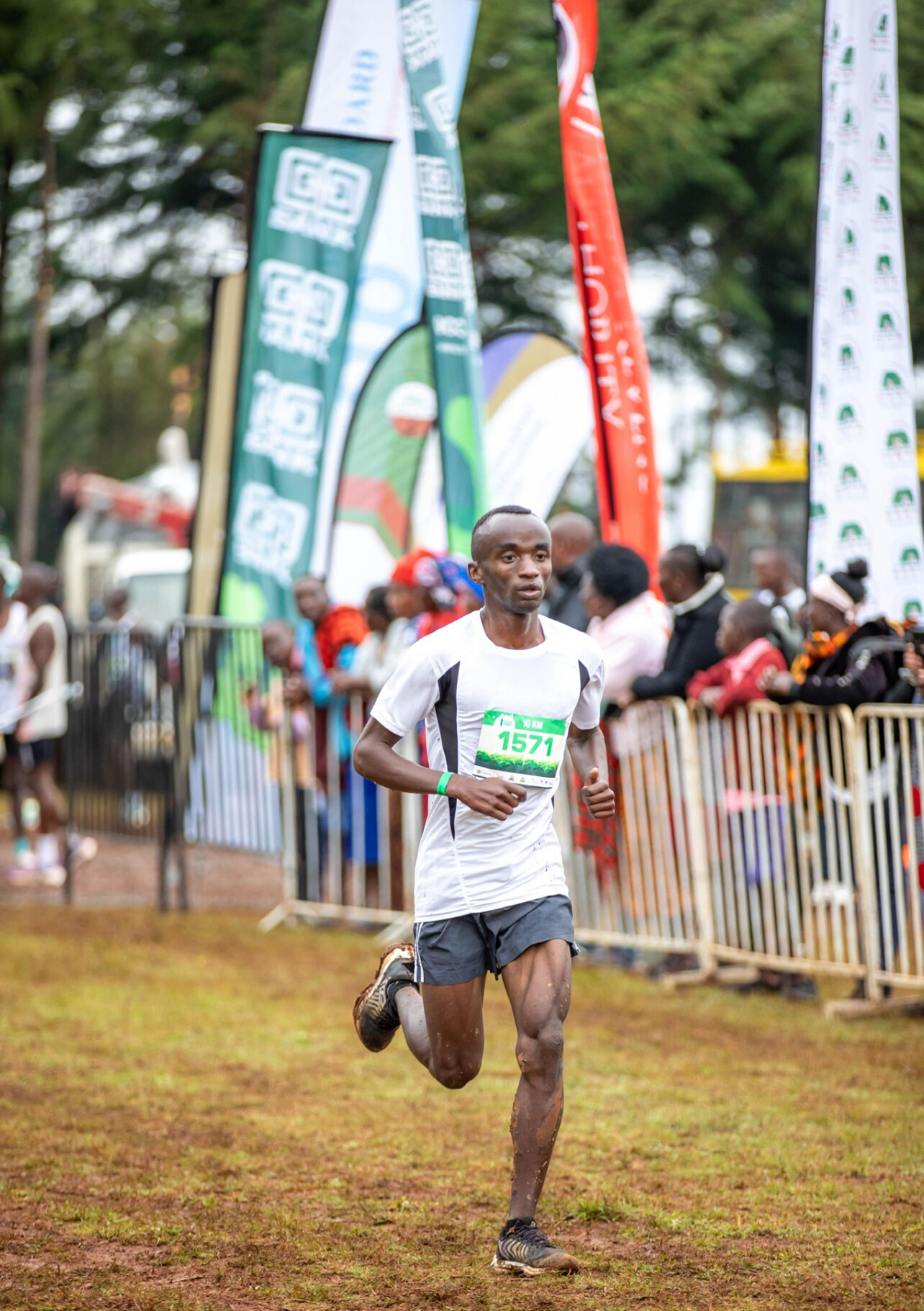
On a misty Saturday morning in the high-altitude woodlands of Simotwo, Elgeyo Marakwet County, Gideon Kiprop Rotich and Catherine Reline embraced the mud, mist, and mayhem to win the 2025 Kaptagat Forest Half Marathon. Battling a soaked red clay course shared by Kenya’s finest—including marathon legend Eliud Kipchoge—the two champions rose above the chaos to claim hard-fought victories in the men’s and women’s 21km races.
MEN’S 21KM — Rotich Edges Rivals in Thrilling Sprint Finish
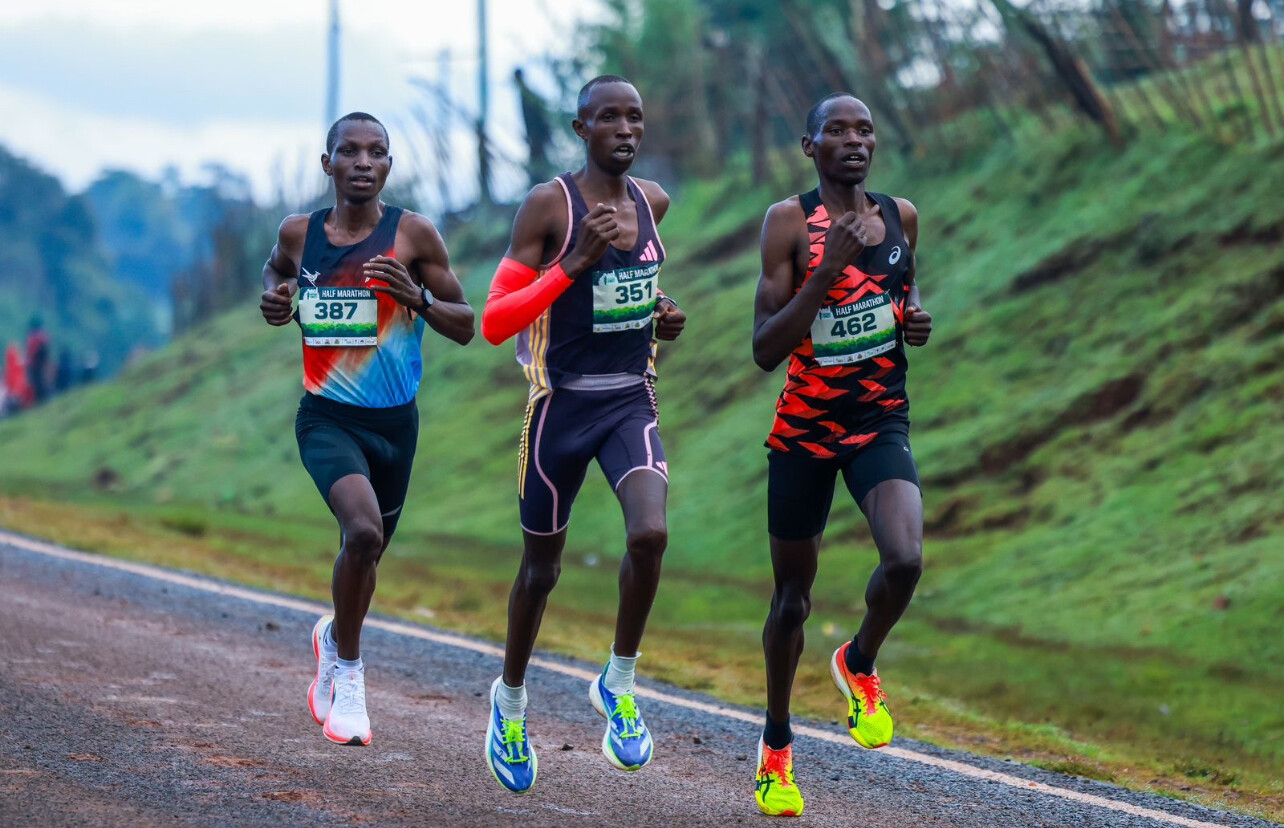
The men’s race quickly became a tactical chess match, played out on unpredictable terrain. Rotich, showing remarkable composure through the slippery climbs and sharp descents, surged in the final kilometer to win in 1:07:02.
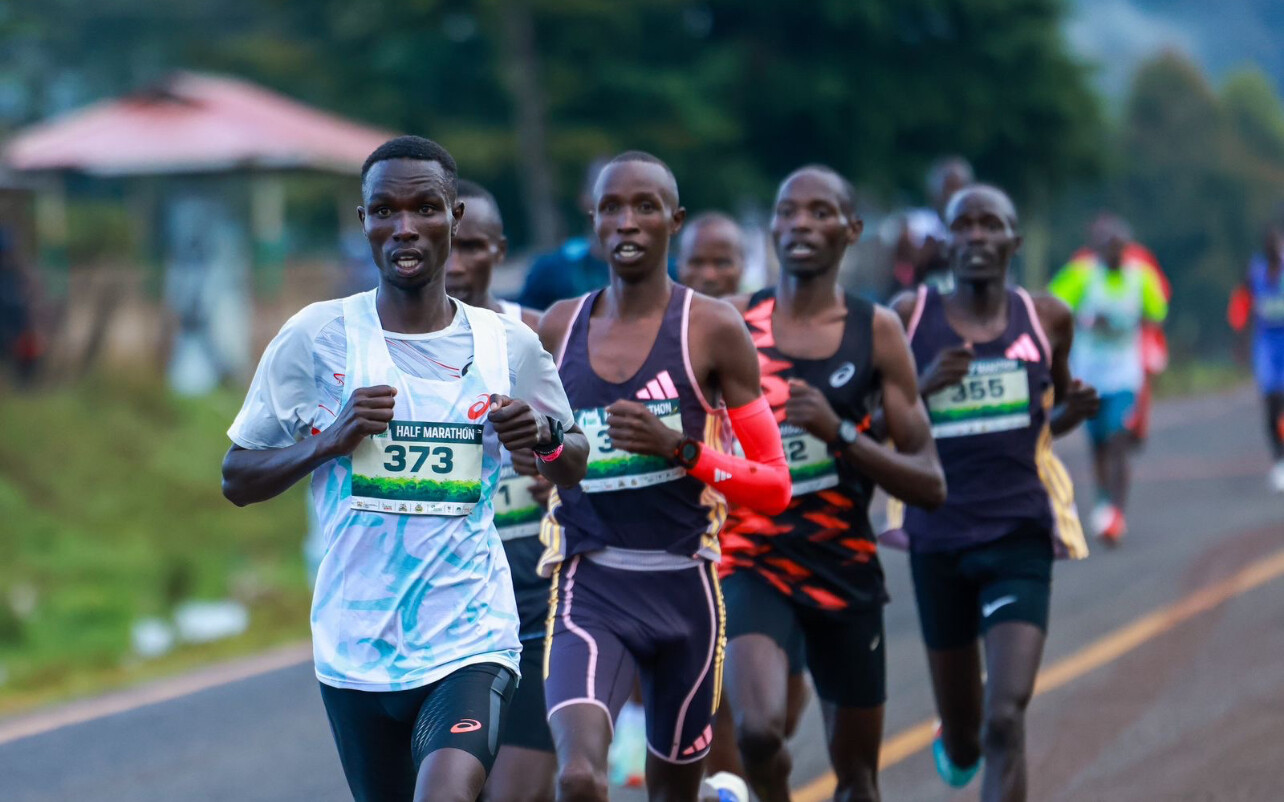
From the outset, he was closely shadowed by Wisley Kipkemoi Yego (Keringet) and Alfred Kipkemoi Cheruiyot, with the trio passing 5K in 14:19, 10K in 32:47, and 15K in 47:21. As the fog thickened and footing worsened, Rotich found a decisive gear on the final descent. Yego finished just two seconds back in 1:07:04, with Cheruiyot another heartbeat behind in 1:07:05.
“You couldn’t push the way you normally would,” said Rotich, his shoes caked with thick mud. “The ground was soft; the air was heavy. But that’s Kaptagat—it doesn’t reward the fastest, it rewards the smartest and toughest.”
Only 16 seconds separated the top five finishers, marking one of the most dramatic conclusions in the event’s recent history.
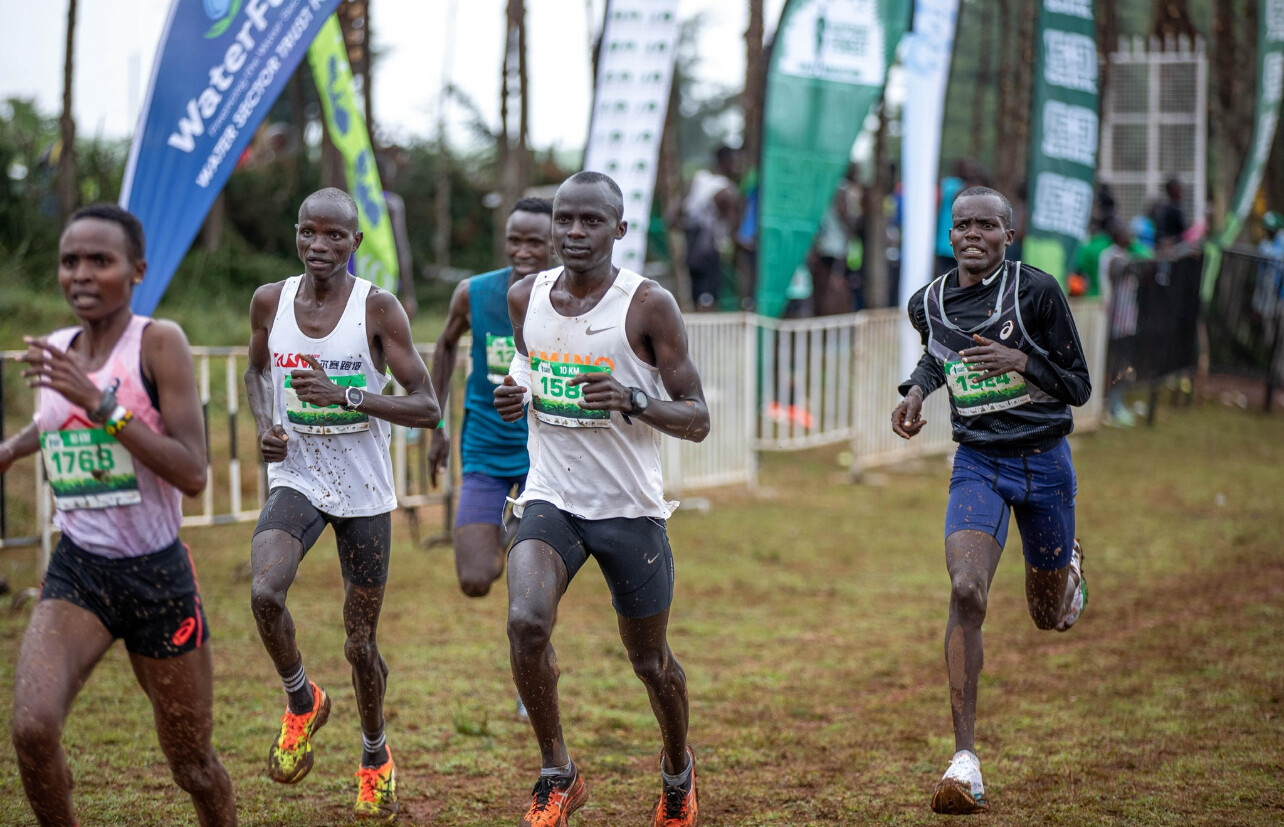
WOMEN’S 21KM — Reline Dominates with Precision and Power
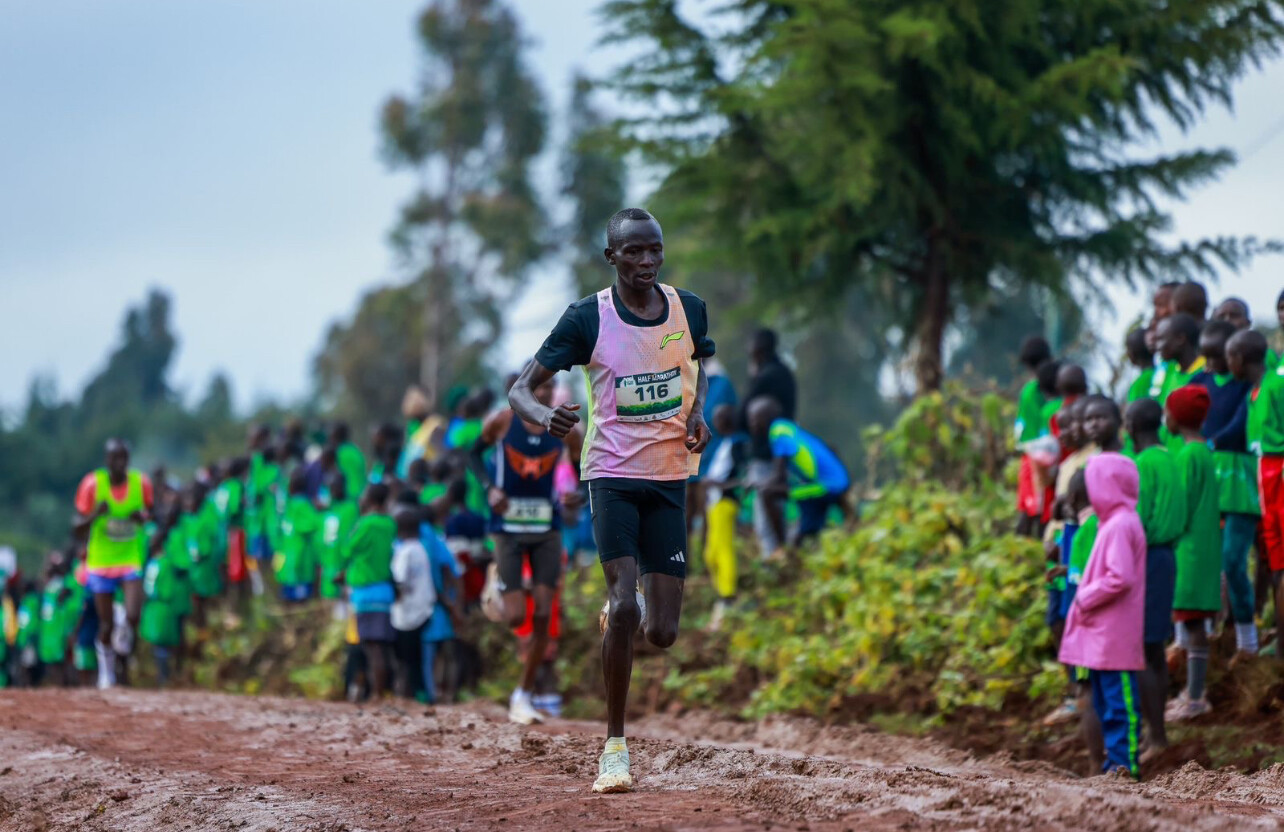
In the women’s race, Catherine Reline executed a masterclass in pacing and poise. She broke away after 10K and never looked back, claiming victory in 1:14:23.
Her 5K split of 16:22 gave early notice of her form, with 10K and 15K reached in 37:33 and 53:39, respectively. Confident and sure-footed through the muddiest stretches, she ran unchallenged to the finish.
“The forest was unforgiving,” Reline said. “But I trusted my rhythm and focused on staying upright through the muddy patches. Once I found my footing, I just kept pressing.”
Vivian Cherotich (1:15:09) and Catherine Peiyoy (1:15:44) rounded out the podium after a gritty chase through the fog-shrouded ridgelines and pine forest trails.
Mud, Mist, and the Magic of Kaptagat
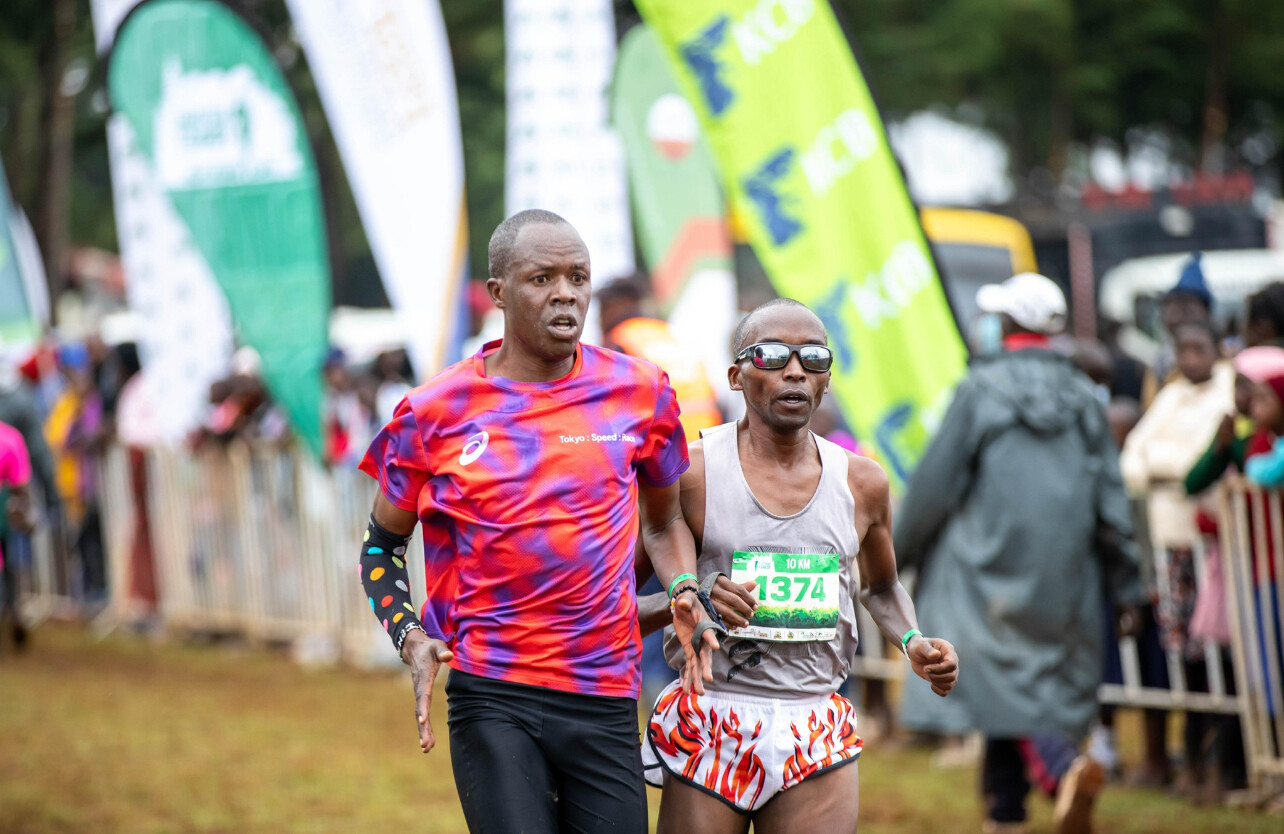
Despite a relentless drizzle and pre-race downpour, the race drew hundreds of spirited spectators. From Simotwo High School to the inner loops of the Kaptagat forest, locals wrapped in shawls, ponchos, and even barefoot stood cheering along the soaked 2,600-meter elevation trail.
Organizers praised the resilience of the athletes and hinted at possible drainage improvements for future editions. But for many, the mud and mist are part of Kaptagat’s mystique.
“This course defines toughness,” said third-place finisher Cheruiyot. “And the crowd’s energy—despite the rain—kept us going.”
As sunlight finally pierced the cloud cover, the 2025 Kaptagat Forest Half Marathon cemented its reputation once again: raw, real, and one of Kenya’s toughest tests of endurance.
Top 10 Results – Men’s 21km
1. Gideon Kiprop Rotich – 1:07:02
2. Wisley Kipkemoi Yego – 1:07:04
3. Alfred Kipkemoi Cheruiyot – 1:07:05
4. Kalipus Lomwai – 1:07:12
5. Stephen Kimutai Kibet – 1:07:18
6. Philemon Kiprotich Konor – 1:07:35
7. Timothy Kiptoo – 1:07:56
8. Patrick Mosin – 1:08:01
9. Noah Kipkemboi – 1:08:18
10. Jonah Belio – 1:08:21
Top 6 Results – Women’s 21km
1. Catherine Reline – 1:14:23
2. Vivian Cherotich – 1:15:09
3. Catherine Peiyoy – 1:15:44
4. Gladys Longari – 1:15:48
5. Beatrice Cheserek – 1:16:49
6. Gladys Jeptepkeny – 1:17:33
(07/13/25) Views: 254
Robert Kibet
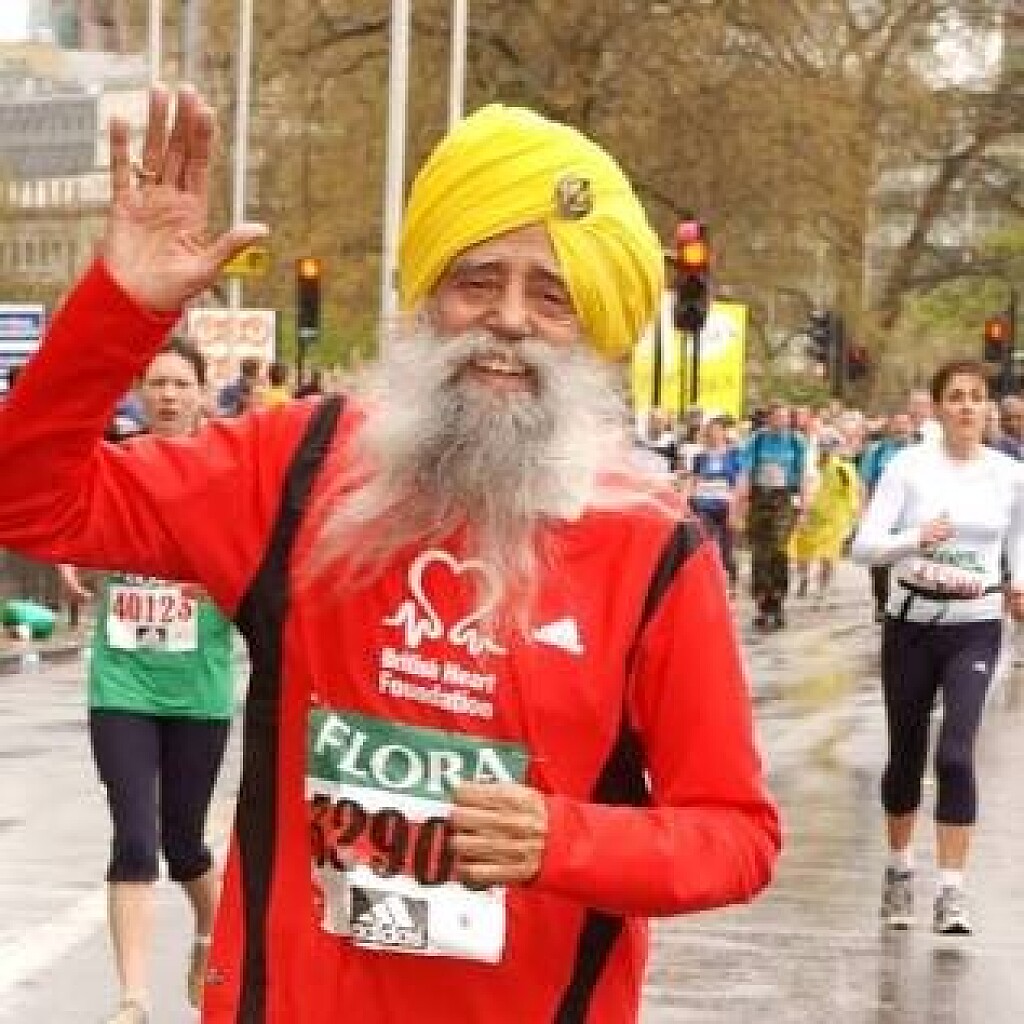
The world’s oldest marathon runner, Fauja Singh, who was still competing after turning 100, died in a hit-and-run on Monday. He was 114.
“Can you imagine living this long and dying in this fashion?” said Bob Anderson, founder of My Best Runs. “I’m deeply saddened by the tragic loss Shri Fauja Singh ji. He was the embodiment of endurance and spirit.”
The Turbaned Tornado Who Defied Time

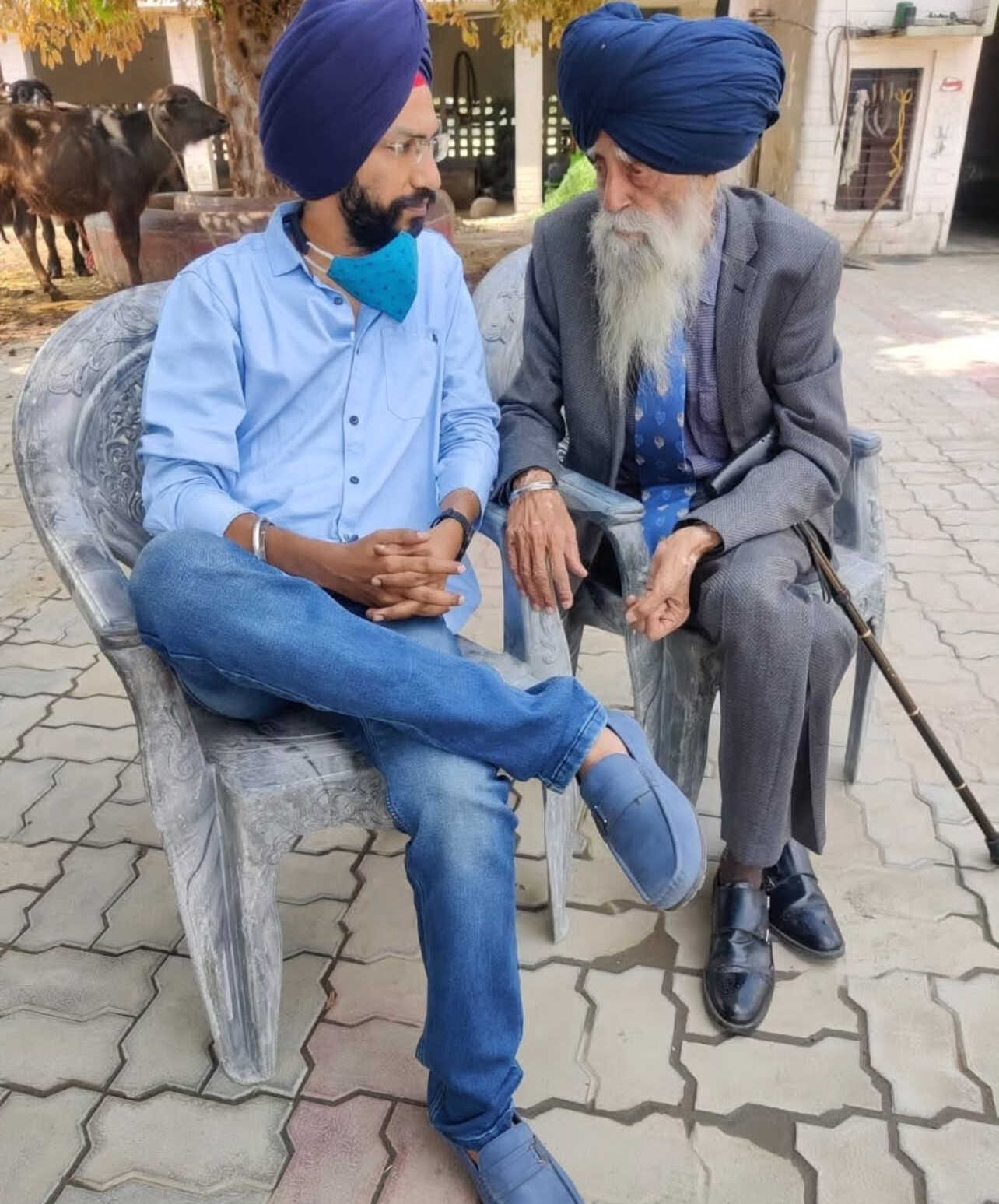
Born on April 1, 1911, in Beas Pind, Punjab, Fauja Singh didn’t learn to walk until he was five due to childhood weakness. No one could have predicted he would go on to become one of the most iconic figures in distance running history.
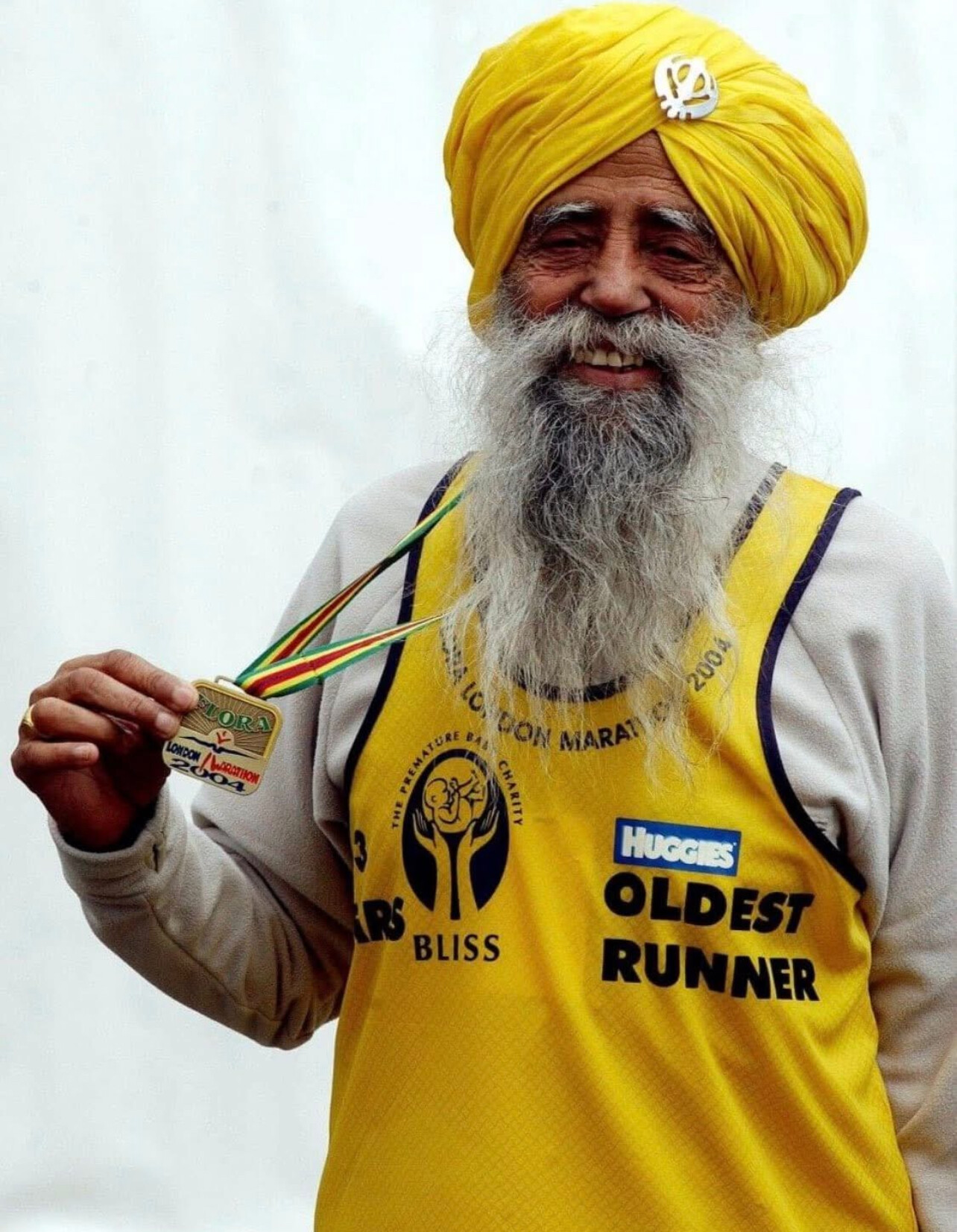
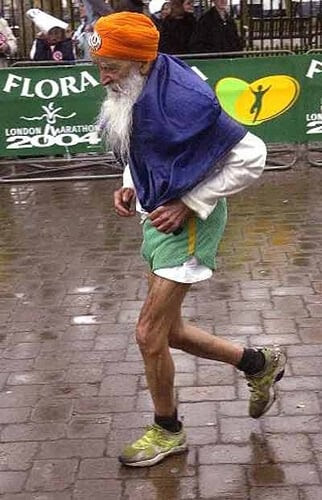
He took up running in his late 80s to cope with the grief of losing his wife and son. What began as a form of healing turned into a second life as a marathoner. At age 89, Singh ran his first marathon—the 2000 London Marathon—finishing in 6 hours and 54 minutes.
A Record-Breaking Journey
Over the next decade, Singh became a global sensation:
• He set multiple age-group world records from 100m to the marathon in the 90+ and 100+ categories.
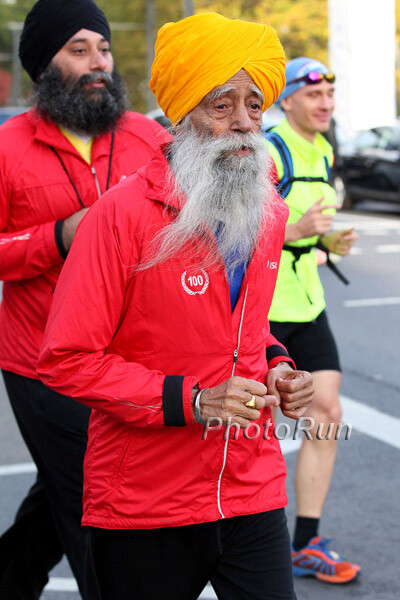
• In 2011, at age 100, he became the first centenarian to complete a marathon (Toronto Waterfront) in 8 hours 11 minutes.
• He carried the Olympic torch in both the 2004 Athens and 2012 London Games.
• Singh completed his final race—a 10K in Hong Kong—in 2013 at the age of 101.
Though Guinness did not certify his 100+ age records due to lack of birth documentation, the running world recognized him for what he was: the oldest marathoner to ever cross the finish line.
A Global Inspiration
Fauja Singh became more than a runner—he became a symbol. With his flowing white beard, bright smile, and signature turban, he challenged perceptions of aging and inspired generations.
“He was a powerhouse of positivity,” Anderson said. “He showed the world what’s possible, regardless of age.”
Not just admired by runners, Singh was revered across cultures and nations. Tributes have poured in from athletes, politicians, and fans across the globe.
A Tragic End
On July 14, 2025, Fauja Singh was struck and killed by a speeding vehicle in his hometown of Jalandhar, Punjab, while on his way to his evening walk. He was 114 years old.
The hit-and-run incident occurred just 400 meters from his home. Despite being rushed to the hospital, he succumbed to his injuries hours later.
Local authorities are actively investigating the incident, but no arrest has been made at the time of publication.
A Final Salute
Fauja Singh lived every one of his 114 years with purpose. He ran with passion, smiled through hardship, and inspired millions.
“This was the only way death could conquer him—doing what he loved the most,” said Bob Anderson. “We salute him. May his soul rest in peace."
Fauja Singh will not be remembered for the way he died, but for the way he lived—and ran.
"I just can not believe he is gone," says Bob " but his spirt will live forever."
(07/15/25) Views: 195Boris Baron
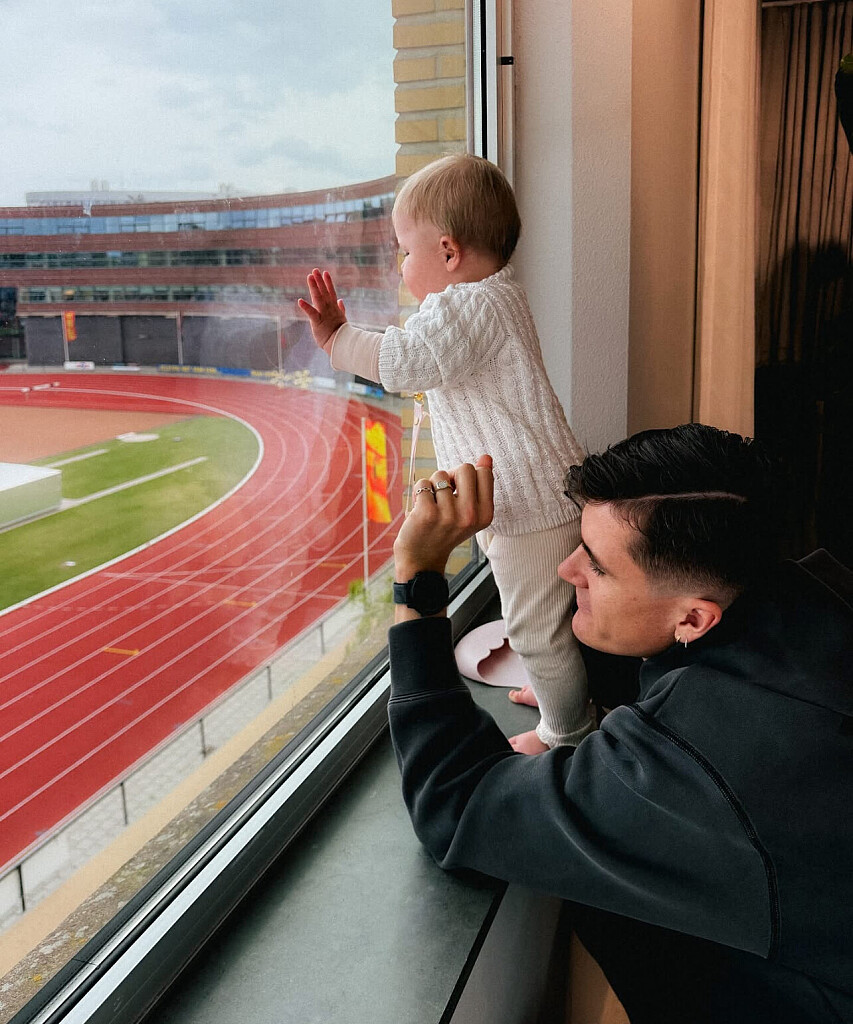
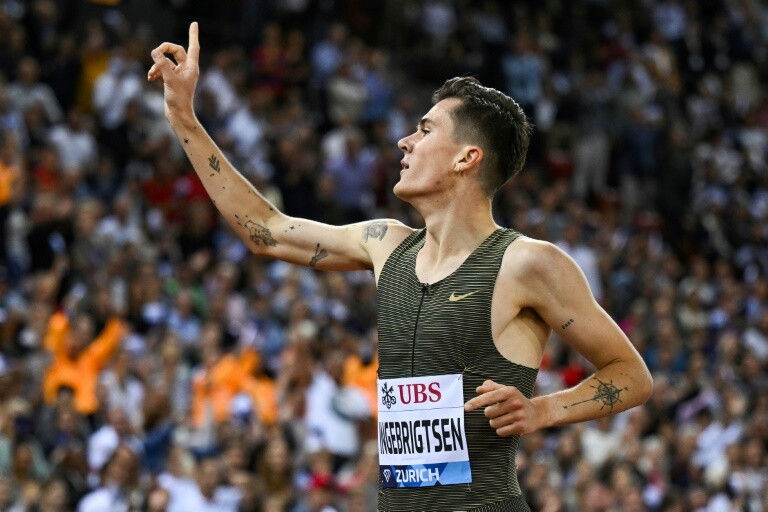
Jakob Ingebrigtsen Returns to Altitude Training in St. Moritz Following Injury and Personal Turmoil
Olympic champion Jakob Ingebrigtsen is heading back to the mountains of St. Moritz to resume altitude training after a difficult first half of the 2025 season marked by injury and family challenges. The 23-year-old Norwegian has been recovering from a strained Achilles tendon that derailed his early outdoor campaign and forced him to miss several key meets.
Recovery First

Ingebrigtsen initially planned to train at altitude in Sierra Nevada in the spring, but his Achilles issue required a change of course. He instead remained home to focus on recovery, missing high-profile events in Oslo, Ostrava, the Pre Classic, and the London Diamond League.

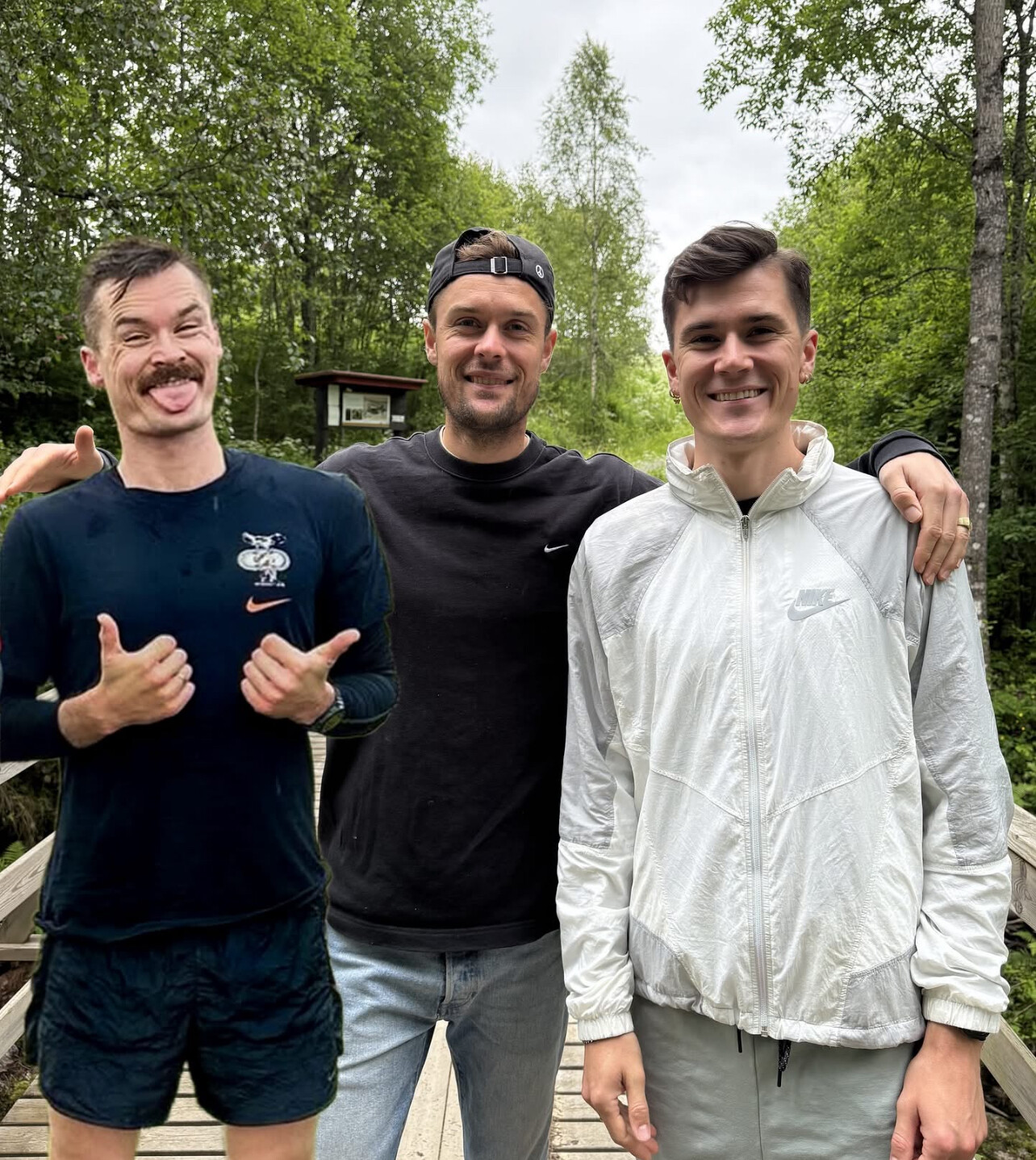
In a recent update shared on social media, Jakob acknowledged the long road back but said he was grateful for the time spent with his young daughter and dogs. “At least I had the best company,” he wrote, sharing photos from a forest outing. His message suggests a turning point in his recovery, both physically and emotionally.
Altitude Training in St. Moritz
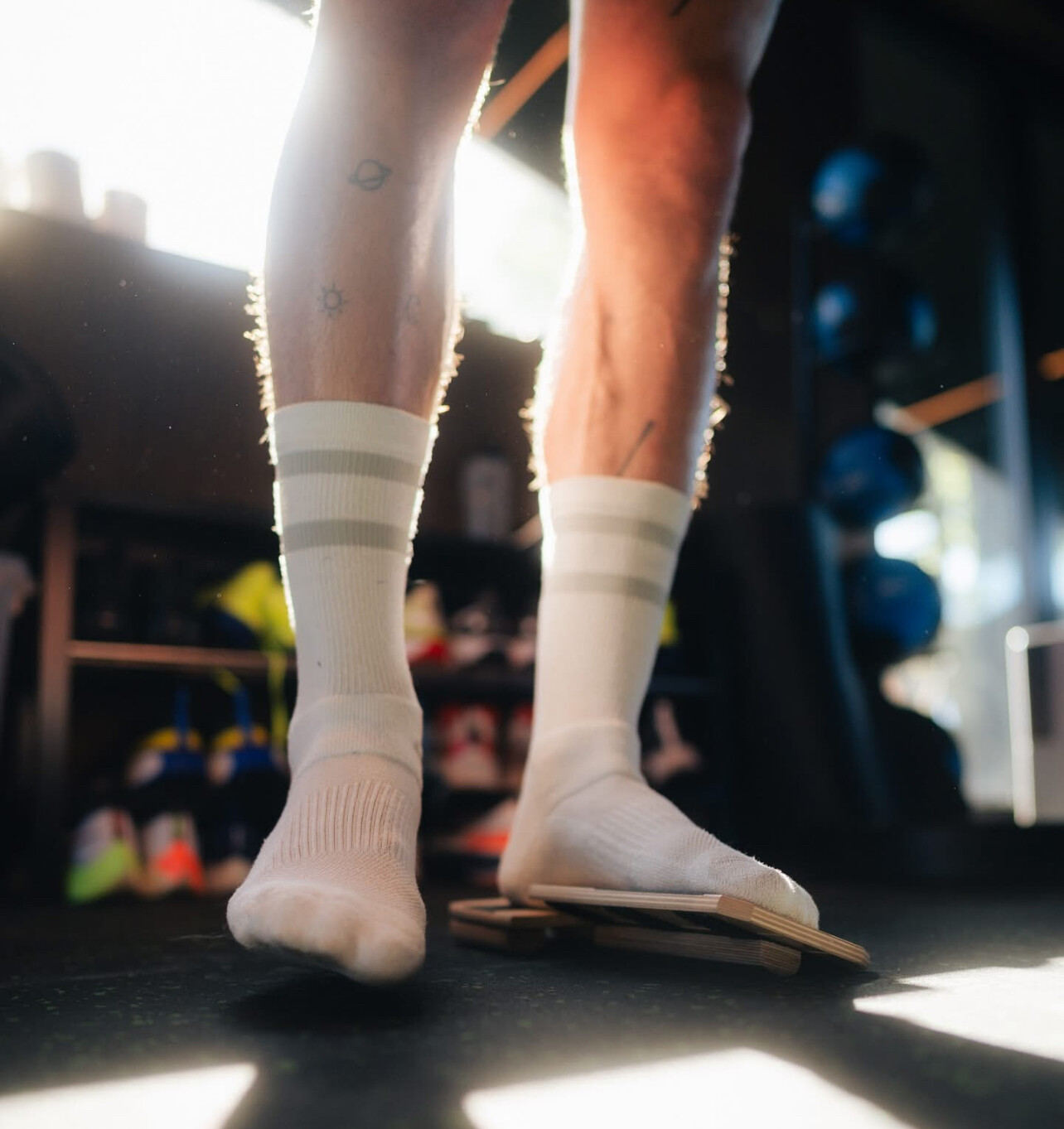
Coach Filip Ingebrigtsen has confirmed that Jakob will now join Norway’s altitude group in St. Moritz for a three- to four-week training block. The plan is to carefully build back fitness without rushing into competition. If all goes well, Jakob could return to racing in mid-August, with the Silesia Diamond League meeting in Poland emerging as a likely target.

While his return has been delayed, confidence remains high. Ingebrigtsen’s indoor season earlier this year was exceptional—he broke the world indoor records for both the 1500m and mile. In June, shortly before his Achilles flare-up, he set a new European 1500m record of 3:27.95 and clocked 7:54.10 in the two-mile, a world best.

Personal Challenges and Legal Closure
In the midst of his recovery, Ingebrigtsen also had to navigate a difficult legal chapter. On June 23, his father, Gjert Ingebrigtsen, was convicted of minor assault against Jakob’s younger sister, Ingrid, for an incident involving a wet towel. Gjert received a 15-day suspended sentence and was ordered to pay damages. He was acquitted of similar charges involving Jakob due to lack of evidence.
The verdict marks a formal conclusion to a painful and public family dispute that first came to light in late 2023. With this chapter behind him, Jakob appears ready to shift focus fully back to his training and racing.
Looking Ahead
Jakob Ingebrigtsen’s approach to 2025 has been cautious but strategic. Rather than forcing an early comeback, he’s prioritized recovery, stability, and preparation. If his return to St. Moritz goes as planned, fans can expect to see him back on the track in top form later this summer—potentially just in time to contend for another global title.
Boris Baron
Eric Giacoletto: The Curator Preserving the Soul of Track and Field
In the fast-moving world of social media, few people are doing more to preserve the rich history of athletics than Eric Giacoletto. From his home in Albertville, France, Eric has become one of the most passionate archivists of the sport—sharing rare photos, insightful commentary, and forgotten moments that continue to inspire athletes and fans across the globe.
Though not a former elite runner himself, Eric’s knowledge runs deep, and his posts serve as daily reminders of what makes our sport timeless. He documents both legends and lesser-known heroes, giving context, names, and reverence to each moment he shares. His work has captured the attention of many—including My Best Runs founder Bob Anderson.
“What Eric is doing is important,” says Bob. “He’s preserving history—moments and athletes that might otherwise be forgotten. His posts are reminders of the beauty, pain, and glory of running.”
Just this past week, Eric posted dozens of compelling images from the golden eras of track and field. From that treasure trove, Bob Anderson selected eight photos he found particularly inspiring. Each tells a story—of courage, character, and the timeless spirit of competition.
Here are the eight photos Bob selected from Eric’s posts this past week:
Photo 1
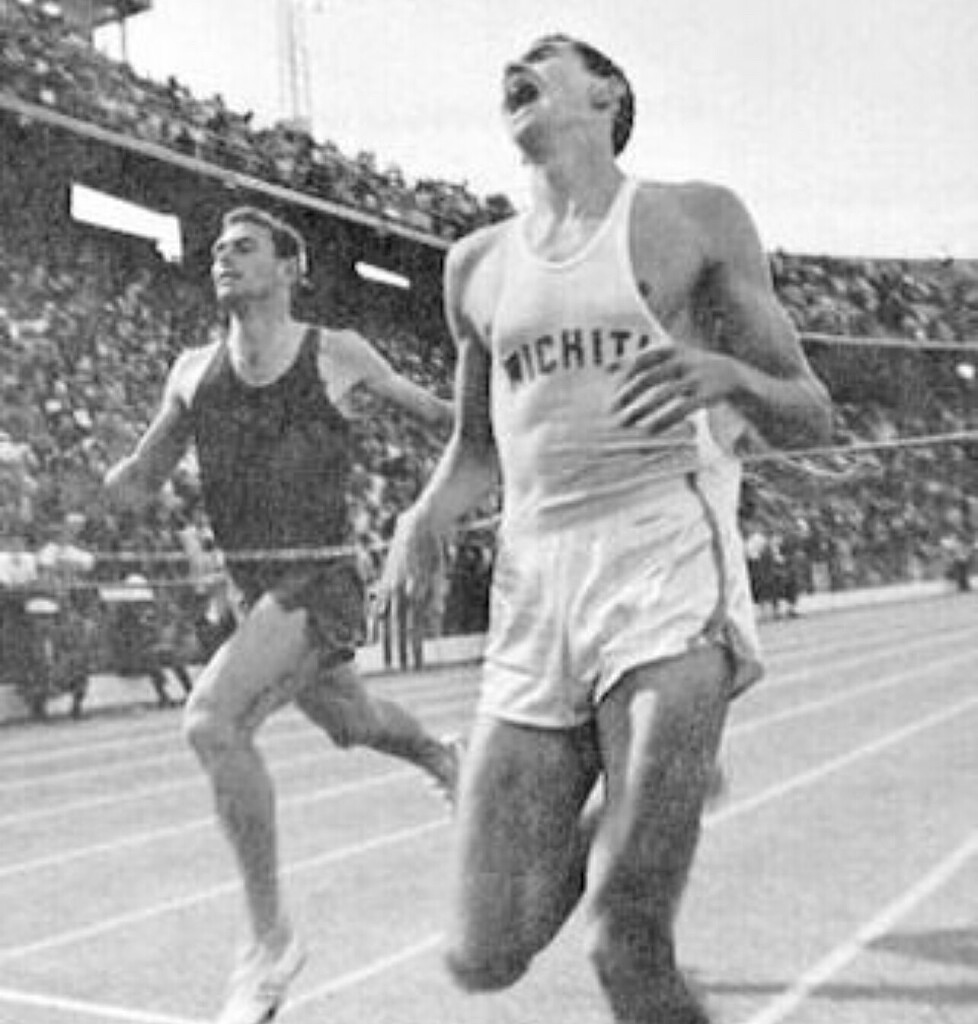
Jim Ryun and Peter Snell – A Finish for the Ages
Two legends of the mile—Jim Ryun of Wichita and New Zealand’s Peter Snell—captured in one of the most dramatic finishes in middle-distance history. Ryun’s expression of anguish and Snell’s graceful stride speak volumes about what it takes to be world-class. An image that defines grit, shared by Eric earlier this week.
Photo 2
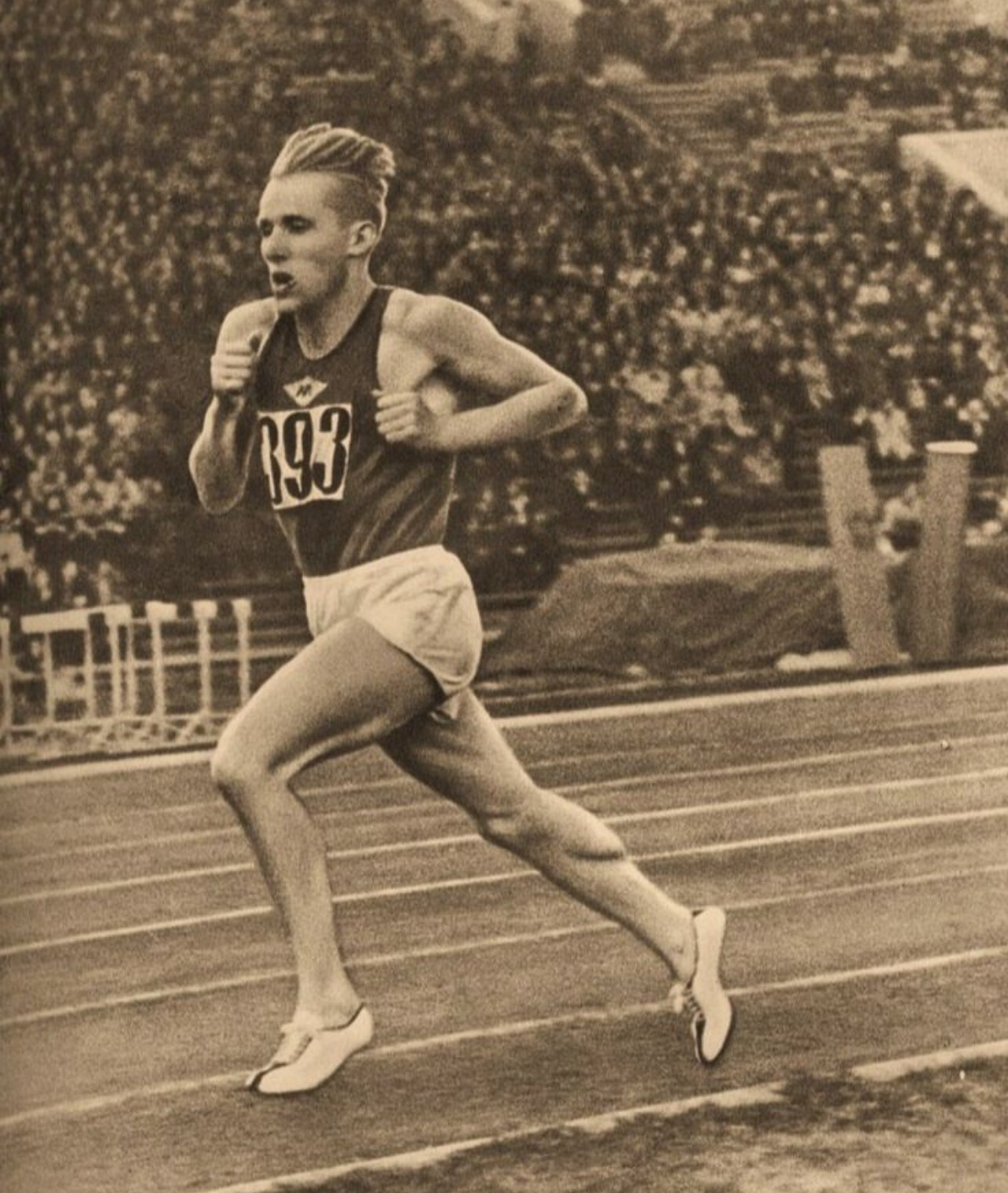
Vladimir Kuts – Soviet Powerhouse in Full Flight
Sprinting down the track with trademark aggression, Vladimir Kuts dominated the 1956 Olympics in Melbourne, winning both the 5,000m and 10,000m. Eric’s photo selection highlights Kuts’ unmistakable form and ferocity—a reminder of Eastern Bloc distance dominance during the Cold War era.
Photo 3
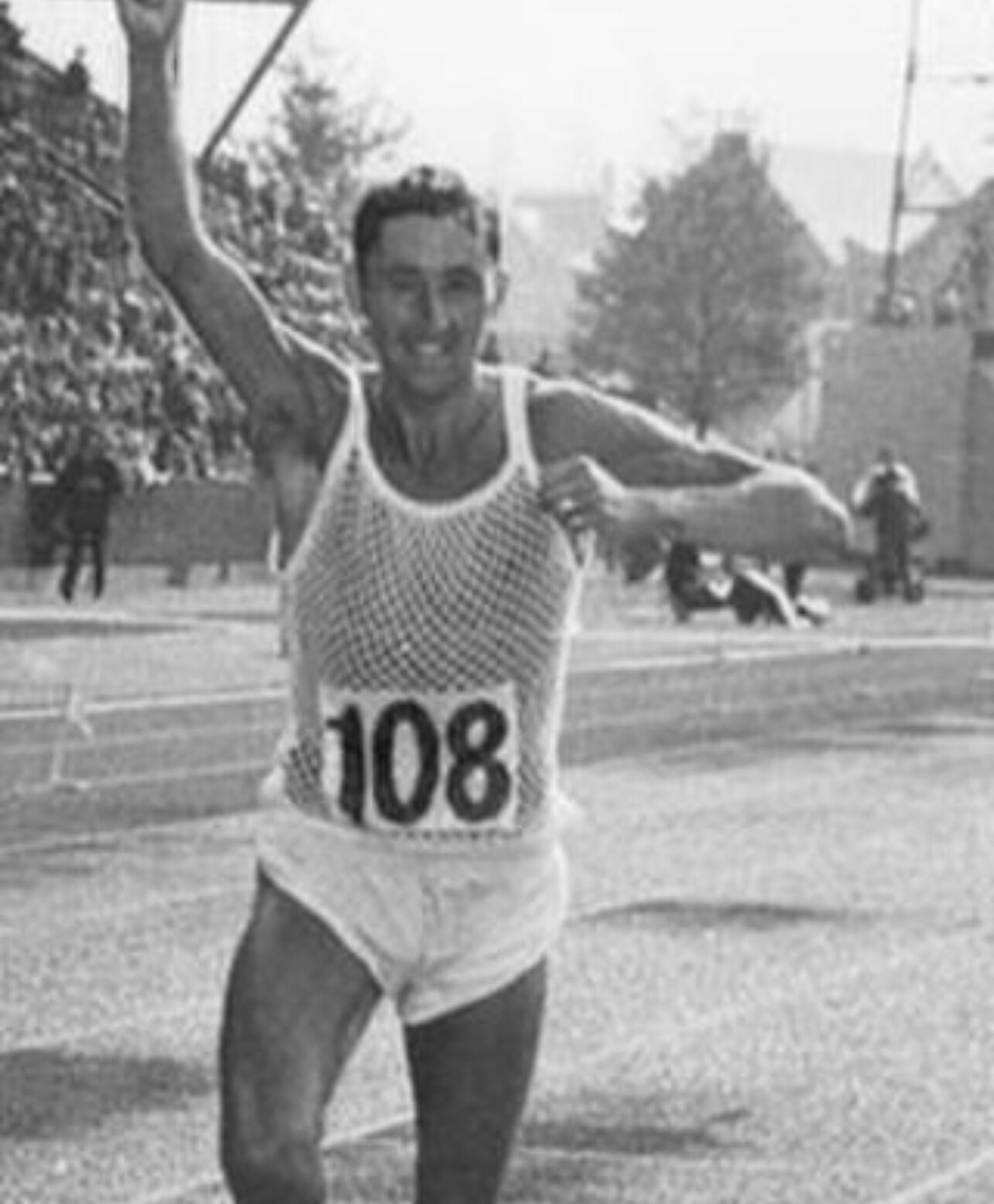
Ron Hill – 1970 Commonwealth Games, Edinburgh
Ron Hill, the pioneering English marathoner, crosses the line in his signature mesh singlet. By 2014, he had logged 159,106 lifetime miles—running at least one mile every day for 50 years. A legendary streak by a man who redefined commitment to the sport.
Photo 4
Steve Prefontaine in His Element
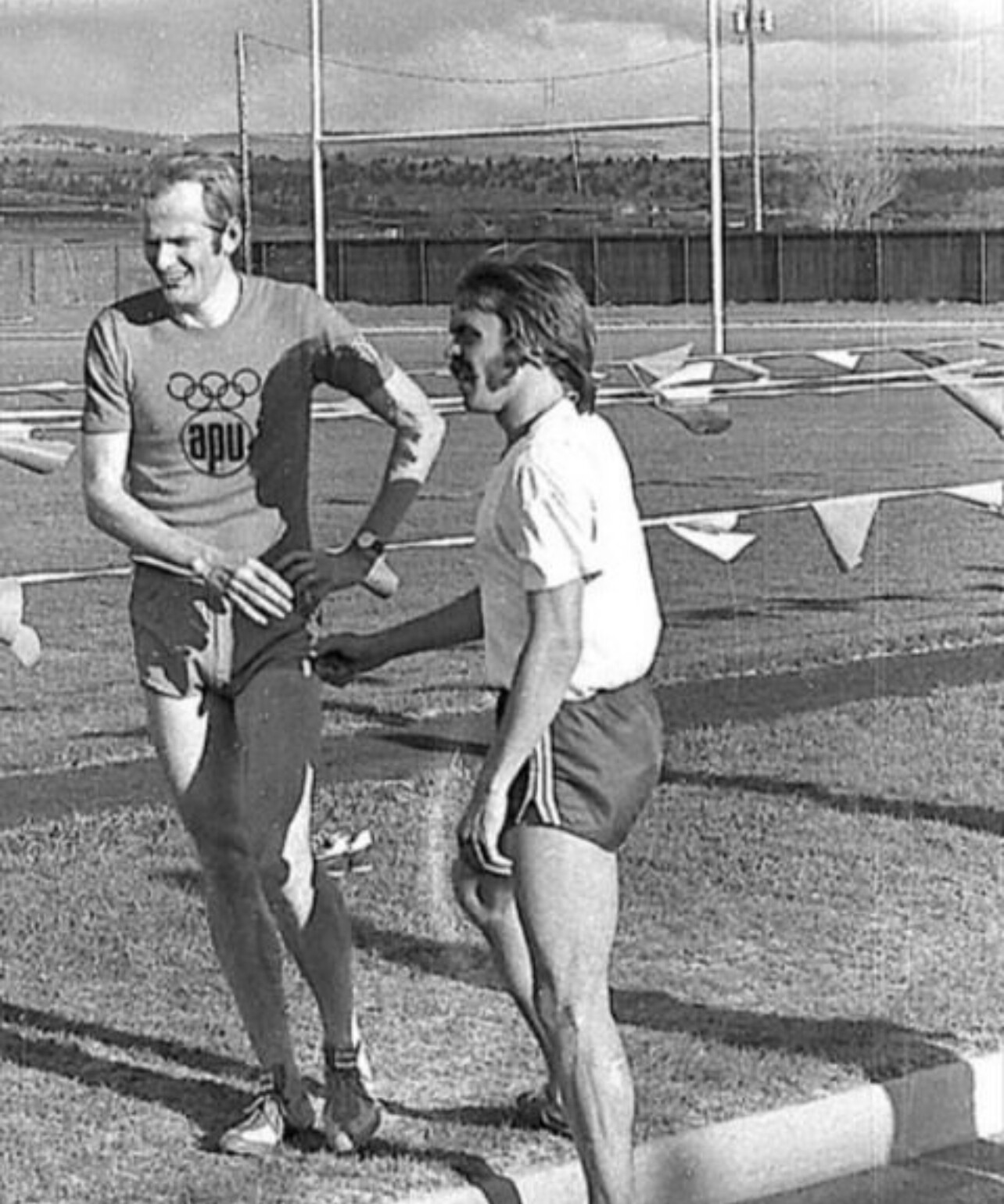
A candid photo of “Pre” during a training session, captured in conversation and camaraderie. Prefontaine’s fearless front-running style and outspoken personality made him a symbol of competitive fire. This relaxed moment shows the human side of a distance icon.
Photo 5
Herb Elliott – Training on the Dunes of Portsea
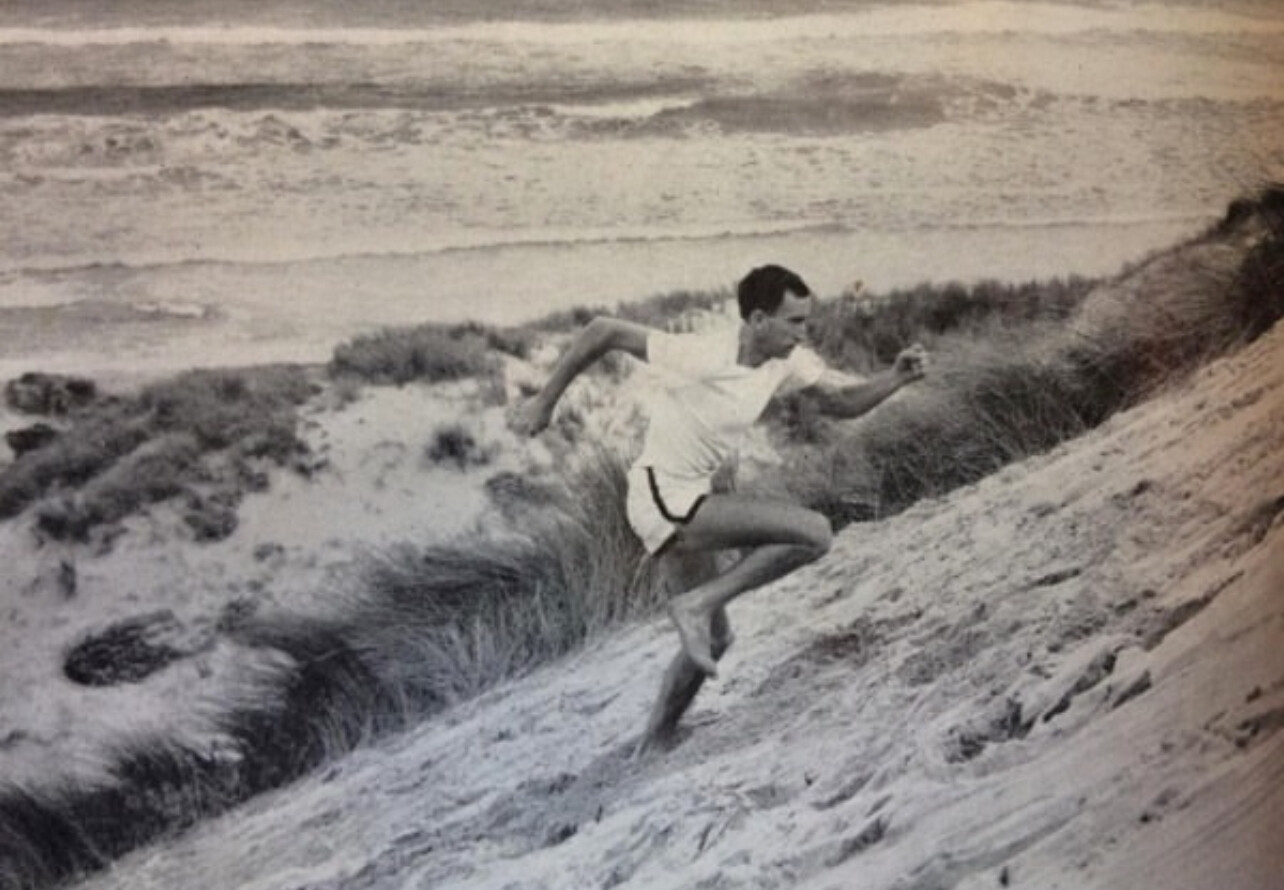
A powerful shot of Australian great Herb Elliott charging barefoot up the coastal sand dunes, guided by coach Percy Cerutty’s naturalist philosophy. Elliott never lost a 1500m or mile race in his career, and this photo shows the raw work behind that undefeated record.
Photo 6
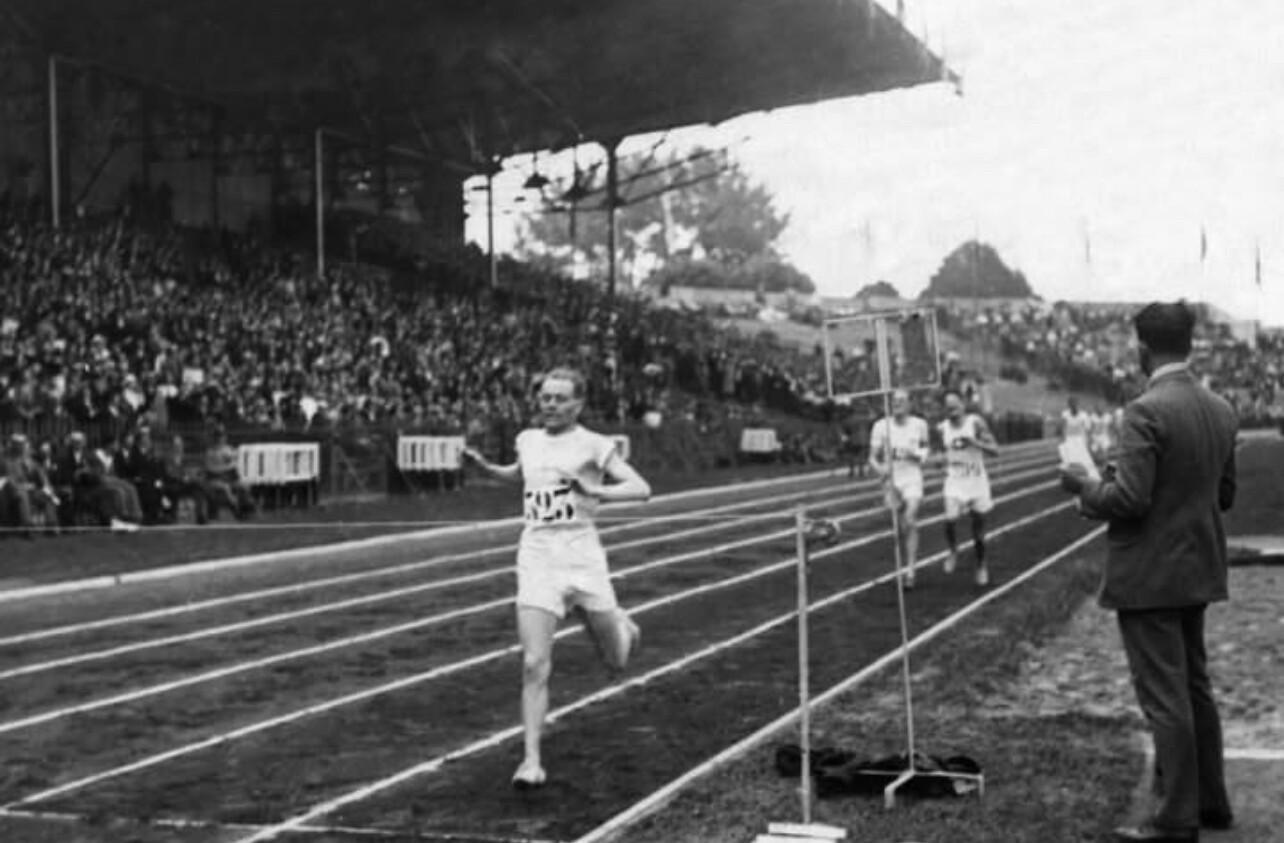
Paavo Nurmi – Double Gold in One Afternoon
Paris, July 10, 1924: Paavo Nurmi wins the 1500m, then returns just hours later to take gold again in the 5000m. This photo shows him well ahead of the field, delivering one of the most jaw-dropping performances in Olympic distance running history.
Photo 7
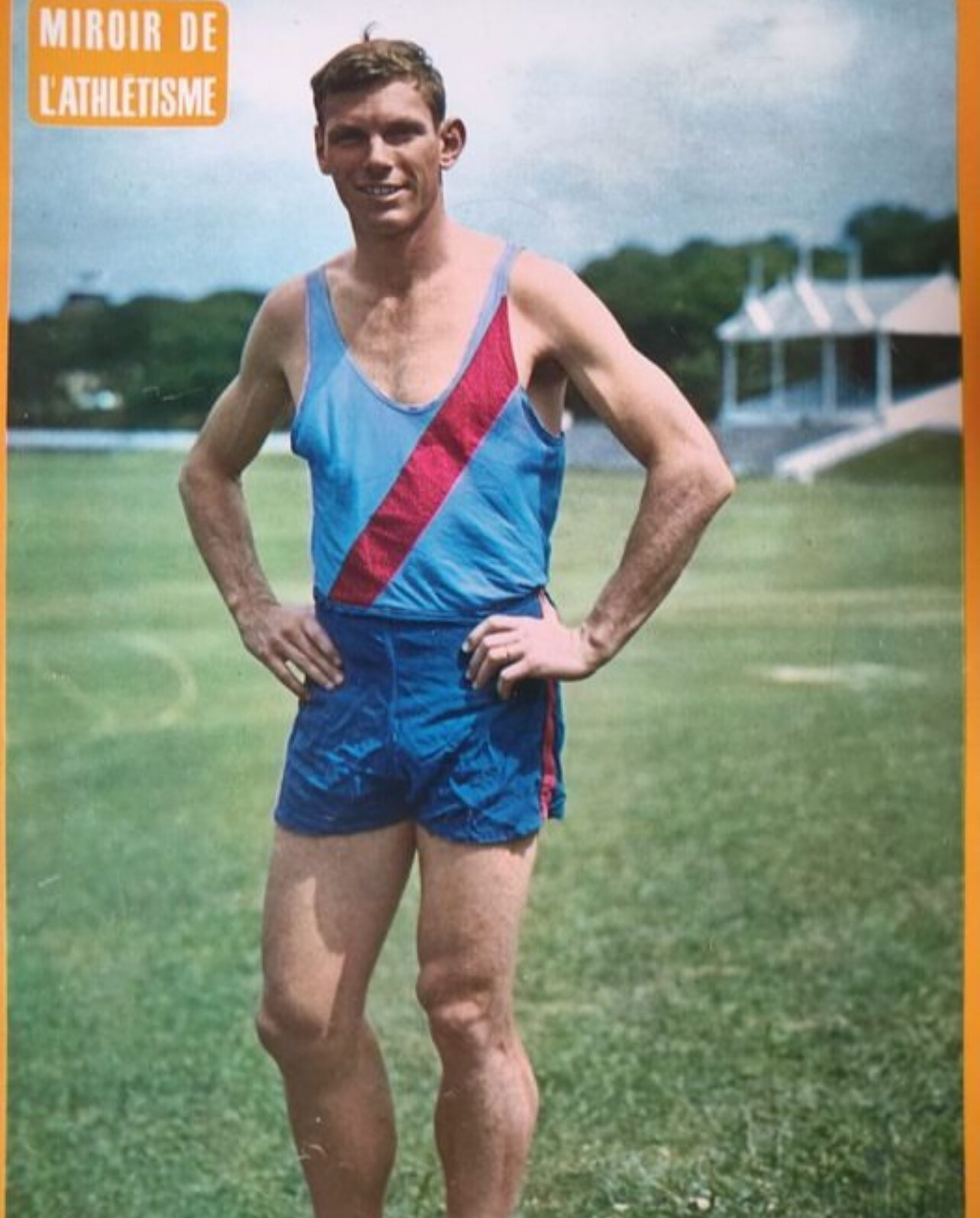
Peter Snell – Power and Poise in Color
A rare color image of New Zealand’s Peter Snell, one of the greatest middle-distance runners of all time. Winner of three Olympic gold medals, Snell combined strength with speed in a way few ever have. Eric’s post brings his iconic stature to life in full color.
Photo 8
Bill Rodgers – Boston Breakaway, 1975
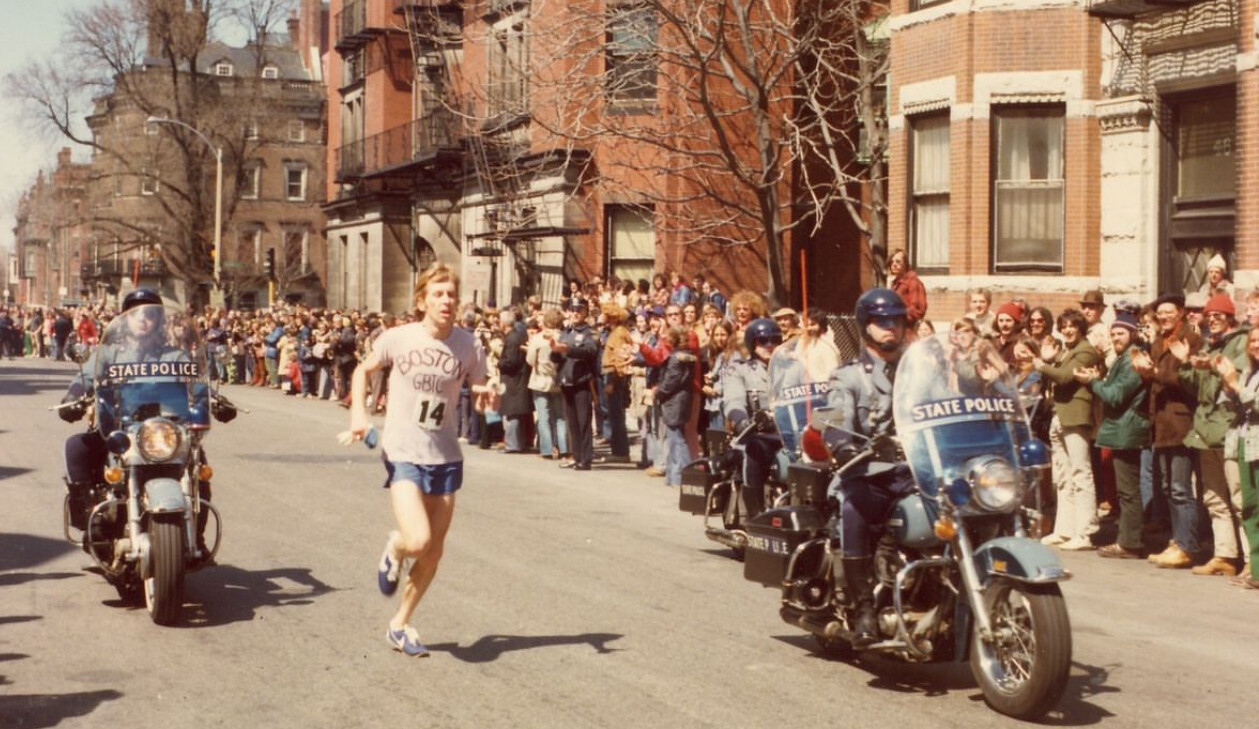
Captured mid-stride during his victory at the 1975 Boston Marathon, Bill Rodgers pulls away under the escort of state police motorcycles. His win that year—2:09:55—was part of a dominant streak that made him a U.S. marathon legend. A city, and a sport, in full celebration.
Honoring the Archivist
Eric’s posts on Facebook and Instagram (@ericgiacoletto) continue to spark meaningful conversations among athletes, historians, and lifelong fans. Whether he’s unearthing a forgotten race photo or celebrating an athlete’s legacy, Eric is doing more than documenting—he’s inspiring.
If you enjoyed this feature, and with Eric’s permission, we’d love to post more regularly here at My Best Runs. Let us know what you think—we’re always looking to spotlight the people and moments that keep the spirit of our sport alive.
(07/12/25) Views: 180Boris Baron and Bob Anderson
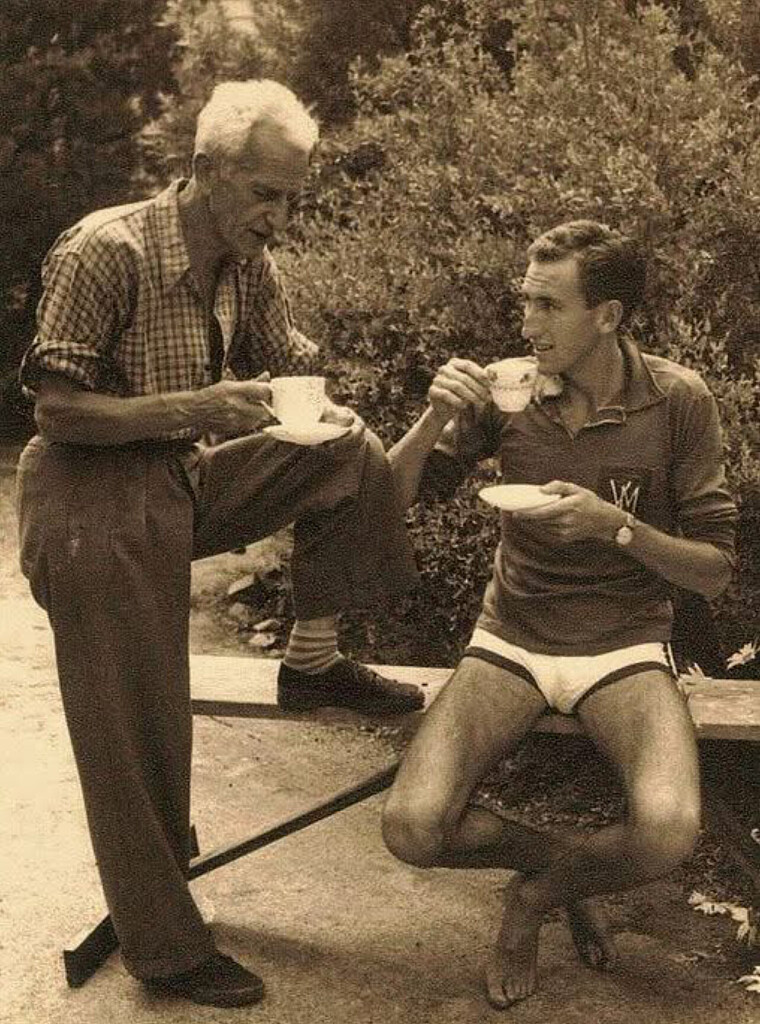
Tea, Grit, and Gold: The Timeless Bond of Percy Cerutty and Herb Elliott
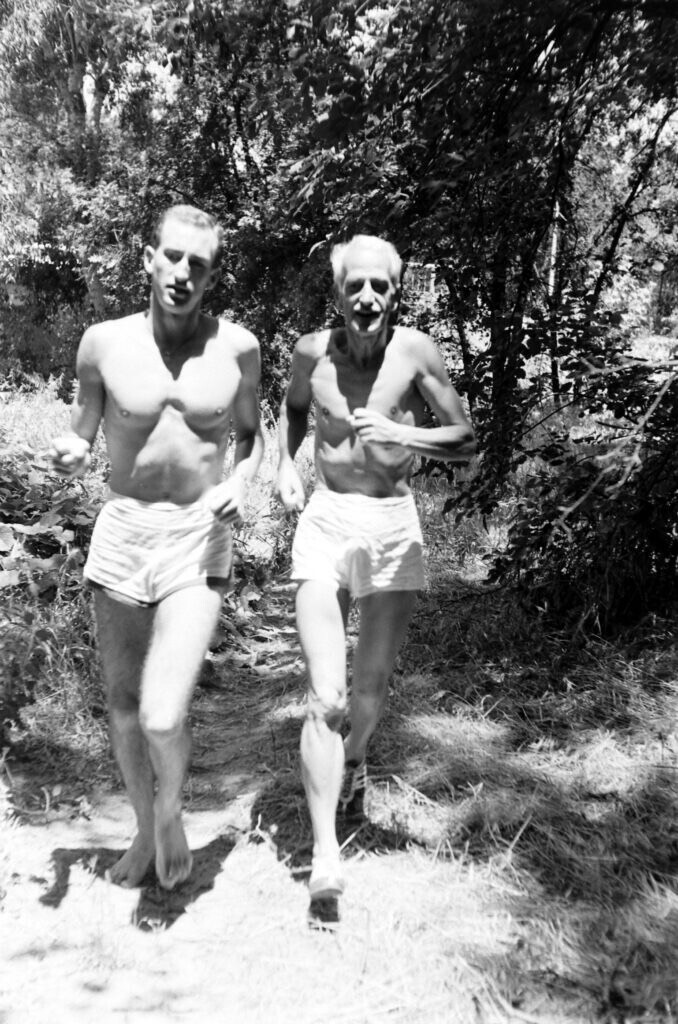
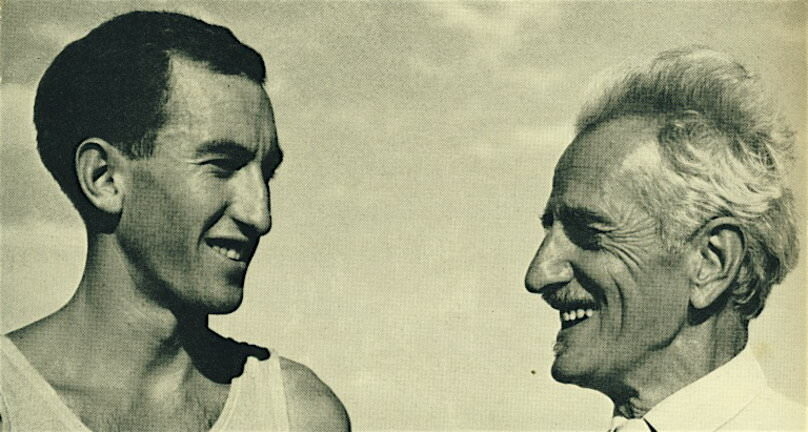
In the world of distance running, few duos are more legendary—or unconventional—than Percy Cerutty and Herb Elliott. This remarkable photo, a moment of quiet between the storm, captures their unique relationship: the eccentric coach and his prodigy, sharing a cup of tea, as if Olympic greatness were just another day at the beach.
Percy Cerutty, the Australian coaching pioneer, was known for his wildly unorthodox training methods. Forget tracks and stopwatches—Cerutty believed in natural running, hard living, and mental toughness forged through raw experience. His athletes sprinted through sand dunes, carried logs, ran barefoot, and followed strict diets. He preached a philosophy he called “Stotanism” (a blend of Stoicism and Spartan discipline), rooted in pushing physical and mental limits to achieve personal greatness.
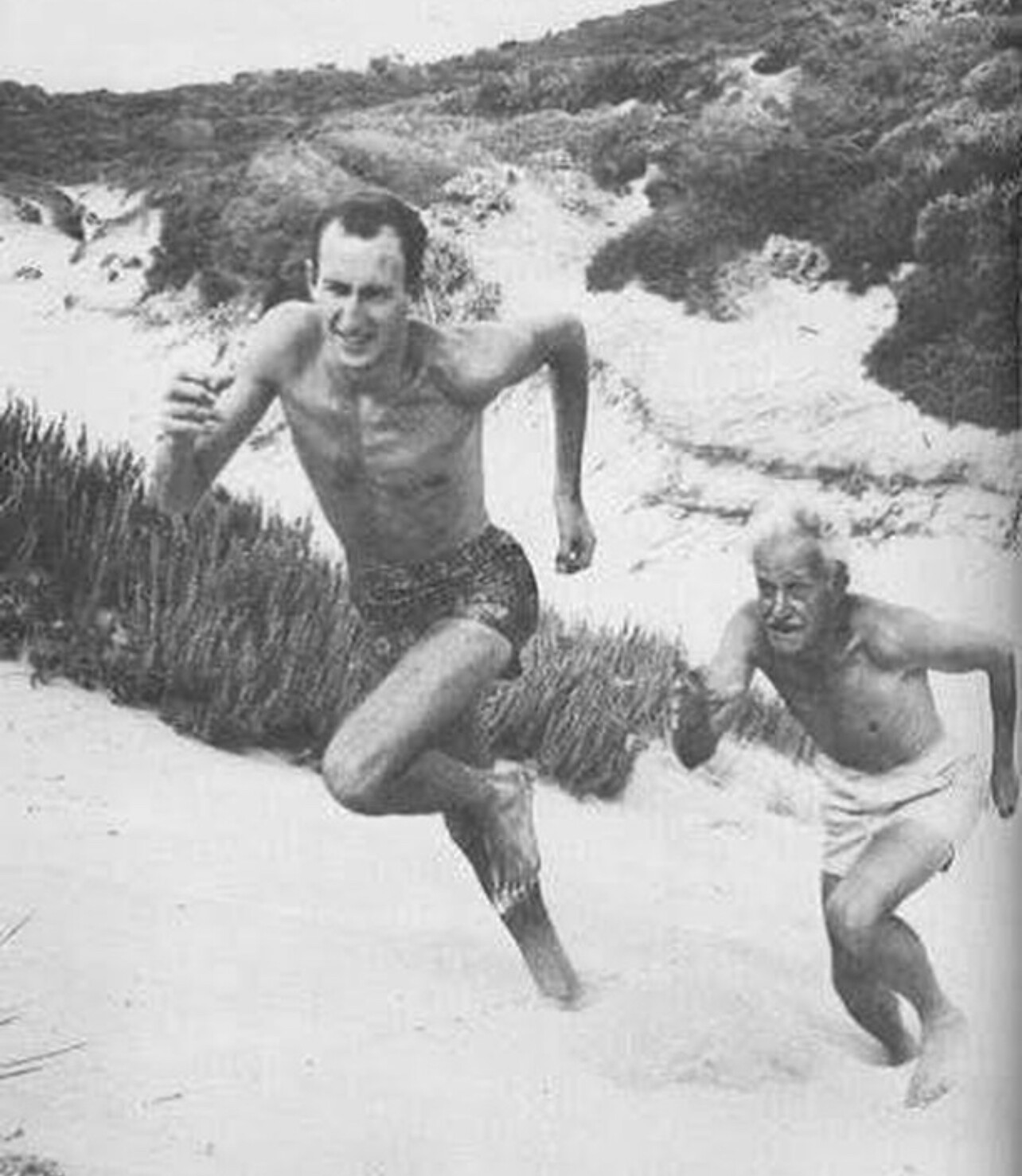
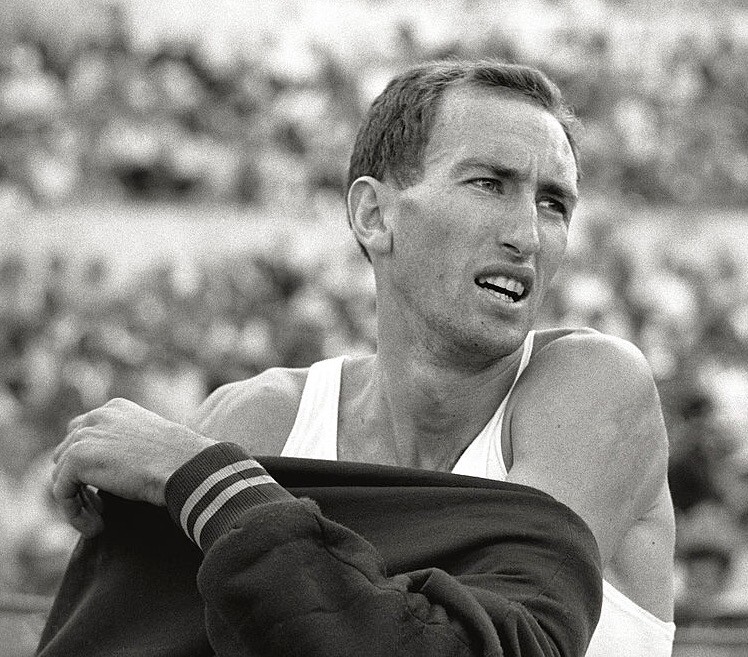
At the center of his philosophy stood Herb Elliott, perhaps the greatest middle-distance runner of his time. Under Cerutty’s guidance, Elliott remained undefeated in the mile and 1500m throughout his career. His crowning moment came at the 1960 Rome Olympics, where he won gold in the 1500m with a then-world record of 3:35.6—a performance that stunned the world and validated Cerutty’s methods.
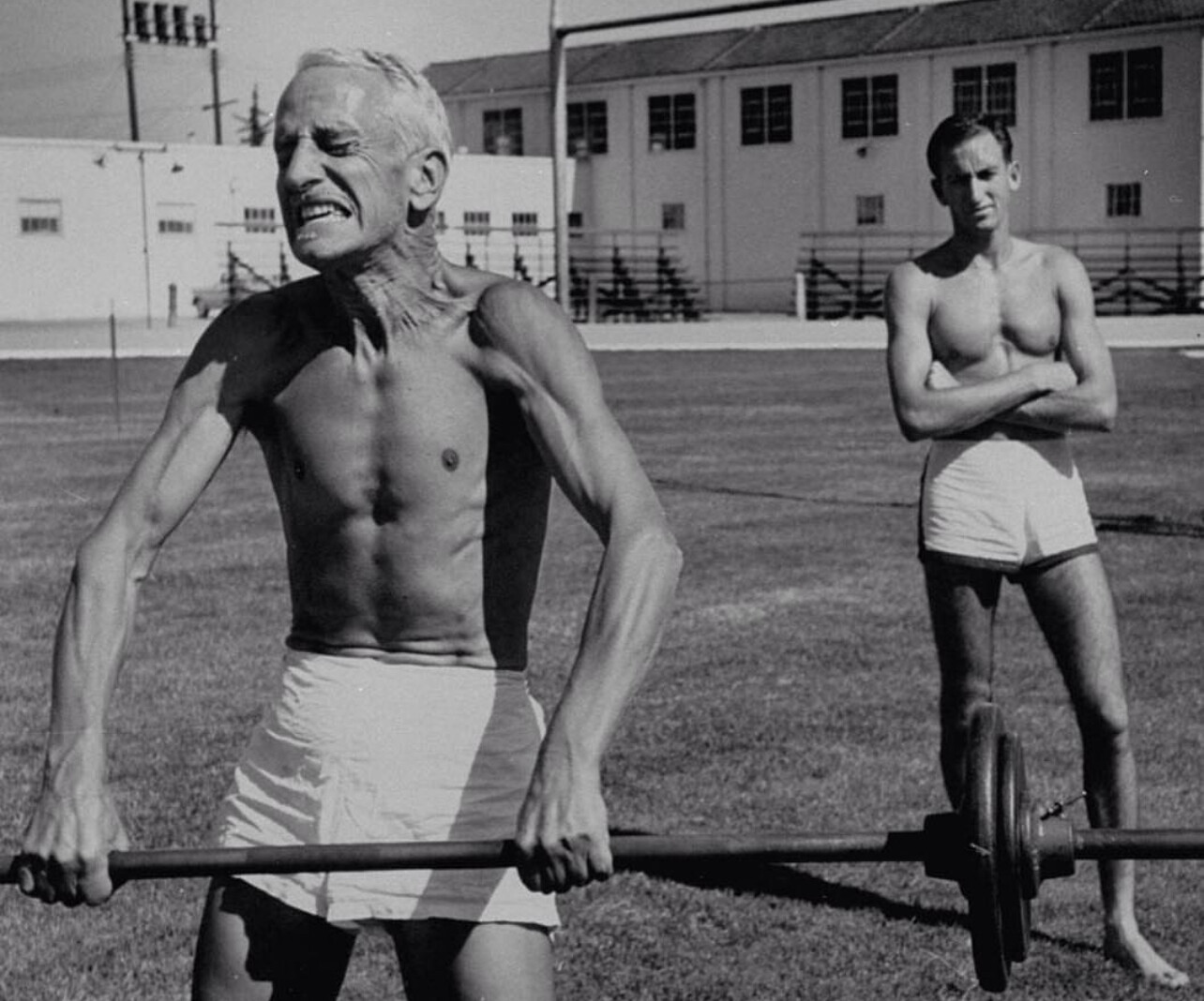
The photo tells its own story: Cerutty, intense and engaged, leans in with wisdom and purpose, while Elliott, relaxed and barefoot, listens—legs strong from miles on sand, mind sharp from hours of philosophical talk with his coach. They are not just athlete and trainer. They are master and disciple. Kindred spirits.
While modern training methods have evolved, the legacy of Percy and Herb endures. They taught us that greatness isn’t just built in the gym or on the track—it’s born in the wilderness, in the soul, and sometimes, over a cup of tea.
Thanks Eric Giacoletto for digging up this photo.
Boris Baron

Ludo Pommeret and Katie Schide Dominate a Gritty 2025 Hardrock 100
The 2025 Hardrock 100 delivered everything the ultra-trail world expects from one of the sport’s most iconic races—grit, altitude, heartbreak, and triumph. At the heart of it all, France’s Ludovic “Ludo” Pommeret successfully defended his title, while American ultra star Katie Schide shattered the women’s course record.
Pommeret Goes Back-to-Back

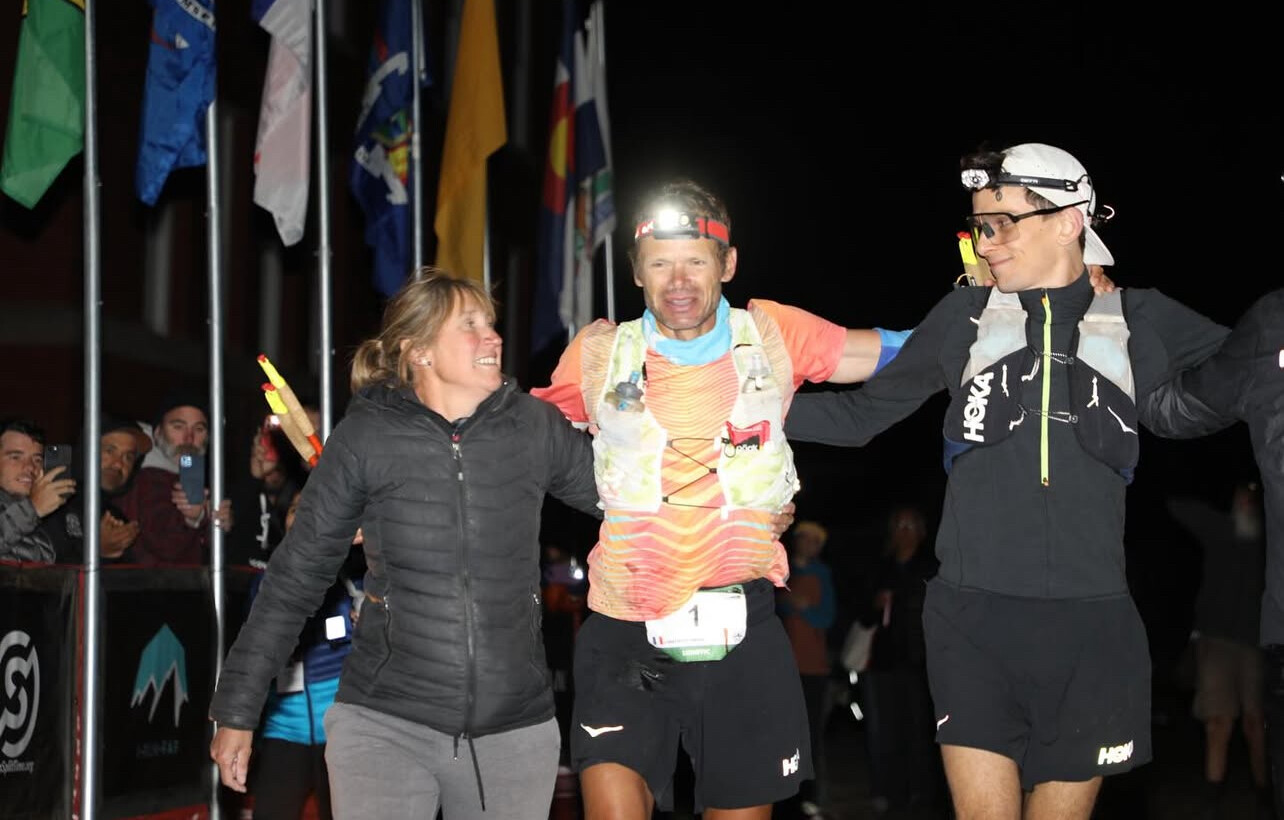
For the second year in a row, the 49-year-old Pommeret conquered the brutal 102.5-mile loop through Colorado’s San Juan Mountains, finishing in 22:21:55—the fifth-fastest time in race history. Battling thin air, smoky conditions from nearby wildfires, and rugged terrain with over 33,000 feet of elevation gain, Pommeret executed a masterclass in pacing.
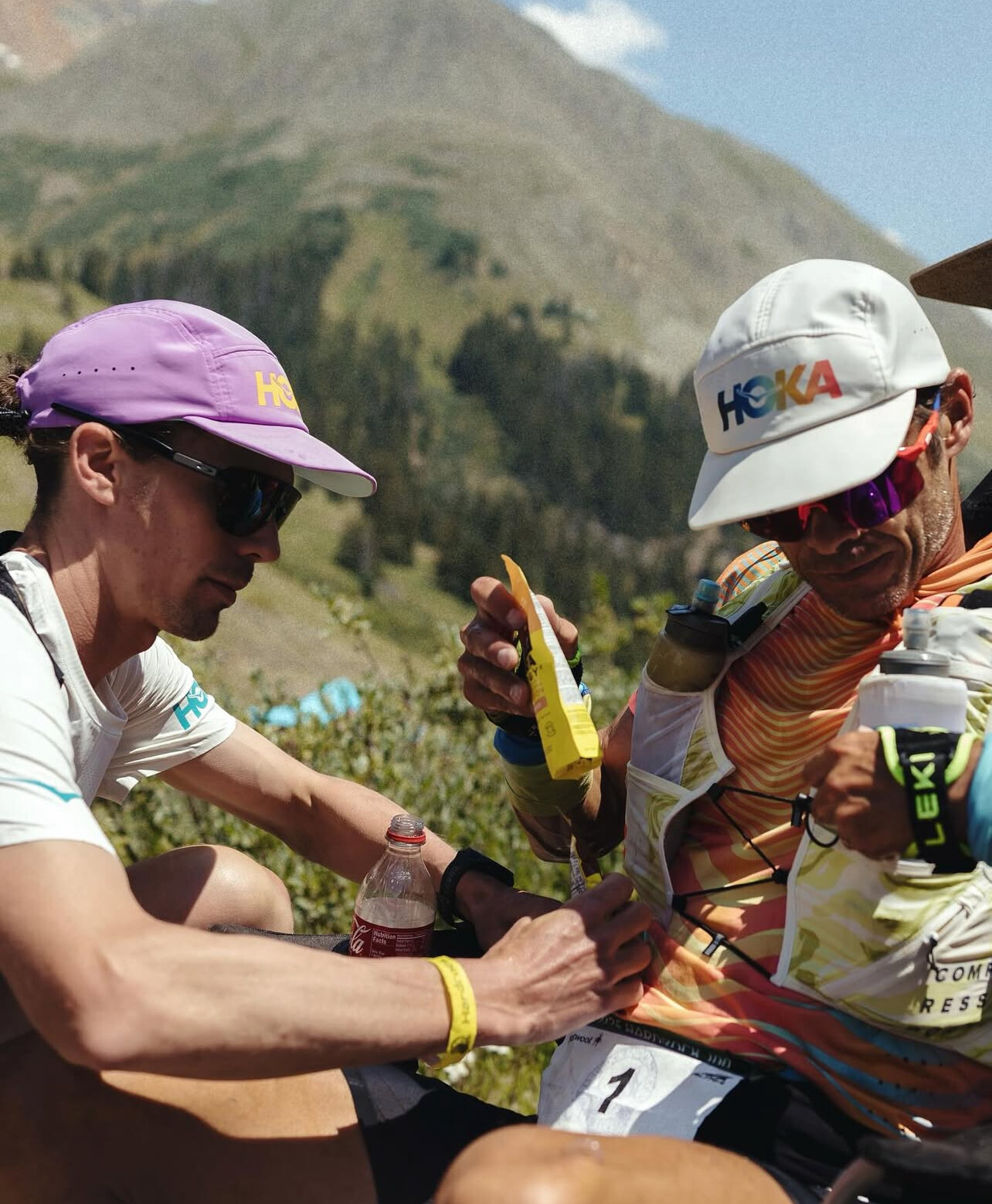
Starting conservatively on the climbs, he surged on the descents, aided by elite pacers Jim Walmsleyand Vincent Bouillard. By dawn, he had extended his lead and cruised into Silverton well under the 48-hour cutoff, earning another coveted kiss of the Hardrock finish-line rock.
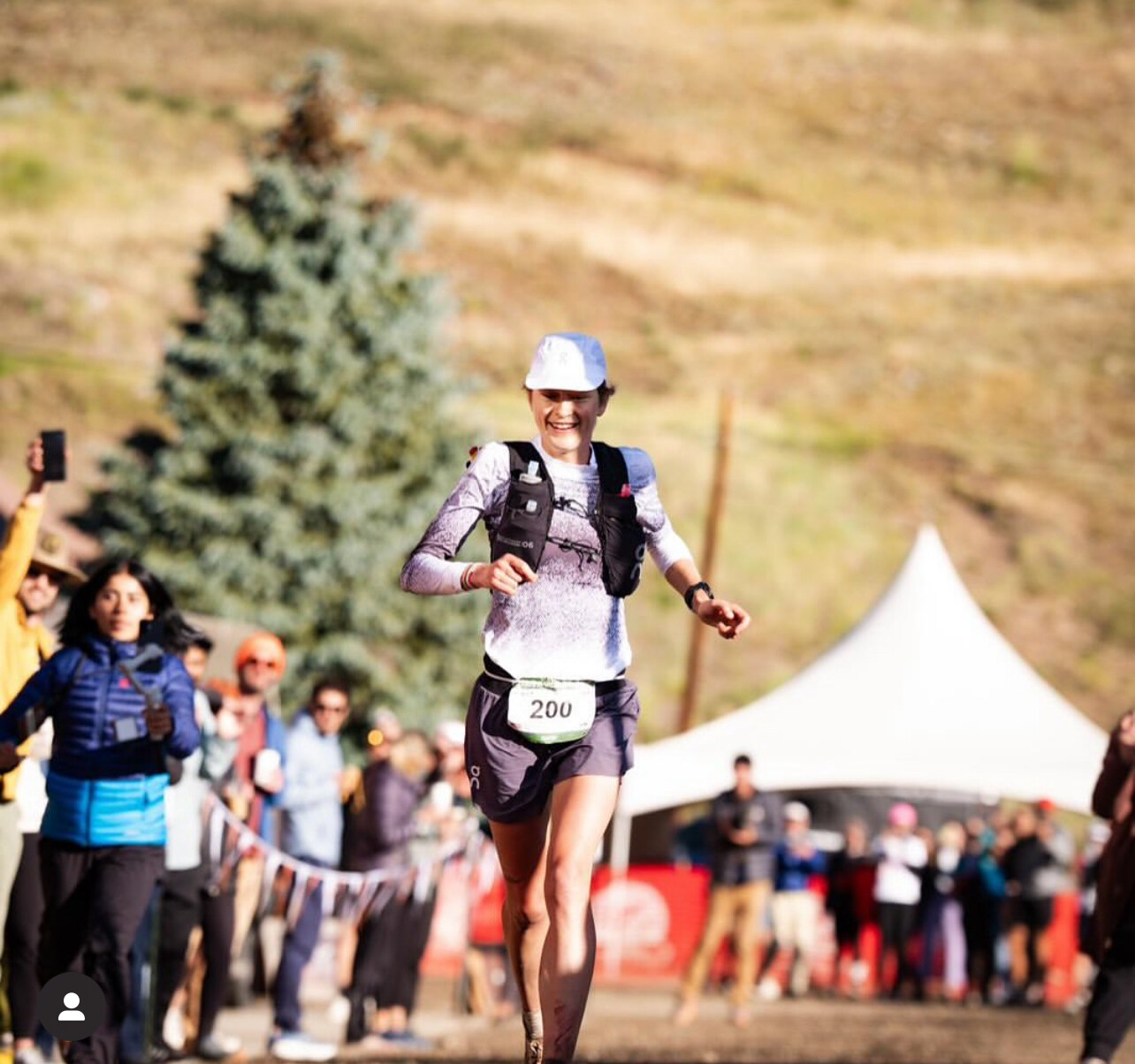
The men’s podium was a French sweep: Mathieu Blanchard placed second in 23:44, followed by Germain Grangier in 24:04.
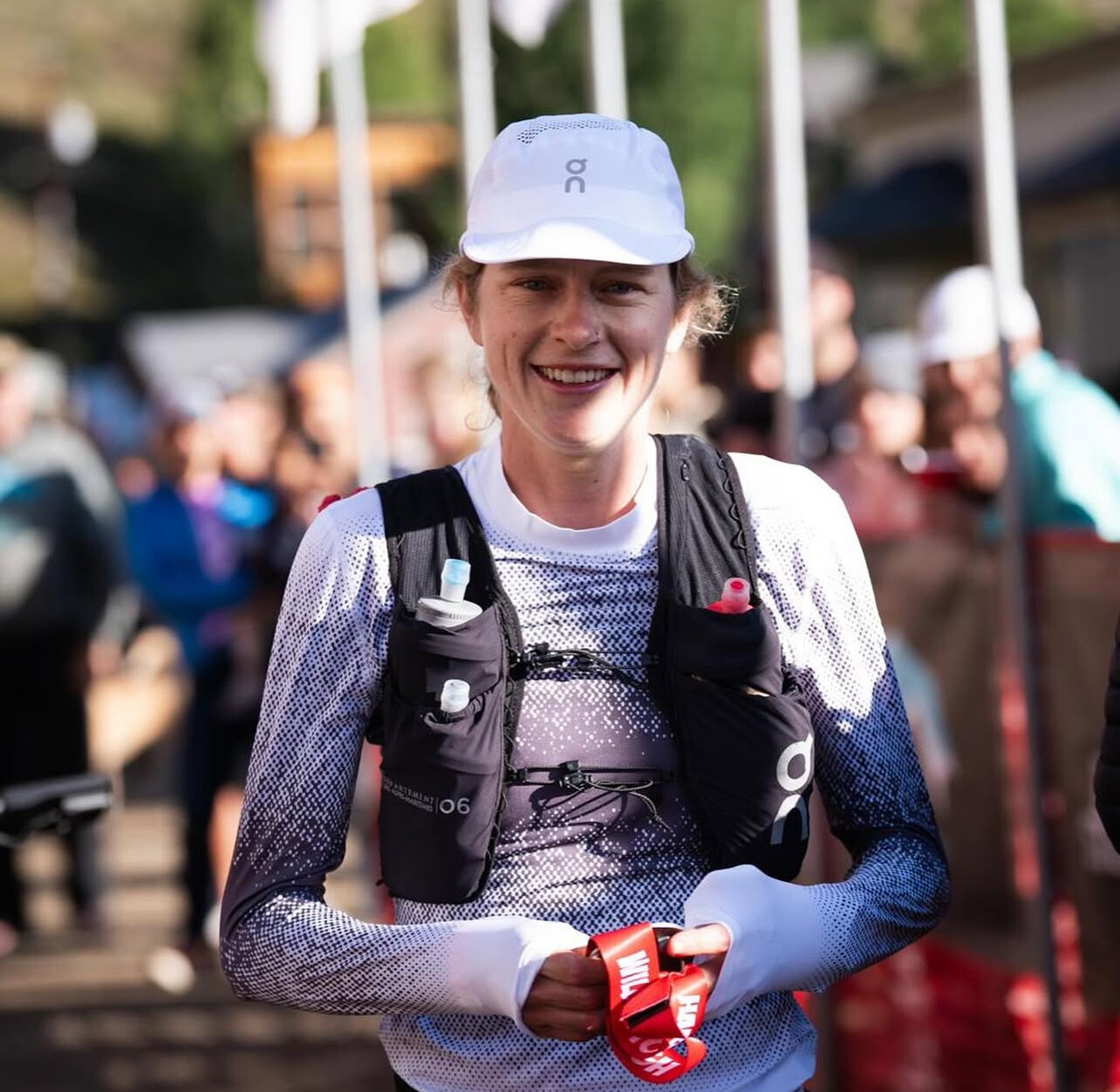
“I was worried about the smoke early on,” Pommeret said afterward, “but the final miles were magic. I even walked the last climb to take it all in.”

Schide Smashes Course Record
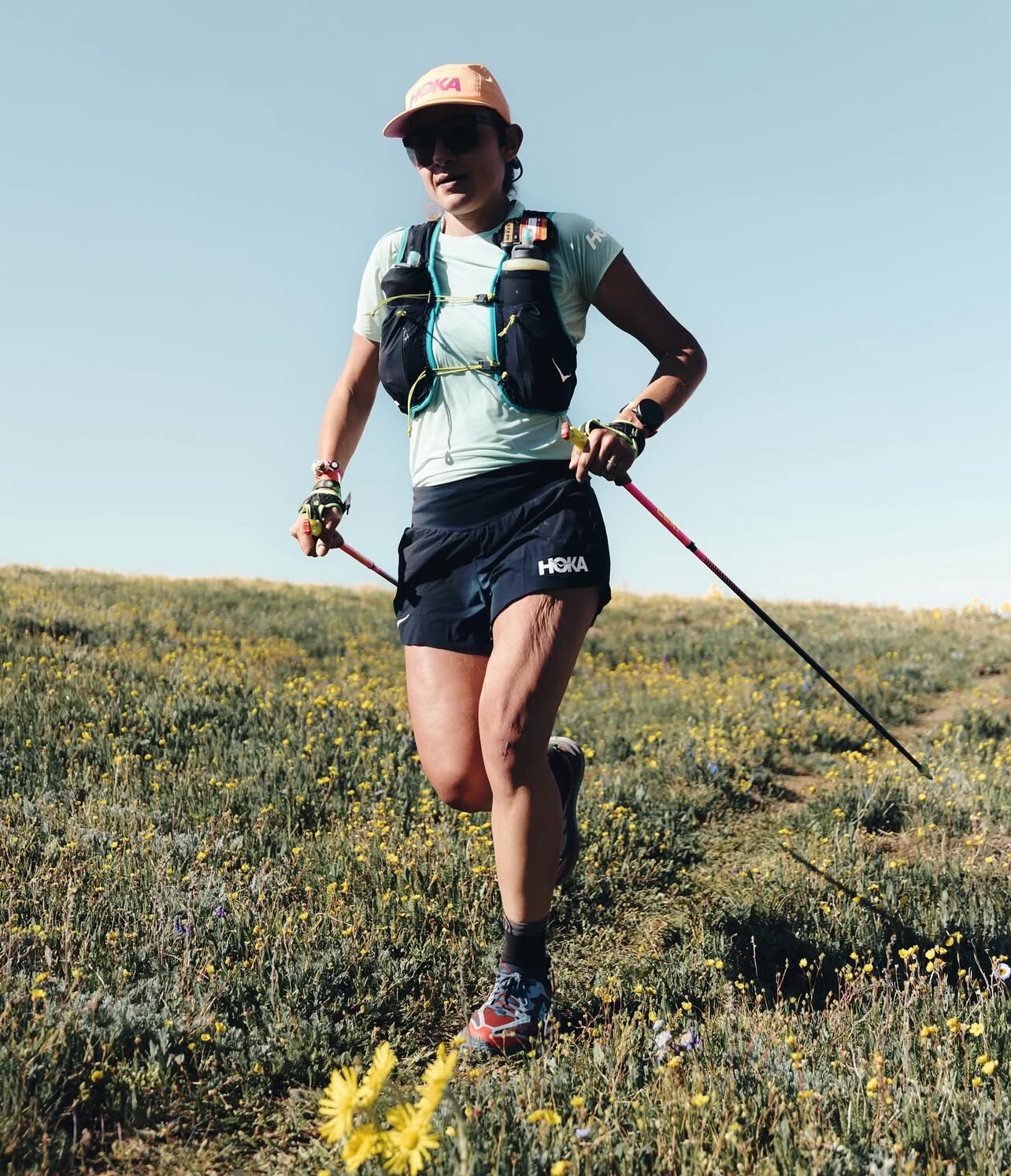
In the women’s race, Katie Schide delivered one of the most commanding performances in Hardrock history, crossing the finish in 25:50—the fastest counterclockwise time ever on this course. Her effort redefined what’s possible on one of the toughest 100-milers in the world, solidifying her place among the sport’s elite.
A Somber Note
The celebration was tempered by tragedy. One of the 146 starters, 60-year-old Elaine Stypula, passed away early in the race. The trail community paused to honor her memory, a reminder of both the beauty and the inherent risk of this extreme pursuit.
Why This Race Matters
• Age is just a number: At nearly 50, Pommeret continues to perform at the highest level, adding another major title to a résumé that includes victories at UTMB (2016) and Diagonale des Fous (2021).
• Trail’s toughest test: With extreme elevation, altitude averaging over 11,000 feet, and no room for error, Hardrock remains a crucible for the toughest athletes on Earth.
• Global competition: With a French men’s podium and an American record-breaker, the international caliber of this year’s race underscored its global significance.
2025 Hardrock 100 Key Results
|
Category |
Winner |
Time |
|
Men’s Champion |
Ludovic Pommeret |
22:21:55 |
|
Women’s Champion |
Katie Schide |
25:50 (course record) |
|
Men’s 2nd |
Mathieu Blanchard |
23:44 |
|
Men’s 3rd |
Germain Grangier |
24:04 |
|
|
|
|
With record-breaking performances and powerful moments of perseverance, the 2025 Hardrock 100 once again proved why it’s one of the most respected races in the world of ultrarunning.
(07/13/25) Views: 156Boris Baron

Kenya’s Top Athletes to Compete for World Championships Spots at Trials on July 22
With the 2025 World Athletics Championships set to take place in Tokyo this September, Athletics Kenya has announced that the official national trials will be held at the Ulinzi Sports Complex in Nairobi on July 22, 2025.
The one-day meet will determine who earns the right to represent Kenya on the global stage—and with Tokyo hosting the championships, the stakes couldn’t be higher.

The Tokyo 2025 event is expected to draw the world’s best talent, and Kenya, known for its depth in middle and long-distance running, is aiming to field its strongest team yet. A number of top stars are expected to compete at the trials, including 100m national record-holder Ferdinand Omanyala, world steeplechase medalist Beatrice Chepkoech, 1500m ace Faith Kipyegon, and marathon standout Sharon Lokedi.
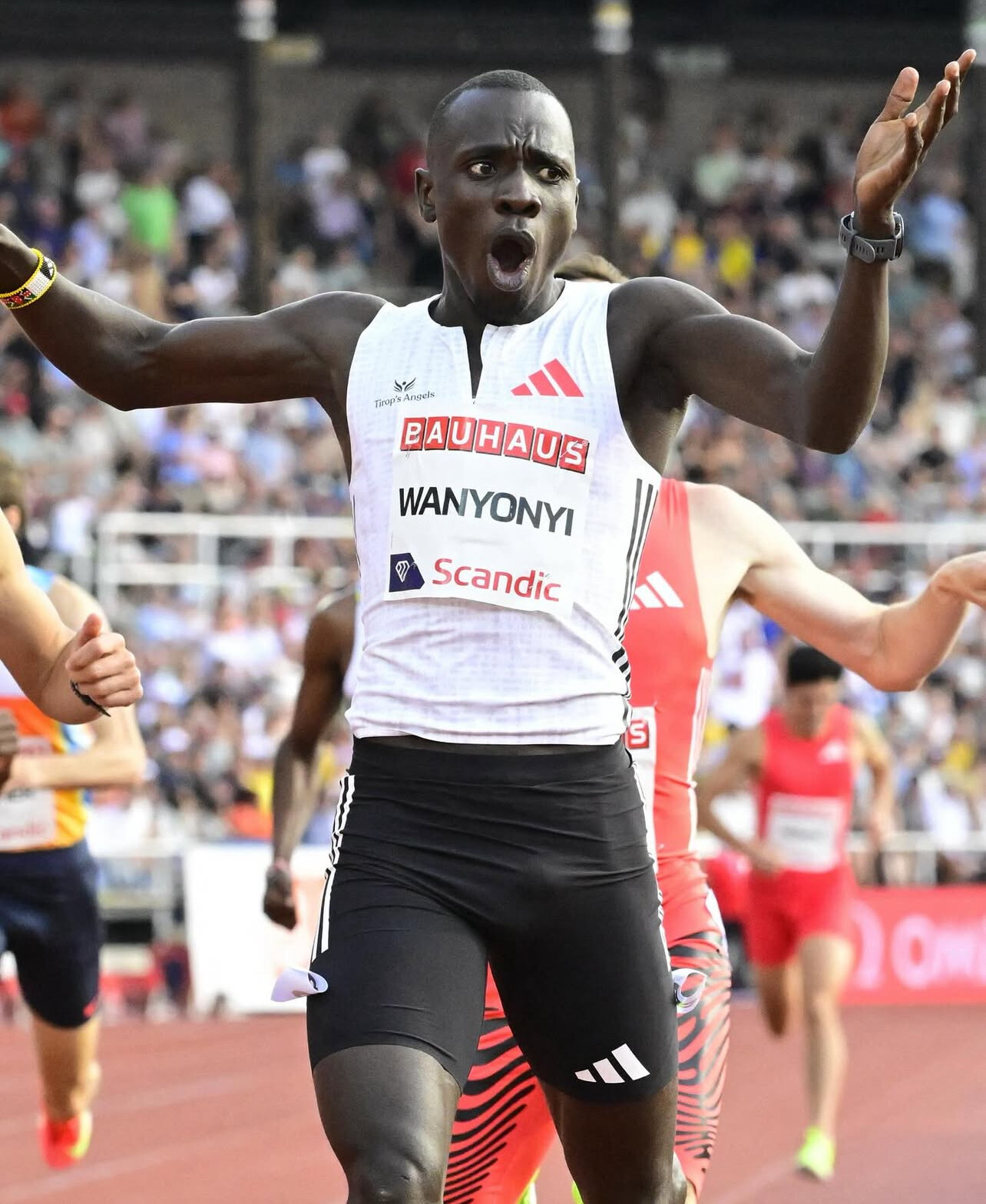
Though most of the attention will be on the track events, Kenya is also working to expand its representation in the field and sprints—areas where the country has shown recent promise.

A Veiled but Historic World Championship Ahead
The Tokyo 2025 World Championships mark the first time Japan will host the event since 1991 in Tokyo—when legendary performances, including Mike Powell’s world long jump record, rewrote the sport’s history books.
The 2025 edition, however, arrives amid a more complex and veiled atmosphere in the sport. With lingering questions about past doping scandals—including renewed attention to China’s 1990s distance-running records—many in the athletics community are calling for clean and transparent competition.
Kenya is no exception. The country remains under close international scrutiny but has made visible strides in testing, education, and compliance with global anti-doping standards.
What to Watch
• Will Faith Kipyegon aim to double in the 1500m and 5000m again?
• Can Omanyala convert his sub-10 form into a world medal?
• Will a new generation of Kenyan athletes step up in the sprints and field events?
The July 22 trials in Nairobi will offer the first answers. Expect fireworks—and a preview of what Team Kenya might look like in Tokyo.
(07/12/25) Views: 152Boris Baron
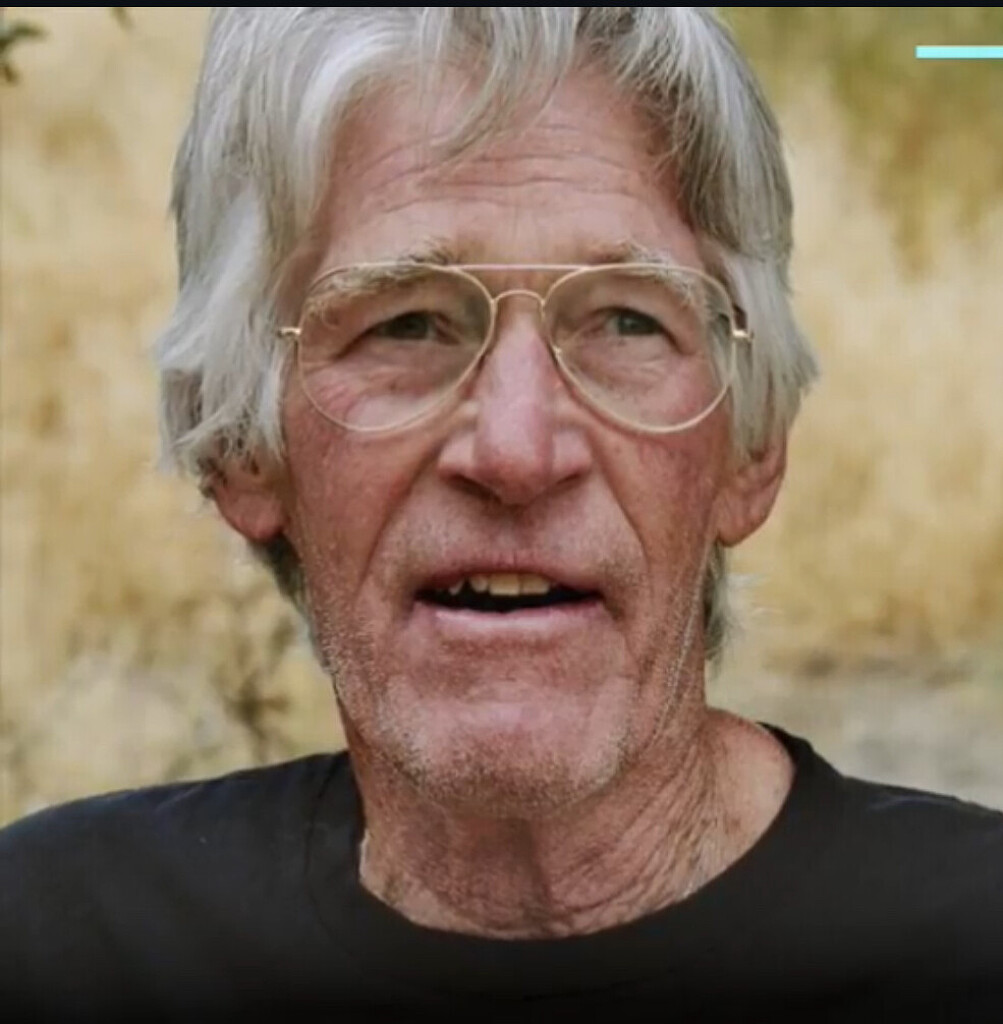
Jon Sutherland’s 55 Year World Record Running Streak is being challenged
Jon Sutherland of Washington, Utah, officially ended the longest consecutive daily running streak in history on December 31, 2024. He ran every single day for 55 years, 7 months, and 6 days, totaling 20,309 consecutive days—a record of unmatched consistency, discipline, and passion for the sport.
Sutherland began his streak on May 29, 1969, at just 19 years old. Over five and a half decades later, now 74, he finally decided to hang up the streak—but not before cementing himself in the annals of running history.
For perspective, that’s nearly two-thirds of a century without missing a single day. Rain, injury, illness—none of it stopped him from getting in at least one mile daily. Though not all of those runs were fast or long, the sheer volume of uninterrupted effort is unparalleled.
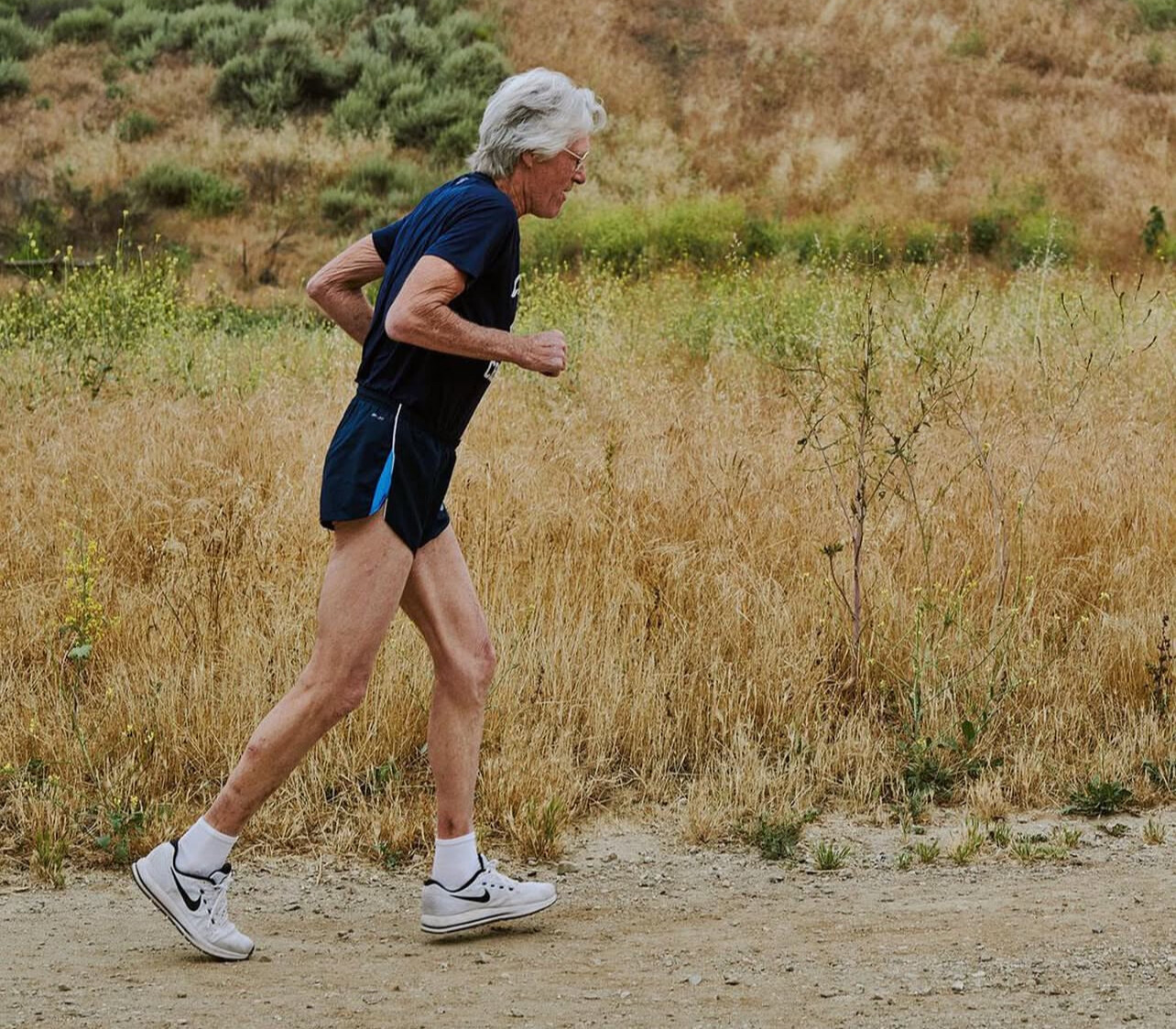
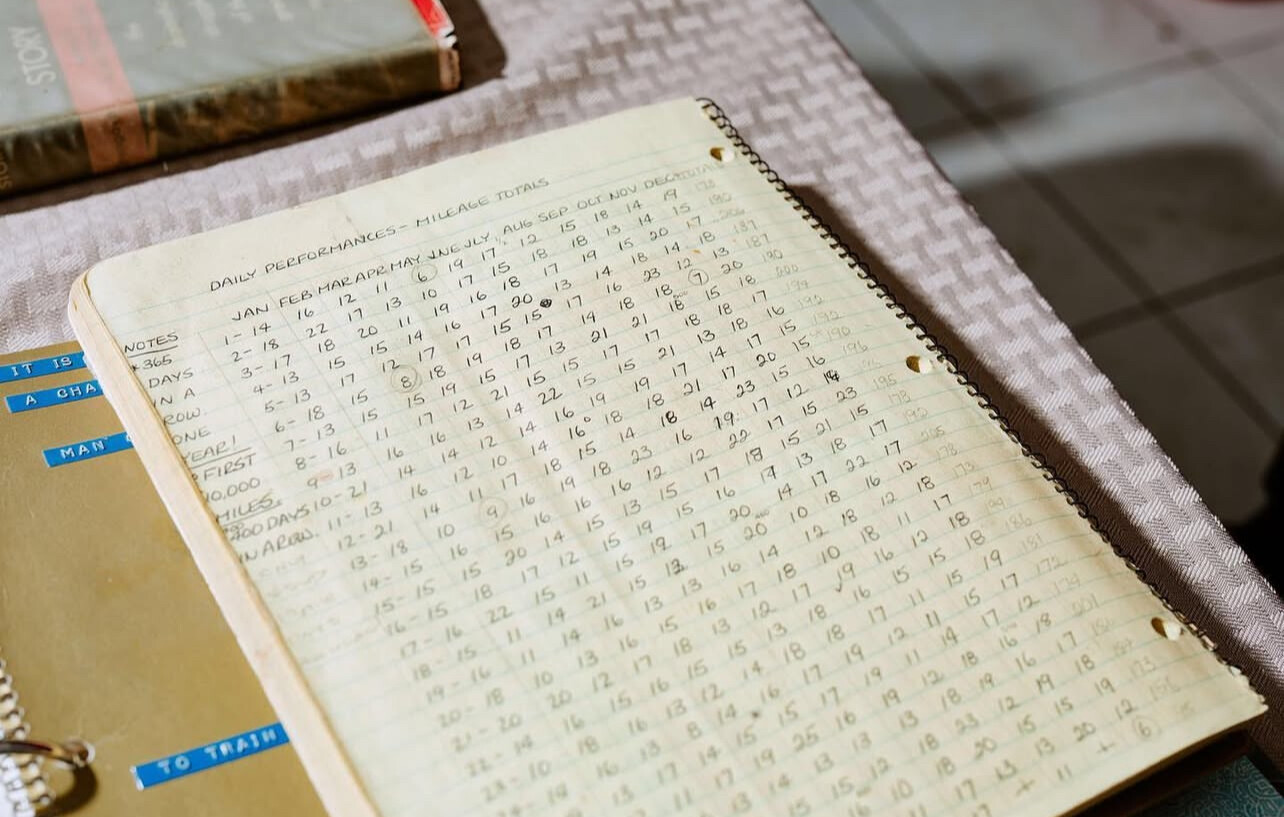
Interestingly, just behind Sutherland on the all-time list is Jim G. Pearson, who began his still-active streak on February 16, 1970, in Marysville, Washington. Pearson, now 81, has logged 20,236 consecutive days (55.4 years) as of today—meaning he could soon surpass Sutherland’s final total if he keeps going.

As of now, Jon Sutherland holds the record for the longest running streak ever completed.
If you’ve ever skipped a run because of bad weather or a sore ankle, let Jon’s example remind you what commitment really looks like.
(07/12/25) Views: 150Boris Baron
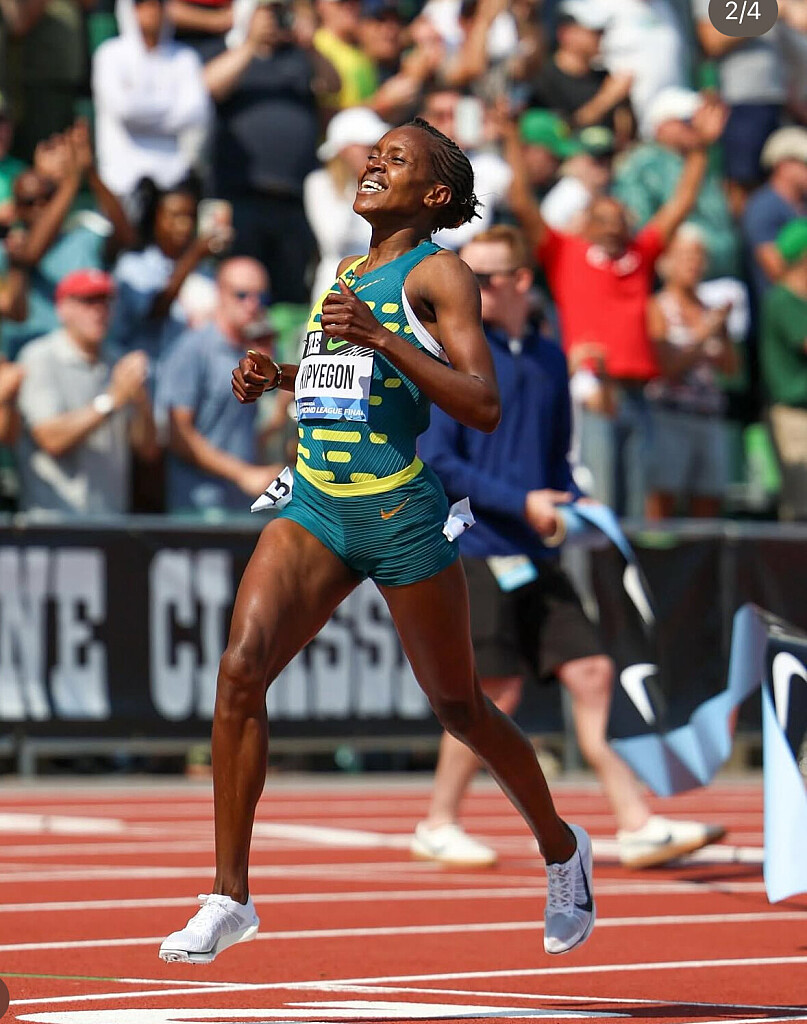
Faith Kipyegon to Race 3000m in Silesia – Is the World Record in Sight?
World 1500m record-holder Faith Kipyegon will race the 3000 meters at the Silesia Kamila Skolimowska Memorial on August 16, setting up what could be one of the most anticipated moments of the 2025 track season.
The Kenyan star has been rewriting the history books. Over the past year, she set new world records in the 1500m (3:48.68) and 5000m (14:05.20), and ran the fastest women’s mile ever in an unofficial exhibition event in Paris. Now she’s turning her attention to the 3000m—an event she hasn’t run seriously in over a decade.
A Decade Later, a Return to 3000m

Kipyegon’s personal best of 8:23.55 was set in 2014 when she was just 20. Since then, she’s become a global icon—earning three Olympic gold medals, multiple world records, and establishing herself as the most dominant female middle-distance runner of her generation.
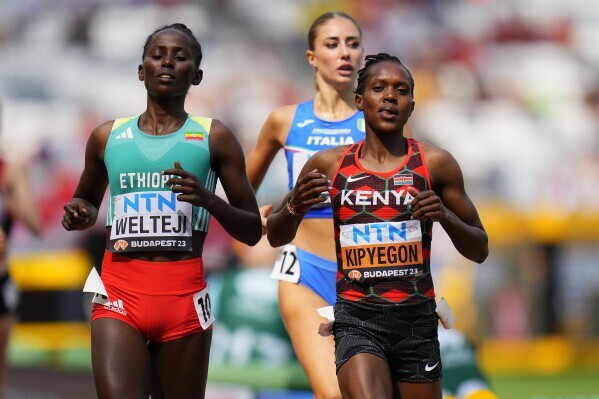
Now, with a combination of endurance from her 5000m training and unmatched speed honed in the 1500m, Kipyegon is poised to take a serious shot at history.
The Record She Might Be Chasing
The current women’s 3000m world record:
• 8:06.11 – Wang Junxia (China), set on September 13, 1993 in Beijing.
That mark has stood for more than 30 years—but it remains controversial. In 2015, a letter reportedly written by Wang Junxia in 1995 surfaced, in which she and nine teammates alleged they were forced to take “large doses of illegal drugs over the years” as part of a state-sponsored doping program under the direction of their coach, Ma Junren.
Wang wrote that the women “tried to refuse the drugs,” but that Ma would allegedly inject them himself if necessary. The letter was sent to Chinese journalist Zhao Yu but remained unpublished until decades later. Ma has consistently denied any doping allegations, and Wang’s world record still stands officially—despite renewed scrutiny.
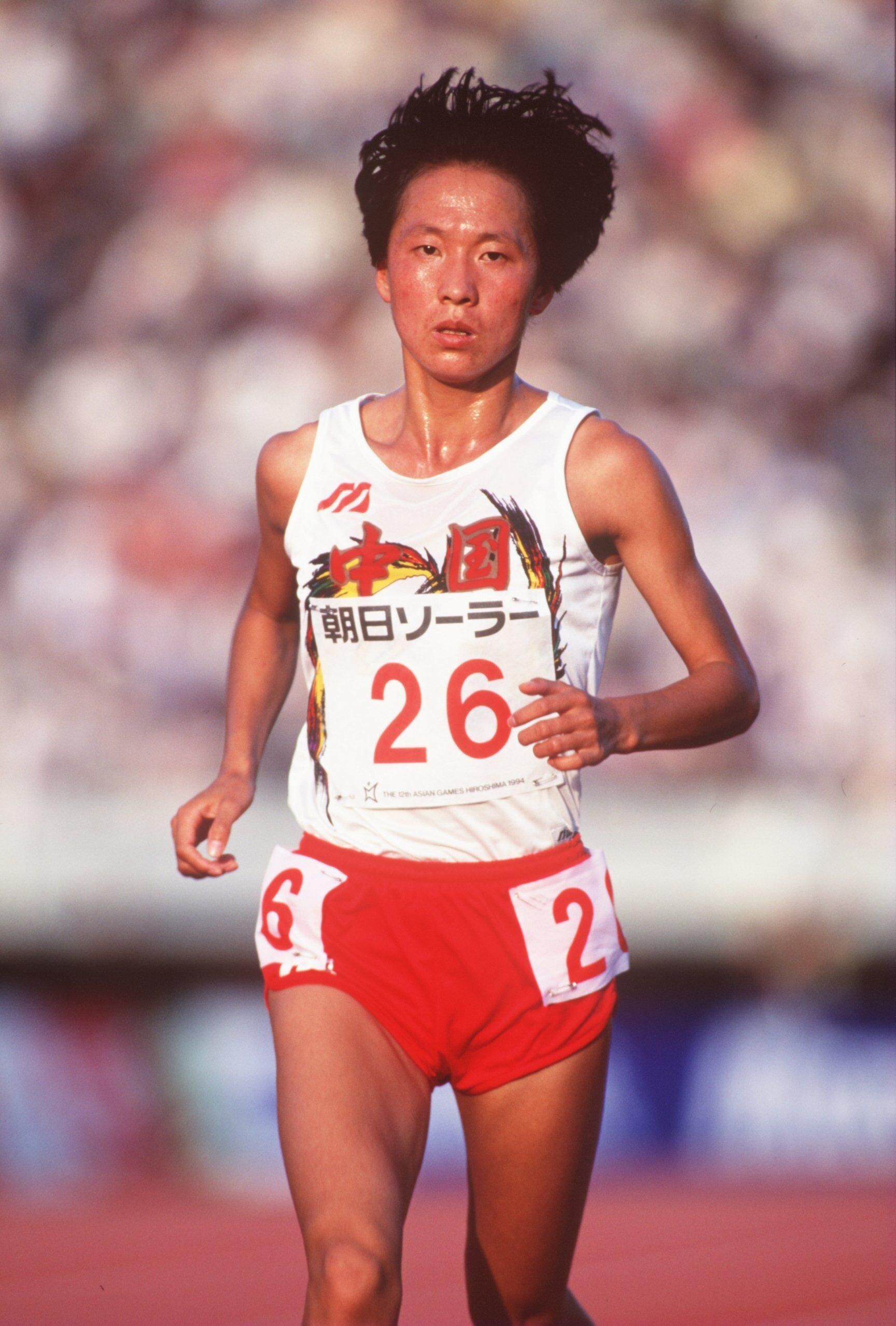
In response, the IAAF (now World Athletics) opened an investigation at the time, but as of today, the record has not been invalidated.
Why Silesia Matters
If Faith Kipyegon runs in the 8:10–8:15 range, it would mark one of the cleanest and most credible performances in the history of the event. Should she go even faster, it could position her to break or at least redefine the context of the 3000m record.
Few athletes in history have had the range, poise, and championship pedigree that Kipyegon carries. With the eyes of the world on Silesia this August, she may once again elevate the sport.
Is a new world record possible? We’ll find out soon.
If she does it, Faith Kipyegon won’t just rewrite another line in the record books—she’ll help reclaim one of the most contested chapters in women’s distance running.
(07/12/25) Views: 144Boris Baron
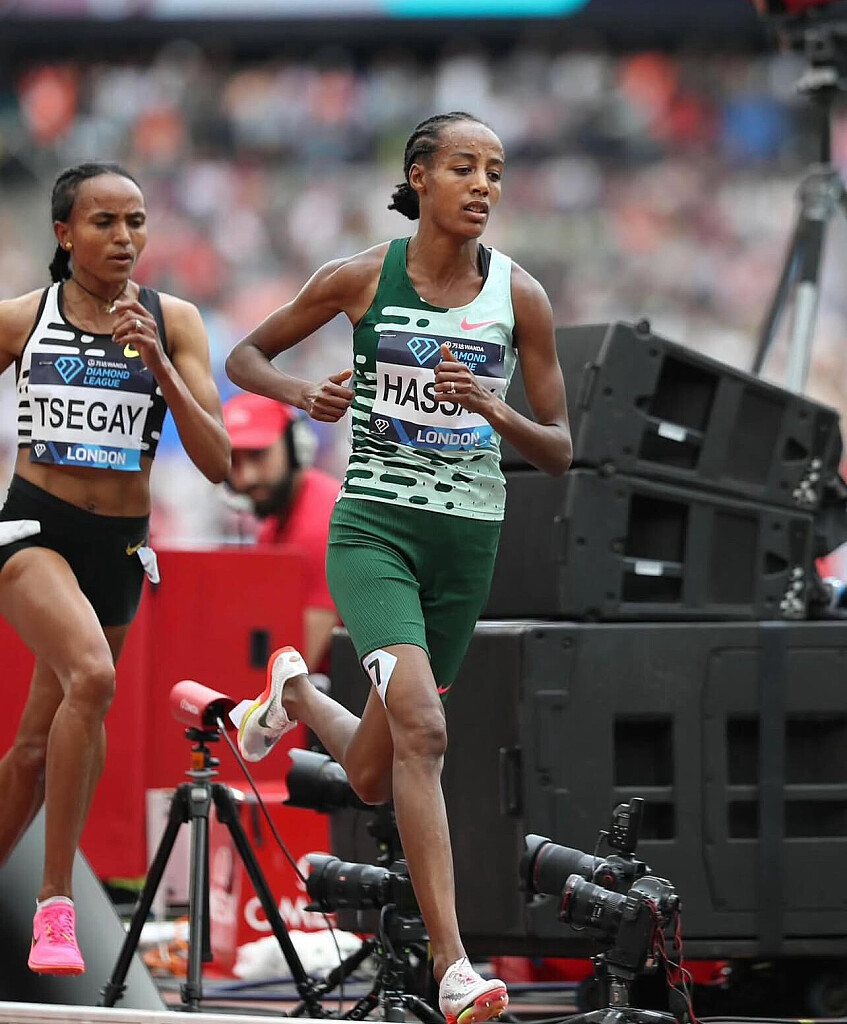
Sifan Hassan Returns to the Track for the Mile at London Athletics Meet on July 19
Sifan Hassan is heading back to the track—and to one of her signature events—at the London Athletics Meet on July 19, where she’ll contest the mile, a distance in which she once held the world record.
The Dutch distance superstar has done nearly everything in the sport. She’s an Olympic champion in the 5000m, 10,000m, and marathon, making history in Paris last summer by becoming the first woman ever to win Olympic gold in all three. She also took bronze in both the 5,000m and 10,000m at those same Games, adding to the three medals she won in Tokyo (held in 2021).
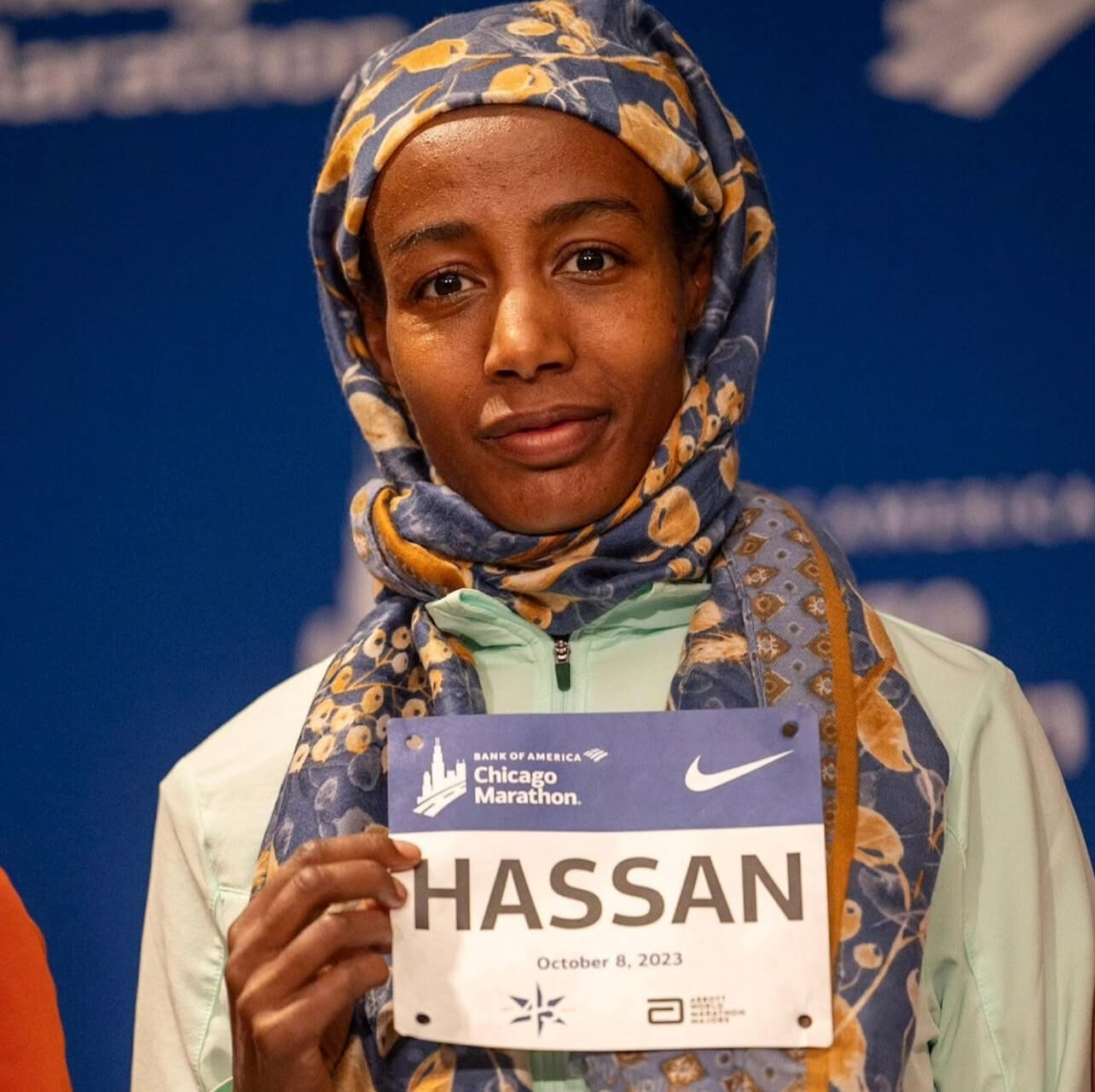
But despite her dominance in longer races, the mile still holds a special place in Hassan’s legacy. She shattered the world record in the mile in Monaco in 2019, running 4:12.33—a mark that stood until 2023.
Now, she returns to London, a city where she’s had immense success. She made headlines with her marathon debut win in 2023, clocking 2:18:33 in dramatic fashion after stopping mid-race to stretch. In her second appearance at the London Marathon in 2025, she placed third.
Her last outing on the track at the London Athletics Meet was also memorable—she finished third in the 5000m in 14:13.42, a time that still stands as the European record.
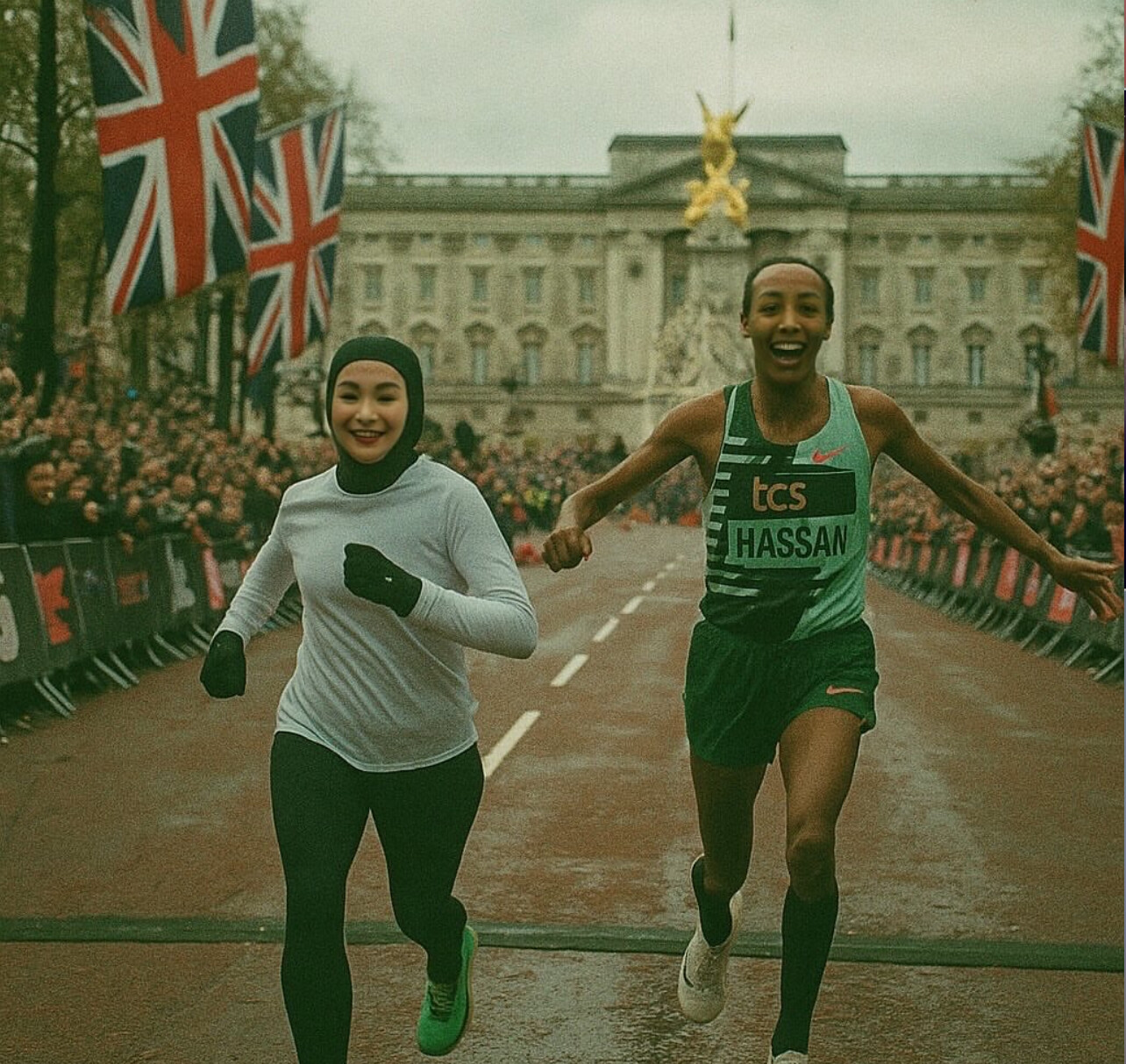
At 31, Hassan shows no signs of slowing down. Her return to the mile is a reminder of the versatility and endurance that have defined her career. With her eyes now set on another strong showing in London, fans can expect fireworks on July 19.
(07/11/25) Views: 135Boris Baron
