

Running News Daily
Running News Daily is edited by Bob Anderson and team. Send your news items to bob@mybestruns.com Advertising opportunities available.
Index to Daily Posts · Sign Up For Updates · Run The World Feed
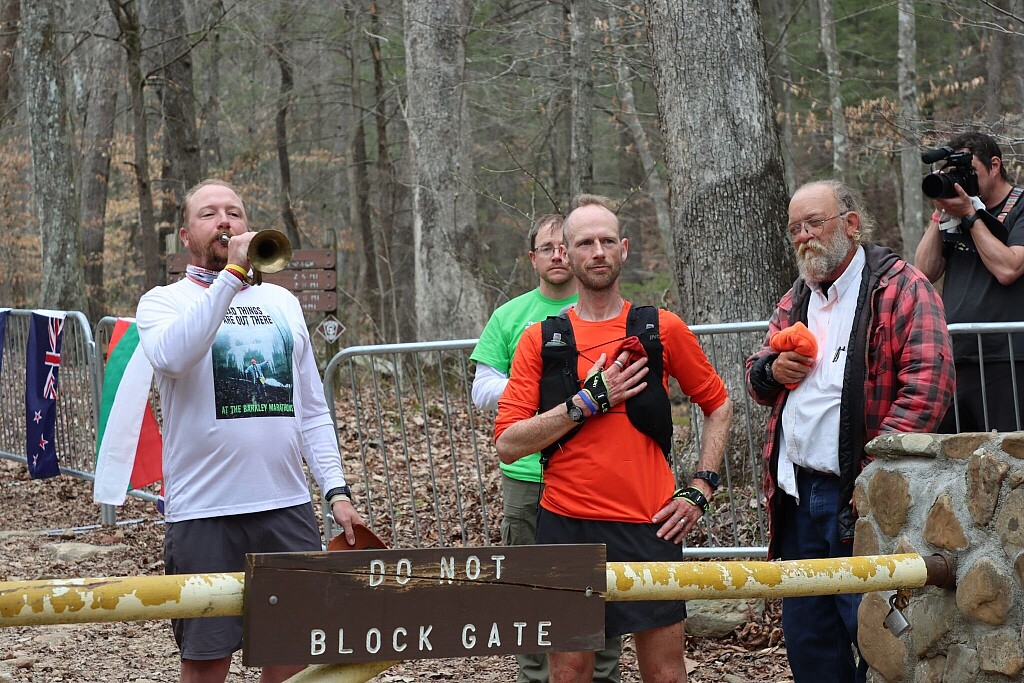


The Barkley Marathons: Where the World's Toughest Race Reveals Its Kindest Heart

The Barkley Marathons has long been shrouded in legend. It is the race that humbles elite athletes, breaks spirits, and sends even the most accomplished ultrarunners staggering out of the Tennessee wilderness defeated. With only 20 finishers in its 39-year history, it has earned a reputation as perhaps the most unforgiving endurance event on Earth.
Yet beneath the race's brutal exterior lies a story that few people hear.

In a column published by Runner's World UK on June 6, British ultrarunner Damian Hall offered a perspective that challenges many assumptions about the infamous event. Having experienced the Barkley Marathons three times at Frozen Head State Park, Hall argues that while the race itself may be merciless, the people surrounding it are remarkably compassionate.
The contradiction is striking.
Every runner who stands on the starting line is effectively told the same thing: once they disappear into the dense forests and steep ridgelines, they are on their own. There are no aid stations scattered throughout the course, no cheering crowds, and no guarantees of rescue. The Barkley demands self-reliance to a degree rarely seen in modern sport.
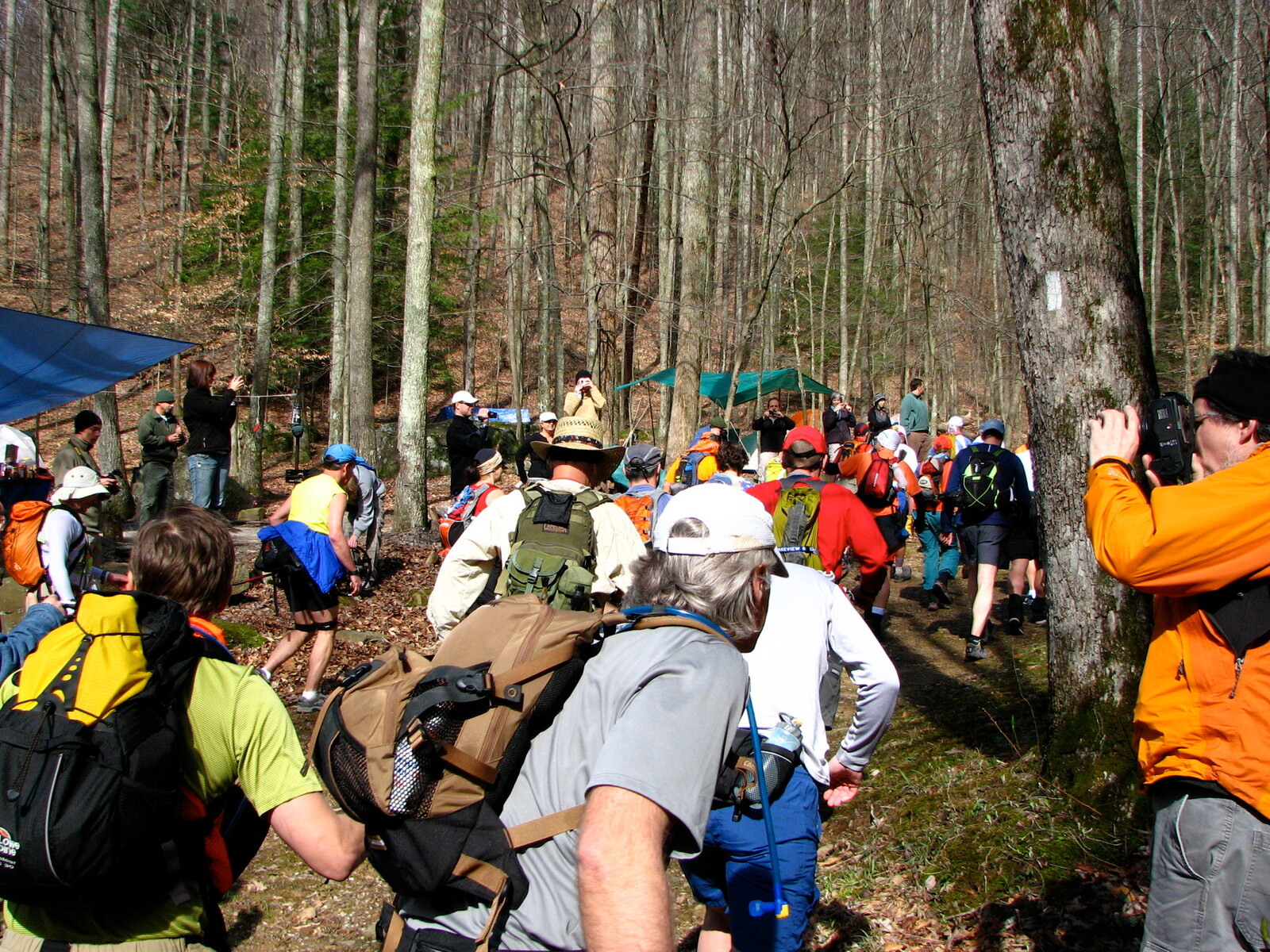
Yet Hall discovered that the community built around the race tells a very different story.
He recalls meeting rugged Barkley veterans whose tough appearances suggested they would be indifferent to the struggles of others. Instead, he found people deeply invested in the welfare of runners still battling through the darkness. Conversations around camp were not about personal achievements or race strategies, but about competitors who had yet to return.
Did they have enough food?
Were their headlamp batteries still working?
Had they packed sufficient warm clothing for the cold mountain night?
These were the questions being asked.
According to Hall, the atmosphere at the Barkley campground is defined not by competition, but by concern. In a race designed to push individuals to their absolute limits, participants and spectators alike seem united by a shared understanding of human vulnerability. The harsher the challenge becomes, the stronger the sense of community appears to grow.
Perhaps that is what makes the Barkley Marathons so unique.
Its reputation is built on suffering, failure, and impossibly difficult terrain. But behind the stories of exhaustion and heartbreak lies something far more inspiring: a gathering of people who genuinely care about one another. The race may demand that runners face the wilderness alone, yet they are surrounded by a community that never stops hoping for their safe return.
The Barkley Marathons remains one of the world's toughest sporting tests. But as Damian Hall's reflections suggest, it may also be one of the greatest reminders that endurance is not only about resilience and grit—it is also about humanity, generosity, and the bonds forged when people confront extraordinary challenges together.
by Erick Cheruiyot for My Best Runs.
Login to leave a comment
Latest Running News
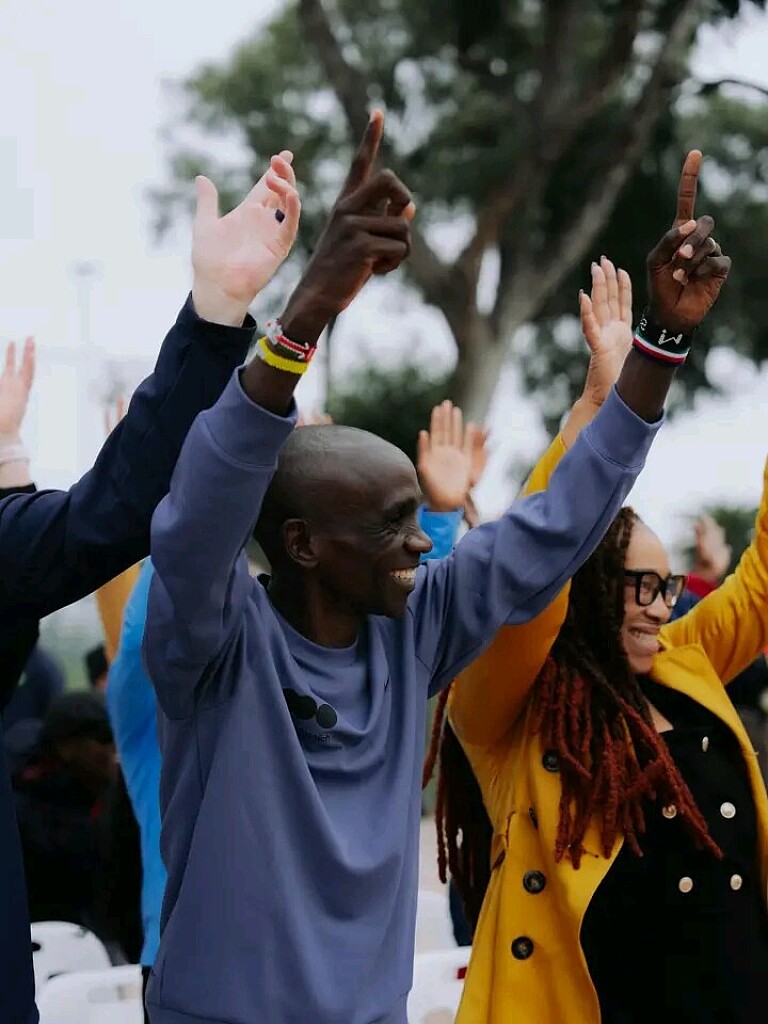
Eliud Kipchoge’s Legacy Beyond Running: Foundation Raises Over KSh 3.6 Million for Education and Environmental Projects
Eliud Kipchoge has spent years redefining what is possible on the roads of the world. From Olympic triumphs to historic marathon performances, the Kenyan icon has built a reputation as one of the greatest athletes of all time. Yet, his latest achievement has nothing to do with finish lines, records, or medals.
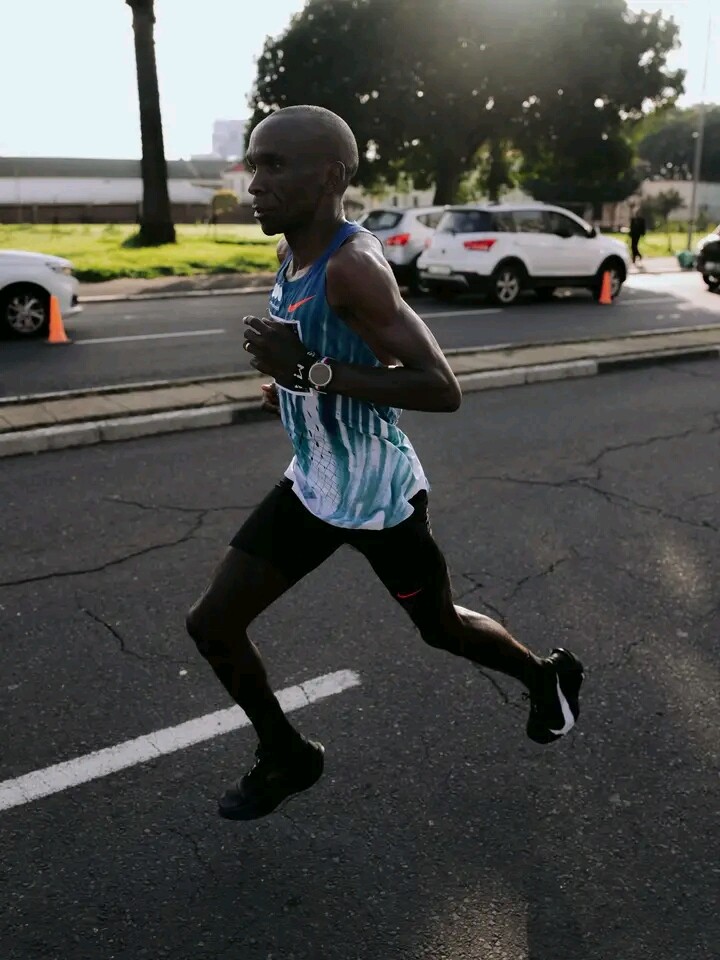
During the Cape Town Marathon weekend in South Africa, the Eliud Kipchoge Foundation successfully raised €24,591 (approximately KSh 3.68 million), with every shilling destined to support education and environmental initiatives across Africa.

The fundraising campaign attracted remarkable support from fans, partners, and well-wishers around the world. Contributions came through direct donations as well as a special charity auction featuring personal items associated with Kipchoge, highlighting the immense admiration and respect he continues to command both within and beyond the athletics community.
Expressing his gratitude, Kipchoge acknowledged the overwhelming generosity shown during the campaign.
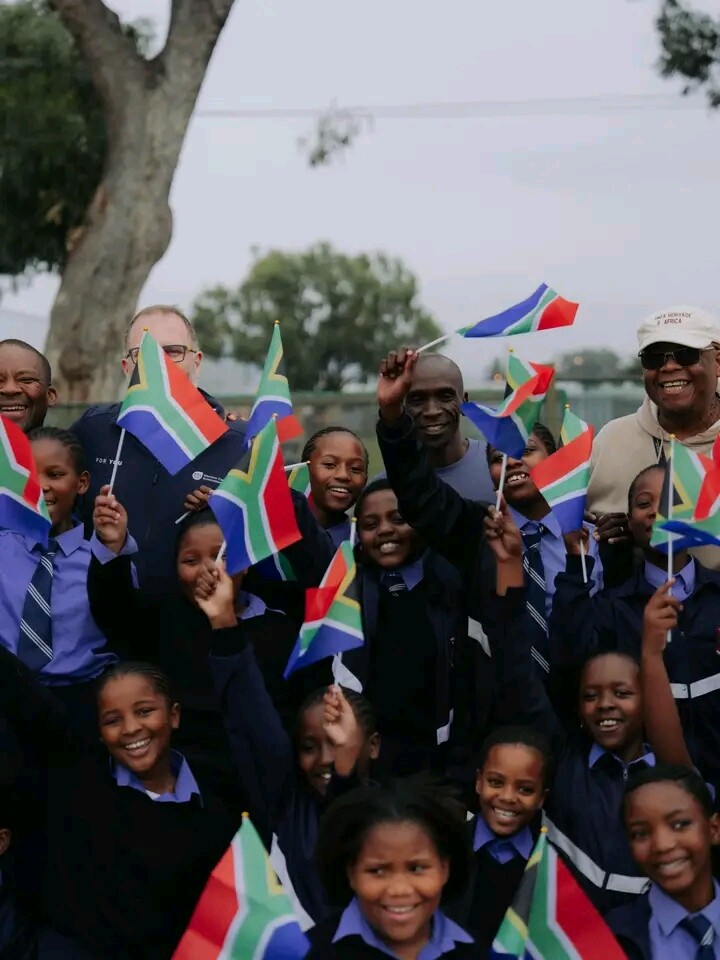
"We are blown away by the generosity from all of you who have donated through our website or bid on Eliud’s items through the auction. All proceeds will support education and environment projects in Africa and beyond. We can’t wait to show you how your contributions positively impact the lives of others. Asante sana."
The funds will help advance the foundation’s mission of creating opportunities through education while promoting environmental sustainability—two causes Kipchoge has consistently championed throughout his career.
For many athletes, success is measured by trophies and records. For Kipchoge, however, true greatness extends far beyond personal accomplishments. His commitment to empowering communities and investing in future generations reflects a vision that reaches well beyond sport.
The Cape Town fundraising success serves as another reminder that Kipchoge’s influence is not confined to marathon courses. While millions admire him for his extraordinary performances, countless others are now benefiting from his determination to create lasting positive change.
From inspiring the world with his running to transforming lives through meaningful action, Eliud Kipchoge continues to embody the philosophy that has defined his journey for years: no human is limited.
And as this latest initiative demonstrates, the impact of his legacy may ultimately stretch far beyond the finish line.
by Erick Cheruiyot for My Best Runs.
Login to leave a comment
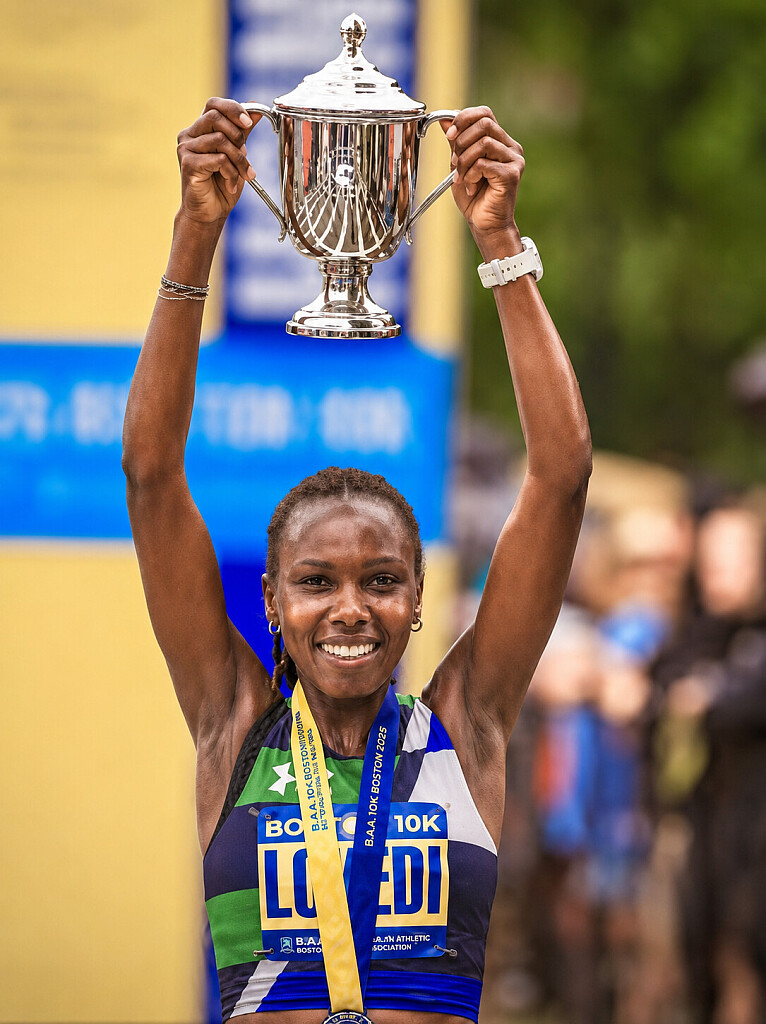
Lokedi Returns to Boston: A Champion’s Defence Set for Fire on the B.A.A. 10K Streets
The roads of Boston and Cambridge are preparing for another chapter of high-intensity racing as Kenya’s marathon star Sharon Lokedi returns to the 2026 B.A.A. 10K on Sunday, June 21, with one clear mission — to defend her crown against a deep and dangerous international field.
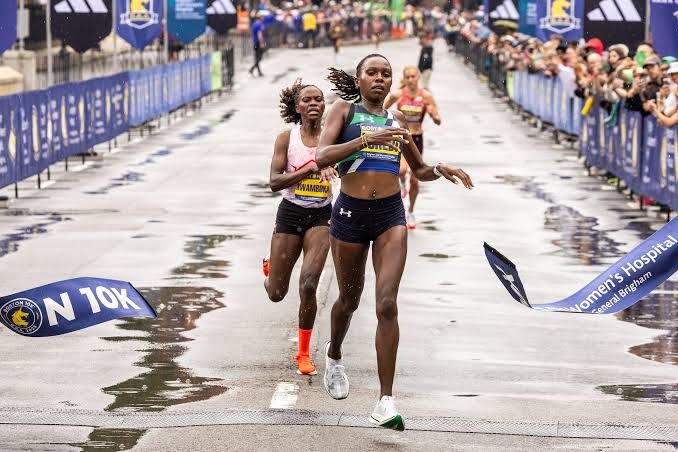
Fresh off her continued rise among the world’s elite distance runners, Lokedi arrives not just as a former winner, but as the athlete everyone will be chasing. Her blend of strength, composure, and finishing speed turned last year’s race into a defining statement, and the question now is whether she can reproduce that same authority on the fast, rolling streets of Boston.
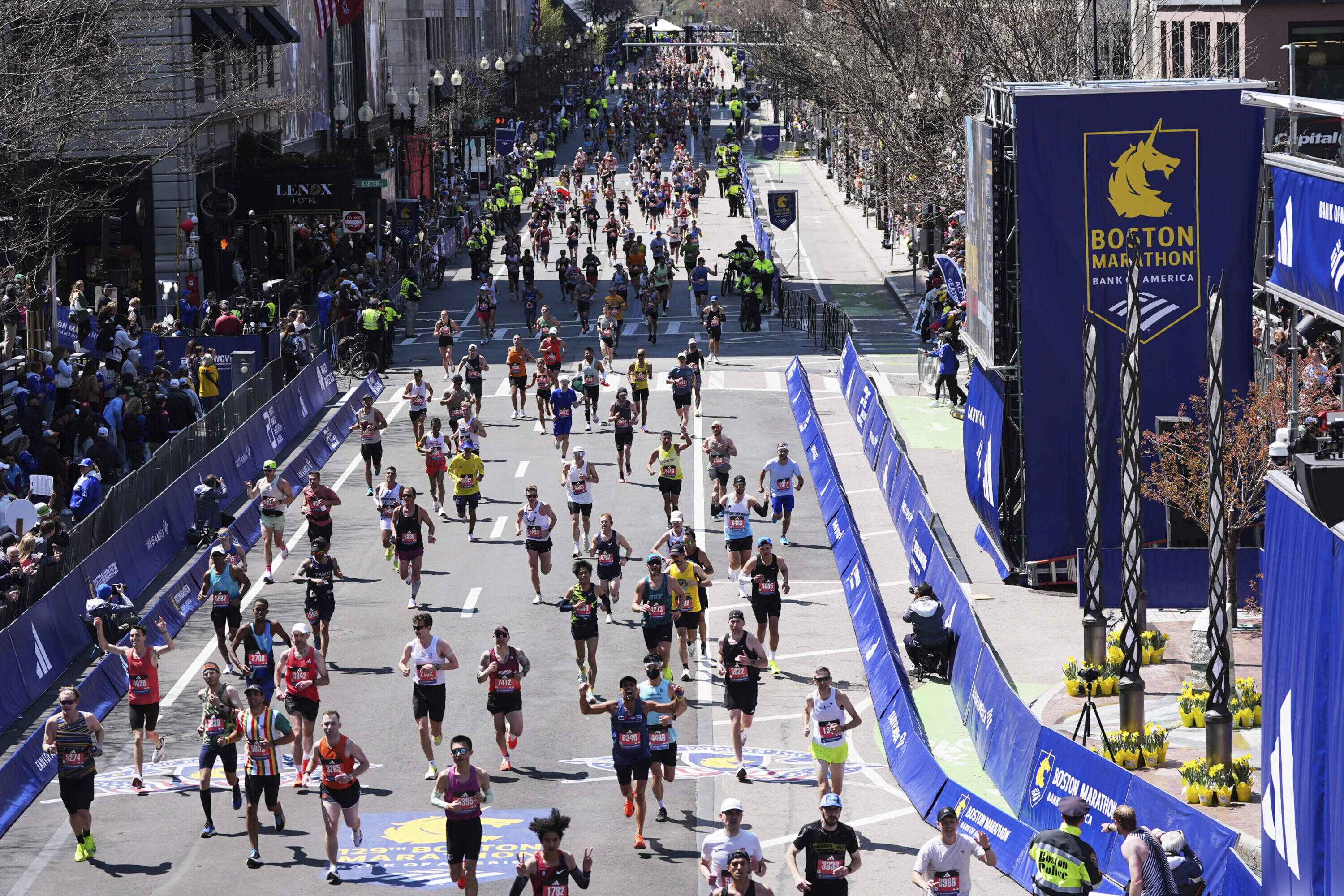
But the Kenyan will face no shortage of pressure.
Among the challengers is compatriot Gladys Kwamboka, a relentless road racer known for her fearless pacing, alongside Britain’s Jessica Warner-Judd, whose track pedigree and strength over sustained tempo efforts make her a serious threat in a fast 10K.
Kenya’s depth in the field is further reinforced by Daisilah Cherono, Viola Cheptoo, Veronica Loleo, and Stacy Ndiwa, each bringing a different racing profile — from aggressive front-running to calculated late surges.
Together, they form a field that blends international pedigree with Kenya’s trademark depth in distance running, setting up a race where positioning, patience, and tactical awareness may prove just as decisive as raw speed.
The B.A.A. 10K has long been known for its fast course and unpredictable rhythm, but this year’s edition carries an added edge: a defending champion in peak form and a pack of challengers determined to disrupt her return to the top step.
As the gun goes off on June 21, all eyes will be on Lokedi — and on whether Boston witnesses another signature moment from a reigning champion refusing to yield her ground.
by Erick Cheruiyot for My Best Runs.
Login to leave a comment

B.A.A. 10K
The 6.2-mile course is a scenic tour through Boston's Back Bay. Notable neighborhoods and attractions include the legendary Bull and Finch Pub, after which the television series "Cheers" was developed, the campus of Boston University, and trendy Kenmore Square. ...
more...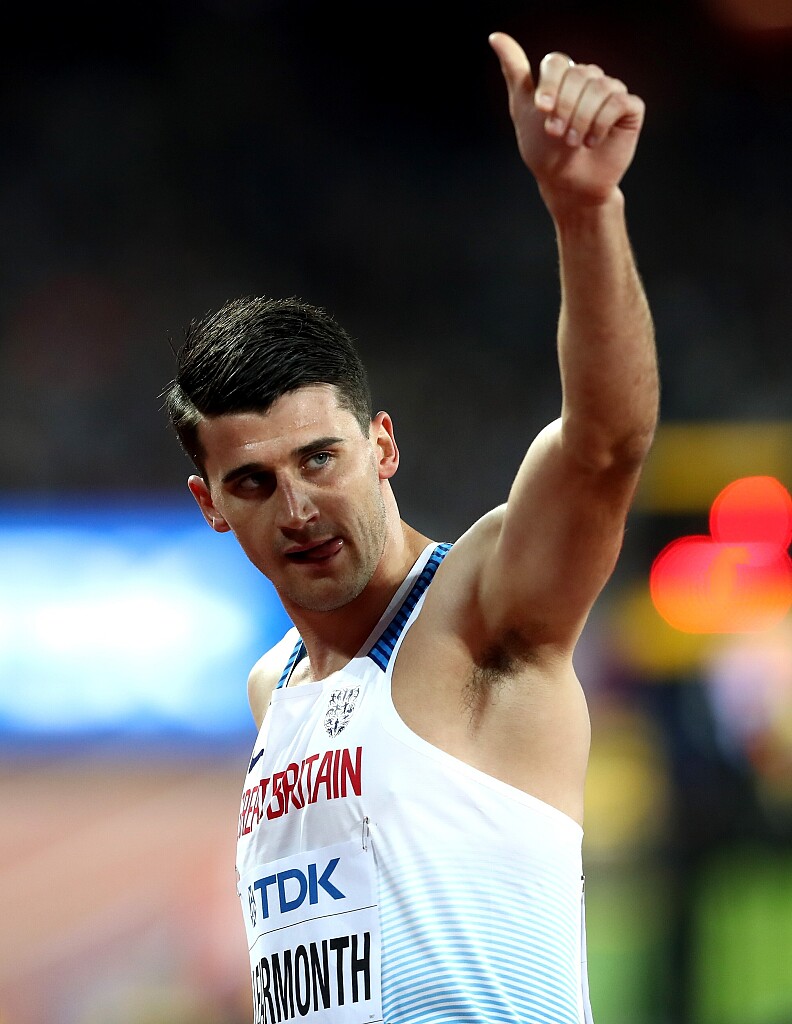
British 800m Stalwart Guy Learmonth Announces Retirement After Distinguished Career
British middle-distance running will bid farewell to one of its most recognizable competitors at the end of this season, as Guy Learmonth has confirmed that he will retire from athletics after a career that spanned more than a decade at the highest level of the sport.
The four-time British indoor 800m champion revealed that 2026 will be his final campaign on the track, bringing the curtain down on a journey marked by consistency, resilience, and international success.
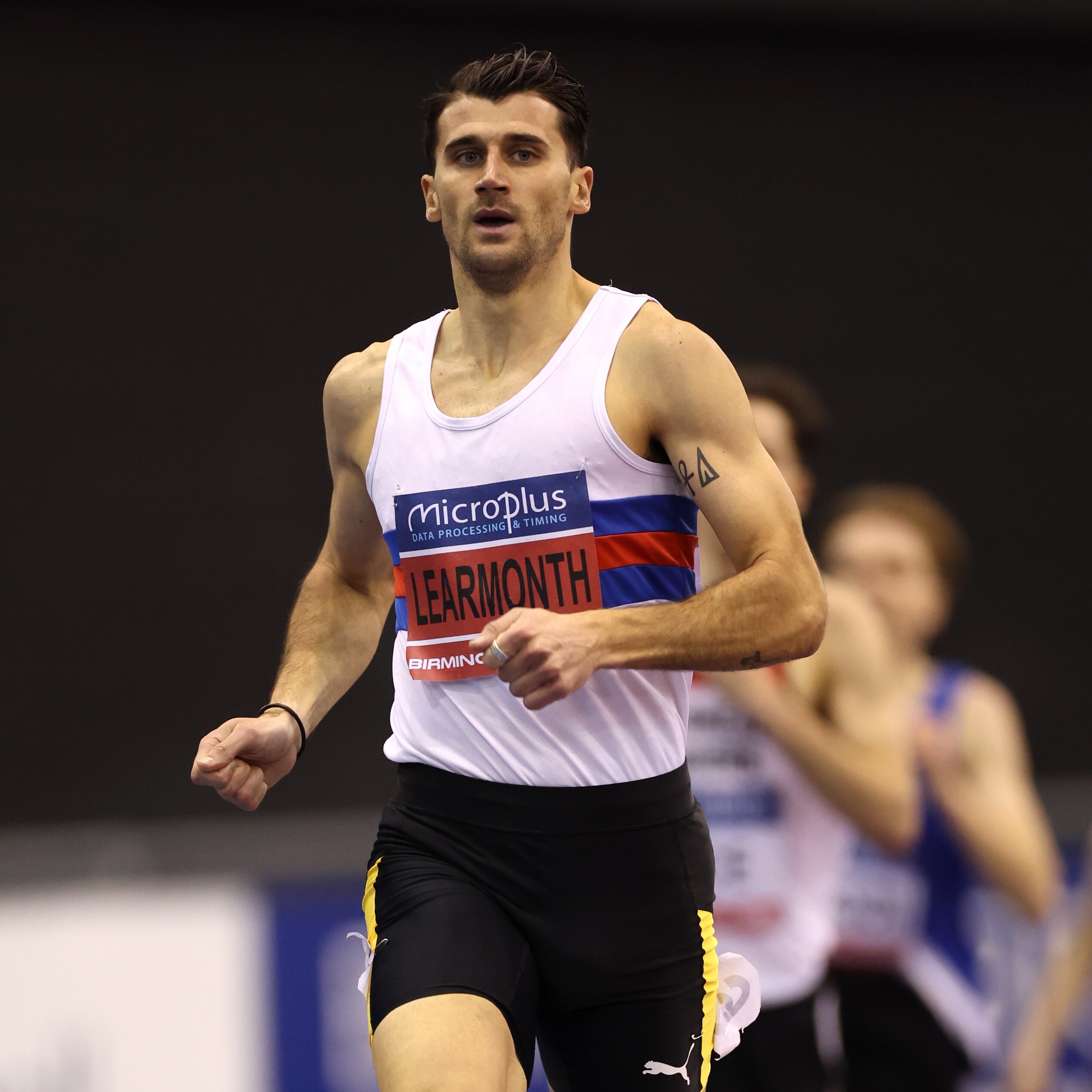
Learmonth established himself as one of Great Britain's leading 800m runners, earning selection for multiple global championships and representing his country on some of athletics' biggest stages. His personal best of 1:44.73 placed him among Britain's elite middle-distance athletes, while his aggressive racing style made him a familiar figure in major finals across Europe and the Commonwealth.
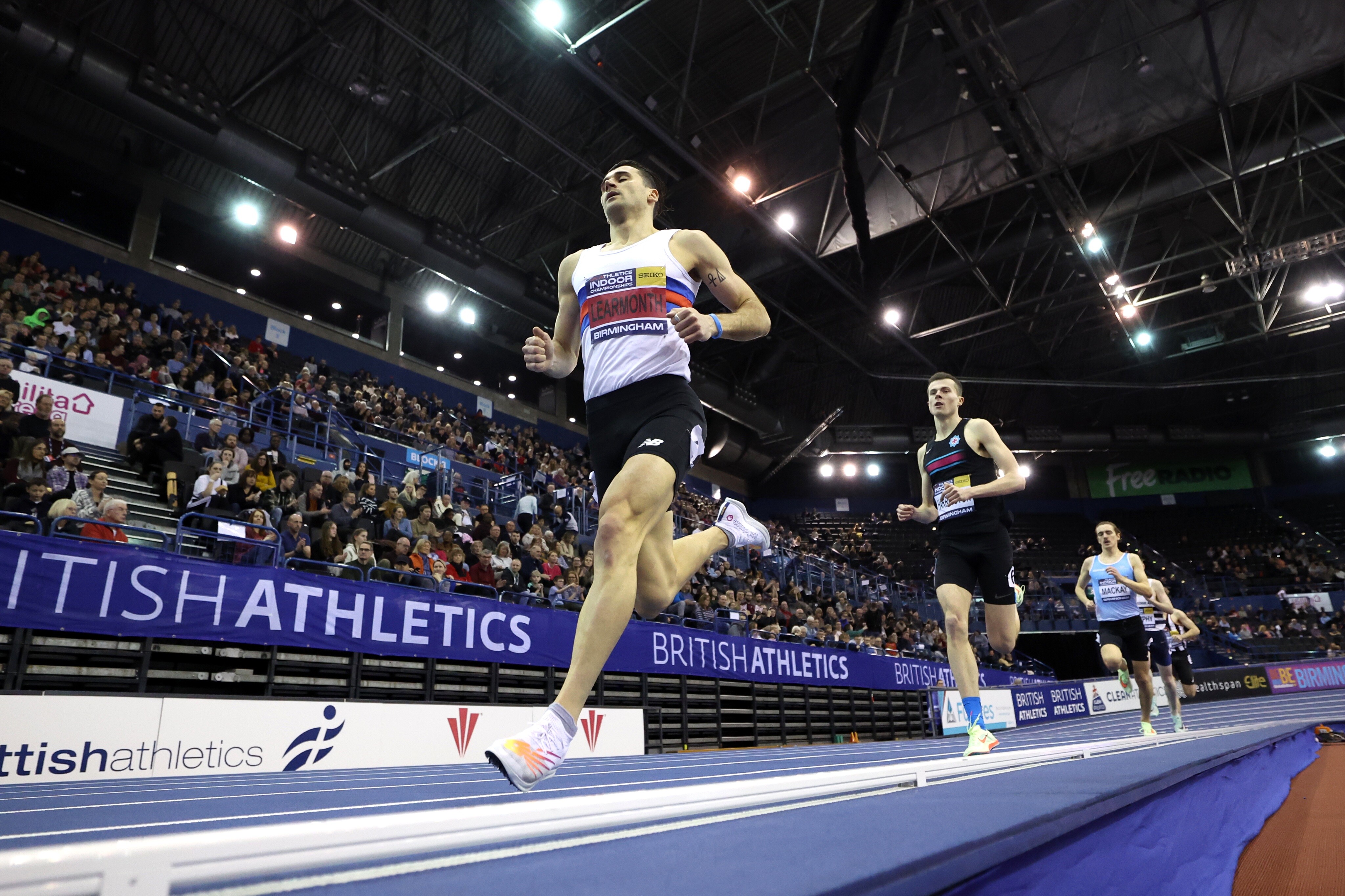
Among the highlights of his career were sixth-place finishes at two Commonwealth Games and two European Indoor Championships, performances that underlined his ability to compete against world-class opposition. He also reached the semi-finals of the men's 800m at the 2017 World Athletics Championships in London, a memorable achievement in front of a home crowd.
Throughout his career, Learmonth became known not only for his competitive spirit but also for his longevity in one of track and field's most demanding events. Year after year, he remained a prominent force in British middle-distance running, collecting national titles and proudly wearing the Great Britain vest on the international stage.
As he prepares for the final races of his career, Learmonth leaves behind a legacy built on dedication, perseverance, and a relentless commitment to excellence. His departure marks the end of an era for British 800m running, but his contributions to the sport will continue to be remembered long after he hangs up his spikes.
With one last season still to run, fans will have the opportunity to celebrate a competitor who gave everything to the sport and represented Great Britain with distinction throughout an outstanding career.
by Erick Cheruiyot for My Best Runs.
Login to leave a comment
Australian Stars Set to Shine as Diamond League Lands in Oslo
The Diamond League caravan rolls into Norway this week, and a strong Australian contingent is ready for another major test on one of athletics' most prestigious stages. With the European season gathering pace and championship ambitions beginning to take shape, Thursday's meeting in Oslo promises high-quality competition and several compelling Australian storylines.
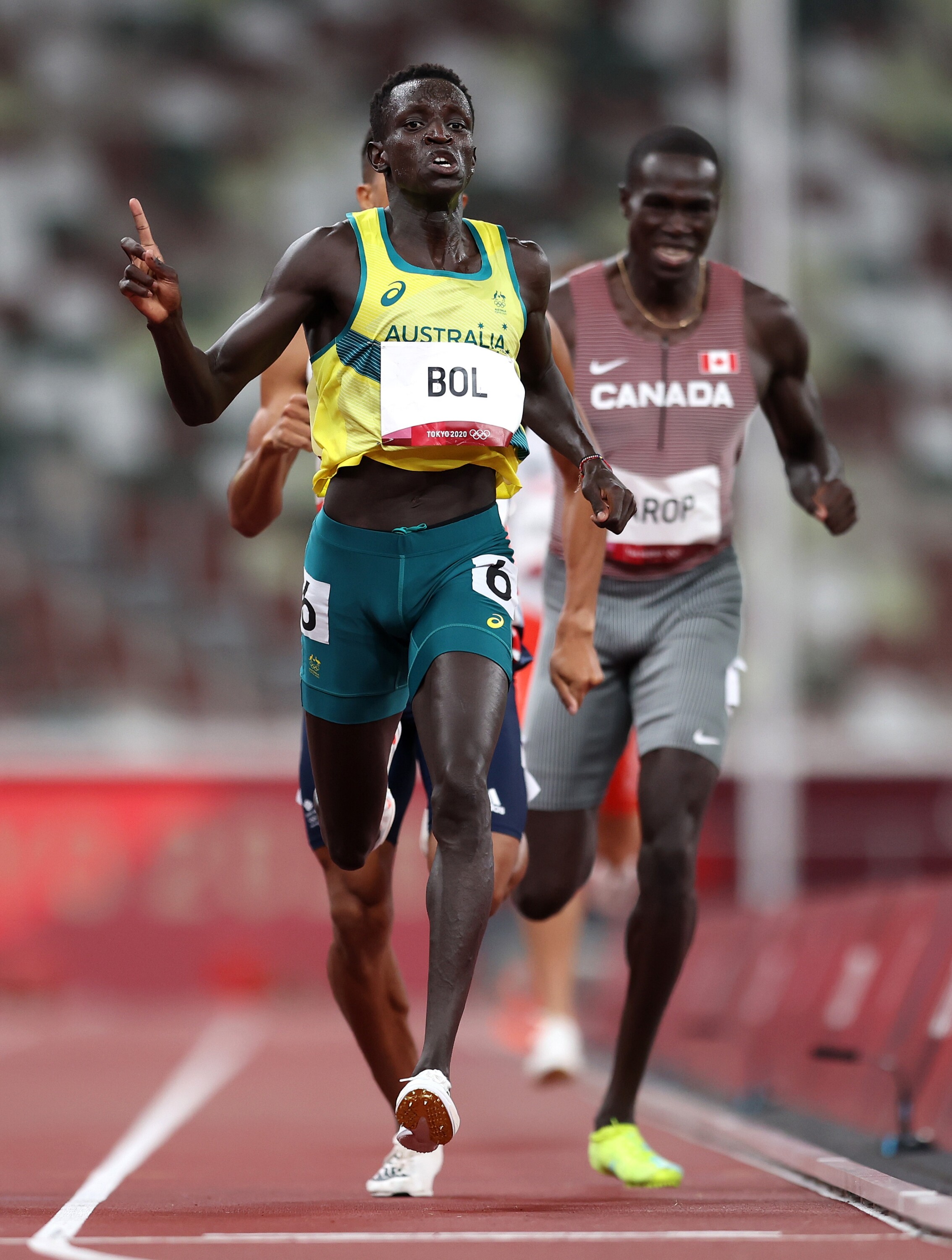
Leading the charge is Peter Bol in the men's 800 metres. The Australian star continues his return to elite racing and faces another opportunity to measure himself against some of the world's best middle-distance runners. With every Diamond League appearance carrying added significance, Bol will be looking to build further confidence and rhythm as the season progresses.
Australia's depth in distance running will be on full display in the women's 3000 metres, where Lauren Ryan, Rose Davies, Georgia Griffith, and Linden Hall are all set to take the start line. The quartet represents a new era of Australian endurance running, with each athlete bringing proven international credentials and the ability to challenge in fast-paced championship-style races.
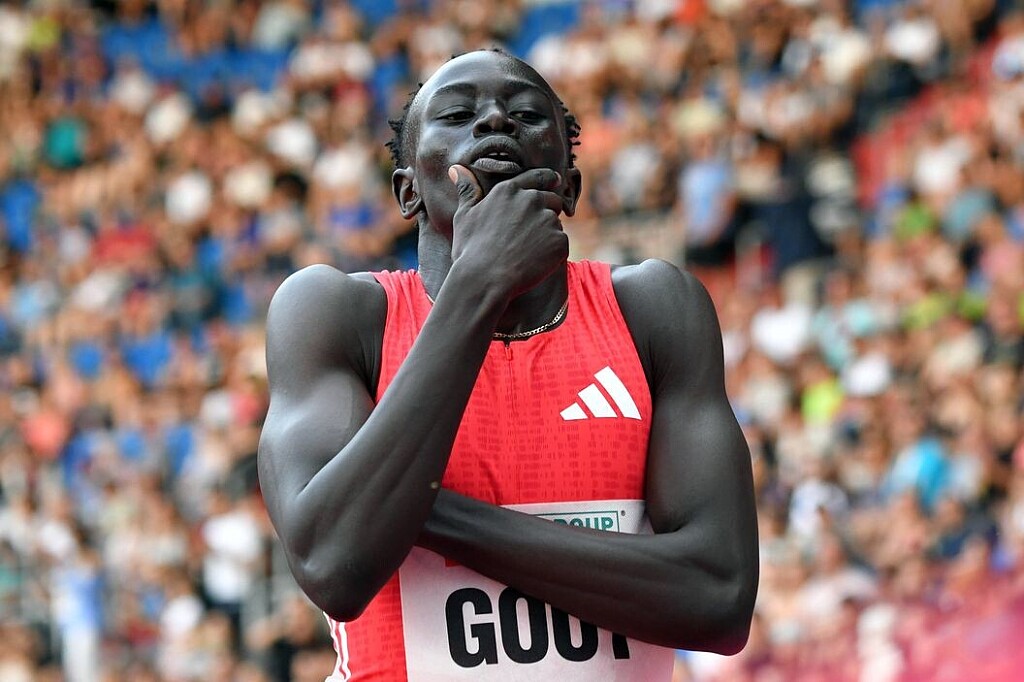
Attention will also turn to the men's 200 metres, where teenage sensation Gout Gout continues his remarkable rise. The young sprinter has become one of the most talked-about prospects in world athletics, and another appearance on the Diamond League stage offers a valuable opportunity to gain experience against established international stars while continuing his rapid development.
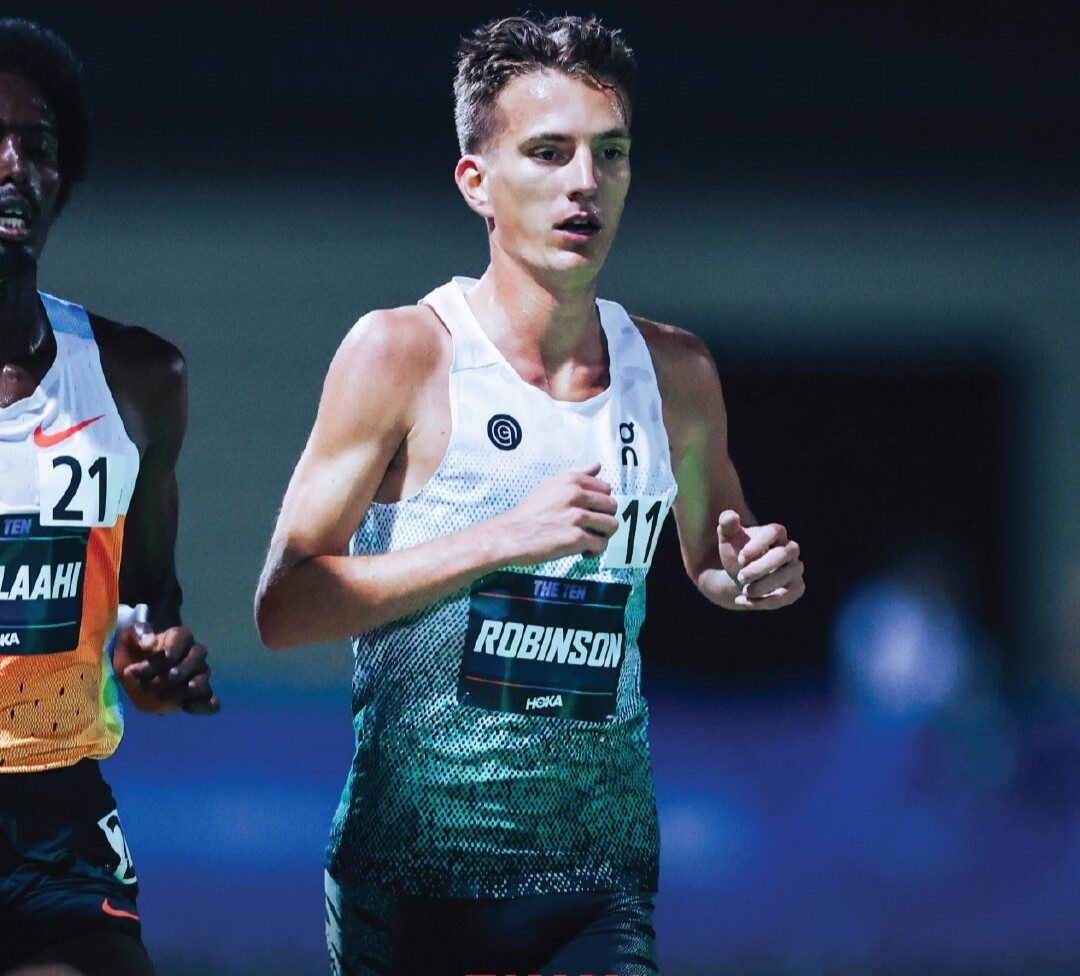
In the men's 5000 metres, Ky Robinson will look to continue his impressive progression against a world-class field. Robinson has emerged as one of Australia's most consistent distance performers, and the Oslo meeting presents another chance to test himself in what is expected to be a fiercely competitive race.
The Australian challenge concludes in the men's mile, where Cameron Myers returns to one of the sport's most iconic events. Still in the early stages of his career, Myers has already demonstrated exceptional talent and composure against elite opposition. Another strong performance in Oslo would further strengthen his growing reputation as one of the brightest young middle-distance athletes in the world.
As the Diamond League season continues its journey through Europe, Australia's presence on the international circuit remains stronger than ever. From emerging stars to established contenders, the Oslo meeting offers another opportunity for the green and gold to make an impact on one of athletics' biggest stages.
Norway is next, and Australia's Diamond League campaign shows no signs of slowing down.
by Erick Cheruiyot for My Best Runs.
Login to leave a comment
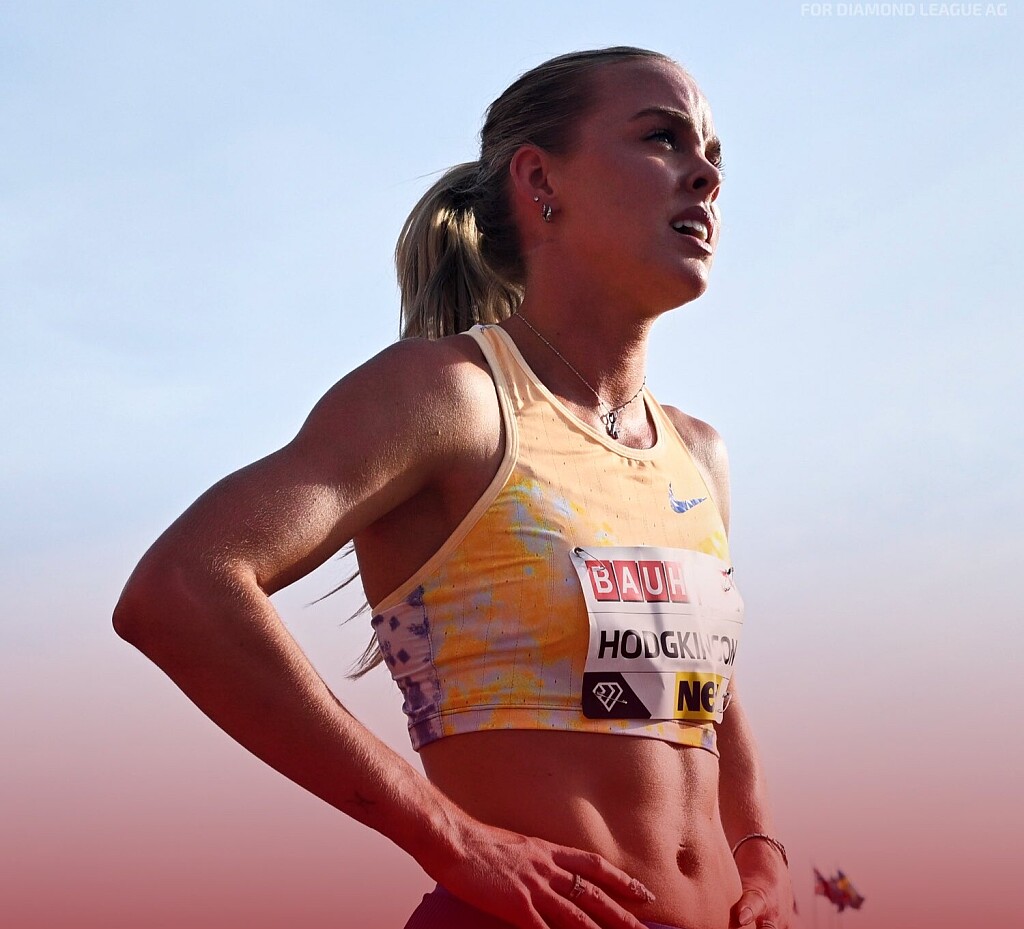
Keely Hodgkinson’s Historic Defeat: The Fastest Losing Time Ever Run
Sometimes a loss says more than a victory ever could.
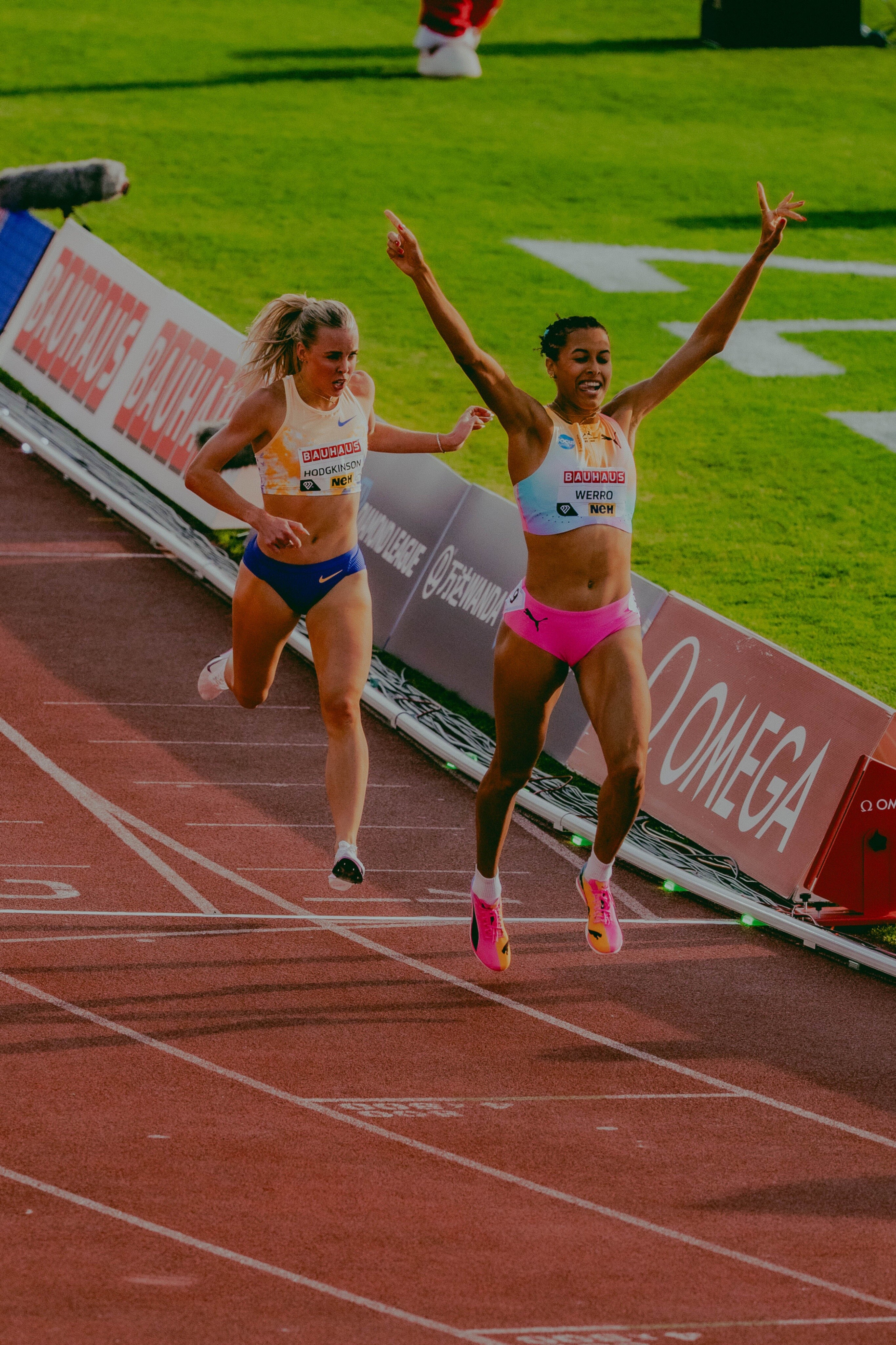
At the Bauhaus-Galan Diamond League meeting in Stockholm, Olympic champion Keely Hodgkinson delivered one of the finest performances of her career—and one of the greatest 800m races ever witnessed. Yet when she crossed the finish line, she was not the winner.
The British star opened her 2026 season in spectacular fashion, clocking a stunning 1:54.33, a new British record and a personal best. In almost any race in history, that performance would have guaranteed victory. Instead, it became the fastest non-winning time ever recorded in the women's 800 metres.
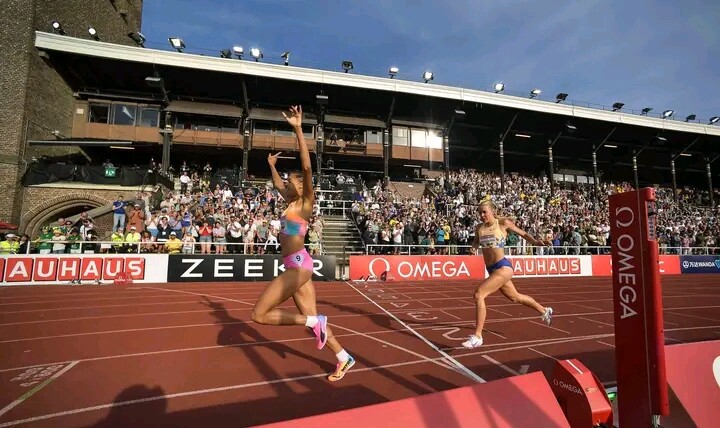
What unfolded in Stockholm was a race of extraordinary quality.
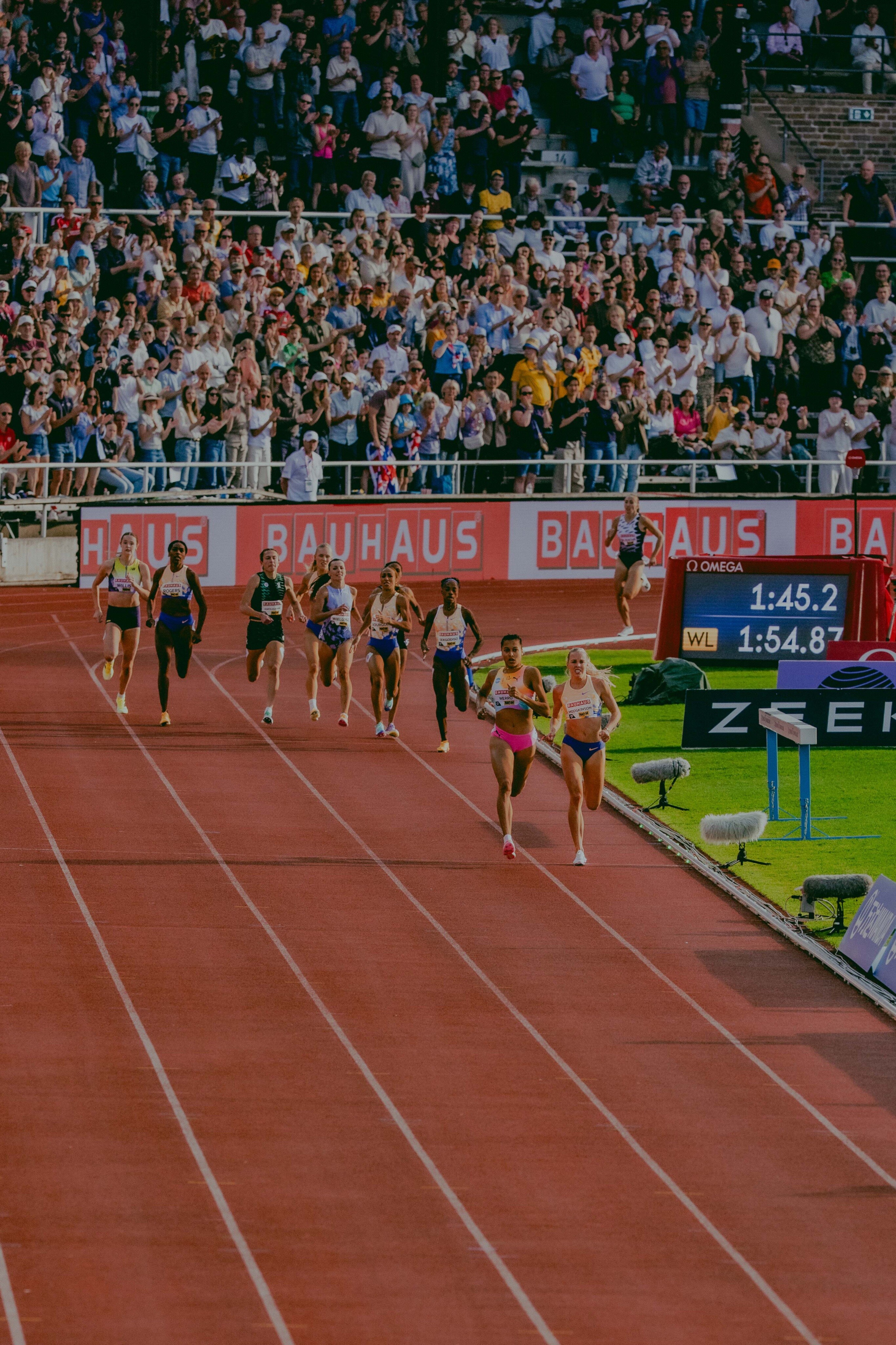
For much of the contest, Hodgkinson and Switzerland’s Audrey Werro separated themselves from the rest of the field, turning the race into a relentless head-to-head battle. Hodgkinson looked in control as she surged off the final bend and powered into the home straight, appearing ready to begin her season with a statement victory.
But Werro had one final answer.
The Swiss athlete produced a breathtaking late charge, drawing alongside Hodgkinson in the closing metres before edging ahead to win in a sensational 1:53.98. The performance made Werro the third-fastest woman in history over the distance, while Hodgkinson's 1:54.33 immediately became one of the fastest times ever run.
The statistics underline just how remarkable the race was. Two of the six fastest women's 800m performances in history were produced in the same event, elevating the Stockholm showdown into the sport's record books.
For Hodgkinson, the result may officially go down as a defeat, but it felt more like a declaration. After battling injury setbacks earlier in the year, the Olympic champion returned with the fastest race of her life, proving she remains at the very centre of one of athletics' most exciting eras.
History will remember Werro as the winner. It will also remember Hodgkinson as the athlete who ran faster than any woman ever had in defeat.
And if Stockholm was merely the opening chapter of her season, the months ahead could produce something even more extraordinary. The stopwatch suggests Hodgkinson is not chasing history anymore—she is helping redefine it.
by Erick Cheruiyot for My Best Runs.
Login to leave a comment
